
 한국어
한국어 English
 日本語
日本語 中文(简体)
 Viewing now
Hiroxone Tablets (Hydrocortisone)
Hydrocortisone 10mg
Tablet · Prescription medication
IYUN Pharmaceuticals Co., Ltd.
MFDS item code 200702180 · Notified 2007.02.20 · Insurance code 658601910
Treatment and symptom relief for endocrine disorders, rheumatic disorders, allergic diseases, etc.
This medication is used for various endocrine disorders, rheumatic diseases, connective tissue diseases, allergies and infections, blood diseases, gastrointestinal diseases, liver diseases, respiratory diseases, brain and nervous system diseases, skin and ophthalmic diseases, and otorhinolaryngological disorders. It is particularly effective in treating chronic adrenal insufficiency, rheumatoid arthritis, systemic lupus erythematosus, bronchial asthma, acute and chronic infections, hemolytic anemia, localized enteritis, chronic hepatitis, sarcoidosis, encephalitis, and acute otitis media. It also alleviates allergic responses, controls inflammatory diseases, and aids in immune dysregulation. It is useful for recovery after surgical procedures and can be utilized to improve chronic diseases or severe systemic conditions. This medication is used to generally improve the patient's health status.
Hydrocortisone is administered orally at a dose of 10–120 mg daily, divided into 1 to 4 doses. Adjustments should be made based on age and symptoms.
This medication should not be used in patients with known allergies to this medication or its components. Caution is advised for patients with infections, especially in cases of infections unresponsive to antibiotics or systemic fungal infections, as these may worsen. It should not be administered to patients with viral infections such as herpes simplex, shingles, or chickenpox. This medication contains lactose and should not be used in patients with genetic issues such as lactose intolerance, lactose enzyme deficiency, or glucose-galactose malabsorption. Patients with specific diseases such as tuberculosis, keratitis, cataracts, hypertension, electrolyte disturbances, thrombosis, recent bowel anastomosis, peptic ulcers, psychosis, severe osteoporosis, glaucoma, acute myocardial infarction, etc., should be treated cautiously and only when necessary. Diabetic patients should regularly check their blood glucose and urine, as blood sugar levels may worsen. Caution is also needed for patients with renal failure, congestive heart failure, hypothyroidism, cirrhosis, fatty liver, myasthenia gravis, and the elderly. Long-term use of this medication may lead to adrenal insufficiency, increased risk of infections, hypertension, osteoporosis, vision changes, and other side effects, requiring regular check-ups and monitoring. This medication may interact with other drugs; therefore, it is essential to inform the healthcare provider of any medications currently being taken, particularly those affecting heart rhythm, anticoagulants, diuretics, antibiotics, or antiepileptics. Pregnant women or those who may become pregnant should consult a doctor before using this medication due to potential effects on the fetus, and nursing mothers are advised to discontinue breastfeeding. For children, the minimum effective dose should be given carefully due to the risk of growth retardation, and caution is also needed for potential side effects such as increased intracranial pressure with long-term administration. Elderly patients are at a higher risk of side effects such as infections, diabetes, osteoporosis, hypertension, cataracts, and glaucoma, and therefore require closer monitoring.
Urticaria, severe swelling (edema) accompanied by raised blood pressure, difficulty breathing, chest tightness, cold sweats, pallor → severe allergic reaction, high fever accompanied by severe rash, blisters, skin exfoliation, oral/eye mucosal pain → severe skin adverse reactions, shortness of breath or respiratory distress, asthma attacks, respiratory problems combined with cough and fever, jaundice (yellowing of the skin or eyes), systemic fatigue →
Diarrhea, nausea, vomiting, stomach pain, heartburn, abdominal bloating, ulcerative esophagitis, dry mouth, increased appetite, mental disorders, depression, euphoria, insomnia, headache, dizziness, seizures, increased intracranial pressure, osteoporosis, avascular necrosis of the femoral and humeral heads, myopathy, myalgia, arthralgia, spinal compression fractures, pathological fractures of the ilium, tendon rupture, nitrogen balance disturbance, fatty liver, edema, hypertension, potassium loss, hypokalemic alkalosis,
Not everyone experiences these, and they can vary from person to person.
This medication is sensitive to light and should be stored in a tightly sealed container to block light. Additionally, it is advisable to keep the medication at room temperature between 1°C and 30°C. Proper storage can help maintain the medication's effectiveness for a longer period.
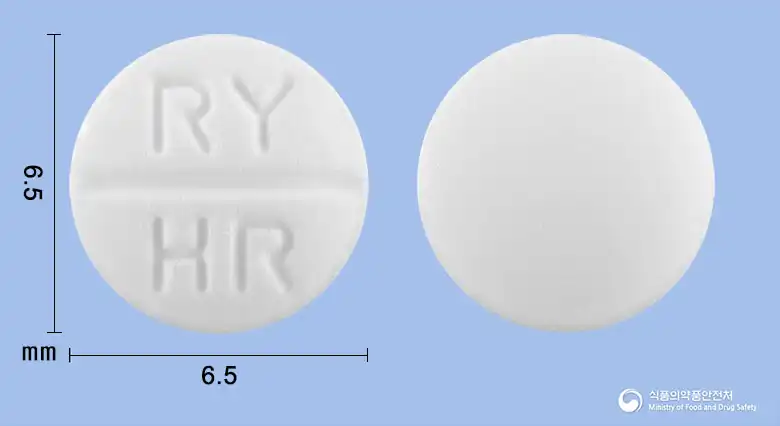
White round tablets
30 tablets/bottle, 300 tablets/bottle
Even with the same ingredient, strength, dosage form and how it is taken can differ.
Viewing nowHydrocortisone 10mg
Tablet · Prescription medication
IYUN Pharmaceuticals Co., Ltd.
Hydrocortisone 10mg
Cream · OTC medication
Vivozon Pharmaceutical Co., Ltd.
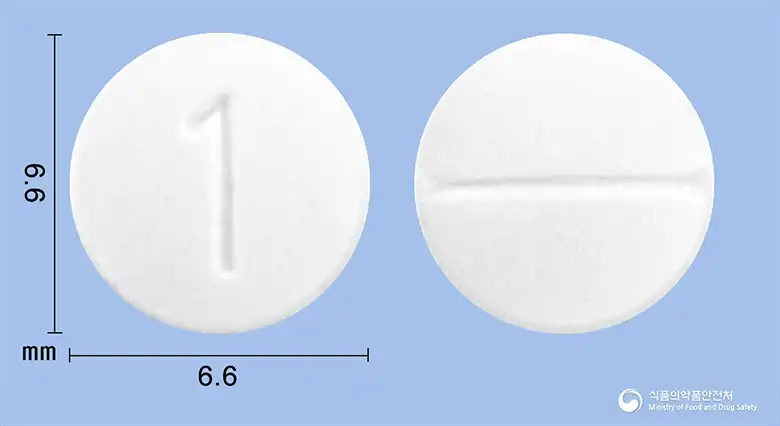
Hydrocortisone 10mg
Tablet · Prescription medication
Vivozon Pharmaceutical Co., Ltd.
Hydrocortisone 5mg
OTC medication
Highple Life Sciences Co., Ltd.
Hydrocortisone 25mg
Lotion · OTC medication
Shinil Pharmaceutical Co., Ltd.
Hydrocortisone 10mg
Lotion · OTC medication
Shinil Pharmaceutical Co., Ltd.
Hydrocortisone 1g
Suspension · OTC medication
JW Pharmaceutical Co., Ltd.
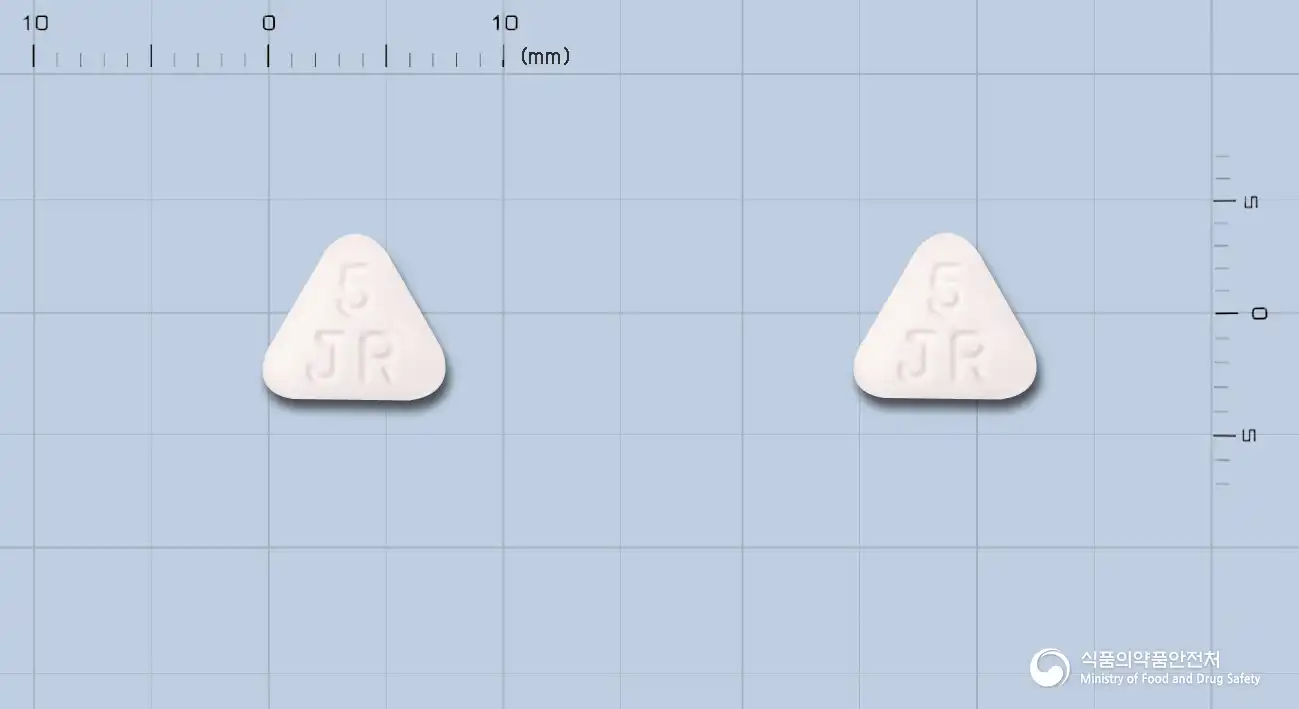
Hydrocortisone 5mg
Tablet · Prescription medication
Vivozon Pharmaceutical Co., Ltd.
Even with the same ingredient, the dose and directions can differ by strength and dosage form. Talk to a doctor or pharmacist before switching from a medication you are already taking.
No questions yet.
For anything that needs medical judgment, consult a doctor or pharmacist.
This drug information is based on data provided by the Korea Ministry of Food and Drug Safety.
Consult a doctor or pharmacist for accurate dosage, administration, and usage instructions.