
 한국어
한국어 English
 日本語
日本語 中文(简体)
 Viewing now
Aprovel 150 mg (Irbesartan)
Irbesartan 150mg
Tablet · Prescription medication
Handok Co., Ltd.
MFDS item code 200701725 · Approved 2007.02.08 · Insurance code 652100870
Suppression of the progression of nephropathy in patients with essential hypertension and type 2 diabetes
This medication is used to control blood pressure in patients with essential hypertension. It also helps to prevent or slow the progression of nephropathy in patients with hypertension and type 2 diabetes. Therefore, it is used to improve various symptoms associated with hypertension and maintain kidney health.
This medication can be taken regardless of meals. 1. Essential hypertension Adults: Administer 150 mg orally once daily as Irbesartan, with the possibility of increasing to 300 mg if the effect is insufficient. 2. Nephropathy in patients with hypertension and type 2 diabetes Adults: Start with 150 mg orally once daily and maintain up to 300 mg. Elderly and patients with kidney impairment.
This medication can cause serious harm to the fetus and newborn if administered to pregnant women, so it should be discontinued immediately if pregnancy is confirmed. Additionally, it should not be used by individuals allergic to this medication or its ingredients, patients with severe liver impairment, hereditary angioedema patients, or women who are pregnant or breastfeeding. Patients with certain genetic conditions such as galactose intolerance should also avoid this medication. Diabetic patients or those with severely impaired kidney function should not take this medication with certain drugs, and patients with diabetic nephropathy who are taking ACE inhibitors should be avoided. Caution is required for the elderly, patients with hyperkalemia, and those with poor liver function, and patients with heart or vascular diseases should be cautious of excessively low blood pressure. Patients at risk for rapid drops in blood pressure or worsening kidney function require particular caution. While taking this medication, rare side effects such as angioedema (swelling of the face, lips, or tongue), hyperkalemia, shock, renal failure, liver dysfunction, hypoglycemia, and serious muscle-related side effects may occur, so immediate consultation with a physician is necessary if abnormal symptoms arise. Patients with poor liver function should not exceed 150 mg per day, and severe liver impairment patients should not use this medication. It is advisable not to take this medication within 24 hours prior to surgery. Patients with reduced blood volume may experience symptoms of hypotension, so their condition or diuretic dosage should be adjusted before taking it. Patients with vascular issues in the kidneys should avoid this medication if possible, as kidney function may deteriorate rapidly upon ingestion. Patients with diabetic nephropathy or heart failure, whose kidney function is unstable, should have their serum potassium and creatinine levels monitored regularly. The blood pressure-lowering effect of this medication may be somewhat weaker in Black patients. Dizziness or fatigue may occur during treatment, necessitating caution when driving or operating machinery. Patients with hypoglycemic symptoms or those undergoing diabetes treatment should consult a physician or pharmacist before use and adjust blood glucose and medication dosages as needed. This medication may interact with other blood pressure medications, diuretics, potassium supplements, lithium, and non-steroidal anti-inflammatory drugs, so it is vital to inform your provider if you are taking any other medications. In particular, concomitant use of ACE inhibitors or aliskiren increases the risk of hypotension, hyperkalemia, and renal dysfunction, so it is not recommended, and blood pressure and kidney function should be closely monitored if used together. Safety in pediatric patients has not been established, so it should be administered to children with caution. In case of overdose, hypotension and arrhythmias may occur, so if symptoms arise, immediate notification to healthcare personnel is necessary for appropriate treatment. This medication should be stored out of reach of children and should not be transferred to another container.
Urticaria, facial swelling, angioedema, anaphylactic shock, anaphylactic reaction, angioedema, dyspnea, wheezing, liver dysfunction, jaundice, severe edema, paralysis, cerebrovascular accidents, edema associated with increased blood pressure, hypoglycemia, cold sweat, confusion, severe allergic reactions, severe skin adverse reactions, rhabdomyolysis, shock, syncope, loss of consciousness, renal failure, liver dysfunction, jaundice
Not everyone experiences these, and they can vary from person to person.
This medication should be stored in a sealed container to prevent air or moisture from entering. Additionally, it should be kept in a cool, dry place below 30 degrees Celsius.
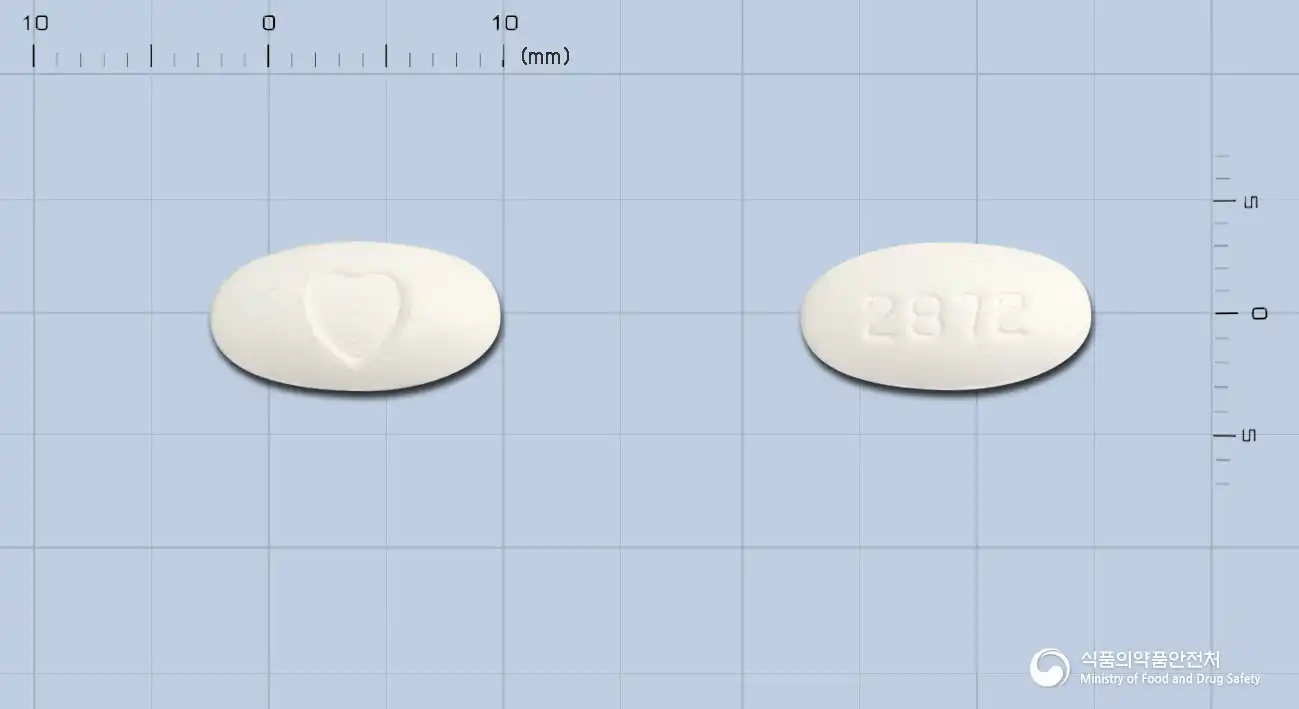
Oval film-coated tablet that is white or almost white, biconvex on both sides with a heart shape engraved on one side and the number "2872" engraved on the other side.
30 tablets (10 tablets/blister × 3), 100 tablets/bottle
Even with the same ingredient, strength, dosage form and how it is taken can differ.
Viewing nowIrbesartan 150mg
Tablet · Prescription medication
Handok Co., Ltd.
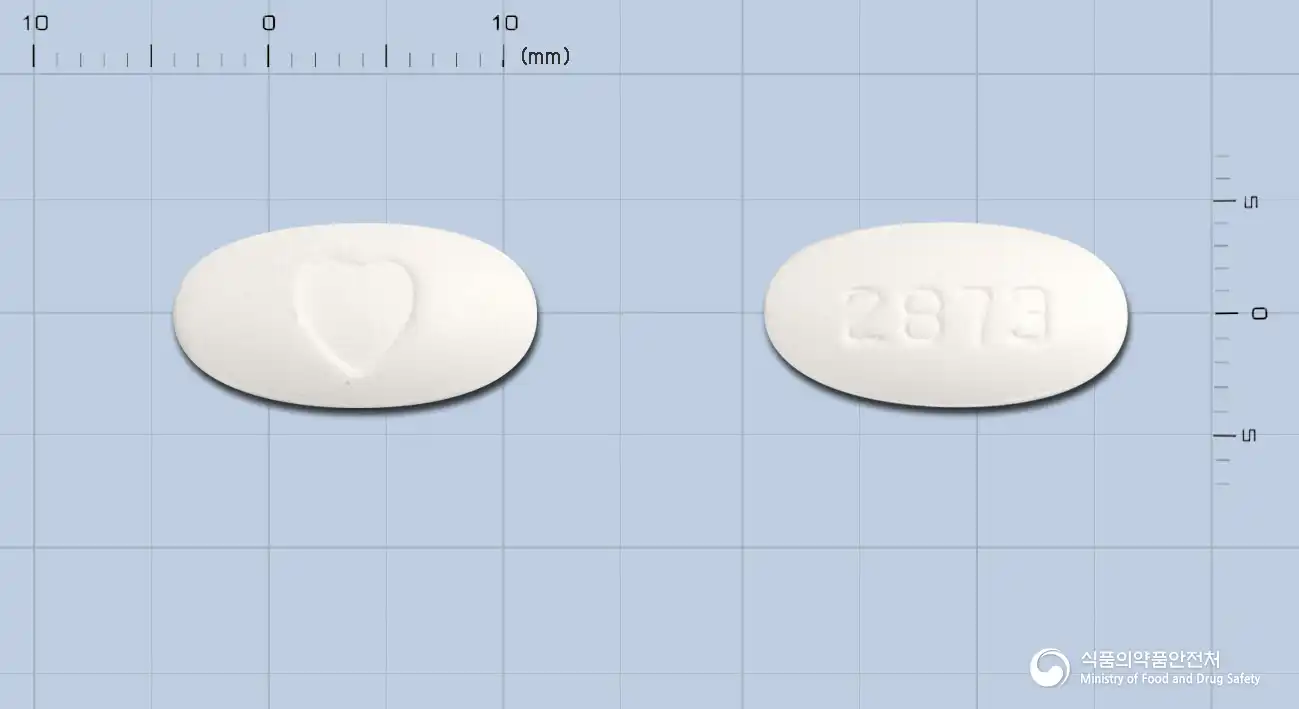
Irbesartan 300mg
Tablet · Prescription medication
Handok Co., Ltd.
Irbesartan 150mg
Tablet · Prescription medication
Hanwha Pharmaceutical Co., Ltd.
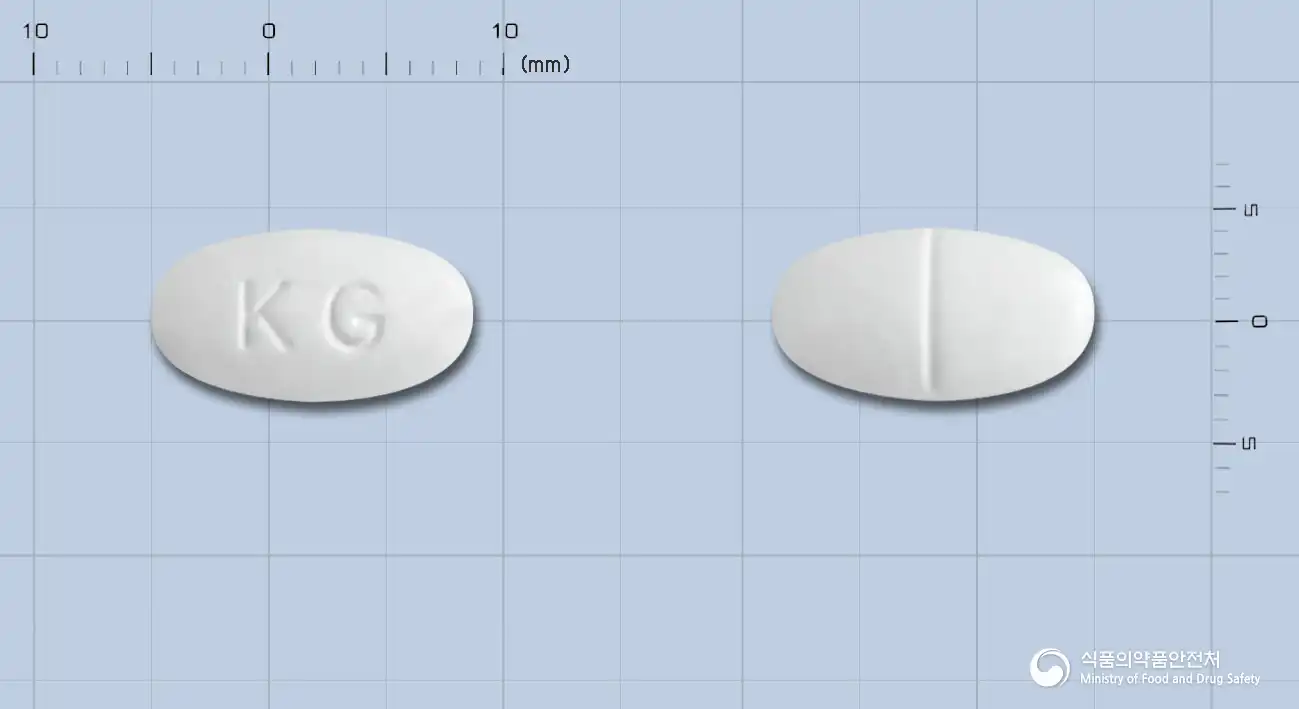
Irbesartan 150mg
Tablet · Prescription medication
Kips Biopharma Co., Ltd.
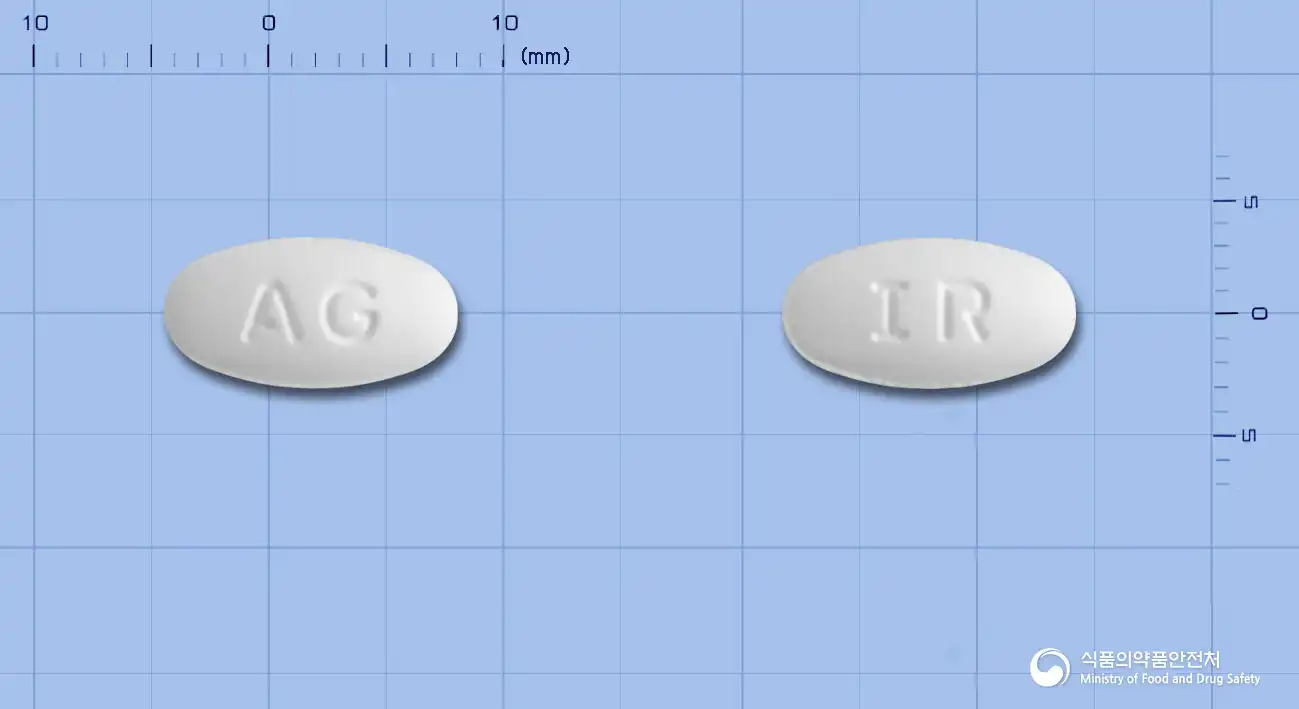
Irbesartan 150mg
Tablet · Prescription medication
Anguk Pharmaceutical Co., Ltd.
Irbesartan 150mg
Prescription medication
Bionex Co., Ltd.
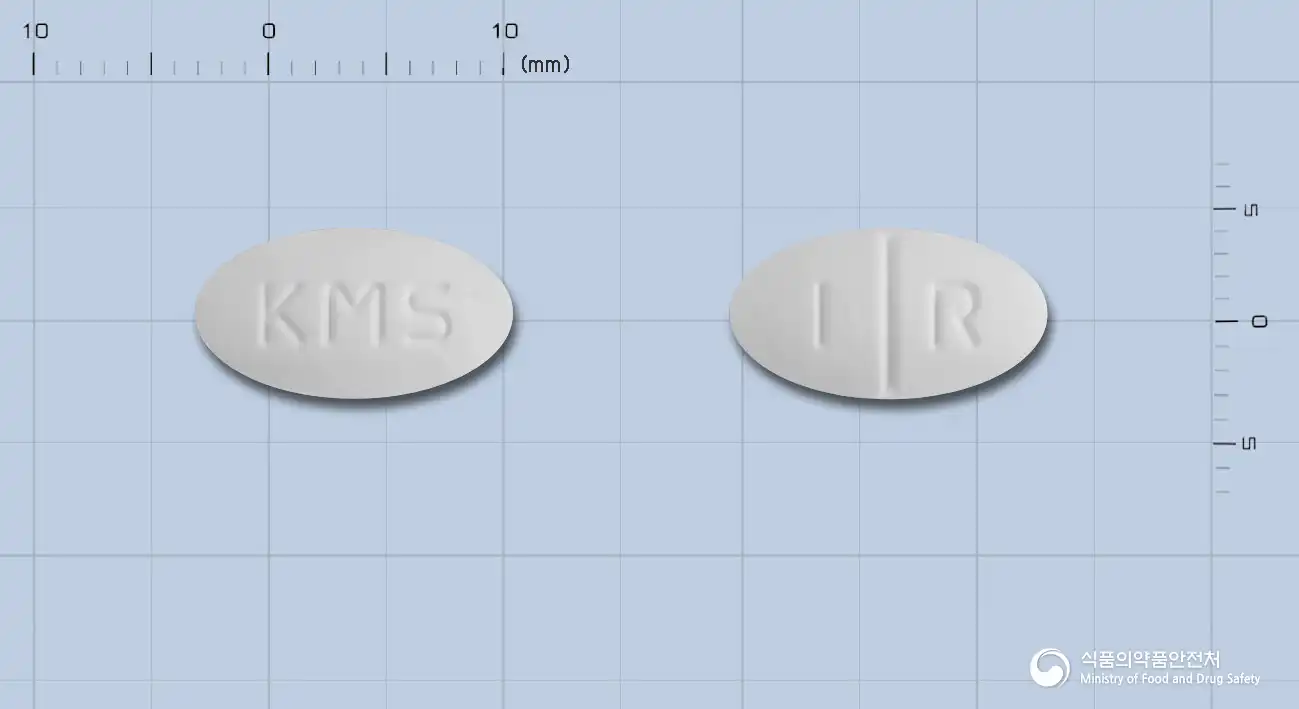
Irbesartan 150mg
Tablet · Prescription medication
KMS Pharmaceutical Co., Ltd.
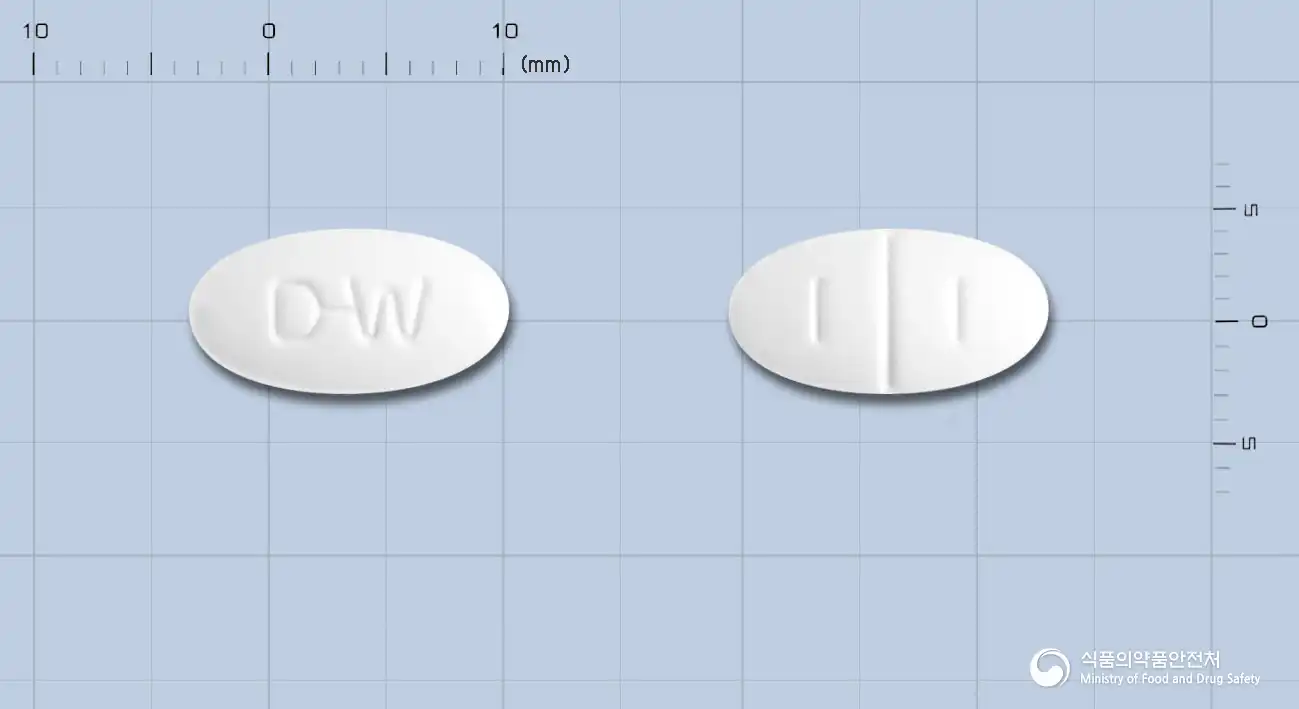
Irbesartan 150mg
Prescription medication
Dongwha Pharmaceutical Co., Ltd.
Even with the same ingredient, the dose and directions can differ by strength and dosage form. Talk to a doctor or pharmacist before switching from a medication you are already taking.
No questions yet.
For anything that needs medical judgment, consult a doctor or pharmacist.
This drug information is based on data provided by the Korea Ministry of Food and Drug Safety.
Consult a doctor or pharmacist for accurate dosage, administration, and usage instructions.