
 한국어
 English
 日本語
 中文(简体)
 Viewing now
Coroson Tablets (Hydrocortisone)
Hydrocortisone 10mg
Tablet · Prescription medication
Youngil Pharmaceutical Co., Ltd.
MFDS item code 200701116 · Notified 2007.01.26 · Insurance code 649402320
Endocrine disorders, systemic and local diseases (inflammation, cancer, etc.), treatment and prevention of postoperative adhesions
This medication is used for a variety of conditions. For endocrine disorders, it is effective in treating chronic and acute adrenal cortex insufficiency, exophthalmos related to thyroiditis, adrenocorticotropic hormone deficiency, and idiopathic hypoglycemia. In rheumatic disorders, it helps in short-term symptom improvement of chronic rheumatoid arthritis and rheumatic fever. It is also used for collagen diseases such as lupus erythematosus, systemic vasculitis, polymyositis, and scleroderma, as well as for conditions with edema such as nephrotic syndrome. Additionally, it is used in combination with chemotherapy for the treatment of bronchial asthma, allergic conditions, and severe infections, and is helpful for various hematological disorders and gastrointestinal, liver diseases. Furthermore, it is used for the treatment of respiratory, central nervous system, skin, ophthalmological, and otorhinolaryngological diseases, improving symptoms and aiding treatment.
Administer 10~120mg of hydrocortisone orally per day in 1~4 divided doses. Adjust the dose as appropriate according to age and symptoms.
This medication should not be used by individuals who have had an allergy or hypersensitivity reaction to any of its ingredients. Moreover, it should not be administered to patients with infections that are ineffective against antibiotics or systemic fungal infections, as this medication may suppress the immune system and worsen the infection. Patients with viral infections such as herpes simplex, shingles, or chickenpox should also avoid using this medication. This medication contains lactose, so it should not be given to patients with genetic disorders such as galactose intolerance, lactase deficiency, or glucose-galactose malabsorption. Patients with certain conditions need to use this medication with caution. For example, those with tuberculosis, keratitis, cataracts, hypertension, electrolyte imbalances, thrombosis, postoperative patients, peptic ulcer, psychosis, osteoporosis, glaucoma, or myocardial infarction require special caution as this medication may worsen their symptoms. Patients with infections, diabetes, renal failure, heart failure, hypothyroidism, liver cirrhosis, fatty liver, myasthenia gravis, and the elderly should also be cautious when using this medication. When using this medication, patients should be carefully monitored for the possibility of infection worsening or new infections arising. Prolonged use may lead to various side effects, including adrenal function suppression, increased blood sugar, osteoporosis, cardiovascular issues, psychiatric disorders, and skin changes, so caution is necessary. Additionally, this medication may interact with other drugs, so it is essential to inform healthcare professionals of any concurrent medications. Women who are pregnant or breastfeeding should discuss with their doctor if the use of this medication is necessary, as it may affect the fetus or newborn; discontinuing breastfeeding is advisable. In pediatric cases, there may be side effects such as growth delay or increased intracranial pressure, so it should be administered at the minimum effective dose with caution. The elderly are at a higher risk of developing side effects such as infections, diabetes, osteoporosis, cataracts, and glaucoma, thus requiring closer monitoring and attention.
Not everyone experiences these, and they can vary from person to person.
This medication is sensitive to light and should be stored in a dark container that does not allow light in. It is best to store it at room temperature between 1 and 30 degrees Celsius, avoiding extremes of heat or cold.
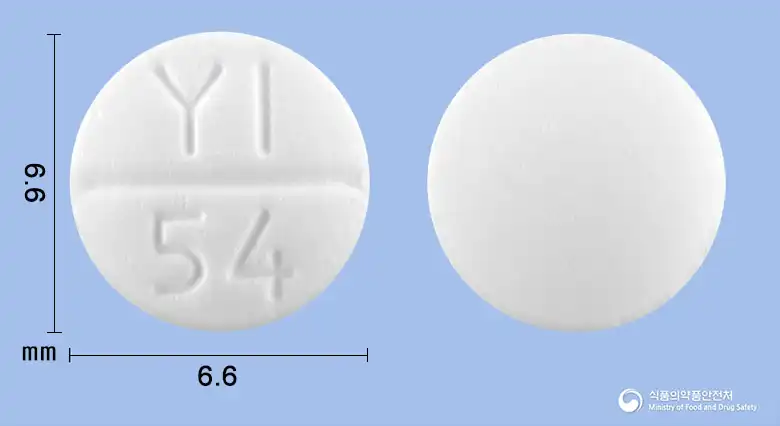
White round tablets
30 tablets/bottle, 500 tablets/bottle
Even with the same ingredient, strength, dosage form and how it is taken can differ.
Viewing nowHydrocortisone 10mg
Tablet · Prescription medication
Youngil Pharmaceutical Co., Ltd.
Hydrocortisone 10mg
Cream · OTC medication
Vivozon Pharmaceutical Co., Ltd.
Hydrocortisone 10mg
Tablet · Prescription medication
Vivozon Pharmaceutical Co., Ltd.
Hydrocortisone 5mg
OTC medication
Highple Life Sciences Co., Ltd.
Hydrocortisone 25mg
Lotion · OTC medication
Shinil Pharmaceutical Co., Ltd.
Hydrocortisone 10mg
Lotion · OTC medication
Shinil Pharmaceutical Co., Ltd.
Hydrocortisone 1g
Suspension · OTC medication
JW Pharmaceutical Co., Ltd.
Hydrocortisone 5mg
Tablet · Prescription medication
Vivozon Pharmaceutical Co., Ltd.
Even with the same ingredient, the dose and directions can differ by strength and dosage form. Talk to a doctor or pharmacist before switching from a medication you are already taking.
No questions yet.
For anything that needs medical judgment, consult a doctor or pharmacist.
This drug information is based on data provided by the Korea Ministry of Food and Drug Safety.
Consult a doctor or pharmacist for accurate dosage, administration, and usage instructions.