
 한국어
 English
 日本語
 中文(简体)
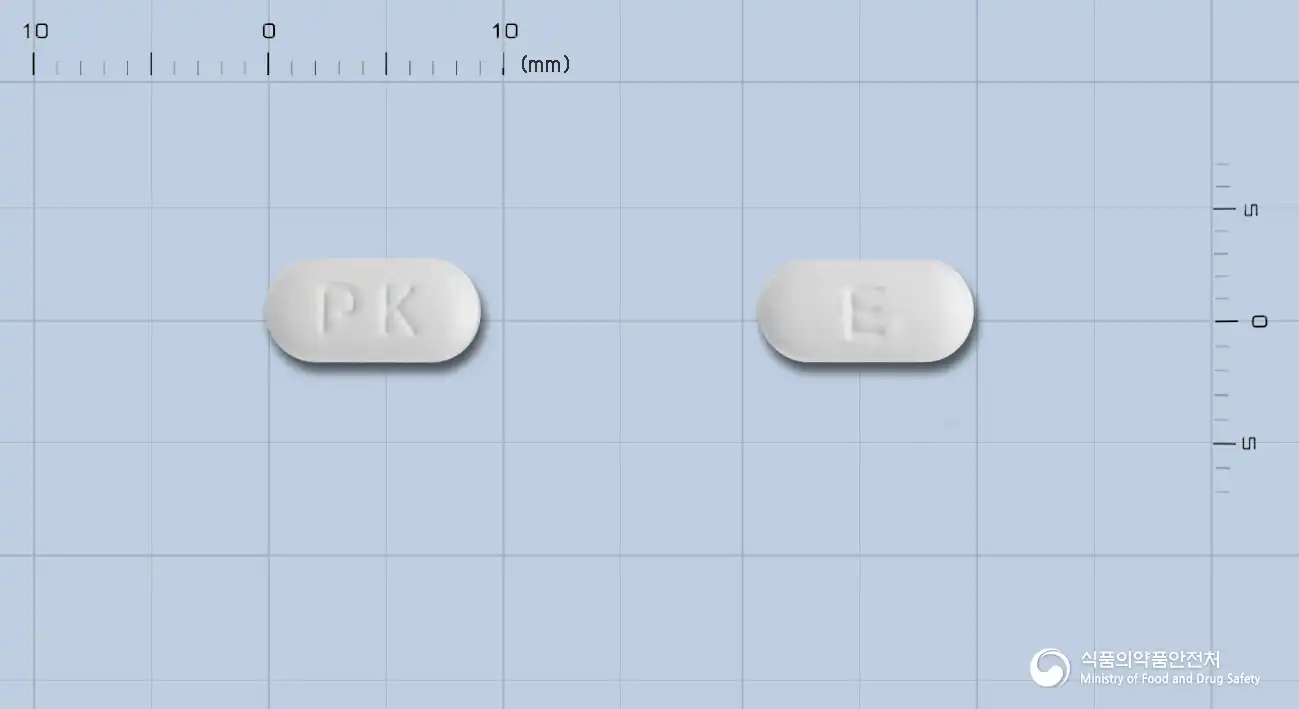 Viewing now
Mosavis Tablet (Mosapride Citrate Hydrate)
Mosapride Citrate Dihydrate 5.29mg
Tablet · Prescription medication
HanKook Pavis Pharmaceutical Co., Ltd.
MFDS item code 200700846 · Notified 2007.01.03 · Insurance code 621802110
Relief of gastrointestinal symptoms caused by functional dyspepsia (including heartburn and nausea, etc.)
Functional dyspepsia may cause gastrointestinal symptoms such as heartburn, nausea, and vomiting. This medication helps alleviate these gastrointestinal symptoms and improve stomach health. Patients may take this medication when experiencing heartburn or discomfort to effectively reduce symptoms. This medication also contributes to normalizing digestive function, which aids in alleviating nausea or vomiting. Overall, it is used to improve various gastrointestinal symptoms caused by functional dyspepsia.
Adults: The usual dose is 15 mg of anhydrous mosapride citrate per day, administered orally in 3 divided doses before or after meals.
This medication may cause adverse reactions such as diarrhea or loose stools, dry mouth, and fatigue during use. There is also a risk of serious liver problems such as fulminant hepatitis or jaundice due to effects on liver function; if liver function abnormalities are suspected, the medication should be stopped immediately and medical attention sought. Additionally, hypersensitivity reactions such as skin rashes, hives, and swelling may occur, and blood test results may show increased eosinophils or decreased white blood cells. Gastrointestinal symptoms such as abdominal bloating, nausea, vomiting, and taste disturbances have also been reported, requiring caution. This medication contains lactose and should not be used in patients with lactose intolerance or certain genetic metabolic disorders. If symptoms do not improve after more than 2 weeks of use, prolonged use is not recommended. The effectiveness of this medication may be reduced when taken with anticholinergics, so caution is advised when adjusting dosing intervals during co-administration. Pregnant women or those who may become pregnant should use this medication cautiously as its safety has not been established, and breastfeeding mothers are advised to avoid taking it or to stop breastfeeding if possible. The safety for use in children has not been confirmed, so it is better not to use in pediatric patients. Elderly patients may have reduced kidney and liver function and should be monitored, with dosage adjustments made as necessary. This medication should be stored out of reach of children and should not be transferred to other containers as this may compromise quality or increase the risk of accidents. Finally, animal experiments have shown an increased incidence of tumors in the liver and thyroid when this medication was administered at high doses for a long period; therefore, caution is advised for prolonged use.
Not everyone experiences these, and they can vary from person to person.
This medication should be stored in a tightly closed container to prevent air exposure, and the temperature should be maintained between 1 and 30 degrees Celsius at room temperature. This will help maintain the effectiveness of the medication.
White, elongated film-coated tablet
30 tablets/bottle, 500 tablets/bottle
Even with the same ingredient, strength, dosage form and how it is taken can differ.
Viewing nowMosapride Citrate Dihydrate 5.29mg
Tablet · Prescription medication
HanKook Pavis Pharmaceutical Co., Ltd.
Mosapride Citrate Dihydrate 5.29mg
Prescription medication
Daewoong Pharmaceutical Co., Ltd.
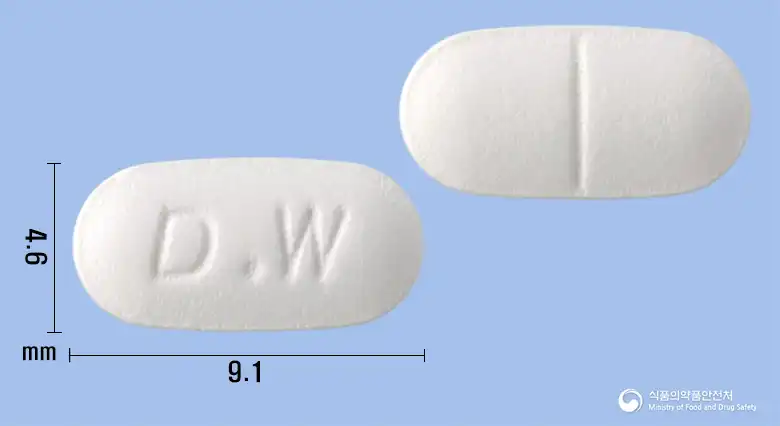
Mosapride Citrate Dihydrate 5.29mg
Tablet · Prescription medication
Daewoong Pharmaceutical Co., Ltd.
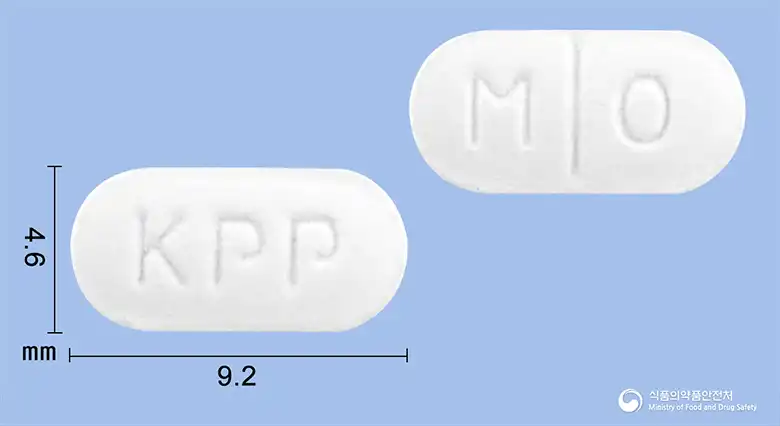
Mosapride Citrate Dihydrate 5.29mg
Tablet · Prescription medication
Korea Prime Pharmaceutical Co., Ltd.
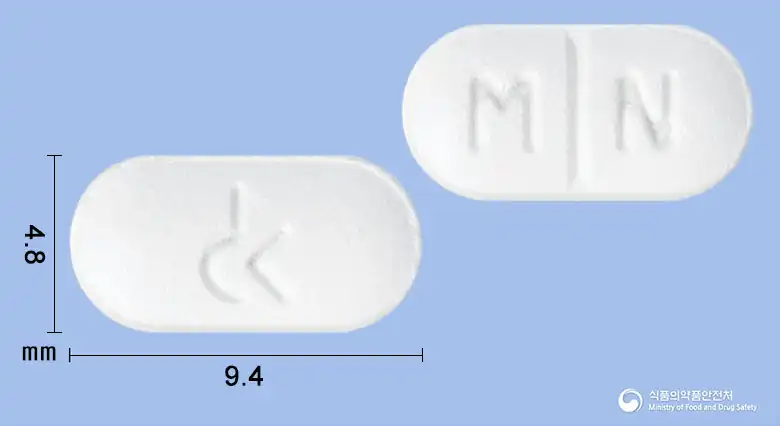
Mosapride Citrate Dihydrate 5.29mg
Tablet · Prescription medication
Dongkuk Pharmaceutical Co., Ltd.
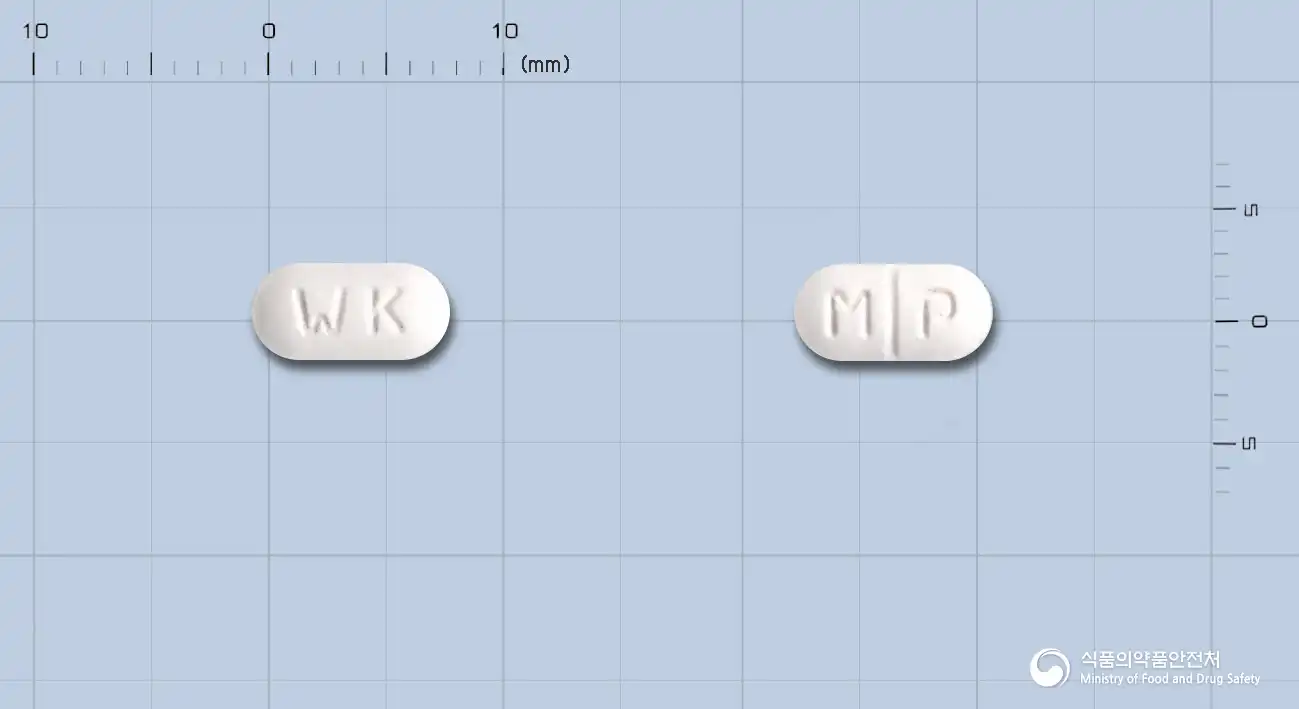
Mosapride Citrate Dihydrate 5.29mg
Tablet · Prescription medication
Austin Pharmaceutical Co., Ltd.
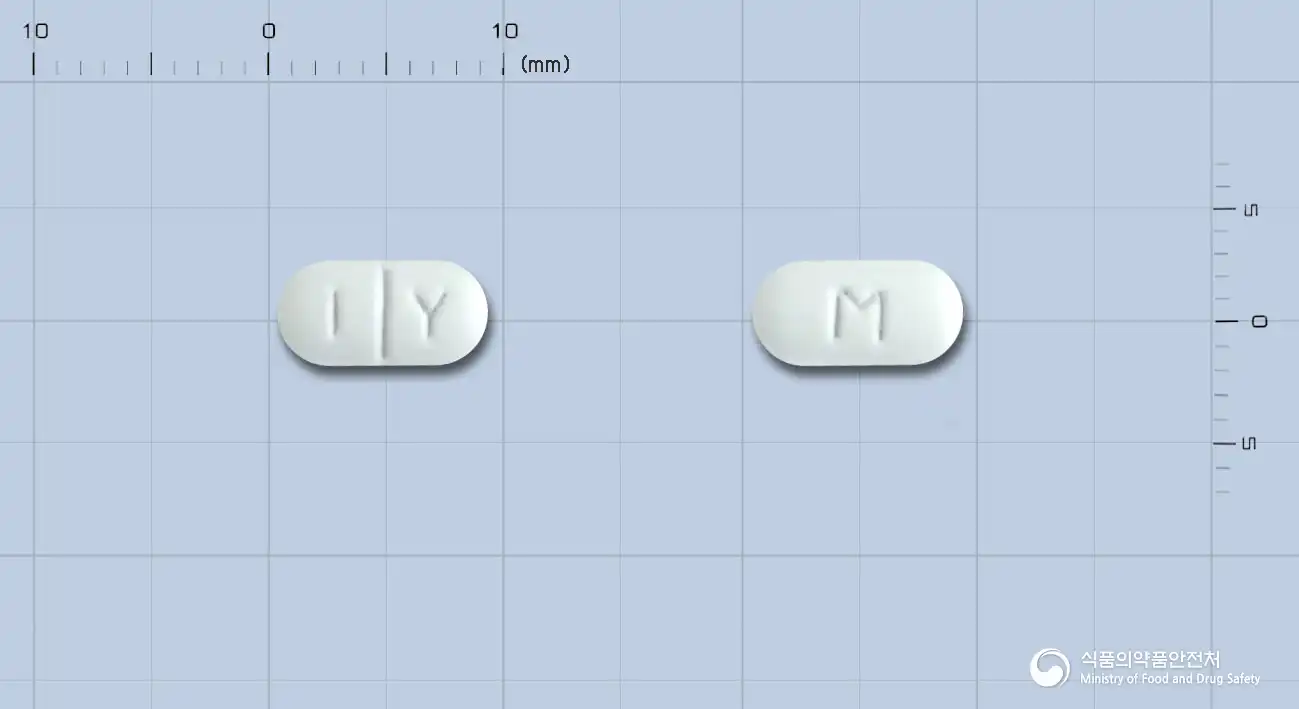
Mosapride Citrate Dihydrate 5.29mg
Tablet · Prescription medication
Il-Yang Pharmaceutical Co., Ltd.
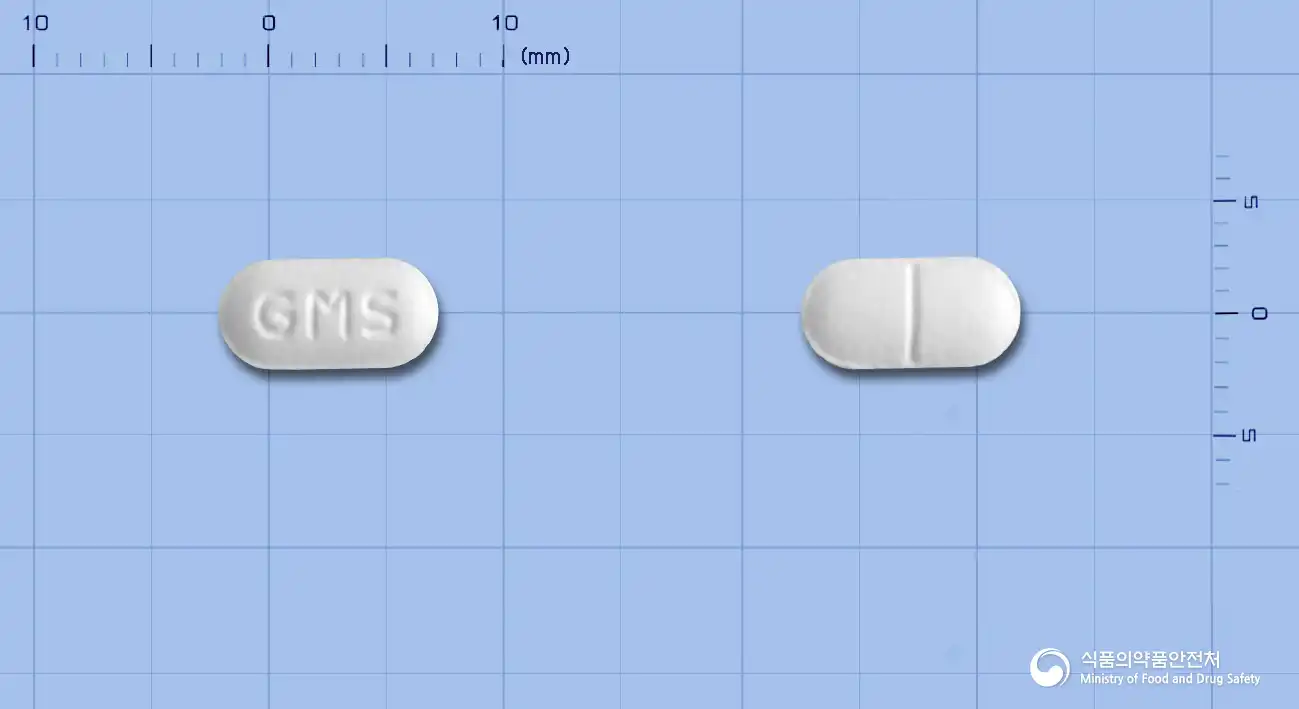
Mosapride Citrate Dihydrate 5.29mg
Tablet · Prescription medication
Kujoo Pharmaceutical Co., Ltd.
Even with the same ingredient, the dose and directions can differ by strength and dosage form. Talk to a doctor or pharmacist before switching from a medication you are already taking.
No questions yet.
For anything that needs medical judgment, consult a doctor or pharmacist.
This drug information is based on data provided by the Korea Ministry of Food and Drug Safety.
Consult a doctor or pharmacist for accurate dosage, administration, and usage instructions.