
 한국어
 English
 日本語
 中文(简体)
 Viewing now
Barium Tablet 5 mg (Diazepam)
Diazepam 5mg
Tablet · Prescription medication
GP Therapeutics Korea Co., Ltd.
MFDS item code 200700501 · Approved 2006.12.28 · Insurance code 057200130
Relief of anxiety, depression, and alcohol withdrawal symptoms; preanesthetic medication; adjunctive treatment of muscle spasms and absence seizures
This medication is used to relieve anxiety and tension caused by neurosis. It also helps improve anxiety, tension, and depressive symptoms associated with psychosomatic disorders such as gastrointestinal and circulatory diseases, autonomic nervous system disorders, and menopausal symptoms. It can be used as a pre-anesthetic medication to provide stability during surgery. It is effective in alleviating alcohol withdrawal symptoms, and it is also used as an adjunct in the treatment of skeletal muscle spasms and a type of epilepsy called absence seizures. Overall, it is used to improve various symptoms related to the nervous system.
○ Adults 1. Take 2-10㎎ of diazepam orally 2-4 times daily; for skeletal muscle spasm, administer 3-4 times daily. 2. Preanesthetic medication: Take 5-10㎎ of this medicine orally at bedtime or before surgery. 3. Alcohol withdrawal symptoms: Administer an initial dose of 10㎎ 3-4 times, then reduce to 5㎎ per dose and administer 3-4 times daily until needed. 4. Elderly and debilitated patients: Administer an initial dose of 2-2.5㎎ of this medicine 1-2 times daily, and gradually increase if needed. The lowest possible dose should be administered to elderly patients. 5. Patients with hepatic impairment: This medicine should not be administered to patients with severe hepatic impairment. The lowest possible dose should be administered to patients with mild or moderate hepatic impairment.
○ Children Start treatment at the lowest effective dose and increase as needed, but keep the treatment duration to a minimum. Administer an initial dose of 1-2.5㎎ of this medicine 3-4 times daily. The dosage range is 0.1-0.3㎎/kg daily, divided into 3-4 oral doses. Do not administer to infants 6 months of age or younger.
This medication should not be taken with alcohol or other central nervous system depressants as it can lead to severe drowsiness or significant impairment of respiratory and cardiac function. The concurrent use with narcotics can be very dangerous; therefore, it should only be used at the minimum effective dose and duration when absolutely necessary, and the patient's condition should be closely monitored. Patients with acute glaucoma, severe myasthenia gravis, those with allergies to this drug or similar drugs, severe respiratory distress, infants under 6 months, patients with sleep apnea syndrome, individuals with a history of alcohol or drug dependence, those with severe liver dysfunction, and people with genetic issues such as lactose intolerance should not take this medication. Caution should be exercised when administering this medication to patients with heart, liver, or kidney problems, brain damage, young children, elderly patients, those with moderate respiratory failure, or patients with depression, as side effects may be more pronounced. Long-term high-dose use of this medication can lead to dependence; if it is suddenly discontinued, withdrawal symptoms such as anxiety, insomnia, headaches, and muscle spasms may occur, so dosages should be reduced gradually under medical supervision. Drowsiness or dizziness may occur during treatment, making it advisable not to drive or operate machinery. If any mental abnormality symptoms appear, immediate consultation with a doctor is necessary. This medication may interact with several other drugs, so inform the physician or pharmacist if you are taking other medications, particularly if taking certain antibiotics, antifungals, antidepressants, narcotic pain relievers, or antihistamines. Women who are pregnant or may become pregnant should not take this medication, and nursing mothers should avoid it whenever possible. Elderly patients or young children may respond more sensitively to this medication, so starting with a lower dose and careful monitoring is advisable. In case of overdose, severe drowsiness, coma, or respiratory distress may occur, necessitating immediate medical attention.
Not everyone experiences these, and they can vary from person to person.
This medication may be sensitive to air or moisture; therefore, it must be stored in a tightly sealed container. Additionally, it is best to store at room temperature between 1 and 30 degrees Celsius. This will help maintain the drug's effectiveness and safety.
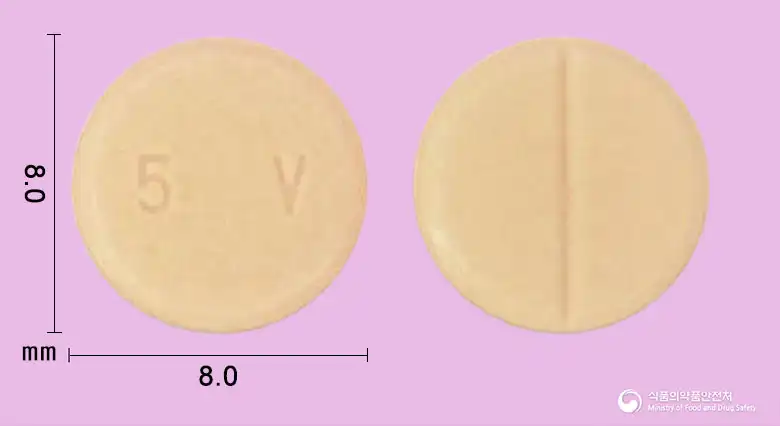
Light yellow round tablet
100 tablets (25 tablets/PTP packaging × 4)
Even with the same ingredient, strength, dosage form and how it is taken can differ.
Viewing nowDiazepam 5mg
Tablet · Prescription medication
GP Therapeutics Korea Co., Ltd.
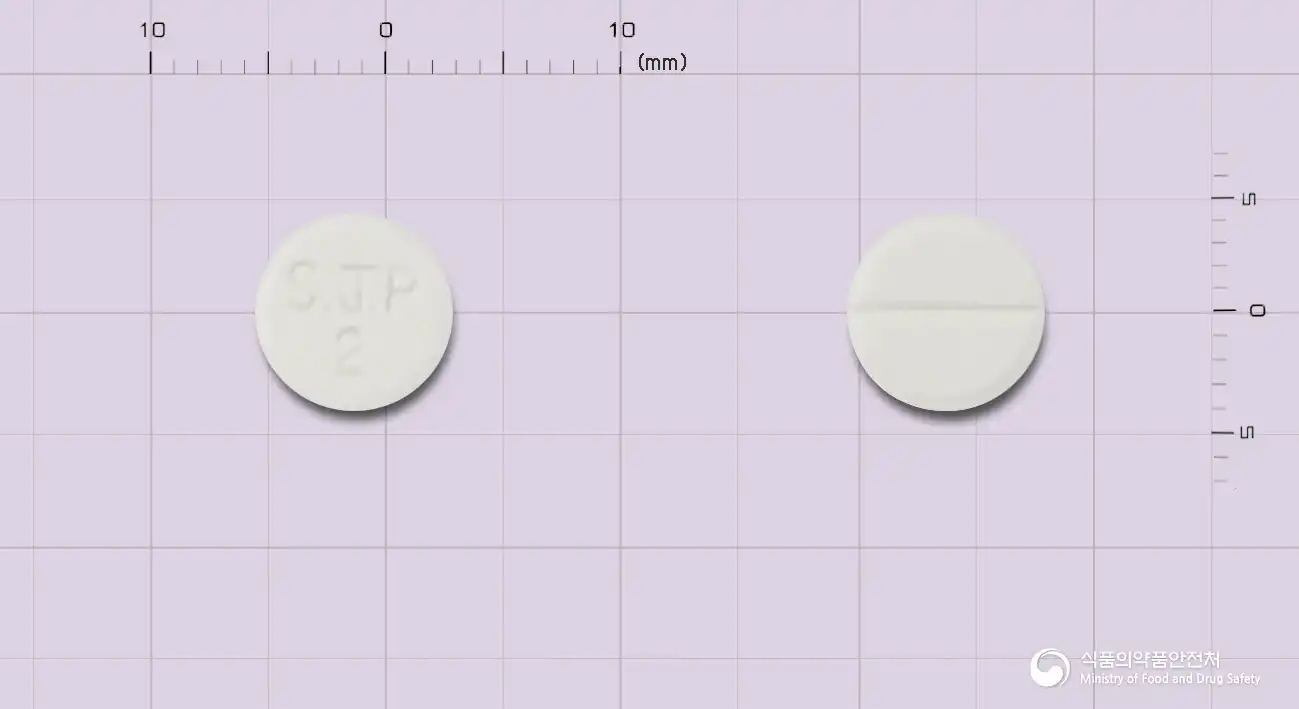
Diazepam 2mg
Tablet · Prescription medication
Samjin Pharmaceutical Co., Ltd.
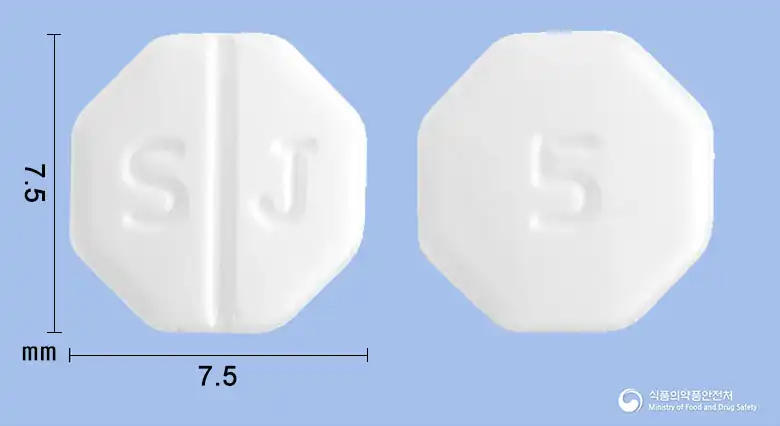
Diazepam 5mg
Tablet · Prescription medication
Samjin Pharmaceutical Co., Ltd.
Diazepam 5mg
Injections · Prescription medication
Dongwha Pharmaceutical Co., Ltd.
Diazepam 5mg
Injections · Prescription medication
Samjin Pharmaceutical Co., Ltd.
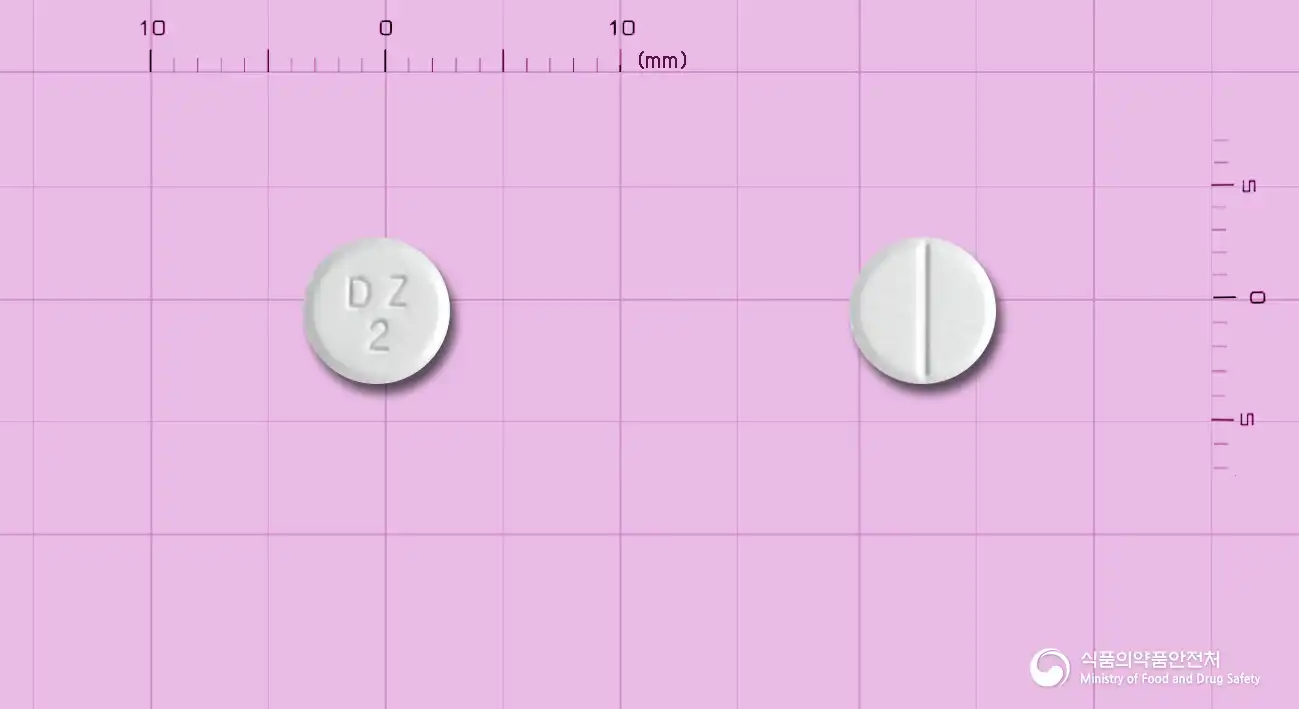
Diazepam 2mg
Tablet · Prescription medication
Myungin Pharmaceutical Co., Ltd.
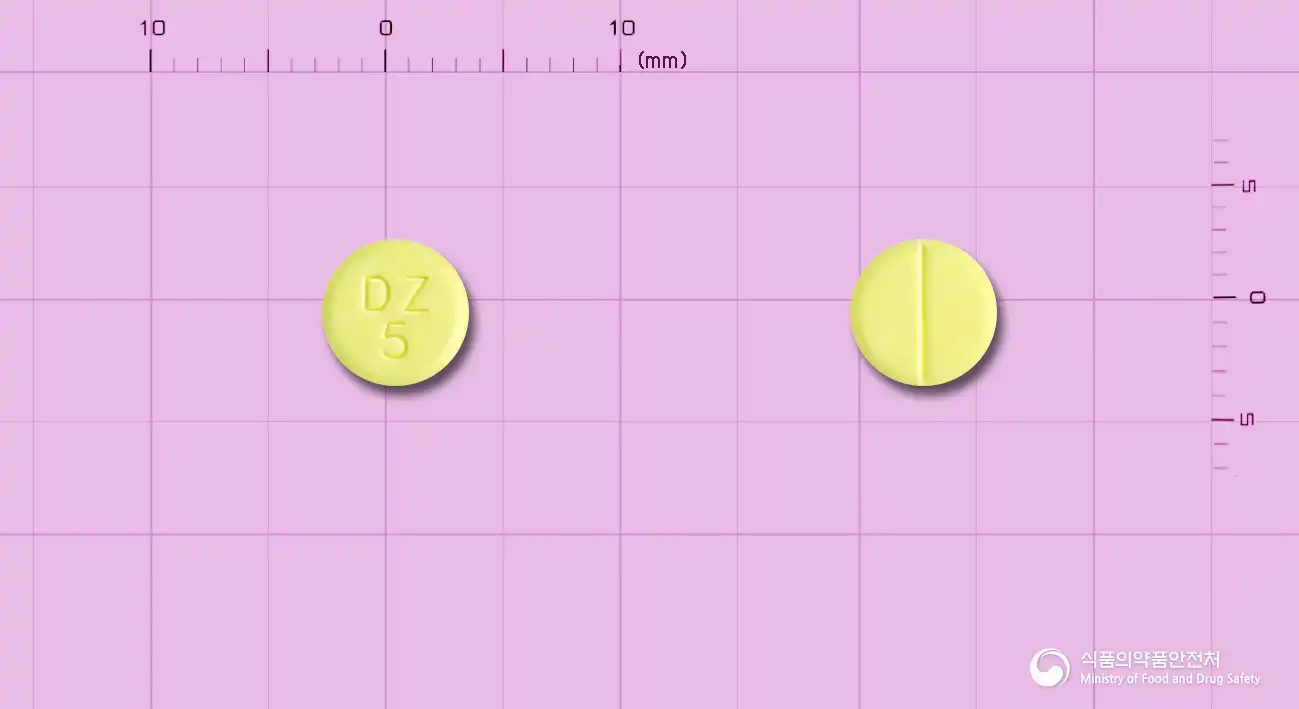
Diazepam 5mg
Tablet · Prescription medication
Myungin Pharmaceutical Co., Ltd.
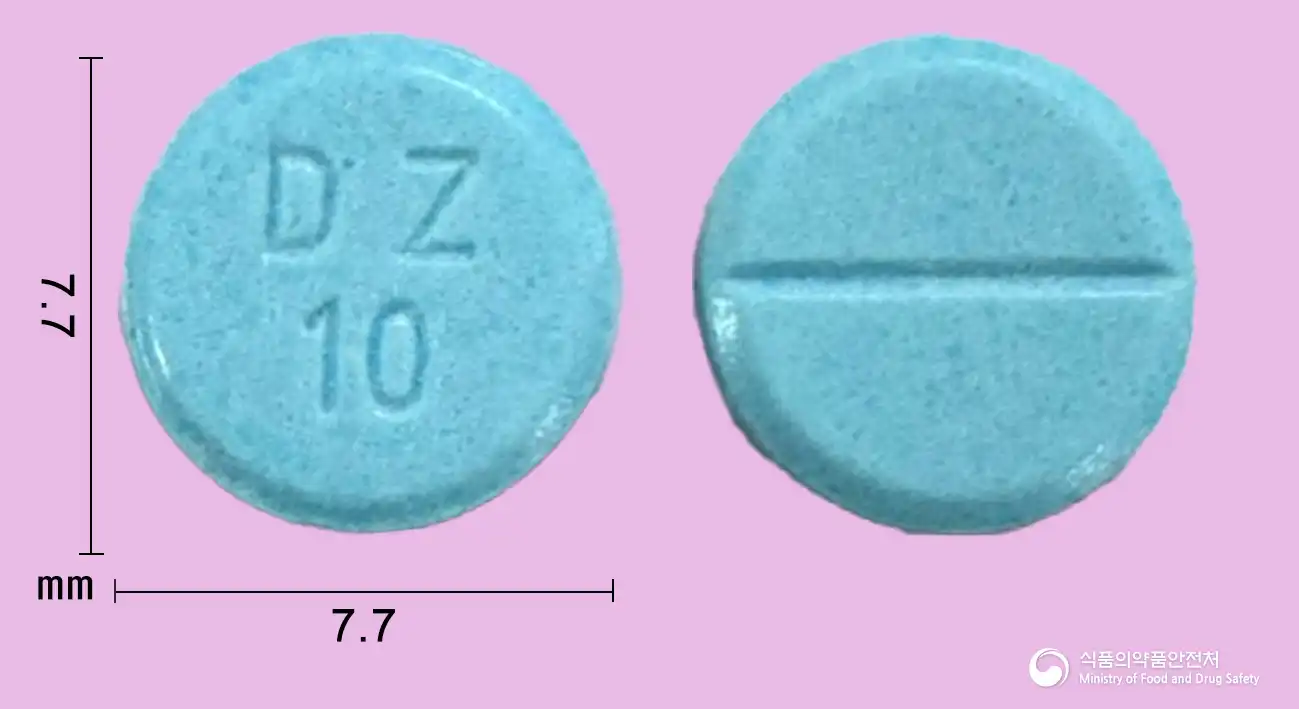
Diazepam 10mg
Tablet · Prescription medication
Myeongin Pharmaceutical Co., Ltd.
Even with the same ingredient, the dose and directions can differ by strength and dosage form. Talk to a doctor or pharmacist before switching from a medication you are already taking.
No questions yet.
For anything that needs medical judgment, consult a doctor or pharmacist.
This drug information is based on data provided by the Korea Ministry of Food and Drug Safety.
Consult a doctor or pharmacist for accurate dosage, administration, and usage instructions.