
 한국어
한국어 English
 日本語
日本語 中文(简体)
 Viewing now
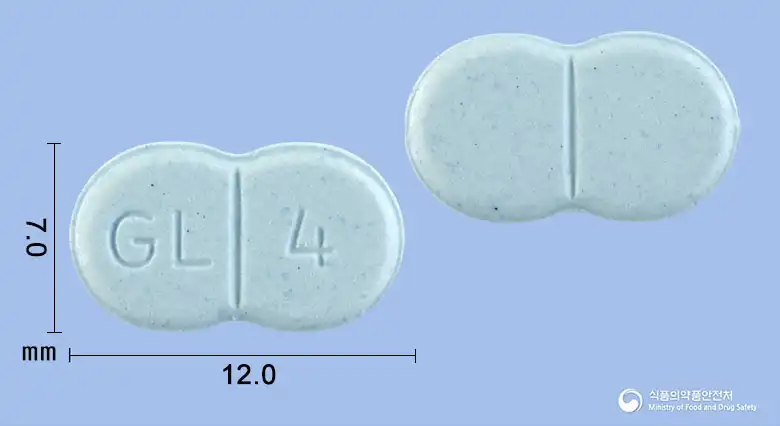
Glime tablets 4 mg (Glimepiride)
Glimepiride 4mg
Tablet · Prescription medication
Celltrion Pharmaceutical Co., Ltd.
MFDS item code 200612743 · Notified 2006.12.22 · Insurance code 693900090
Improvement of blood sugar control in type 2 diabetes
This medication is an adjunctive treatment used in conjunction with diet and exercise to help control blood sugar levels in patients with type 2 diabetes. It can be used alone or in combination with other antihyperglycemics or insulin in certain cases. For example, it can be used with insulin when blood sugar control with oral antihyperglycemics is insufficient. Furthermore, it can be combined with metformin when treatment with sulfonylureas or metformin alone is inadequate. This medication is used to improve blood sugar control in various ways.
Adjusted individually for each patient. Take without chewing with more than 1/2 cup of water. Administered orally once daily. Should be taken before breakfast or just prior to the first meal. 1. Monotherapy - Initial dose: For patients who have not previously received medication, start with 1 mg once daily. - Dosage can be increased by 1 mg at intervals of 1-2 weeks. - No additional effects are usually seen when administering over 4 mg, although some patients have shown better metabolic control with doses up to 6 mg (or 8 mg). If administration of 4 mg fails, consider switching to insulin therapy, and if not, consider combining with insulin or other oral diabetes medications.
This medication should not be used in patients with insulin-dependent diabetes, diabetic ketoacidosis, or in a comatose state. Patients who have had allergic reactions to this medication, its components, or sulfonylureas should also not be administered this drug. In patients with severely impaired liver or kidney function, it is recommended to switch to insulin therapy instead of this medication. Pregnant women or women who may become pregnant and breastfeeding women should not take this medication. Patients with severe infections, those undergoing surgery, or those who have sustained major trauma will require insulin therapy, and this medication should be used with caution. Patients with gastrointestinal disorders such as diarrhea or vomiting may experience inadequate food absorption, which increases the risk of hypoglycemia, thus caution is warranted. This medication contains lactose and should not be used in patients with genetic conditions such as galactose intolerance, lactase deficiency, or glucose-galactose malabsorption. During the first week of treatment, the risk of hypoglycemia is high, so careful monitoring is especially important, and patients who are malnourished, skip meals, or have irregular eating habits may also have an increased risk of hypoglycemia. There is also a risk of hypoglycemia during excessive exercise or changes in food intake, and alcohol consumption should be approached with caution. Patients with renal or hepatic impairment, the elderly, and those with certain endocrine disorders may react sensitively to this medication, and dose adjustments may be necessary. While taking this medication, potential drug interactions may occur, so all current medications should be disclosed to the healthcare provider or pharmacist. Symptoms of hypoglycemia may include severe hunger, headache, dizziness, confusion, drowsiness, or decreased consciousness, so if these symptoms occur, sugar should be consumed immediately, and medical consultation should be sought. Rare side effects may include visual disturbances, dyspepsia, liver function abnormalities, blood disorders, and allergic reactions, so any unusual symptoms should be reported to a physician immediately. This medication should be taken regularly, and dietary and exercise therapies should be followed. If blood sugar control is unstable, therapy methods should be adjusted in consultation with healthcare providers. Caution should be exercised, especially when driving or operating machinery due to the risk of accidents caused by hypoglycemia. It is safer to avoid this medication and switch to insulin therapy for pregnant or breastfeeding women. Children should not use this medication since safety and efficacy have not been confirmed. In the elderly, dose adjustments should be made carefully considering renal function decline. In cases of overdose, hypoglycemia may worsen, so immediate medical attention should be sought, and if hypoglycemic coma is suspected, glucose injection should be administered promptly. This medication should be kept out of reach of children and stored in its original container tightly sealed to maintain quality.
Headache, severe hunger, nausea, vomiting, fatigue, sleep disturbances, anxiety, aggression, decreased concentration, reduced agility or motivation, depression, confusion, speech abnormalities, aphasia, visual disturbances, tremors, mild paralysis, sensory disturbances, dizziness, weakness, loss of self-control, transient mental confusion, drowsiness, bradycardia, blurred vision, fullness or pressure in the upper abdomen, abdominal pain, diarrhea, increased liver enzymes, thrombocytopenia, leukopenia, hemolysis
Not everyone experiences these, and they can vary from person to person.
This medication must be stored in a tightly sealed container to avoid exposure to air or moisture. It is important to maintain a storage temperature between 1 degree and 30 degrees Celsius. This helps to preserve the medication's efficacy and safety.
Pale blue oblong tablets
30 tablets/bottle, 100 tablets/bottle
Even with the same ingredient, strength, dosage form and how it is taken can differ.
Viewing nowGlimepiride 4mg
Tablet · Prescription medication
Celltrion Pharmaceutical Co., Ltd.
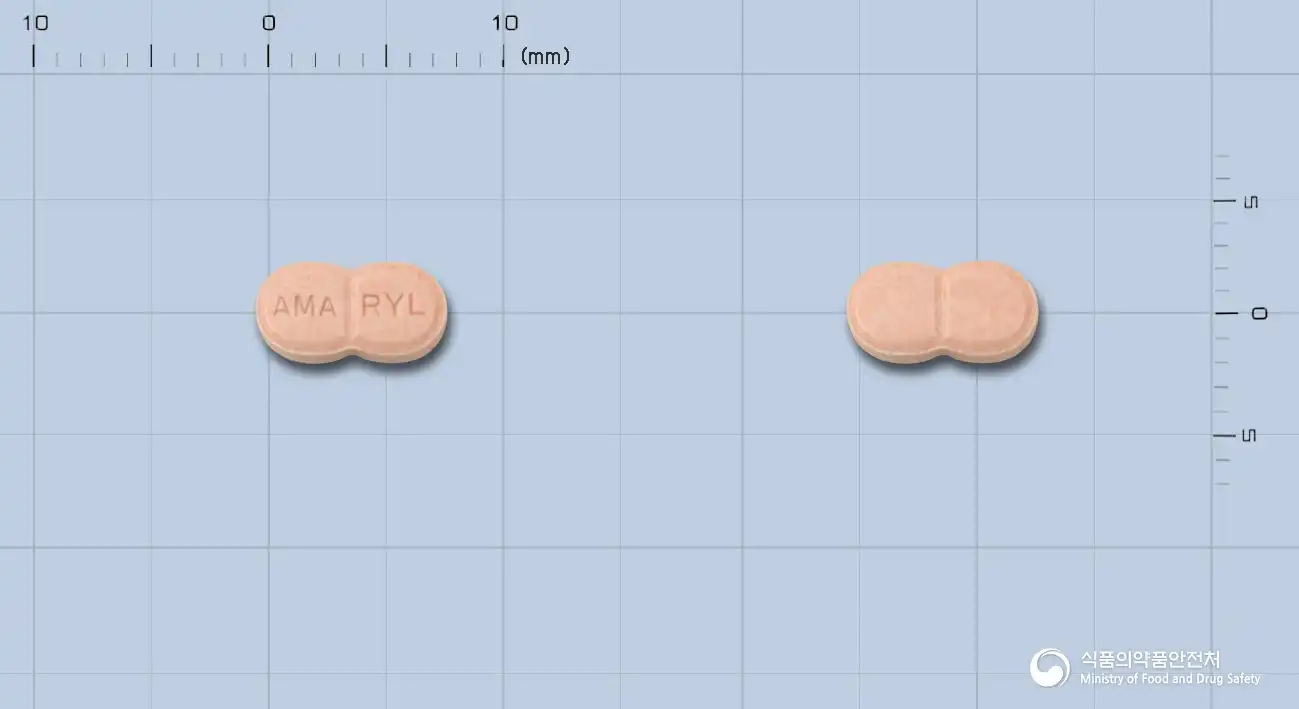
Glimepiride 1mg
Tablet · Prescription medication
Handok Co., Ltd.
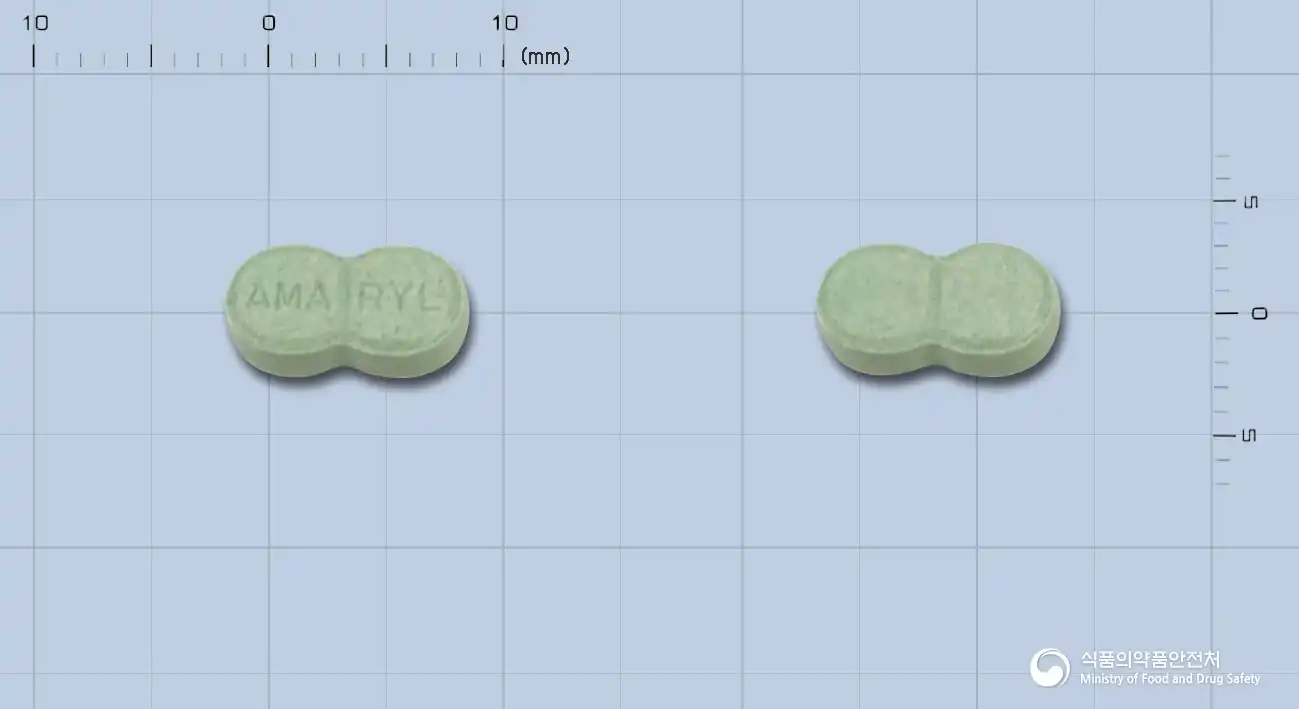
Glimepiride 2mg
Tablet · Prescription medication
Handok Co., Ltd.
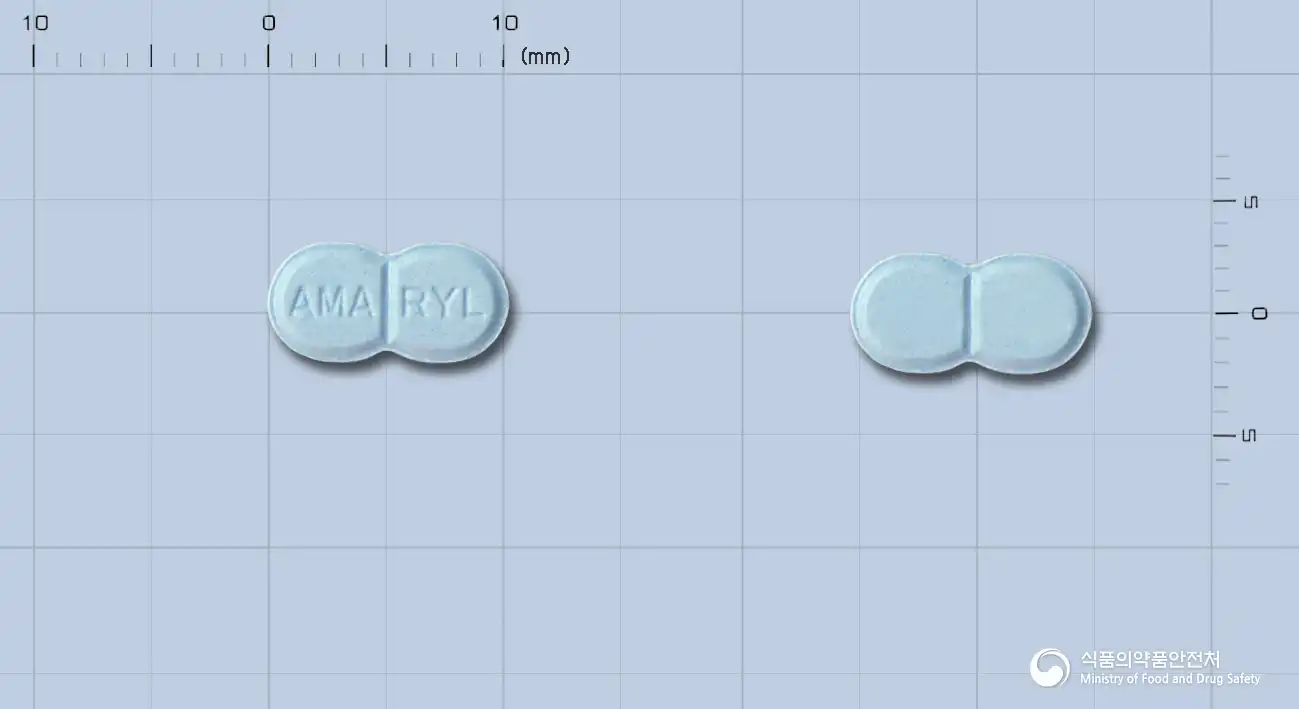
Glimepiride 4mg
Tablet · Prescription medication
(Hanmi Pharmaceutical Co., Ltd.)
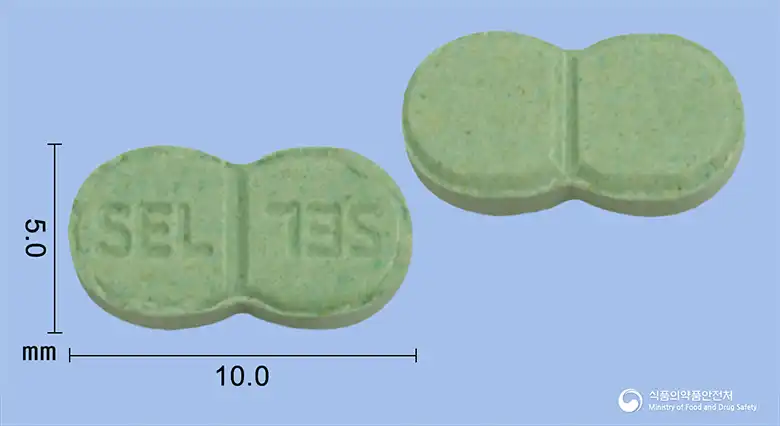
Glimepiride 2mg
Tablet · Prescription medication
Seoul Pharmaceutical Co., Ltd.
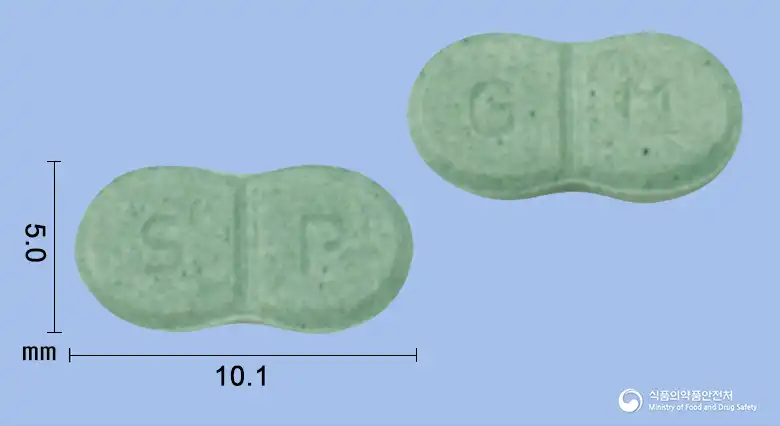
Glimepiride 2mg
Tablet · Prescription medication
Shinpoong Pharmaceutical Co., Ltd.
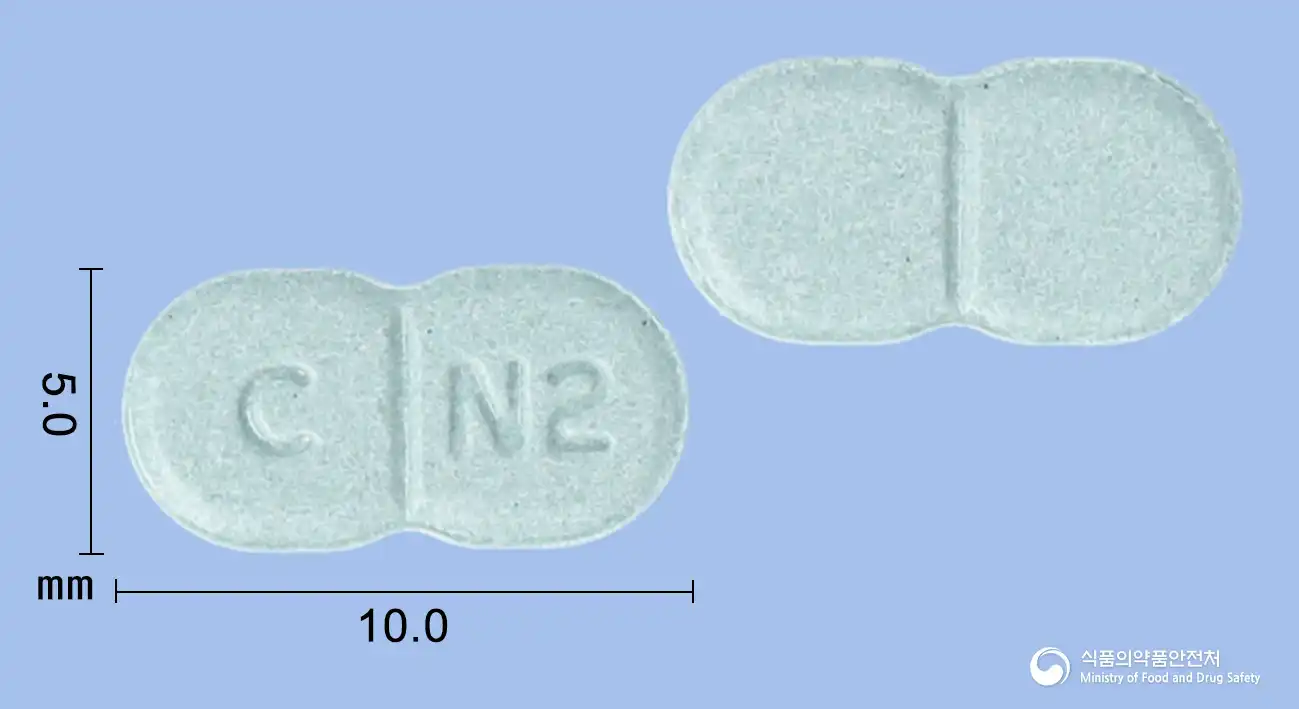
Glimepiride 2mg
Tablet · Prescription medication
Jongkundang Co., Ltd.
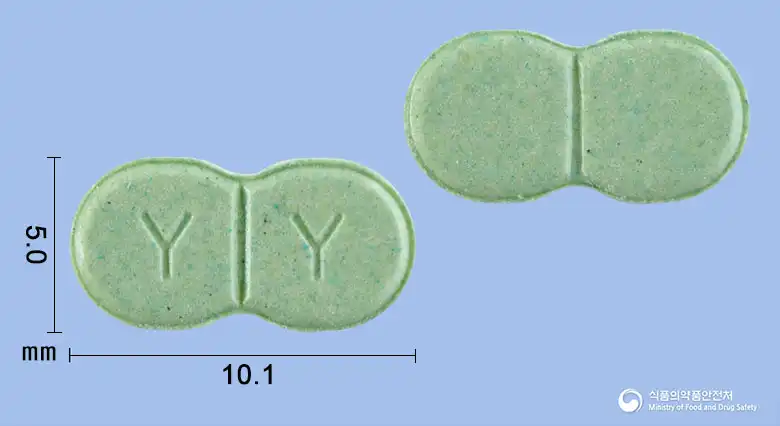
Glimepiride 2mg
Tablet · Prescription medication
IYun Pharmaceuticals Co., Ltd.
Even with the same ingredient, the dose and directions can differ by strength and dosage form. Talk to a doctor or pharmacist before switching from a medication you are already taking.
No questions yet.
For anything that needs medical judgment, consult a doctor or pharmacist.
This drug information is based on data provided by the Korea Ministry of Food and Drug Safety.
Consult a doctor or pharmacist for accurate dosage, administration, and usage instructions.