
 한국어
 English
 日本語
 中文(简体)
 Viewing now
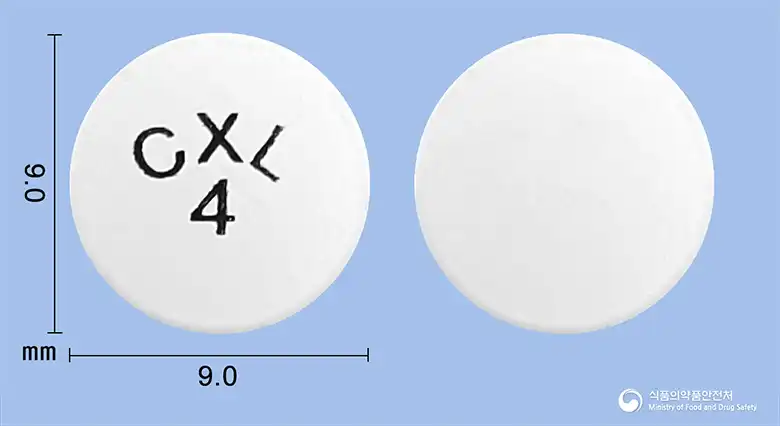
Cadura XL Sustained-Release Tablets 4mg (Doxazosin Mesylate)
Doxazosin Mesylate 5.093mg
Tablet · Prescription medication
Viatris Korea Co., Ltd.
MFDS item code 200612573 · Approved 2006.12.20 · Insurance code 073400060
Treatment of symptoms of benign prostatic hyperplasia (such as urinary obstruction) and hypertension
This medication is used for urinary obstruction and urination disorders due to hypertension and benign prostatic hyperplasia.
This medication may be administered with or without food. Swallow the tablet whole with plenty of water. 1. Hypertension Most patients are given 4 milligrams once daily. It may take up to 4 weeks to achieve the optimal effect of this medication. After 4 weeks of treatment, the dose may be increased to 8 milligrams once daily according to the patient's response. The maximum recommended daily dose is 8 milligrams. This medication may be used as monotherapy for blood pressure control. If blood pressure is not adequately controlled with monotherapy, this medication may be used in combination with a diuretic, beta-blocker, calcium antagonist, or ACE inhibitor. 2. Urinary obstruction and voiding dysfunction due to benign prostatic hyperplasia Most patients are given 4 milligrams once daily. The dose may be increased to 8 milligrams once daily according to the patient's response. The maximum recommended daily dose is 8 milligrams. This medication may be used in patients with prostatic hyperplasia, whether or not they have hypertension. In patients with both hypertension and benign prostatic hyperplasia, monotherapy may treat both conditions at the same time. As with other medications of this type, it is recommended that patients be monitored during the initial period of treatment. There are no studies demonstrating that increasing the dose to 8 milligrams increases efficacy. Elderly patients : The usual dose is recommended. Patients with renal impairment : The pharmacokinetics of doxazosin are not altered in patients with inadequate renal function, and there is no evidence that doxazosin worsens renal impairment. Therefore, the usual dose may be administered to these patients. There are no special restrictions on the duration of use.
This medication should be swallowed whole and not chewed or divided. It should not be used in patients with allergies to this drug, hypotension, bowel obstruction, esophageal blockage, gastrointestinal stenosis, chronic urinary tract infections, prostatic hyperplasia accompanied by bladder stones, nursing mothers, hyperactive bladder, anuria, or progressive renal failure. Caution should be exercised with patients who have heart disease or impaired liver function. While taking this medication, various side effects may arise such as dizziness, headache, abdominal pain, hypotension, orthostatic hypotension, myalgia, cough, itching, and urinary incontinence, and if any unusual symptoms occur, consultation with a doctor is necessary. Particularly, there is a risk of dizziness or fainting when starting treatment, so caution is needed when driving or operating machinery. It is advisable to inform healthcare professionals if taken in conjunction with other antihypertensive medications or certain antibiotics, antifungals, etc., as this may increase the risk of hypotension. During pregnancy, the safety of this medication has not been established, so it should be used with caution under a doctor's guidance, and during breastfeeding, administration should be avoided or breastfeeding should be interrupted. There is insufficient safety data for use in children; hence, it is advised not to use it. Elderly patients are at higher risk of hypotension and should use it with additional caution when taking it. In the event of an overdose, immediate help should be sought while lying down with the head lower, and this medication is not removed by dialysis. When storing, keep it out of reach of children and avoid transferring it to another container. Additionally, if undergoing cataract surgery, be sure to inform your ophthalmologist about taking this medication. If erection lasts longer than 4 hours, seek medical assistance immediately. There is no need to worry if empty tablets appear in stool during the use of this medication.
Not everyone experiences these, and they can vary from person to person.
This medication may be sensitive to air and moisture, so it should be stored in a tightly sealed container. It is recommended to maintain a storage temperature between 1 to 30 degrees Celsius at room temperature. This will help keep the drug's effects safely for an extended period.
White film-coated tablets that are round and biconvex, with a small hole on one side.
100 tablets (10 tablets/blister x 10)
Even with the same ingredient, strength, dosage form and how it is taken can differ.
Viewing nowDoxazosin Mesylate 5.093mg
Tablet · Prescription medication
Viatris Korea Co., Ltd.
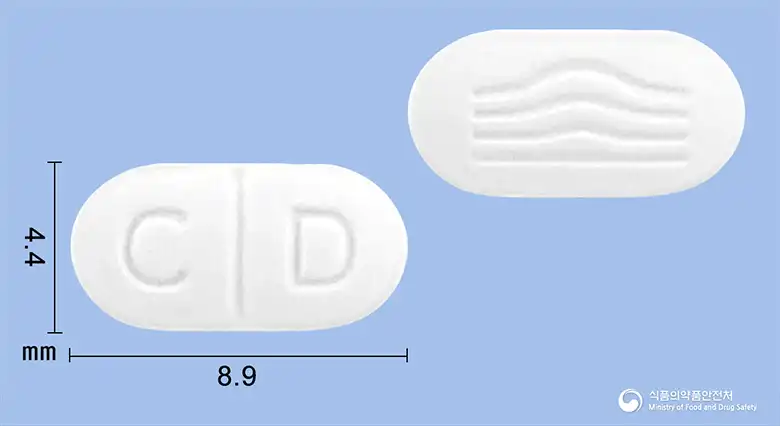
Doxazosin Mesylate 2.43mg
Tablet · Prescription medication
Baenex Co., Ltd.
Doxazosin Mesylate 2.43mg
Tablet · Prescription medication
Han All Bio Pharma Co., Ltd.
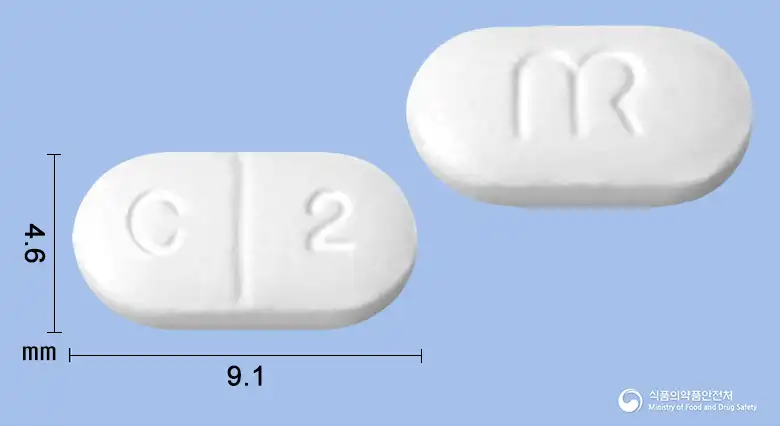
Doxazosin Mesylate 2.43mg
Tablet · Prescription medication
Mirae Bio Pharmaceutical Co., Ltd.
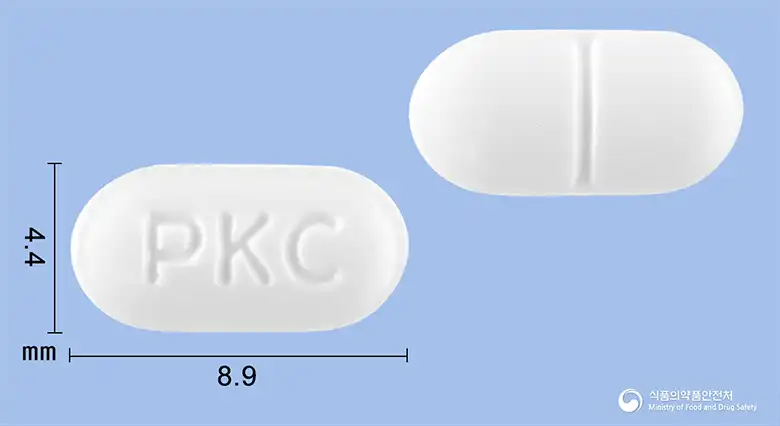
Doxazosin Mesylate 2.43mg
Tablet · Prescription medication
Korea Pavis Pharmaceuticals Co., Ltd.
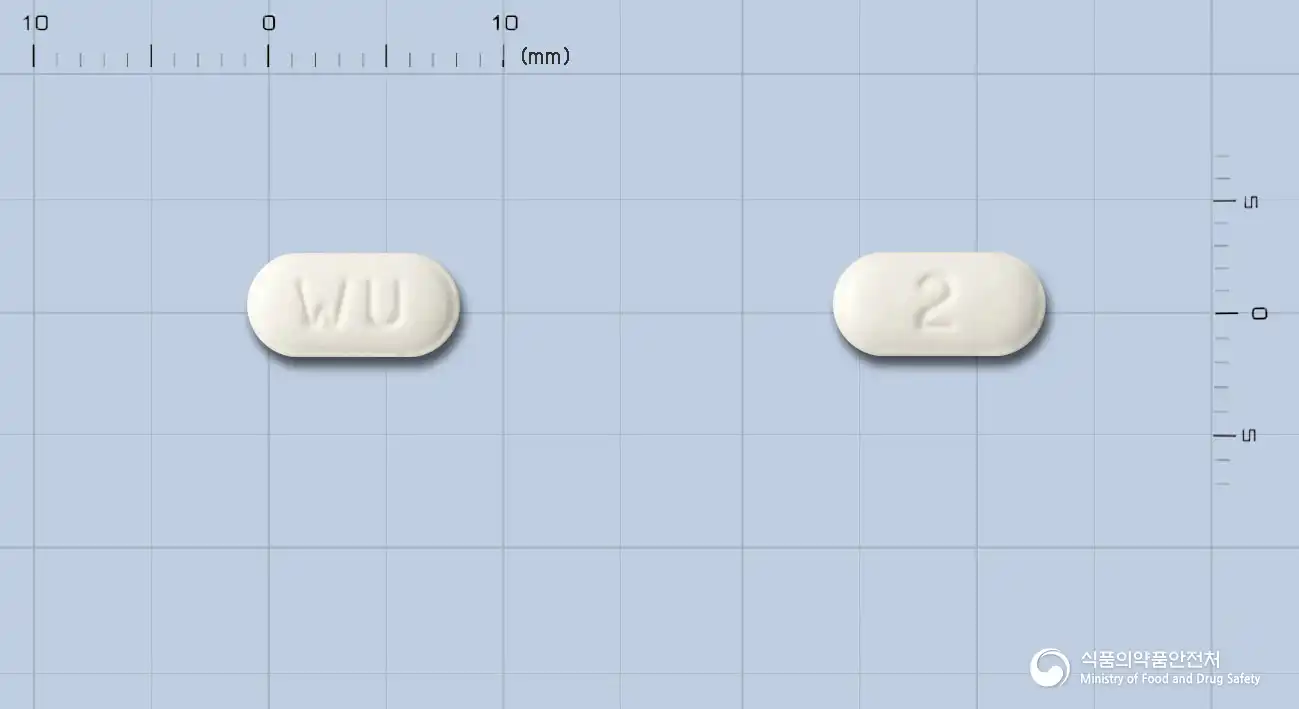
Doxazosin Mesylate 2.43mg
Tablet · Prescription medication
Withus Pharmaceutical Co., Ltd.
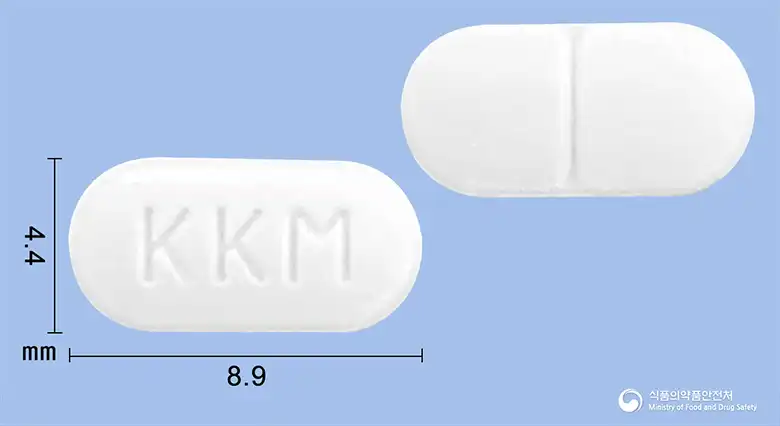
Doxazosin Mesylate 2.43mg
Tablet · Prescription medication
Genewon Science Co., Ltd.
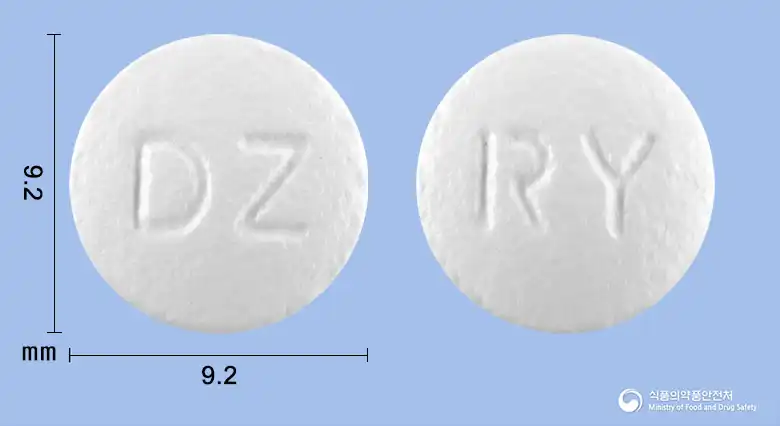
Doxazosin Mesylate 4.85mg
Tablet · Prescription medication
IYeon Pharmaceutical Co., Ltd.
Even with the same ingredient, the dose and directions can differ by strength and dosage form. Talk to a doctor or pharmacist before switching from a medication you are already taking.
No questions yet.
For anything that needs medical judgment, consult a doctor or pharmacist.
This drug information is based on data provided by the Korea Ministry of Food and Drug Safety.
Consult a doctor or pharmacist for accurate dosage, administration, and usage instructions.