
 한국어
한국어 English
 日本語
日本語 中文(简体)
 Viewing now
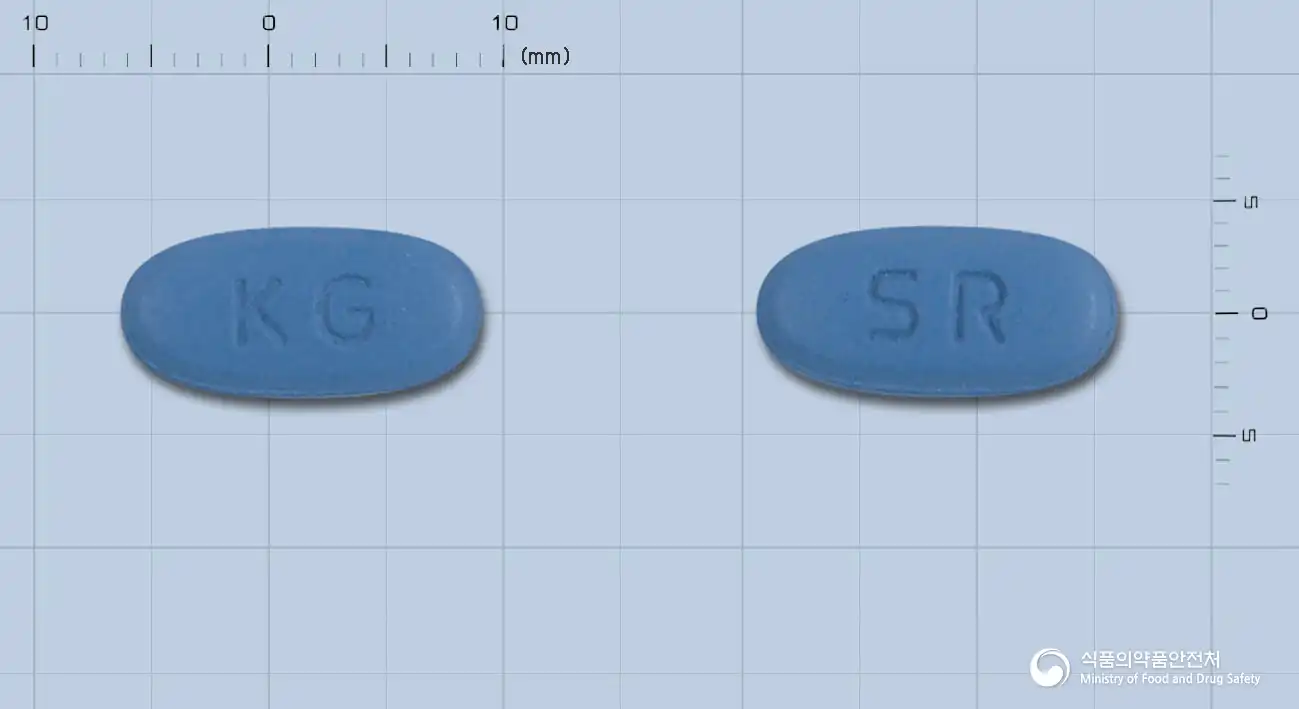
Gloscephalcer Extended Release Tablet 375 mg (Cefaclor Hydrate)
Cefaclor Hydrate 375mg
Tablet · Prescription medication
Kips Bio Pharma Co., Ltd.
MFDS item code 200611092 · Approved 2006.12.04 · Insurance code 693200400
Treatment of infections such as acute and chronic bronchitis and pharyngitis
This medication is used for the prevention and treatment of recurrent acute and chronic bronchitis, being effective against various bacteria such as Streptococcus pneumoniae, Influenza, and Parainfluenza. It is primarily used for pharyngitis and tonsillitis, and is also effective in treating bladder infections (lower urinary tract infections) and asymptomatic bacteriuria. It is utilized for various types of bacterial infections, including skin and soft tissue infections, making it widely used for respiratory infections, urinary tract infections, and skin infections.
Administer cefaclor hydrate orally at a dose of 375 mg (potency) twice daily. For the treatment of infections caused by Streptococcus pyogenes (Group A beta-hemolytic), this medication should be continued for more than 10 days. The tablet must be taken whole and should not be crushed, broken, or chewed. Adjust dosage according to age and symptoms. This medication can be taken orally regardless of meals; however, absorption may increase when taken with food.
This medication should not be used in patients who have previously experienced severe allergic reactions or shock from this drug or cephalosporin antibiotics. Caution is also advised in patients with allergies to penicillin, or those whose family members have frequent asthma or skin allergy symptoms, patients with severely impaired renal function, the elderly, and malnourished patients. Severe allergic reactions, skin disorders, blood abnormalities, liver or kidney function impairment, gastrointestinal issues, respiratory problems, central nervous system symptoms may rarely occur upon administration of this medication; therefore, symptoms should be immediately discussed with a doctor. To prevent the emergence of resistant bacteria, it is crucial to confirm the drug’s effectiveness against the infecting organism and administer it only for the necessary duration. This medication may interact with other drugs, so caution is needed when taken with anticoagulants, antacids, diuretics, oral contraceptives, etc. Women who are pregnant or breastfeeding should carefully consider the risks and benefits of using this medication, as it may be present in breast milk in small amounts. Safety and efficacy in pediatric patients have not been adequately established, necessitating caution during use. Elderly patients may experience more pronounced side effects due to diminished bodily functions; dosing and intervals should be adjusted, and careful monitoring is required. Some urine tests may produce false-positive results while on this medication, so care must be taken in interpreting test results. In case of overdose, symptoms such as vomiting, diarrhea, and abdominal discomfort may appear, and in severe cases, prompt medical attention may be needed. This medication works by interfering with bacterial cell wall synthesis, thus killing the bacteria.
Shock, urticaria, edema, dyspnea, angioedema, Stevens-Johnson syndrome, toxic epidermal necrolysis, liver abnormalities (jaundice), acute renal failure, seizures, reversible interstitial nephritis, severe colitis with bloody diarrhea, asthma, dyspnea, interstitial pneumonia requiring corticosteroid treatment, eosinophilic pulmonary infiltrates, severe renal impairment, severe allergic reactions, severe skin reactions, respiratory issues, liver abnormalities (jaundice), serious neurological symptoms
Generalized flushing, vasodilation, rash, itching, fever, lymphadenopathy, arthralgia, serum sickness-like reaction, hematologic abnormalities (agranulocytosis, granulocytopenia, pancytopenia, anemia, thrombocytopenia, eosinophilia, lymphocytosis, leukopenia, aplastic anemia, hemolytic anemia, reversible neutropenia), hepatitis, increased AST, ALT, ALP, elevated BUN, increased serum creatinine, nausea, vomiting, diarrhea, abdominal pain,
Not everyone experiences these, and they can vary from person to person.
Store this medication in a tightly sealed container to prevent air or moisture ingress. Additionally, it is advisable to keep it at room temperature, neither too hot nor too cold, ideally between 1°C and 30°C.
Blue rectangular extended-release tablet
30 tablets/bottle, 100 tablets/bottle
Even with the same ingredient, strength, dosage form and how it is taken can differ.
Viewing nowCefaclor Hydrate 375mg
Tablet · Prescription medication
Kips Bio Pharma Co., Ltd.

Cefaclor Hydrate 250mg
Hard capsule · Prescription medication
Ildong Pharmaceutical Co., Ltd.
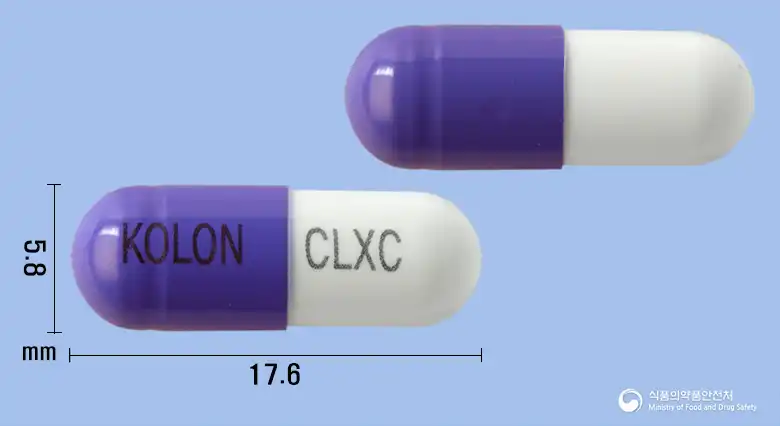
Cefaclor Hydrate 250mg
Hard capsule · Prescription medication
Kolon Pharmaceutical Co., Ltd.
Cefaclor Hydrate 3.75g
Syrup · Prescription medication
Youngjin Pharmaceutical Co., Ltd.
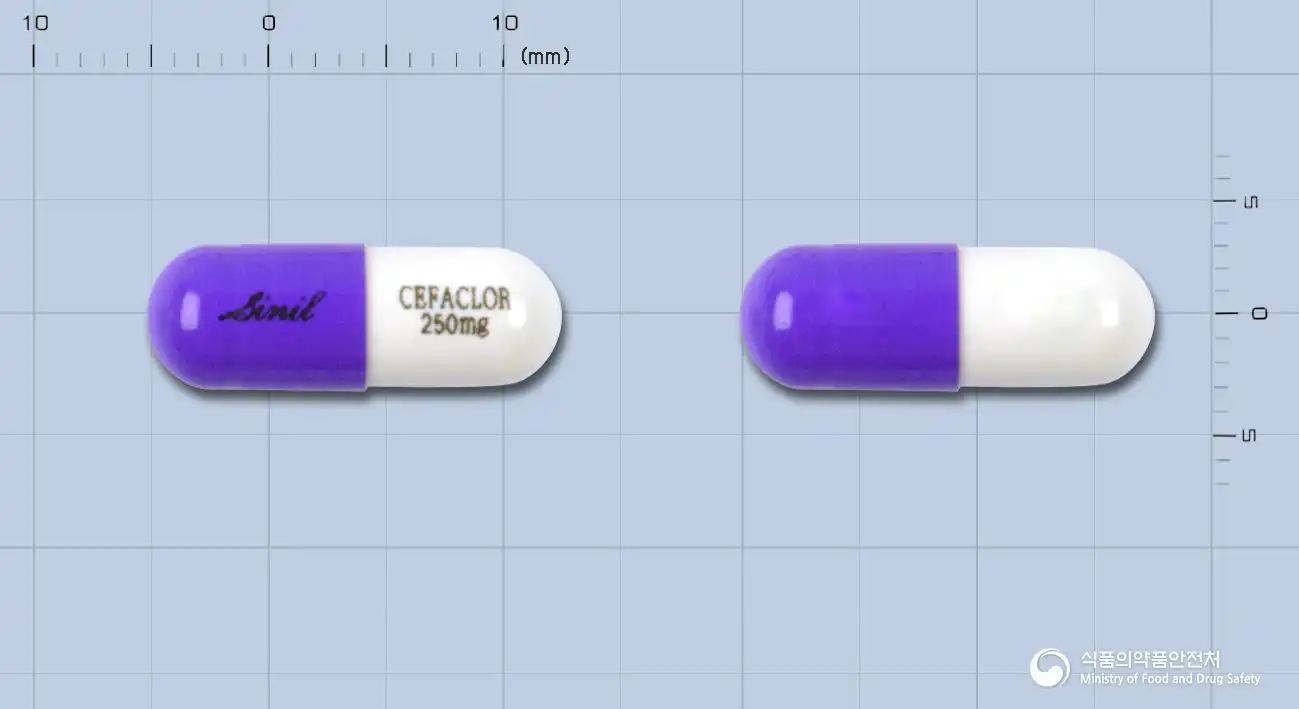
Cefaclor Hydrate 250mg
Hard capsule · Prescription medication
Shinil Pharmaceutical Co., Ltd.
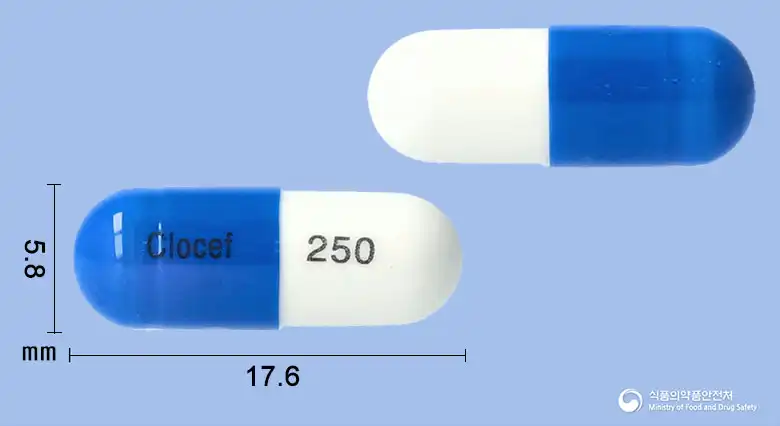
Cefaclor Hydrate 250mg
Hard capsule · Prescription medication
Hanmi Pharmaceutical Co., Ltd.
Cefaclor Hydrate 2.5g
Syrup · Prescription medication
Hanmi Pharmaceutical Co., Ltd.
Cefaclor Hydrate 3.75g
Syrup · Prescription medication
Shinpoong Pharmaceutical Co., Ltd.
Even with the same ingredient, the dose and directions can differ by strength and dosage form. Talk to a doctor or pharmacist before switching from a medication you are already taking.
No questions yet.
For anything that needs medical judgment, consult a doctor or pharmacist.
This drug information is based on data provided by the Korea Ministry of Food and Drug Safety.
Consult a doctor or pharmacist for accurate dosage, administration, and usage instructions.