
 한국어
 English
 日本語
 中文(简体)
Dosage form image
Viewing nowTenuate Tablet (Diethylpropion Hydrochloride)
Diethylpropion Hydrochloride 25mg
Tablet · Prescription medication
Albozen Korea Co., Ltd.
MFDS item code 200610872 · Approved 2006.08.03
This product's status changed to Expired on 2025.10.01. It may no longer be sold, so consult a doctor or pharmacist before taking it.
Short-term adjunctive treatment for weight loss in patients with obesity
This medication is used as an adjunct therapy to assist in short-term weight reduction in obese patients whose body mass index (BMI) is 30 or more, or who have a BMI of 27 or higher with risk factors such as hypertension, diabetes, or dyslipidemia, despite appropriate dietary and exercise regimens. It should be used alone without combining with other appetite suppressants, and it supports a weight loss program based on calorie restriction. The body mass index is calculated by dividing weight (kg) by the square of height (m), which is used to evaluate obesity. This medication is utilized to improve weight management in patients with a high body mass index.
Adults: Administer 25 mg of diethylpropion hydrochloride orally per dose, 3 times daily, 1 hour before meals. The maximum daily dose is 75 mg, and the last dose should be taken no later than 4 hours before bedtime. To minimize the potential for abuse, prescribe or dispense the lowest possible dose during the initial period (within 2 weeks), and adjust individually to obtain an adequate response. This product should be administered for a short period (within 4 weeks). However, to reduce inappropriate use and risks associated with this product, treatment may be continued if the patient achieves satisfactory weight loss within the first 4 weeks (weight loss of at least 1.8 kg or weight loss considered satisfactory by both the physician and the patient).
This medication should not be used with other appetite suppressants and must only be used alone for a short duration for weight management purposes. In particular, combined use with selective serotonin reuptake inhibitors is not recommended as safety and efficacy have not been established. Appetite suppressants have limited effects on weight loss, thus they must be prescribed cautiously, and if the effectiveness diminishes, the dosage should not be increased, and use should be discontinued. Long-term use may lead to drug abuse or dependence, so it is strictly prohibited. If psychological dependence develops, the drug should be tapered off gradually, as sudden discontinuation can cause severe fatigue, depression, and changes in electroencephalogram. Rarely, a serious condition known as pulmonary hypertension may occur, so if symptoms such as angina, fainting, leg swelling, or difficulty breathing appear, use should be stopped immediately and a specialist should be consulted. Also, there may be a risk of heart diseases such as valvular heart disease, thus cardiac examinations may be necessary before and during treatment. This medication should not be administered to patients with certain medical conditions, those taking other medications, children under 16 years, pregnant women, or elderly individuals with impaired kidney function. During use, various side effects such as insomnia, anxiety, dizziness, dry mouth, and blood pressure changes may occur, so if any unusual symptoms appear, consultation with a healthcare professional should be sought. This medication affects the central nervous system, so caution is needed when driving or operating hazardous machinery. Moreover, there are many drug interactions; if other medications are being taken, it is essential to inform the healthcare provider, especially if undergoing general anesthesia. During pregnancy, it should only be used if absolutely necessary, considering the risks to the fetus, and it is advisable to avoid use while breastfeeding. In cases of overdose, serious issues may arise concerning the nervous system and heart, thus immediate medical attention is required. Finally, this medication is classified as a controlled substance and carries a risk of abuse and dependence, so it should be used exactly as directed by a physician.
Not everyone experiences these, and they can vary from person to person.
This medication should be stored in a tightly sealed container to prevent air or moisture from entering and is best kept at room temperature between 1 degree and 30 degrees Celsius. Storing it this way helps maintain the medication's effectiveness for a long time.
White to pale yellow hexagonal tablet
30 tablets/bottle, 300 tablets/bottle
Even with the same ingredient, strength, dosage form and how it is taken can differ.
Diethylpropion Hydrochloride 25mg
Tablet · Prescription medication
Albozen Korea Co., Ltd.
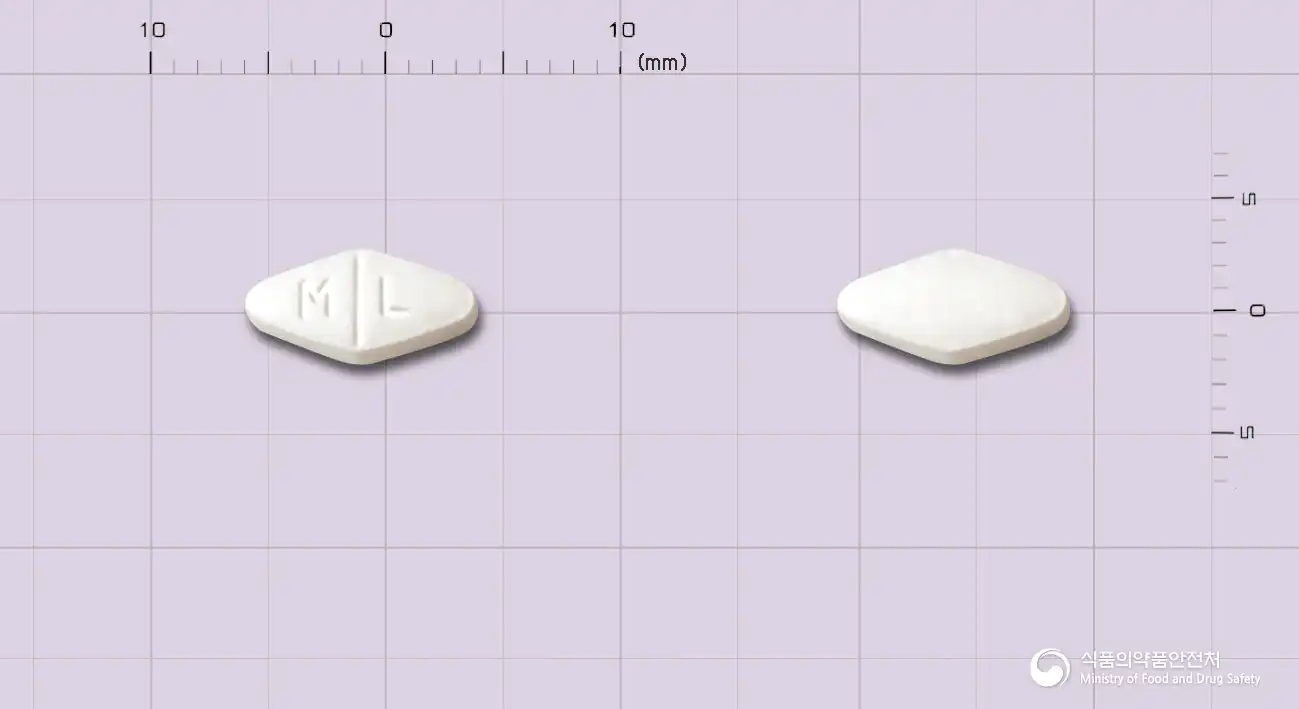
Diethylpropion Hydrochloride 25mg
Tablet · Prescription medication
Bionex Co., Ltd.
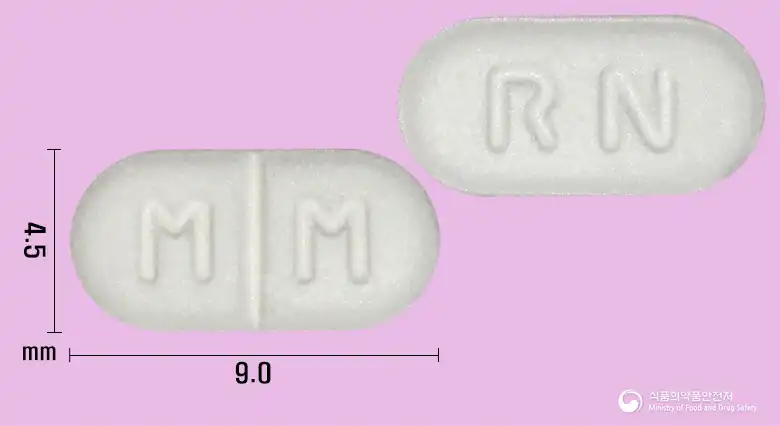
Diethylpropion Hydrochloride 25mg
Tablet · Prescription medication
Myungmoon Pharmaceutical Co., Ltd.
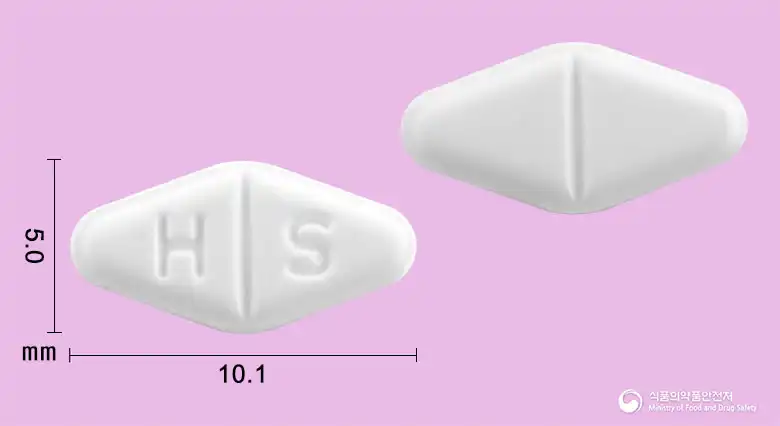
Diethylpropion Hydrochloride 25mg
Tablet · Prescription medication
Huons Co., Ltd.
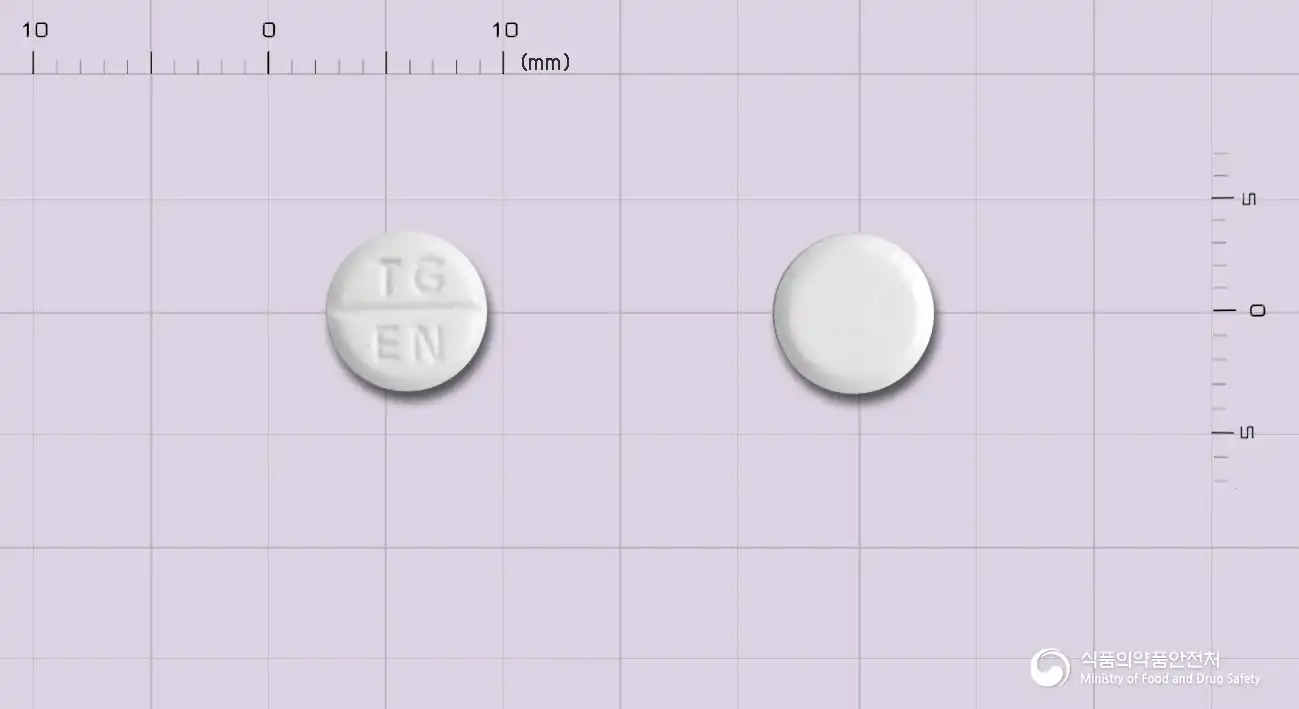
Diethylpropion Hydrochloride 25mg
Tablet · Prescription medication
Taegeuk Pharmaceutical Co., Ltd.
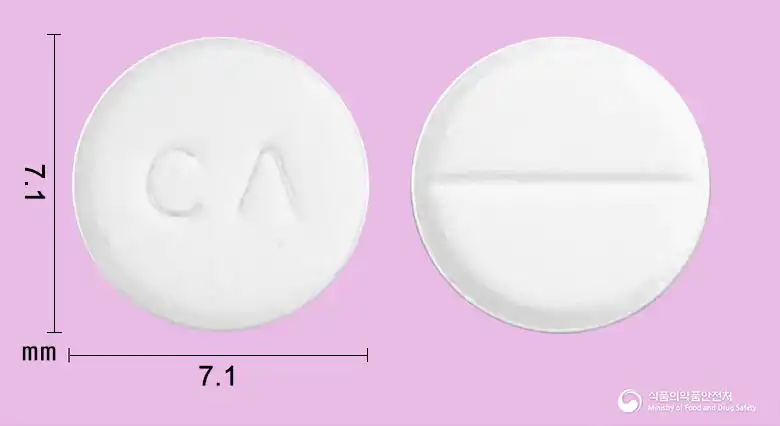
Diethylpropion Hydrochloride 25mg
Tablet · Prescription medication
Joah Pharmaceutical Co., Ltd.
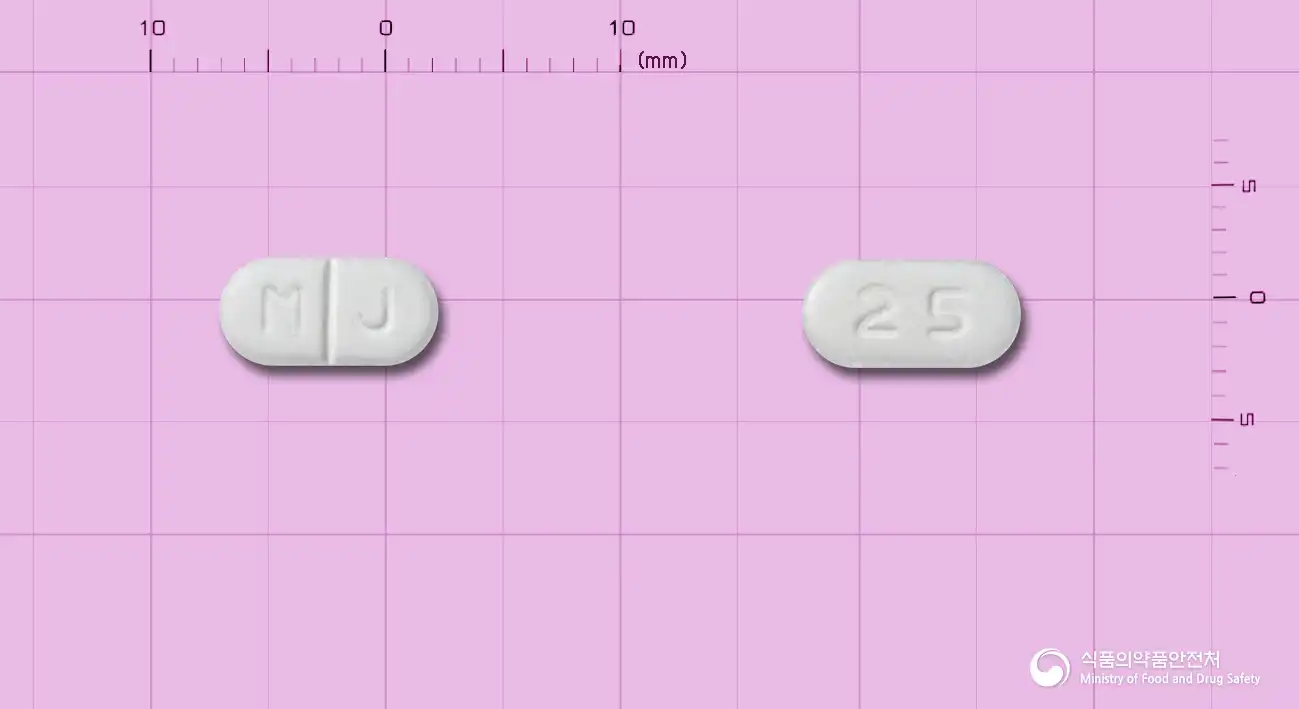
Diethylpropion Hydrochloride 25mg
Tablet · Prescription medication
Mothers Pharmaceutical Co., Ltd.
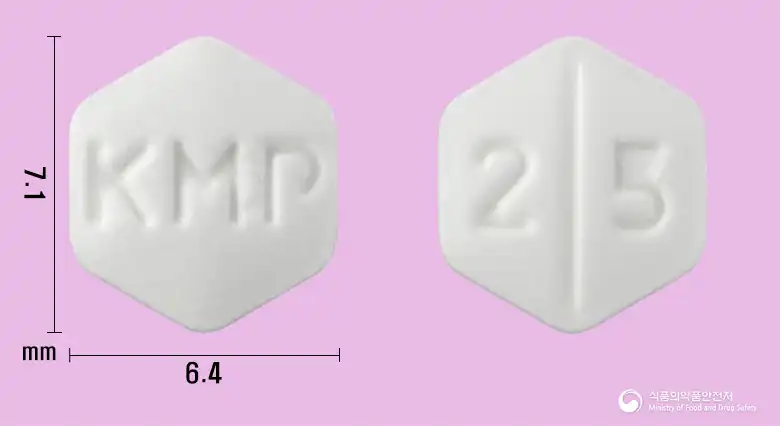
Diethylpropion Hydrochloride 25mg
Tablet · Prescription medication
Genupharm Co., Ltd.
Even with the same ingredient, the dose and directions can differ by strength and dosage form. Talk to a doctor or pharmacist before switching from a medication you are already taking.
No questions yet.
For anything that needs medical judgment, consult a doctor or pharmacist.
This drug information is based on data provided by the Korea Ministry of Food and Drug Safety.
Consult a doctor or pharmacist for accurate dosage, administration, and usage instructions.