
 한국어
 English
 日本語
 中文(简体)
 Viewing now
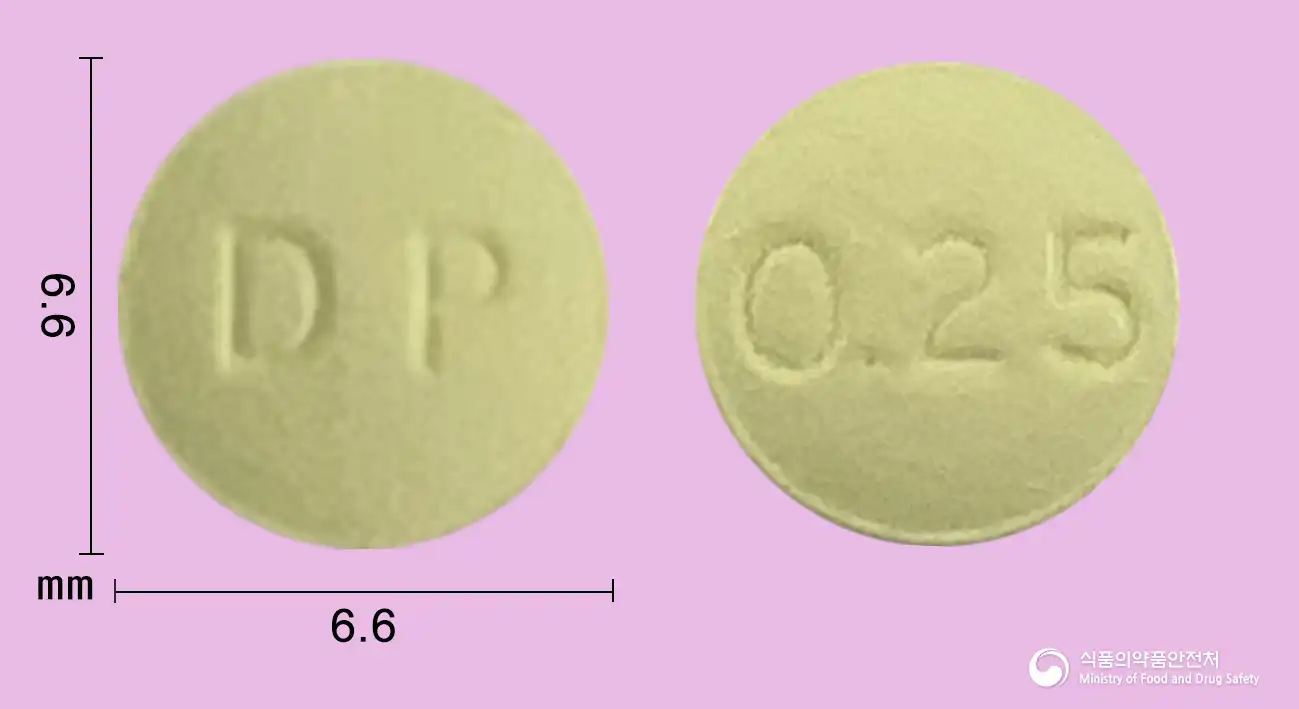
Depas Tablet 0.25 mg (Etizolam)
Etizolam 0.25mg
Tablet · Prescription medication
Jongkundang Co., Ltd.
MFDS item code 200610866 · Approved 2006.11.06 · Insurance code 643300300
Relief of psychiatric symptoms (e.g., anxiety, tension, and depression), muscle tension, and sleep disorders
This medication is effectively used for anxiety, tension, and depressive symptoms in neurosis, depression, psychophysiological disorders, and musculoskeletal diseases. It also helps in improving sleep disturbances caused by various mental disorders such as neurosis or depression. It can be used to relieve muscle tension due to musculoskeletal issues such as cervical syndrome or low back pain. By comprehensively improving both mental and physical symptoms, it contributes to an improvement in the quality of life for patients.
1) Neurosis, depression: Administer 3㎎ of etizolam per day orally in 3 divided doses. 2) Psychosomatic disorders, cervical spondylosis, low back pain, tension headache: Administer 1.5㎎ per day in 3 divided doses. 3) Sleep disorders: Administer 1-3㎎ once daily before bedtime. For elderly patients, administer up to 1.5㎎ per day. The dose may be increased or decreased as appropriate according to age and symptoms.
This medication should not be administered to patients with acute angle-closure glaucoma, as it may exacerbate glaucoma. Patients with severe myasthenia gravis may experience worsening symptoms with this medication. Individuals allergic to this medication or benzodiazepines should not take it. This medication should be avoided in patients with severe respiratory failure, as it may further suppress respiration. Patients with severely impaired liver function should not take this medication, as it poses a higher risk of side effects due to difficult metabolism. Patients with sleep apnea syndrome should avoid this medication as their symptoms may worsen. It is safer for patients with alcohol or drug dependence to avoid using this medication. This medication contains lactose and should not be taken by individuals with lactose intolerance or related genetic conditions. Patients with heart disease should use this medication cautiously, as it may lower blood pressure and worsen heart function. Patients with impaired liver or kidney function may experience delayed excretion of this medication, increasing the risk of side effects. Patients with structural brain issues should be cautious, as the effects of this medication may be pronounced. Moderate to severe respiratory impairment patients should be administered this medication cautiously, as the risk of further respiratory function decline is present. Elderly individuals may experience more pronounced side effects from this medication, so starting with a lower dose is advised. Patients in frail health may experience stronger effects from this medication, necessitating caution. Patients with depression should be closely monitored, as the risk of suicide may increase with this medication. The safety of this medication for children and adolescents has not been established, so cautious use is advised. Patients with motor control issues may experience worsening symptoms due to this medication, necessitating caution. When using this medication alongside alcohol, sleeping pills, analgesics, antipsychotics, antidepressants, lithium, etc., the risk of drug dependence increases, so careful use is necessary. Long-term use of this medication may lead to dependence, so strict adherence to dosage and avoidance of abrupt discontinuation is important. It may cause serious respiratory issues, including respiratory depression or carbon dioxide coma, so respiratory status should be closely monitored. Using this medication alongside antipsychotics may lead to the appearance of neuroleptic malignant syndrome, with symptoms requiring careful observation. Symptoms such as myalgia or weakness may lead to rhabdomyolysis; if unusual symptoms appear, treatment should be initiated immediately. Symptoms like fever, cough, and respiratory distress may indicate interstitial pneumonia, requiring immediate diagnosis and treatment. Liver dysfunction or jaundice may present, thus regular liver function tests are necessary, with discontinuation if abnormalities arise. In patients with schizophrenia, this medication may actually worsen anxiety, agitation, or hallucinations, thus careful observation is required. This medication may cause side effects such as drowsiness, dizziness, and memory impairment, so driving or operating dangerous machinery should be avoided. In the early and late stages of pregnancy, it may harm the fetus or newborn, so women who are pregnant or may become pregnant should avoid taking it. Lactating women should avoid this medication as it can be transferred to breast milk and affect the infant, or discontinue breastfeeding if necessary. Overdosing may lead to motor disturbances, hypotension, respiratory depression, and consciousness disorders, requiring professional treatment in emergencies. This medication interacts with many other drugs, so caution is especially needed when used with central nervous system depressants. Regular blood tests and liver function tests are crucial for monitoring health status when using this medication.
Not everyone experiences these, and they can vary from person to person.
This medication is sensitive to light, so it should be stored in containers that block light. It is also important to keep it at room temperature, specifically between 1 and 30 degrees Celsius, to maintain its efficacy.
Pale yellow round film-coated tablet
30 tablets/bottle, 100 tablets/bottle
Even with the same ingredient, strength, dosage form and how it is taken can differ.
Viewing nowEtizolam 0.25mg
Tablet · Prescription medication
Jongkundang Co., Ltd.
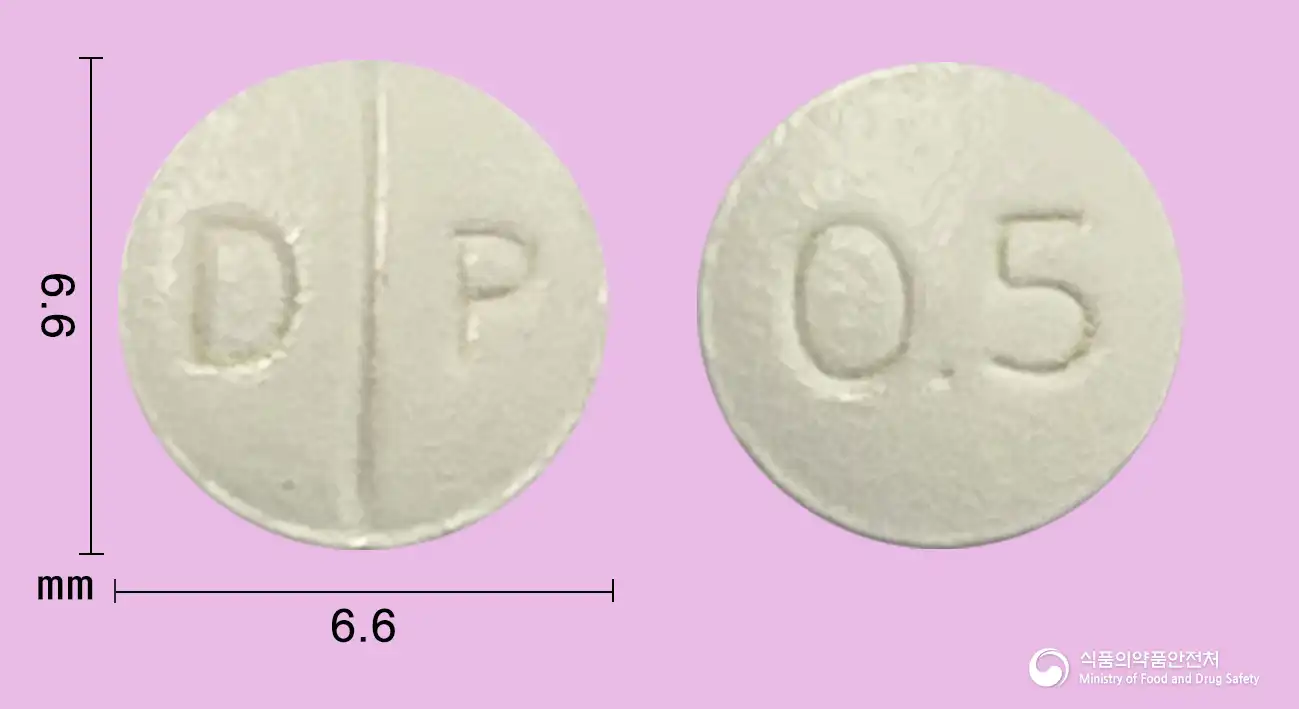
Etizolam 0.5mg
Tablet · Prescription medication
Jongkundang Co., Ltd.
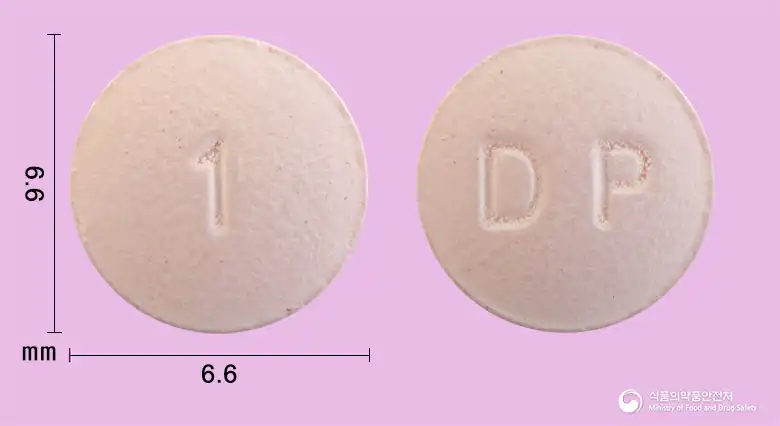
Etizolam 1mg
Tablet · Prescription medication
Jongkundang Co., Ltd.
Even with the same ingredient, the dose and directions can differ by strength and dosage form. Talk to a doctor or pharmacist before switching from a medication you are already taking.
No questions yet.
For anything that needs medical judgment, consult a doctor or pharmacist.
This drug information is based on data provided by the Korea Ministry of Food and Drug Safety.
Consult a doctor or pharmacist for accurate dosage, administration, and usage instructions.