
 한국어
 English
 日本語
 中文(简体)
Summary
- Main use
- Treatment of essential hypertension; adjunctive treatment of chronic stable heart failure in patients aged 70 years or older
- Who takes it
- Adults
- Adult dose
- 1. Essential hypertension (1) Adults Administer 5mg of nebivolol orally once daily at the same time each day. The blood pressure-lowering effect usually begins after 1~2 weeks of treatment, but may not appear until after 4 weeks in some cases. May be taken with food. (2) Patients with renal impairment The initial dose is 2.5mg of nebivolol orally once daily. If necessary, the daily dose may be increased to 5mg. (3) Older patients The initial dose in older patients aged 65 years or older is 2.5mg of nebivolol once daily. If necessary, the daily dose may be increased to 5mg. Because clinical experience in patients aged 75 years or older is insufficient, administer with careful monitoring. 2. Chronic heart failure (1) Older patients aged 70 years or older This medicine should be administered to patients with chronic stable heart failure who have had no history of acute heart failure during the preceding 6 weeks, and the doses of cardiovascular medicines such as diuretics, digoxin, ACE inhibitors, and angiotensin II receptor blockers should have been stabilized by up to 2 weeks before starting this medicine. The dose should be increased gradually at intervals of 1~2 weeks until the optimal dose is reached for each patient, taking the patient's condition into account. Start treatment with 1.25mg of nebivolol once daily and, if necessary, increase to 2.5 mg once daily, 5 mg once daily, and then 10 mg once daily. The maximum daily dose is 10 mg. May be taken with food. (2) Patients with renal impairment Because titration to the maximum tolerated dose is individualized for each patient, dose adjustment is not necessary in patients with mild to moderate renal impairment. Do not administer to patients with severe renal impairment (serum creatinine ≥ 250 μmol/L), as there is no experience of use in these patients.
Ingredients
- Importer
- Menarini-Von Heyden GmbH
Efficacy & effects
Treatment of essential hypertension; adjunctive treatment of chronic stable heart failure in patients aged 70 years or older
- Essential hypertension
- chronic heart failure
View approved original textHide original text
This medication is used for the treatment of essential hypertension and chronic heart failure. It is particularly utilized as an adjunct therapy along with standard treatment in patients aged 70 years and older with mild to moderate chronic stable heart failure. This aids in blood pressure control and improvement of cardiac function.
How to take
Adult dose
1. Essential hypertension (1) Adults Administer 5mg of nebivolol orally once daily at the same time each day. The blood pressure-lowering effect usually begins after 1~2 weeks of treatment, but may not appear until after 4 weeks in some cases. May be taken with food. (2) Patients with renal impairment The initial dose is 2.5mg of nebivolol orally once daily. If necessary, the daily dose may be increased to 5mg. (3) Older patients The initial dose in older patients aged 65 years or older is 2.5mg of nebivolol once daily. If necessary, the daily dose may be increased to 5mg. Because clinical experience in patients aged 75 years or older is insufficient, administer with careful monitoring. 2. Chronic heart failure (1) Older patients aged 70 years or older This medicine should be administered to patients with chronic stable heart failure who have had no history of acute heart failure during the preceding 6 weeks, and the doses of cardiovascular medicines such as diuretics, digoxin, ACE inhibitors, and angiotensin II receptor blockers should have been stabilized by up to 2 weeks before starting this medicine. The dose should be increased gradually at intervals of 1~2 weeks until the optimal dose is reached for each patient, taking the patient's condition into account. Start treatment with 1.25mg of nebivolol once daily and, if necessary, increase to 2.5 mg once daily, 5 mg once daily, and then 10 mg once daily. The maximum daily dose is 10 mg. May be taken with food. (2) Patients with renal impairment Because titration to the maximum tolerated dose is individualized for each patient, dose adjustment is not necessary in patients with mild to moderate renal impairment. Do not administer to patients with severe renal impairment (serum creatinine ≥ 250 μmol/L), as there is no experience of use in these patients.
Precautions
This medication is used to lower blood pressure and affects the heart and blood vessels. First, it should not be used in patients who are allergic to this medication or have asthma, severe heart problems, severe hypotension, or very poor liver or kidney function. Pregnant or breastfeeding women should also not take this medication. When using this medication, it is important to carefully monitor for excessively slow heart rate or low blood pressure. If a very slow heart rate or signs of worsening heart failure occur, the use of this medication should be stopped immediately. Furthermore, diabetic patients may have difficulty recognizing hypoglycemia symptoms and therefore should maintain strict blood glucose control. This medication can interact with other drugs, so you should consult your doctor, especially when taking calcium channel blockers, certain antiarrhythmics, central nervous system medications, insulin, etc. If you are about to undergo surgery, you must inform your healthcare provider about the use of this medication. In the elderly, it is important to start with a low dose and administer it while closely monitoring the patient's condition. In case of overdose, symptoms such as severe bradycardia, hypotension, bronchospasm may occur, requiring immediate emergency treatment. During the use of this medication, regularly monitor blood pressure and heart rate as instructed by your doctor, and notify immediately if any abnormal symptoms arise.
Side effects
Rash, vision impairment, bradycardia, AV block, AV conduction delay, hypotension, heart failure, intermittent claudication, headache, dizziness, paresthesia, depression, nightmares, syncope, diarrhea, constipation, nausea, dyspepsia, bloating, vomiting, dyspnea, bronchospasm, pruritus, erythematous rash, worsening of psoriasis, edema, fatigue, erectile dysfunction, vascular neurogenic edema, hypersensitivity, hallucinations, psychosis, confusion, cyanosis of limbs, dry eyes, practolol-type conjunctival skin toxicity, Raynaud's phenomenon, dizziness, worsening of heart failure, orthostatic hypotension, drug intolerance, first-degree AV block, lower limb edema, chest pain, insomnia, palpitations, abdominal pain, polyuria, increased blood sugar, neck/shoulder pain, gastritis, chest pain, weakness, lack of effect, weight loss, cough, cold, dry cough, loss of appetite, anxiety, back pain, increased serum creatinine, tinnitus, dizziness, tremors, neuromuscular disease, gastroesophageal reflux, irritable bowel syndrome, thirst, gastric ulcer, gastrointestinal disturbance, generalized weakness, facial edema, generalized edema, upper respiratory infection, rhinitis, sore throat, runny nose, restlessness, depression, drowsiness, arthralgia, flank pain, neck stiffness, back pain, increased BUN, bladder discomfort, cystitis, urinary stones, hematuria, diabetes, urticaria, athlete's foot, sweating, tinea, hypotension, hypertension, cerebrovascular disease, peripheral vascular disease, flushing, nosebleed, increased ALT, increased AST, viral infection, thyroiditis, chronic myeloid leukemia
Not everyone experiences these, and they can vary from person to person.
Storage
This medication should be stored in a tightly closed container to prevent air or moisture from entering. It is best to maintain the storage temperature between 1 to 30 degrees Celsius. Proper storage will ensure the medication's effectiveness is preserved safely over time.
Appearance and packaging
Appearance
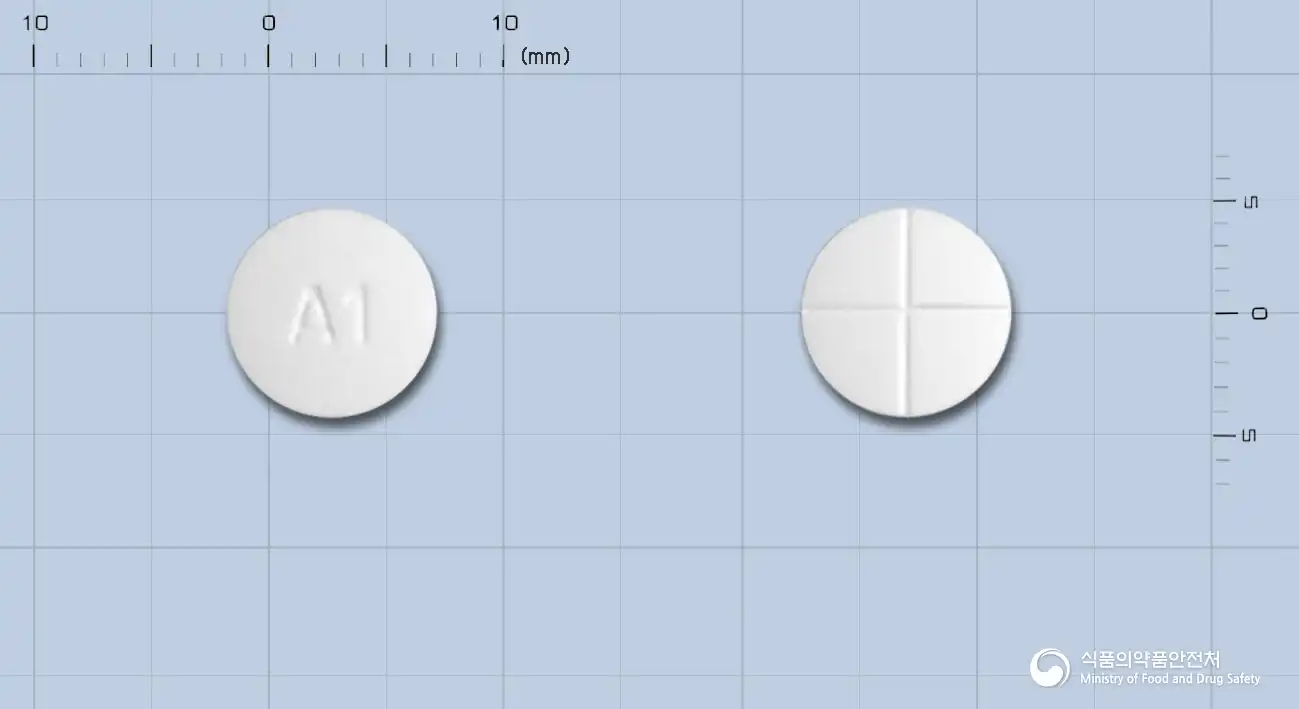
White round tablet
Package unit
30 tablets (10 tablets/PTP x 3)
Questions about this medicine
No questions yet.
For anything that needs medical judgment, consult a doctor or pharmacist.