
 한국어
한국어 English
 日本語
日本語 中文(简体)
 Viewing now
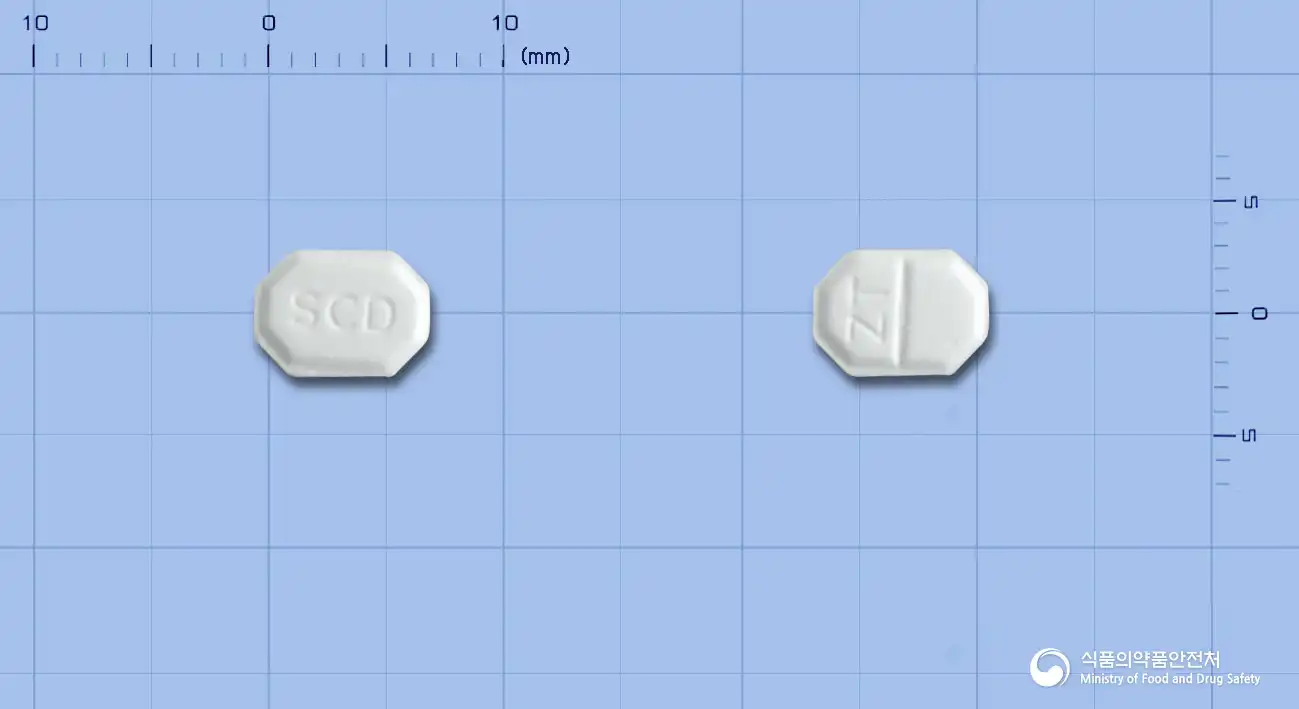
Jitension Tablet 2.5 mg (Esamlodipine Besilate Hydrate)
S-Amlodipine Besylate Dihydrate 3.69mg
Tablet · Prescription medication
Samchundang Pharmaceutical Co., Ltd.
MFDS item code 200608243 · Notified 2006.11.07 · Insurance code 651202610
Improvement of myocardial ischemia due to hypertension and coronary vascular diseases (stable angina, variant angina)
This medication is used to treat myocardial ischemia, including hypertension, stable angina, and variant angina due to vascular spasms.
This medication is taken with a sufficient amount of water. As Esamlodipine, it is taken orally once daily at 2.5 mg, and may be increased to a maximum of 5 mg daily depending on the patient's response. Adjust as appropriate according to symptoms.
This medication should not be used in certain patients. Those who have had an allergic reaction to this medication, its components, or similar classes of drugs should not take it. Women who are pregnant or may become pregnant, as well as those who are breastfeeding, should not take this medication. Patients in shock or with very poor cardiac function, as well as those with severe aortic stenosis, may also be at risk if using this medication. Patients with unstable angina or who have recently experienced a myocardial infarction, severe liver dysfunction, or hypotension should also avoid this medication. Additionally, patients with a genetic condition that cannot digest lactose should not take this medication. Patients with severe renal impairment or undergoing dialysis, the elderly, those with acute heart failure, those in hypertensive crisis, and those with mild to moderate liver dysfunction should use this medication cautiously. While this medication is generally well tolerated, various side effects such as facial flushing with warmth, fatigue, edema, palpitations, dizziness, headache, abdominal pain, nausea, drowsiness, and symptoms of gastrointestinal discomfort may occur. Rarely, there can be a drop in blood pressure, swelling of hands and feet, allergic reactions, liver dysfunction, skin rashes, and neurological symptoms, so if symptoms appear, consult a doctor immediately. Abruptly stopping this medication may worsen symptoms, so the dosage must be gradually reduced according to the physician's instructions, and care should be taken not to stop it arbitrarily. In patients with poor liver function, this medication can remain in the body for a long time, requiring careful dose adjustment and monitoring. Additionally, the effect appears slowly, making it unsuitable for emergencies. When taking this medication, consume it with plenty of water, and be cautious while driving or operating dangerous machinery due to possible dizziness from the blood pressure-lowering effects. This medication can interact with various other drugs, so if you are taking other medications, be sure to inform your doctor or pharmacist. Particular caution is needed when used with specific antibiotics, antihypertensives, antidepressants, and nitrates. If pregnant or breastfeeding, safety is not established, and use should be avoided. If breastfeeding, it is recommended to stop breastfeeding. In children, efficacy has only been confirmed for those aged 6 years and older, and it is advisable not to use it for children under 6. In the elderly, the concentration of the drug in the body can increase, so starting with a lower dose and monitoring the condition is necessary. In case of overdose, severe hypotension, tachycardia, shock, and altered consciousness may occur, so immediate hospitalization for treatment is necessary; blood dialysis is ineffective. This medication should be stored out of reach of children, not transferred to another container, and kept in a way that maintains its quality.
Hives, angioedema, toxic epidermal necrolysis, severe allergic reactions, jaundice, hepatitis, liver dysfunction, severe skin adverse reactions, Stevens-Johnson syndrome, difficulty breathing, shortness of breath, paralysis, seizures, severe neurological symptoms, shock due to hypotension, coma, severe edema, edema associated with increased blood pressure
Not everyone experiences these, and they can vary from person to person.
This medication must be stored in a tightly closed container to protect it from air and moisture. The storage temperature should be maintained at room temperature between 1 and 30 degrees Celsius, avoiding areas that are too hot or too cold.
White octagonal tablet
30 tablets/bottle, 300 tablets/bottle
Even with the same ingredient, strength, dosage form and how it is taken can differ.
Viewing nowS-Amlodipine Besylate Dihydrate 3.69mg
Tablet · Prescription medication
Samchundang Pharmaceutical Co., Ltd.
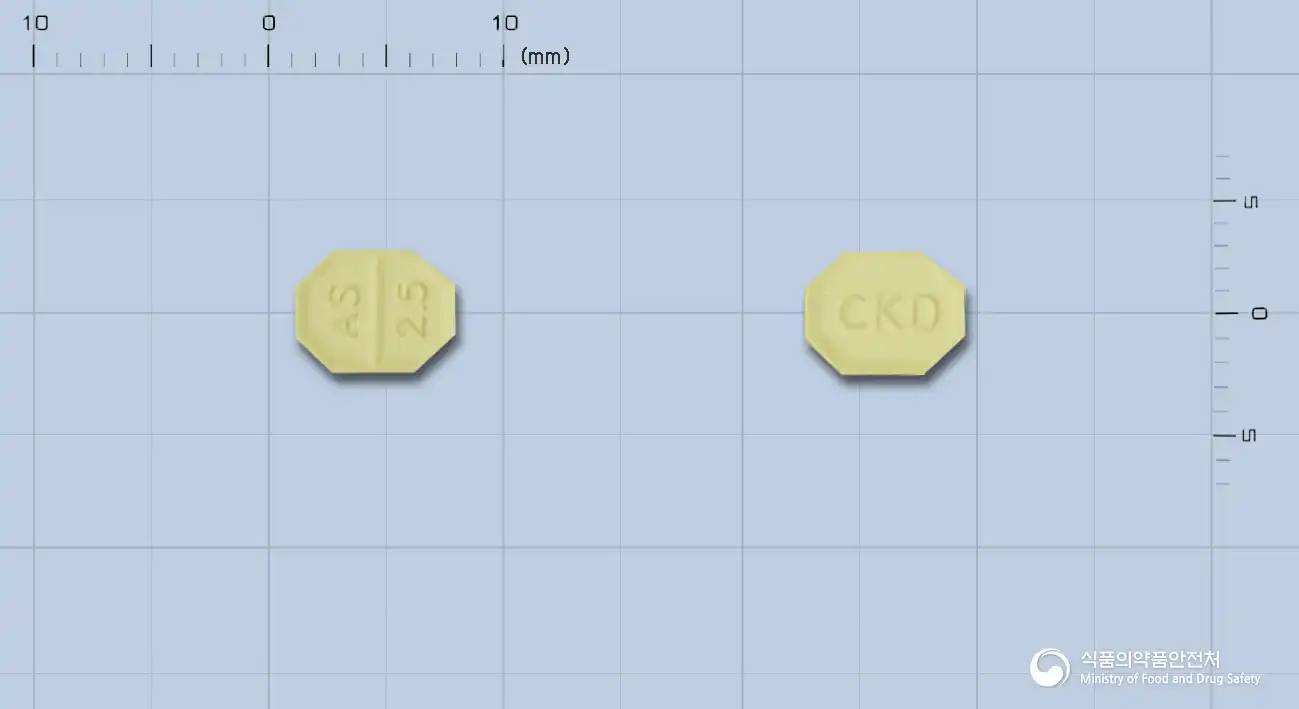
S-Amlodipine Besylate Dihydrate 3.69mg
Tablet · Prescription medication
Jongkundang Co., Ltd.
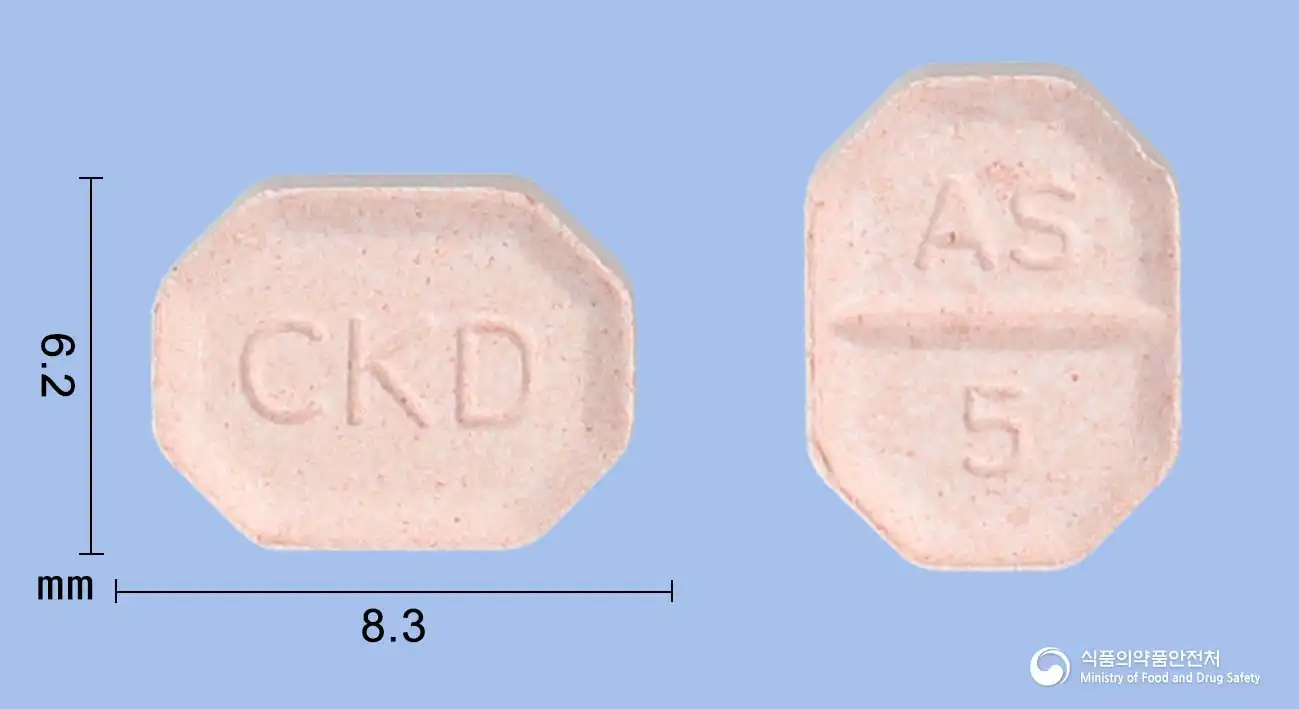
S-Amlodipine Besylate Dihydrate 7.38mg
Tablet · Prescription medication
Jongkundang Co., Ltd.
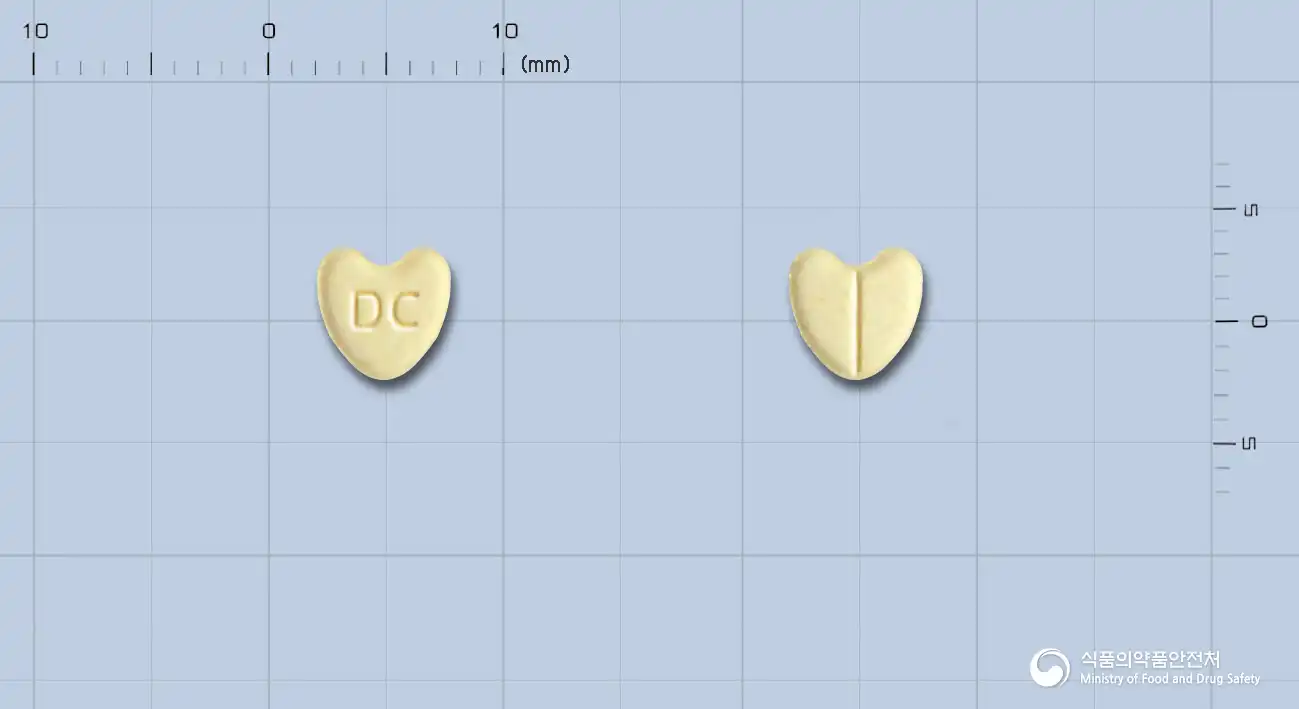
S-Amlodipine Besylate 3.74mg
Tablet · Prescription medication
Dong Gu Bio Pharmaceutical Co., Ltd.
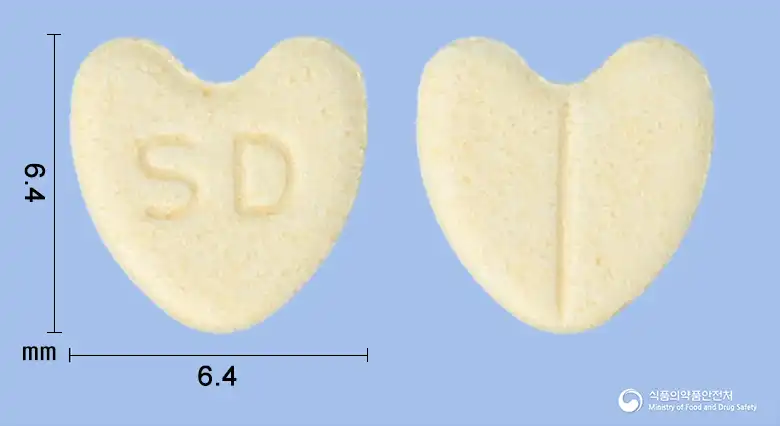
S-Amlodipine Besylate Dihydrate 3.69mg
Tablet · Prescription medication
Farmgen Science Co., Ltd.
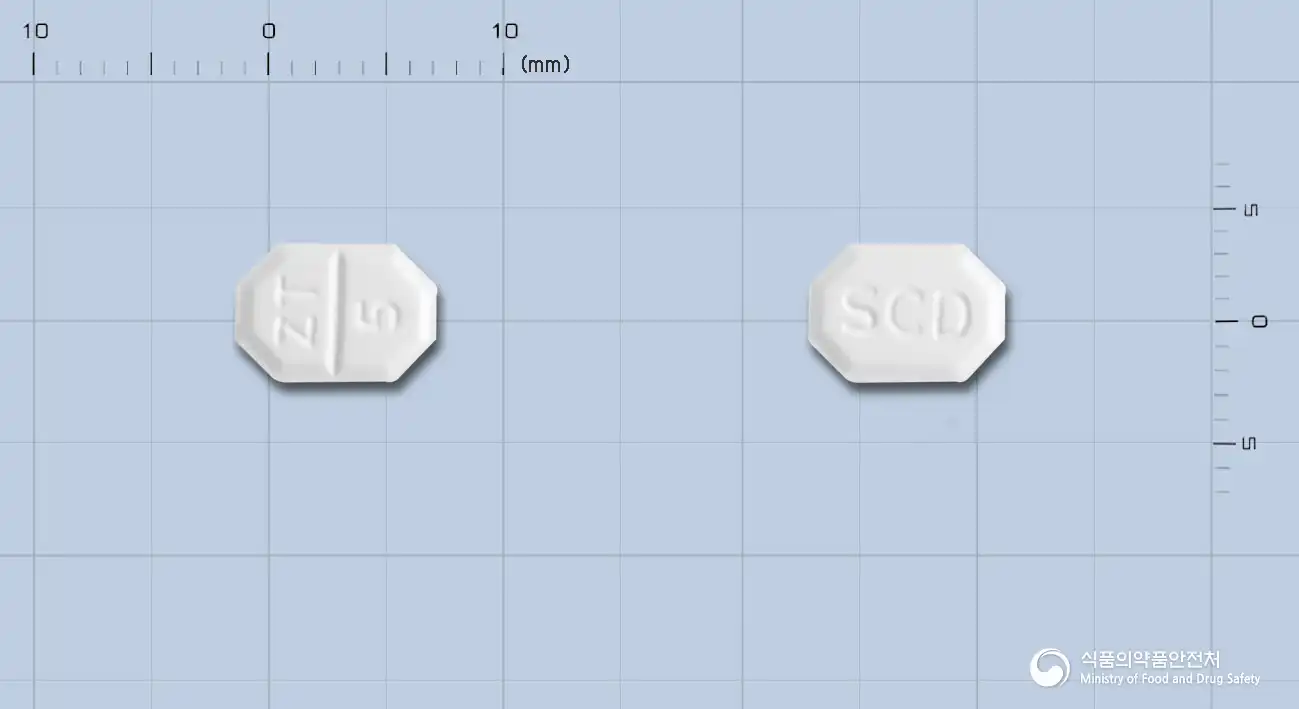
S-Amlodipine Besylate Dihydrate 7.38mg
Tablet · Prescription medication
Samchundang Pharmaceutical Co., Ltd.
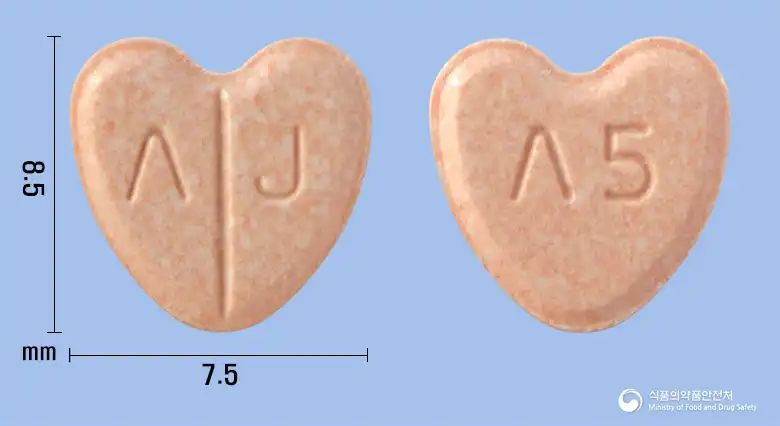
S-Amlodipine Besylate Dihydrate 7.38mg
Tablet · Prescription medication
Aju Pharmaceutical Co., Ltd.
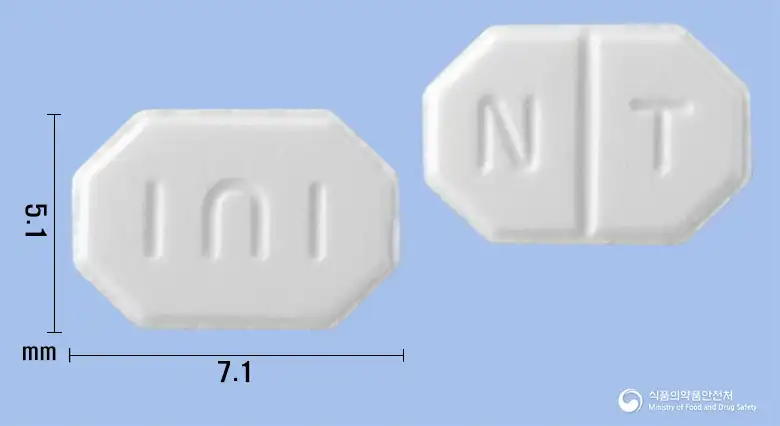
S-Amlodipine Besylate Dihydrate 3.69mg
Tablet · Prescription medication
Biosun Pharmaceutical Co., Ltd.
Even with the same ingredient, the dose and directions can differ by strength and dosage form. Talk to a doctor or pharmacist before switching from a medication you are already taking.
No questions yet.
For anything that needs medical judgment, consult a doctor or pharmacist.
This drug information is based on data provided by the Korea Ministry of Food and Drug Safety.
Consult a doctor or pharmacist for accurate dosage, administration, and usage instructions.