
 한국어
한국어 English
 日本語
日本語 中文(简体)
Dosage form image
Viewing nowCombinationRozaplus F Tablets
Losartan Potassium 100mg · Hydrochlorothiazide 25mg
Tablet · Prescription medication · Combination
Pharmaking Co., Ltd.
MFDS item code 200608115 · Notified 2006.09.15
This product's status changed to Expired on 2024.07.01. It may no longer be sold, so consult a doctor or pharmacist before taking it.
Improvement in blood pressure control when monotherapy is insufficient for hypertension
This medication is used to effectively control the blood pressure of hypertensive patients whose blood pressure is not adequately managed with monotherapy.
The usual adult dosage is 1 tablet containing 50 mg of losartan potassium and 12.5 mg of hydrochlorothiazide once daily. The maximum dose can be increased to 1 tablet containing 100 mg of losartan potassium and 25 mg of hydrochlorothiazide once daily. It can be taken regardless of meals, and the maximum blood pressure-lowering effect typically appears about 3 weeks after starting treatment. Specific dosing guidance: 1. For substitution therapy, each adjusted single therapy can be substituted with this medication.
There is no experience with the use of this medication in children and adolescents (under 18 years old), so it should not be administered.
This medication can cause serious harm to the fetus during pregnancy, so it should be discontinued immediately if pregnancy is confirmed. Patients with hypersensitivity to this medication, certain kidney and liver diseases, and some electrolyte imbalances should not take this medication. Patients with low blood pressure or kidney function issues, the elderly, and those with diabetes should use this medication cautiously, and it is important to regularly monitor blood pressure and kidney function during treatment. As this medication contains hydrochlorothiazide, electrolyte imbalances, particularly hypokalemia or hypercalcemia, may occur, so periodic blood tests to check electrolyte status are necessary. This medication can make the skin sensitive to ultraviolet light, so sun exposure should be avoided, and if skin abnormalities occur, a doctor should be consulted immediately. Various side effects such as cough, dizziness, rash, and gastrointestinal disturbances may occur, so if symptoms persist or worsen, consult a healthcare professional. Interactions may occur when used with other medications, so if you are taking other medications, you must inform your doctor or pharmacist. Dizziness or drowsiness may occur when driving or operating machinery, so caution is advised. This medication is not recommended for children or adolescents, and it should be stored in a safe place out of the reach of children.
Hives, severe swelling (edema), angioedema (swelling of lips and eyelids and facial rash), angioedema (swelling of the larynx/pharynx that may cause airway obstruction, swelling of the face/lips/throat/tongue), chest tightness, difficulty breathing, respiratory distress, acute respiratory distress syndrome (ARDS), skin exfoliation, hemolysis, Stevens-Johnson syndrome, toxic epidermal necrolysis (Lyell syndrome), jaundice (intrahepatic cholestasis)
Not everyone experiences these, and they can vary from person to person.
This medication is sensitive to light, so it should be stored in a container that does not allow light to enter. Additionally, the storage temperature should be maintained between 1 and 30 degrees Celsius to preserve the medication's efficacy and safety.
Pale yellow oval film-coated tablets
30 tablets/bottle, 100 tablets/bottle
Even with the same ingredient, strength, dosage form and how it is taken can differ.
Losartan Potassium 100mg · Hydrochlorothiazide 25mg
Tablet · Prescription medication · Combination
Pharmaking Co., Ltd.
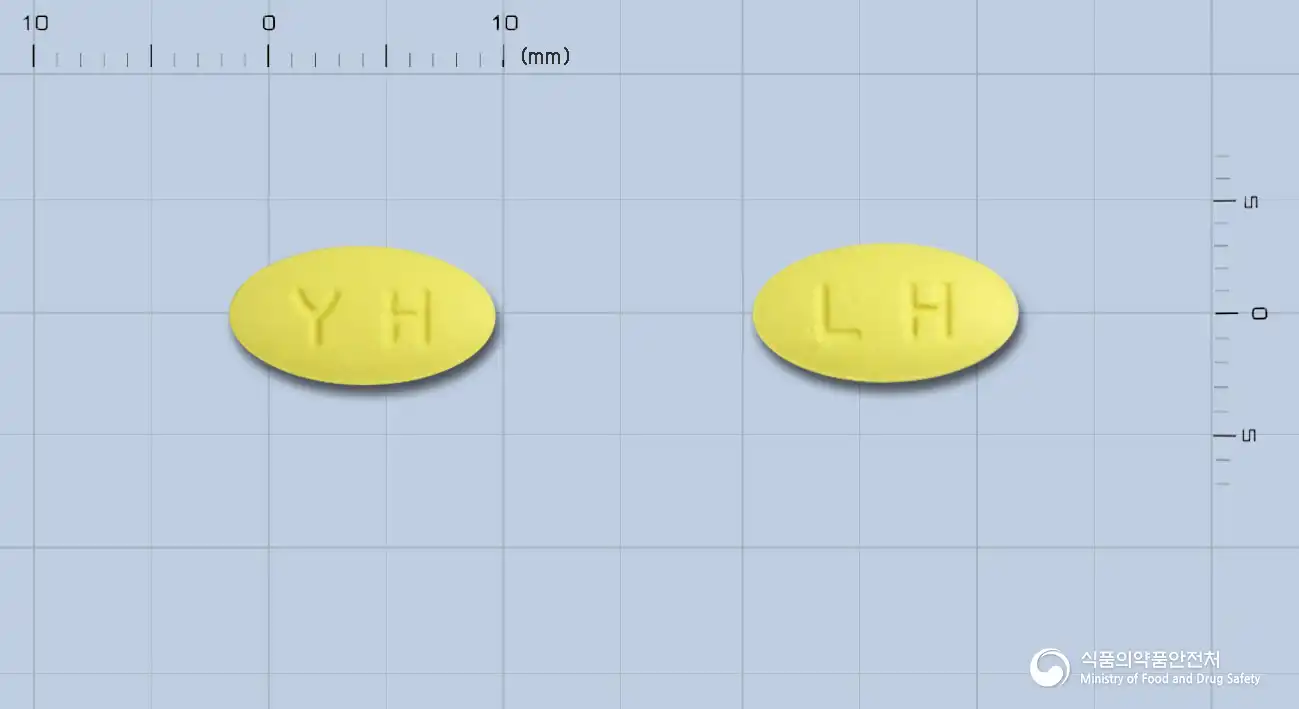 Combination
Losartan Potassium 50mg · Hydrochlorothiazide 12.5mg
Tablet · Prescription medication · Combination
(Co., Ltd.) Yuhan
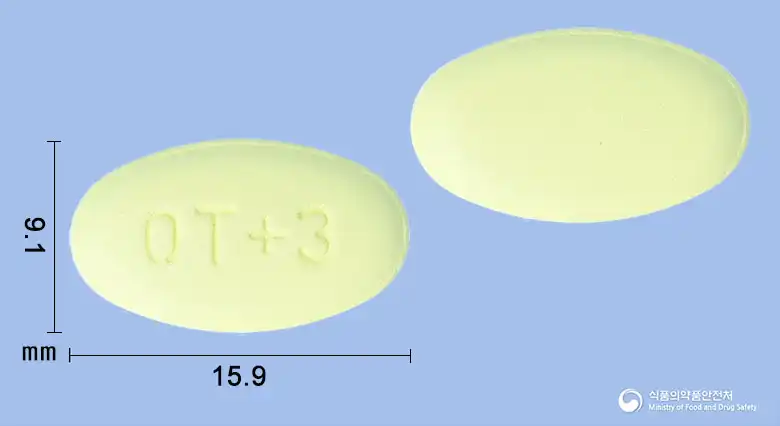 Combination
Losartan Potassium 100mg · Hydrochlorothiazide 25mg
Tablet · Prescription medication · Combination
Hanmi Pharmaceutical Co., Ltd.
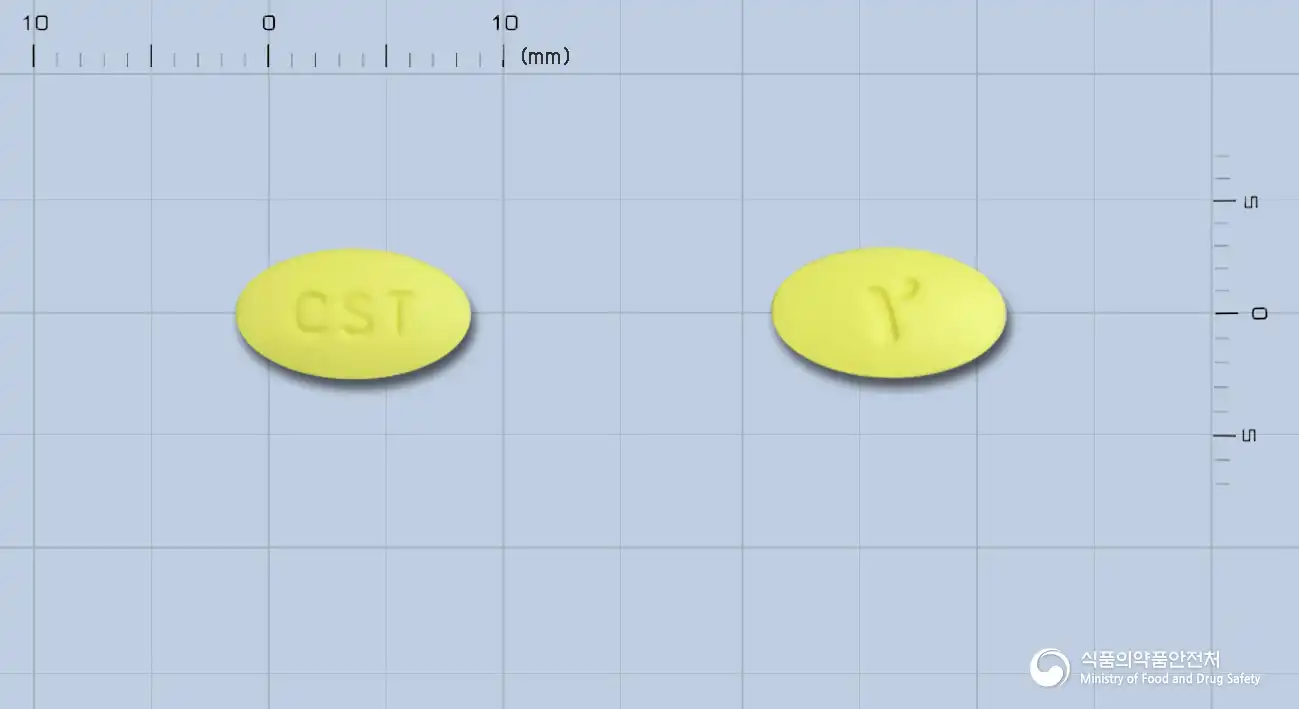 Combination
Losartan Potassium 50mg · Hydrochlorothiazide 12.5mg
Tablet · Prescription medication · Combination
(Co., Ltd. ) Yuyoung Pharmaceutical
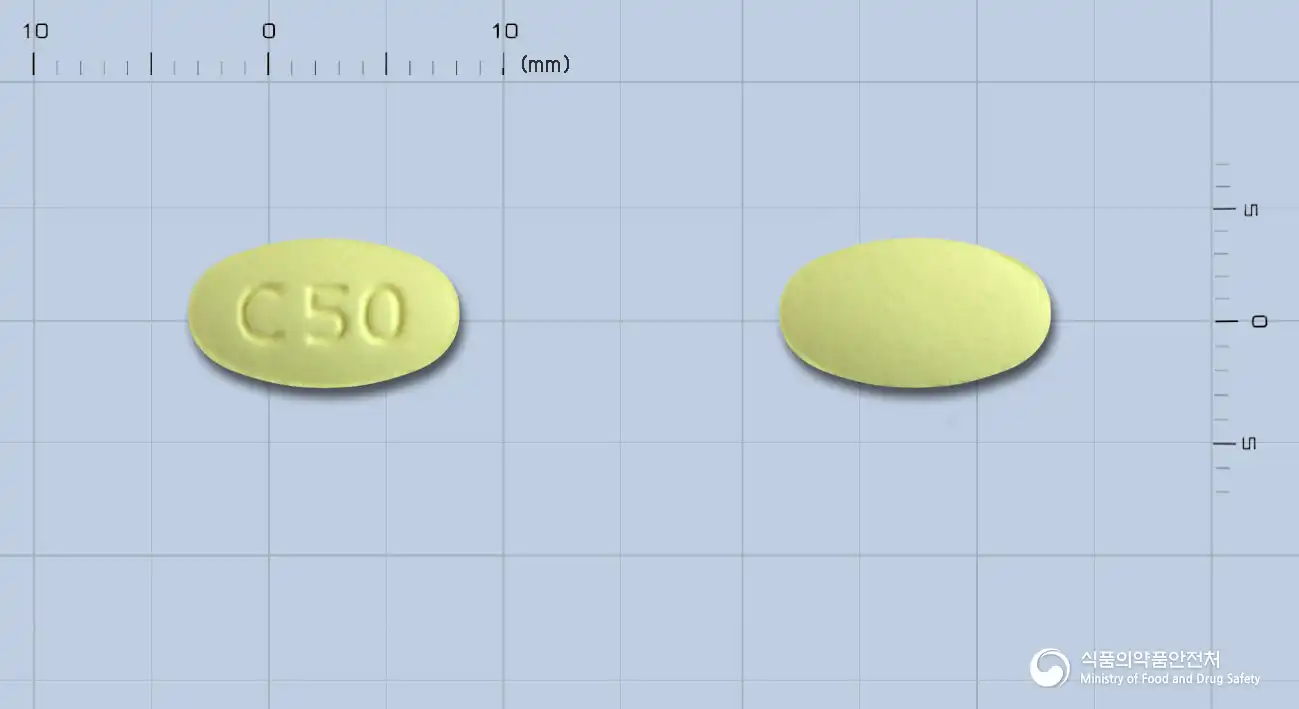 Combination
Losartan Potassium 50mg · Hydrochlorothiazide 12.5mg
Tablet · Prescription medication · Combination
Youngpoong Pharmaceutical Co., Ltd.
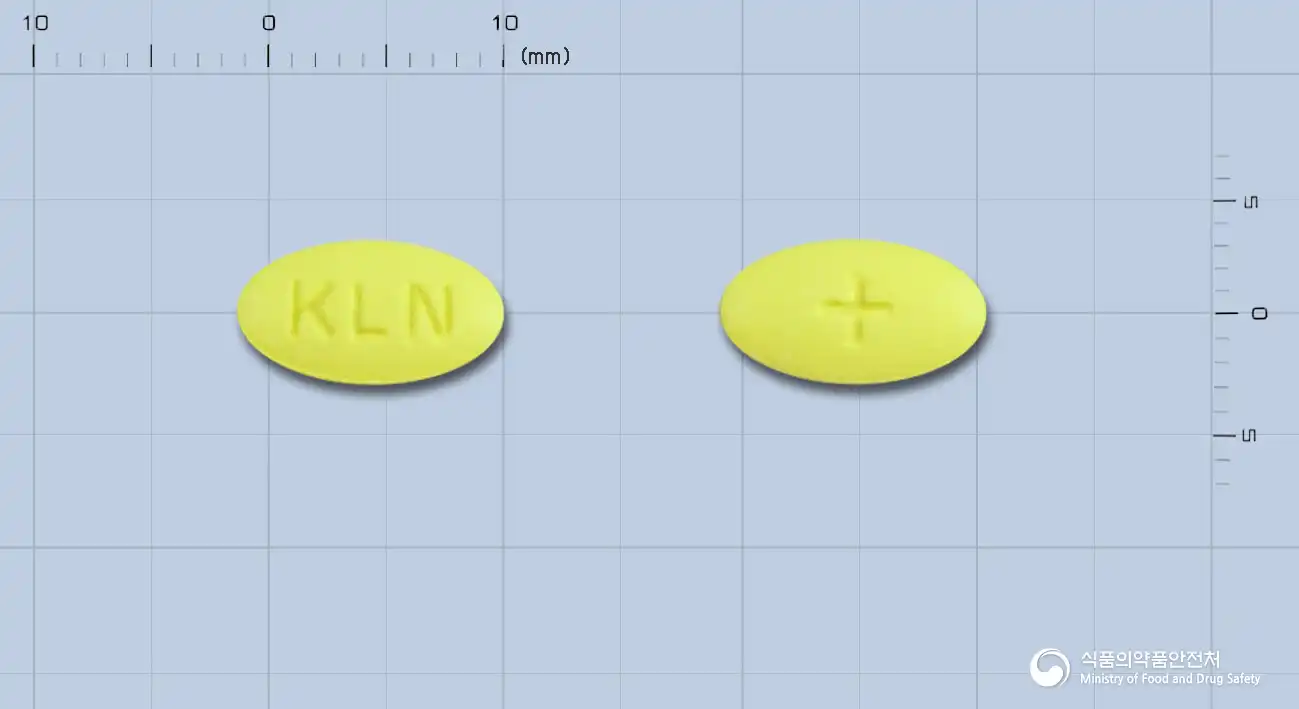 Combination
Losartan Potassium 50mg · Hydrochlorothiazide 12.5mg
Tablet · Prescription medication · Combination
Kolon Pharmaceutical Co., Ltd.
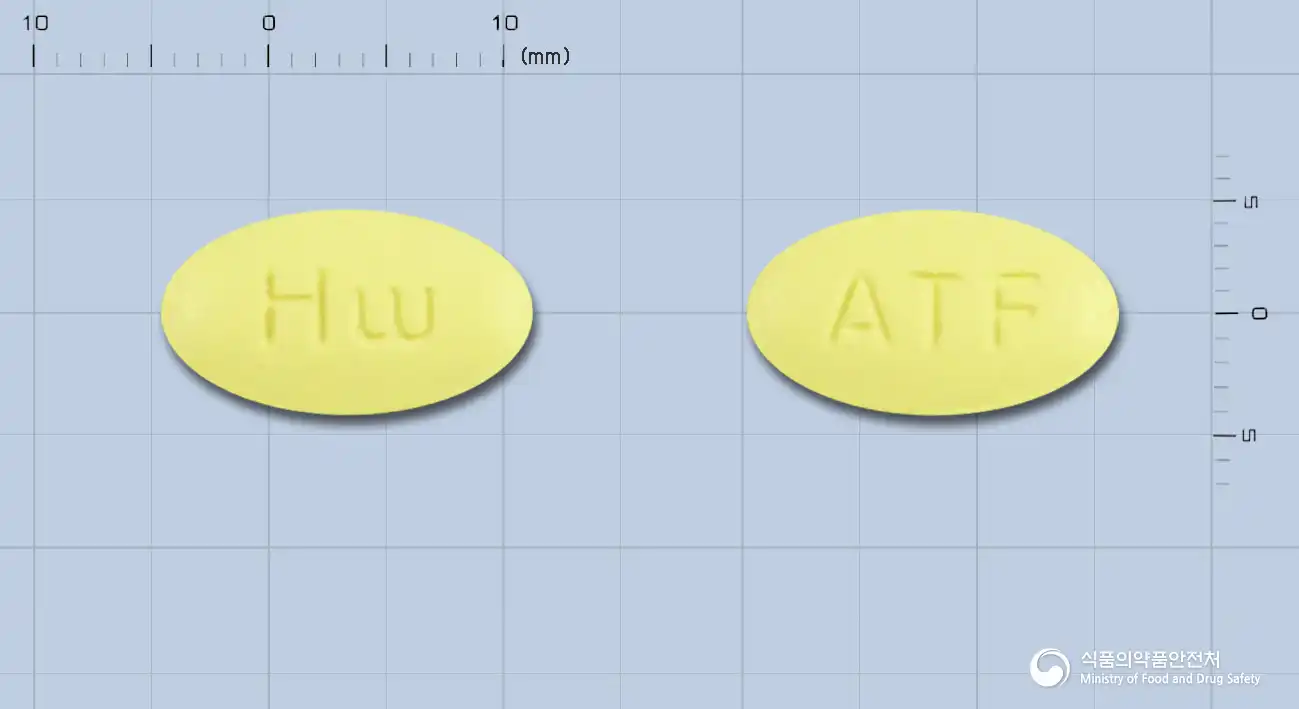 Combination
Losartan Potassium 100mg · Hydrochlorothiazide 25mg
Tablet · Prescription medication · Combination
NBK Pharmaceutical Co., Ltd.
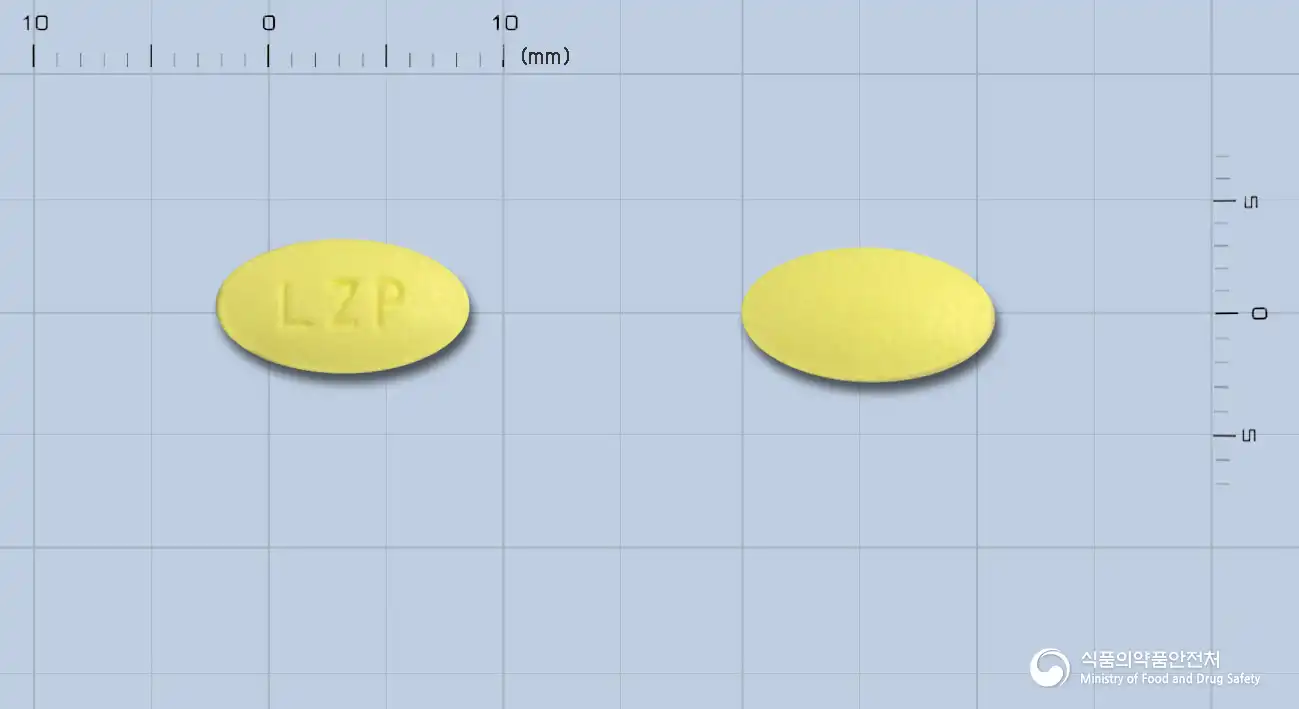 Combination
Losartan Potassium 50mg · Hydrochlorothiazide 12.5mg
Tablet · Prescription medication · Combination
Dongkwang Pharmaceutical Co., Ltd.
Even with the same ingredient, the dose and directions can differ by strength and dosage form. Talk to a doctor or pharmacist before switching from a medication you are already taking.
No questions yet.
For anything that needs medical judgment, consult a doctor or pharmacist.
This drug information is based on data provided by the Korea Ministry of Food and Drug Safety.
Consult a doctor or pharmacist for accurate dosage, administration, and usage instructions.