
 한국어
한국어 English
 日本語
日本語 中文(简体)
 Viewing now
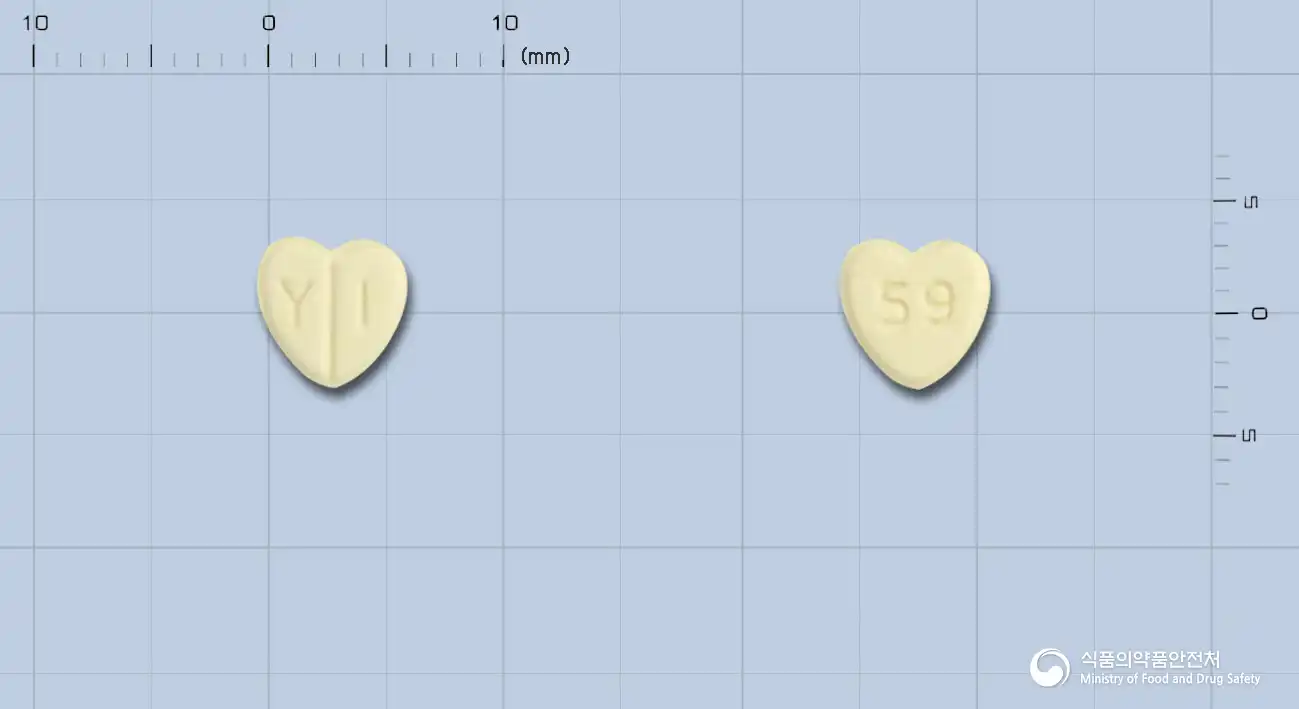
Rovadin S Tablets 2.5 mg (S-Amlodipine Besylate 2.5 Hydrate)
S-Amlodipine Besylate 2.5 Hydrate 3.74mg
Tablet · Prescription medication
Youngil Pharmaceutical Co., Ltd.
MFDS item code 200608108 · Notified 2006.08.30 · Insurance code 649400440
Improvement of myocardial ischemia due to hypertension and stable (variant) angina, reduction of the risk of hospitalization for angina and the risk of vascular interventions
This medication is used for the treatment of hypertension and myocardial ischemia caused by stable angina and variant angina. It is also beneficial for patients with coronary artery disease confirmed by recent angiography, who do not have heart failure or whose cardiac output is not less than 40%. This medication reduces the risk of hospitalization due to angina and also decreases the risks associated with coronary vascular interventions. It plays a significant role in improving cardiovascular health and protecting overall heart function.
This medication should be taken with a sufficient amount of water. The oral dose of S-amlodipine is once daily 2.5 mg, and can be increased up to a maximum of 5 mg per day depending on the patient's response. Adjustments should be made according to age and symptoms.
This medication should be taken with a sufficient amount of water. The effective oral dose of S-amlodipine for lowering blood pressure is once daily 1.25 mg - 2.5 mg. In pediatric patients, doses exceeding 2.5 mg per day have not been studied.
This medication should not be administered to certain patients. For example, it should not be used in individuals allergic to this medication or its components, pregnant or nursing women, patients with serious heart problems or liver function impairment. Also, patients with severe hypotension or certain heart conditions should not take this medication. Caution should be exercised in elderly patients, those with severe kidney problems, acute heart failure patients, patients with rapidly increasing blood pressure, and those with slightly impaired liver function. Various side effects may occur while taking this medication, with common side effects including facial flushing and feeling of warmth, fatigue, swelling of hands and feet, palpitations, dizziness, headaches, indigestion, and drowsiness. Rarely, dry mouth, increased sweating, hypotension, vasculitis, insomnia, skin rash, liver function abnormalities, and allergic reactions may occur. If any unusual symptoms arise, consult a doctor immediately. Abrupt discontinuation of this medication can worsen symptoms, so dosage should be tapered gradually under a doctor’s direction, and patients should be cautious not to stop the medication arbitrarily. Patients with heart failure or decreased liver function should carefully monitor the effects and side effects of this medication. This medication is best taken with plenty of water, and dizziness may occur due to its blood pressure-lowering effects, so caution is needed when driving or operating dangerous machinery. Additionally, it may interact with other medications, so if you are taking other medications, be sure to inform your doctor or pharmacist, and it is advisable to avoid taking it with grapefruit juice. Pregnant or nursing women should avoid using this medication unless absolutely necessary, and should consult a professional if required. This medication is recommended for use only in children over 6 years of age, and elderly patients may experience stronger effects and side effects, so it should be started at a low dose and taken cautiously. In case of overdose, severe hypotension, heart problems, and consciousness disturbances may occur, so immediate emergency treatment is necessary. This medication is not removed by dialysis, so special treatment may be required. Lastly, this medication should be stored in a place out of reach of children, and transferring it to another container should be avoided.
Not everyone experiences these, and they can vary from person to person.
This medication must be stored in a tightly sealed container to avoid exposure to air and moisture. It is important to maintain a storage temperature between 1 to 30 degrees Celsius to safely preserve the medication's effectiveness.
Light yellow heart-shaped tablet with a score line
30 tablets/bottle, 300 tablets/bottle
Even with the same ingredient, strength, dosage form and how it is taken can differ.
Viewing nowS-Amlodipine Besylate 2.5 Hydrate 3.74mg
Tablet · Prescription medication
Youngil Pharmaceutical Co., Ltd.
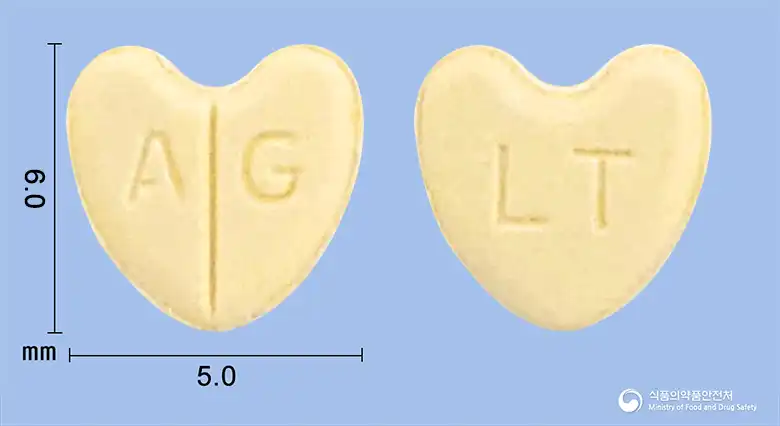
S-Amlodipine Besylate 2.5 Hydrate 3.74mg
Tablet · Prescription medication
Anguk Pharmaceutical Co., Ltd.
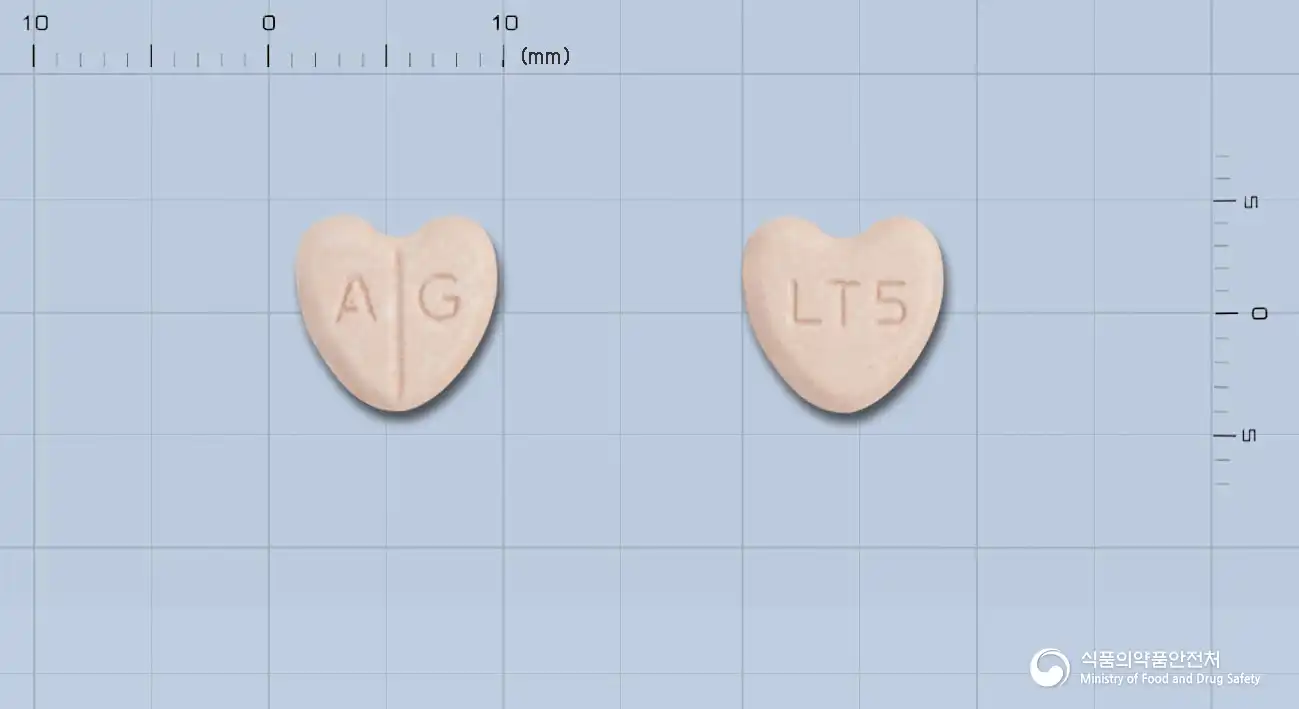
S-Amlodipine Besylate 2.5 Hydrate 7.48mg
Tablet · Prescription medication
Ahn-Guk Pharmaceutical Co., Ltd.
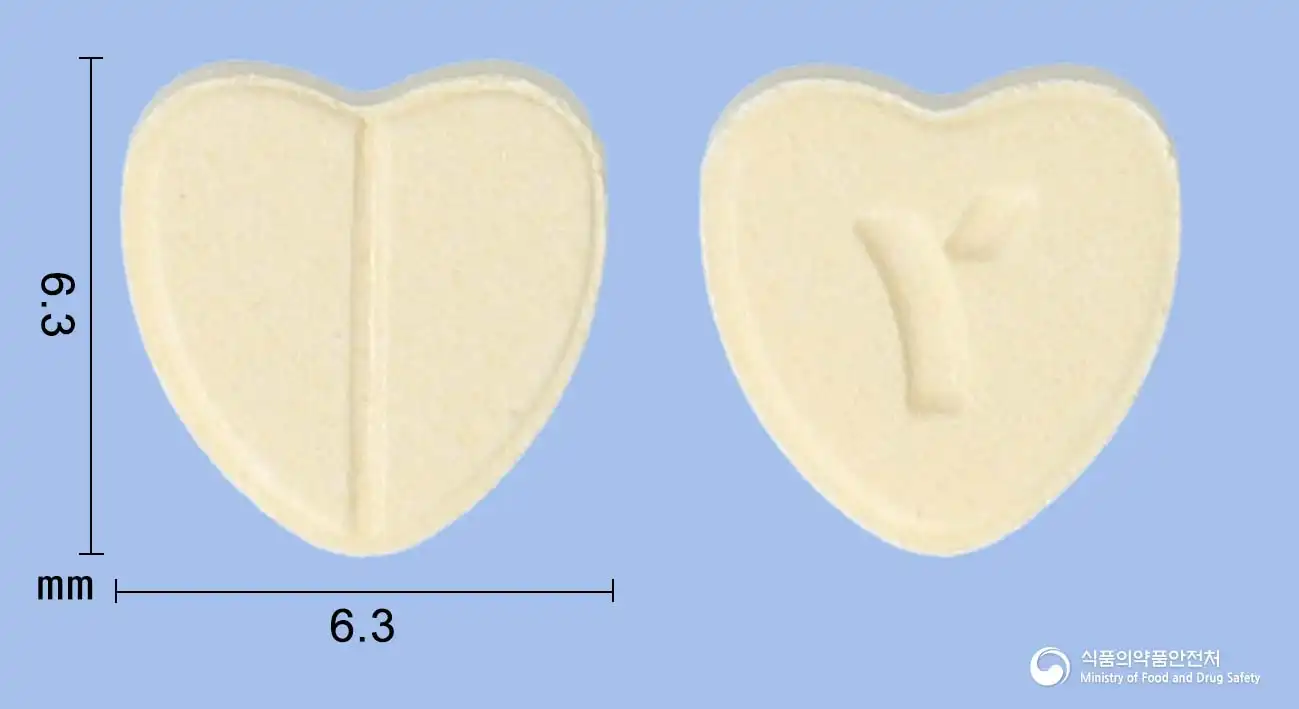
S-Amlodipine Besylate 2.5 Hydrate 3.74mg
Tablet · Prescription medication
Youyoung Pharmaceutical Co., Ltd.
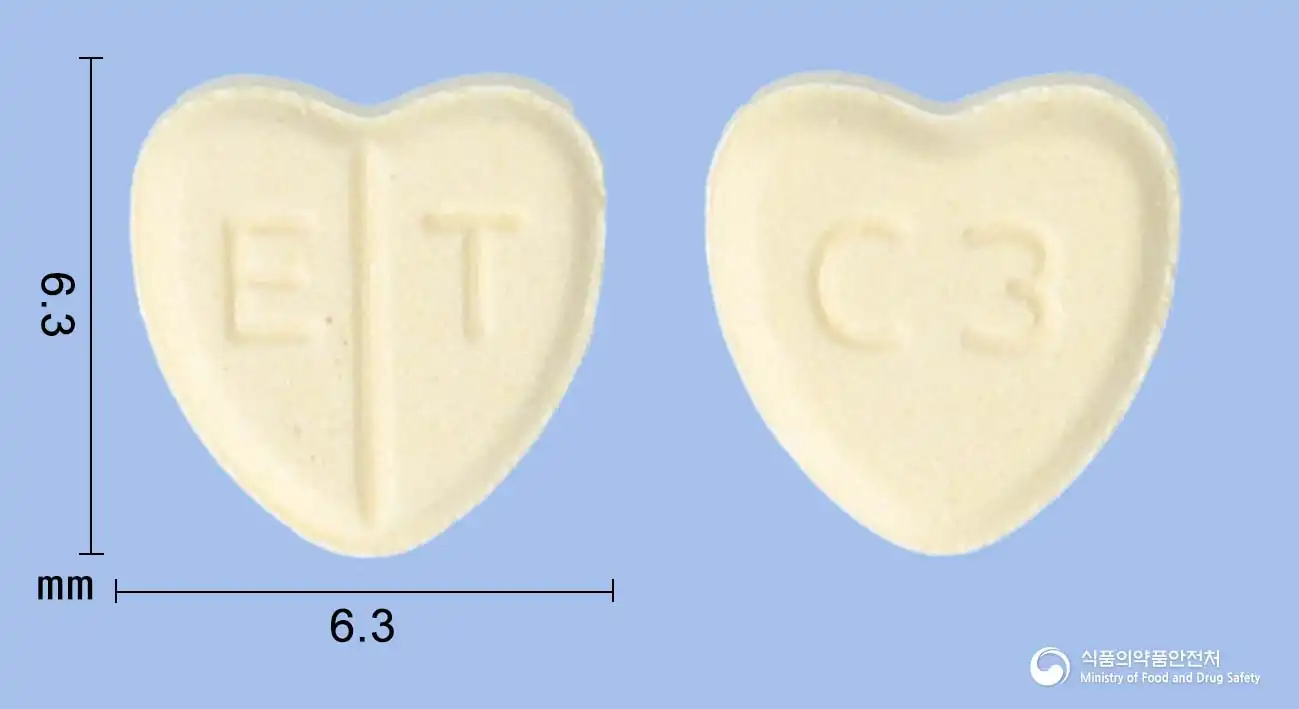
S-Amlodipine Besylate 2.5 Hydrate 3.74mg
Tablet · Prescription medication
Teragen Etex Co., Ltd.
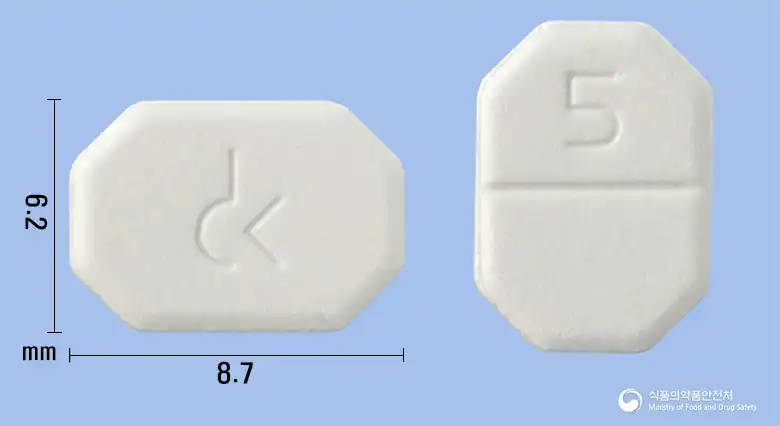
S-Amlodipine Besylate 2.5 Hydrate 7.48mg
Tablet · Prescription medication
Dongkuk Pharmaceutical Co., Ltd.
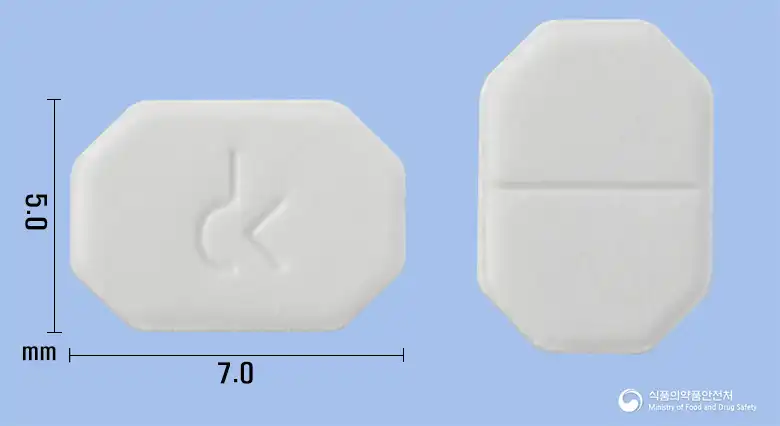
S-Amlodipine Besylate 2.5 Hydrate 3.74mg
Tablet · Prescription medication
Dongkook Pharmaceutical Co., Ltd.
Even with the same ingredient, the dose and directions can differ by strength and dosage form. Talk to a doctor or pharmacist before switching from a medication you are already taking.
No questions yet.
For anything that needs medical judgment, consult a doctor or pharmacist.
This drug information is based on data provided by the Korea Ministry of Food and Drug Safety.
Consult a doctor or pharmacist for accurate dosage, administration, and usage instructions.