
 한국어
한국어 English
 日本語
日本語 中文(简体)
 Viewing nowCombination
Lozataplus Tablet
Losartan Potassium 50mg · Hydrochlorothiazide 12.5mg
Tablet · Prescription medication · Combination
Ilhwa Co., Ltd.
MFDS item code 200607776 · Notified 2006.09.19 · Insurance code 640900290
Improvement in blood pressure control when monotherapy for hypertension is insufficient
Used for hypertensive patients who find it difficult to control blood pressure with monotherapy.
The usual dosage for adults is one tablet containing 50 mg of Losartan Potassium and 12.5 mg of Hydrochlorothiazide once daily. A dose exceeding 100 mg of Losartan Potassium/25 mg of Hydrochlorothiazide daily is not advisable. For patients whose blood pressure is not controlled by losartan or hydrochlorothiazide monotherapy, it starts with Losartan Potassium 50 mg/Hydrochlorothiazide 12.5 mg once daily.
There is no experience in using this medication in children and adolescents; therefore, Losartan-Hydrochlorothiazide combination should not be administered to pediatric patients.
This medication can cause serious harm to the fetus, especially during the second and third trimesters of pregnancy; thus, it should be discontinued immediately if pregnancy is confirmed. This medicine should not be administered to patients with certain conditions, such as anuria, severe hepatic impairment, severe renal impairment, hyperuricemia, pregnant women or those who may become pregnant, and certain genetically lactose-intolerant patients. It should be used with caution in patients with hypotension, kidney issues, liver impairment, serum potassium abnormalities, cerebrovascular disorders, those undergoing infection treatment, and the elderly, as blood pressure may drop too low or an electrolyte imbalance may occur. While this drug is effective in lowering blood pressure, various side effects can occur, such as abdominal pain, edema, palpitations, dizziness, cough, skin rash; consult a doctor if abnormal symptoms appear. Hydrochlorothiazide can cause electrolyte imbalances; regular blood tests are necessary, particularly with caution towards hypokalemia and hyperkalemia. This drug can interact with other medications, so when taken with potassium supplements or medications containing potassium, certain diuretics, antihypertensives, and non-steroidal anti-inflammatory drugs, consultation with a doctor or pharmacist is mandatory. Pregnant and breastfeeding women should avoid using this medication as it may pose risks to the fetus and newborn; consultation with a doctor is advisable before use. There is insufficient experience administering this medication to children and adolescents, so its use is not recommended. Elderly patients may have a slightly higher incidence of adverse reactions, hence caution is advised during administration. Dizziness or drowsiness may occur during treatment; therefore, exercise caution when driving or operating machinery. Overdose may lead to hypotension or heart problems; therefore, the prescribed dosage and administration should be strictly adhered to. This medication should be kept out of reach of children and stored in its original container to maintain quality.
Hives, severe swelling (edema), angioedema (swelling of lips and eyelids and facial rash), angioedema (swelling of the larynx/glottis which may obstruct airways, swelling of the face/lips/throat/tongue), severe allergic reactions, severe skin adverse reactions (decreased skull formation, skin peeling, mucous membrane syndrome (Stevens-Johnson syndrome), toxic epidermal necrolysis (Lyell's syndrome)), respiratory distress from pneumonia and pulmonary edema.
Not everyone experiences these, and they can vary from person to person.
Store this medication in a tightly closed container that protects it from light, with the storage temperature maintained between 1 to 30 degrees Celsius room temperature. Proper storage maintains the effectiveness and safety of the drug.
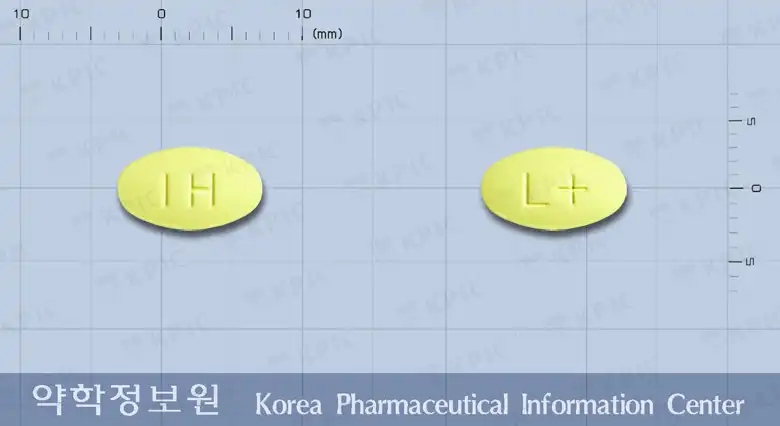
Yellow oval film-coated tablet
30 tablets/bottle, 300 tablets/bottle
Even with the same ingredient, strength, dosage form and how it is taken can differ.
Viewing nowCombinationLosartan Potassium 50mg · Hydrochlorothiazide 12.5mg
Tablet · Prescription medication · Combination
Ilhwa Co., Ltd.
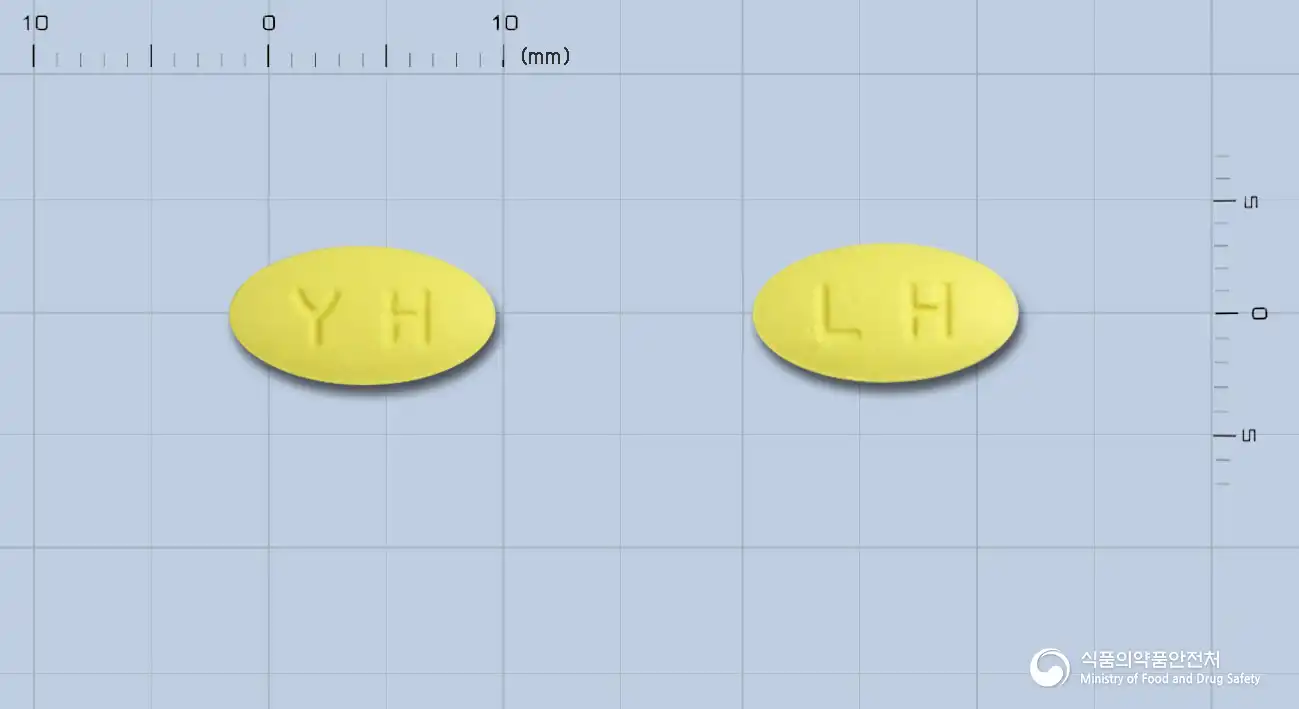 Combination
Losartan Potassium 50mg · Hydrochlorothiazide 12.5mg
Tablet · Prescription medication · Combination
(Co., Ltd.) Yuhan
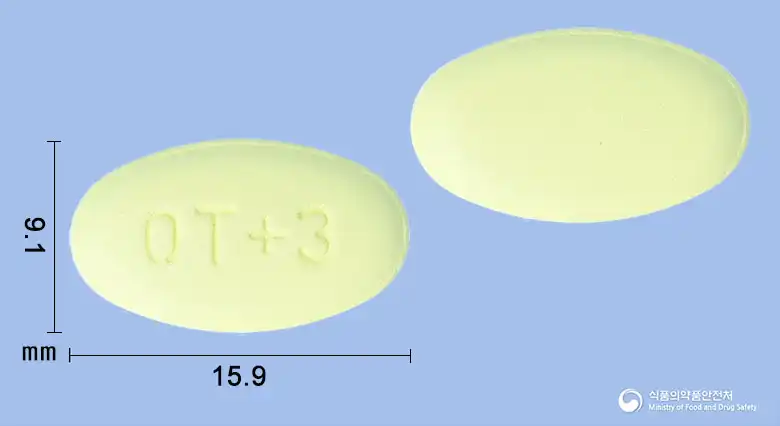 Combination
Losartan Potassium 100mg · Hydrochlorothiazide 25mg
Tablet · Prescription medication · Combination
Hanmi Pharmaceutical Co., Ltd.
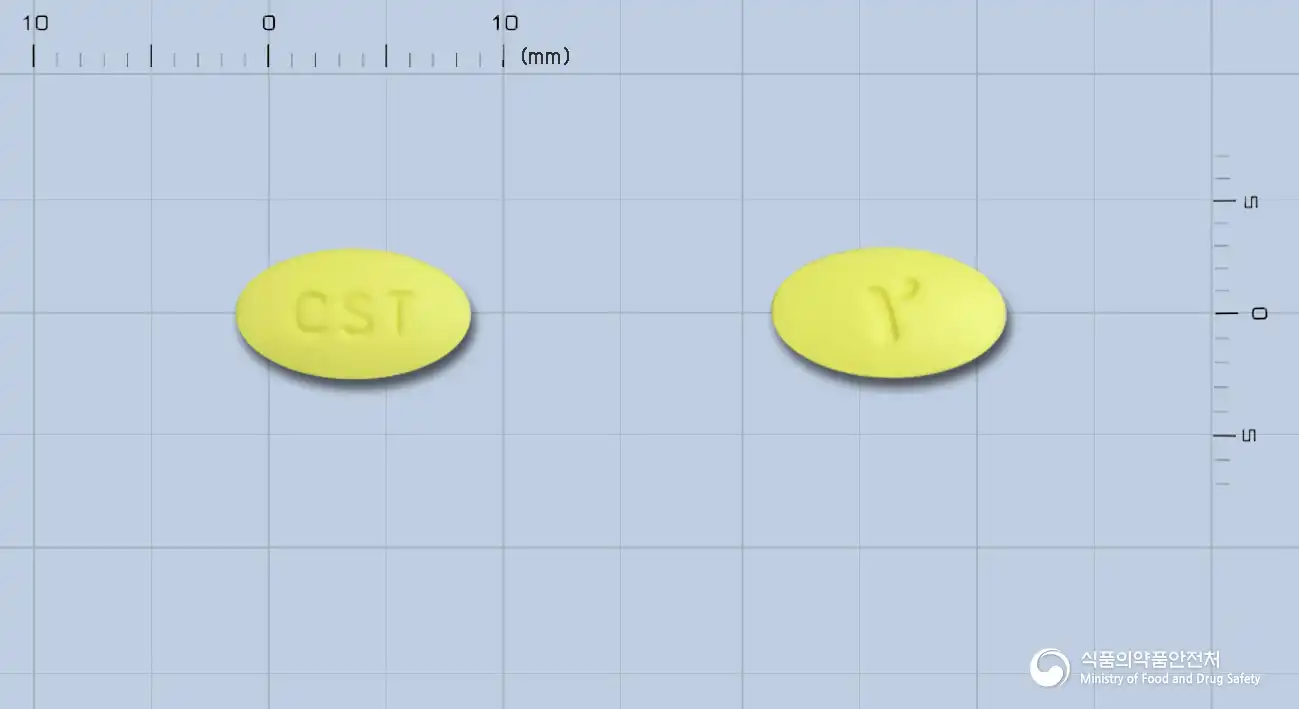 Combination
Losartan Potassium 50mg · Hydrochlorothiazide 12.5mg
Tablet · Prescription medication · Combination
(Co., Ltd. ) Yuyoung Pharmaceutical
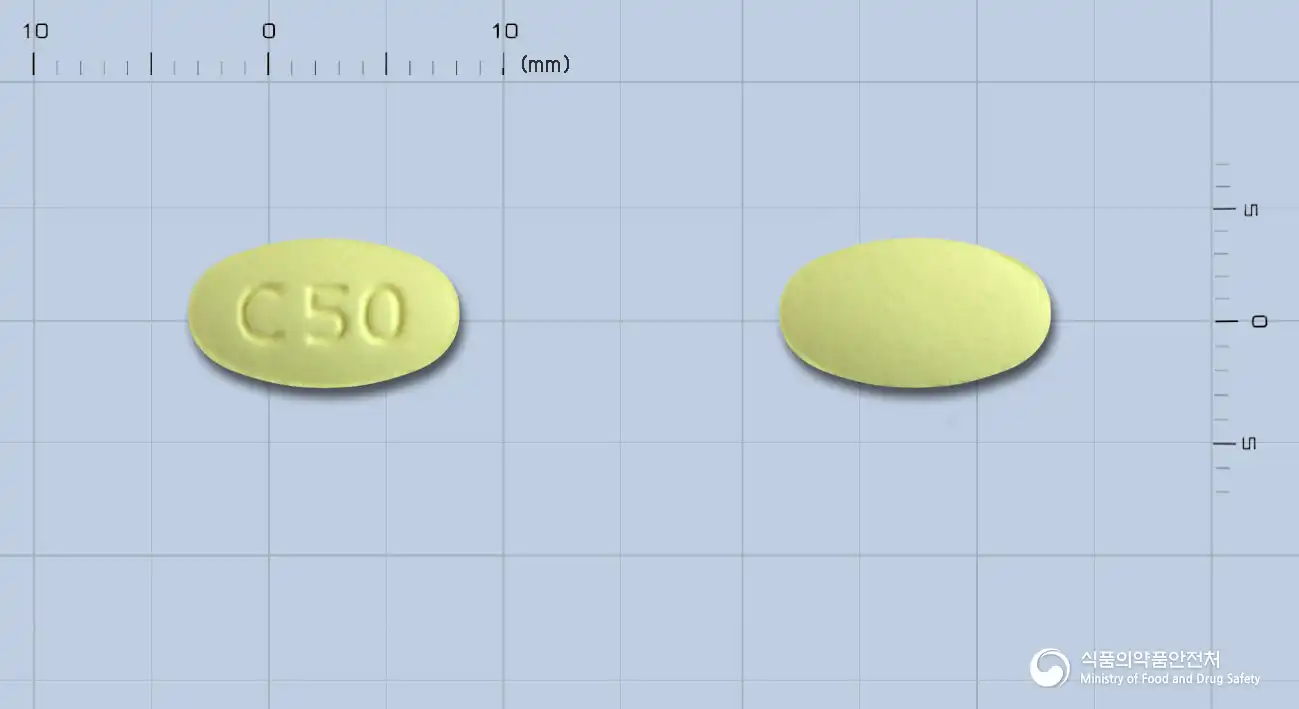 Combination
Losartan Potassium 50mg · Hydrochlorothiazide 12.5mg
Tablet · Prescription medication · Combination
Youngpoong Pharmaceutical Co., Ltd.
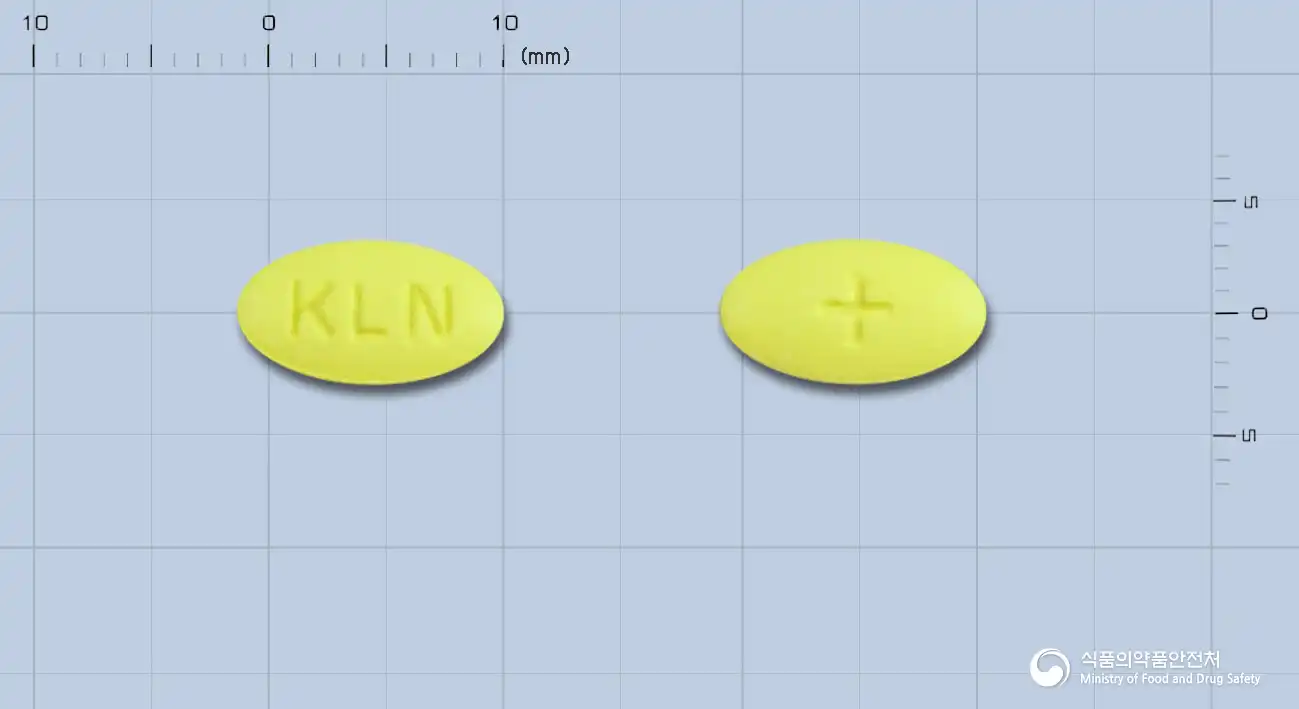 Combination
Losartan Potassium 50mg · Hydrochlorothiazide 12.5mg
Tablet · Prescription medication · Combination
Kolon Pharmaceutical Co., Ltd.
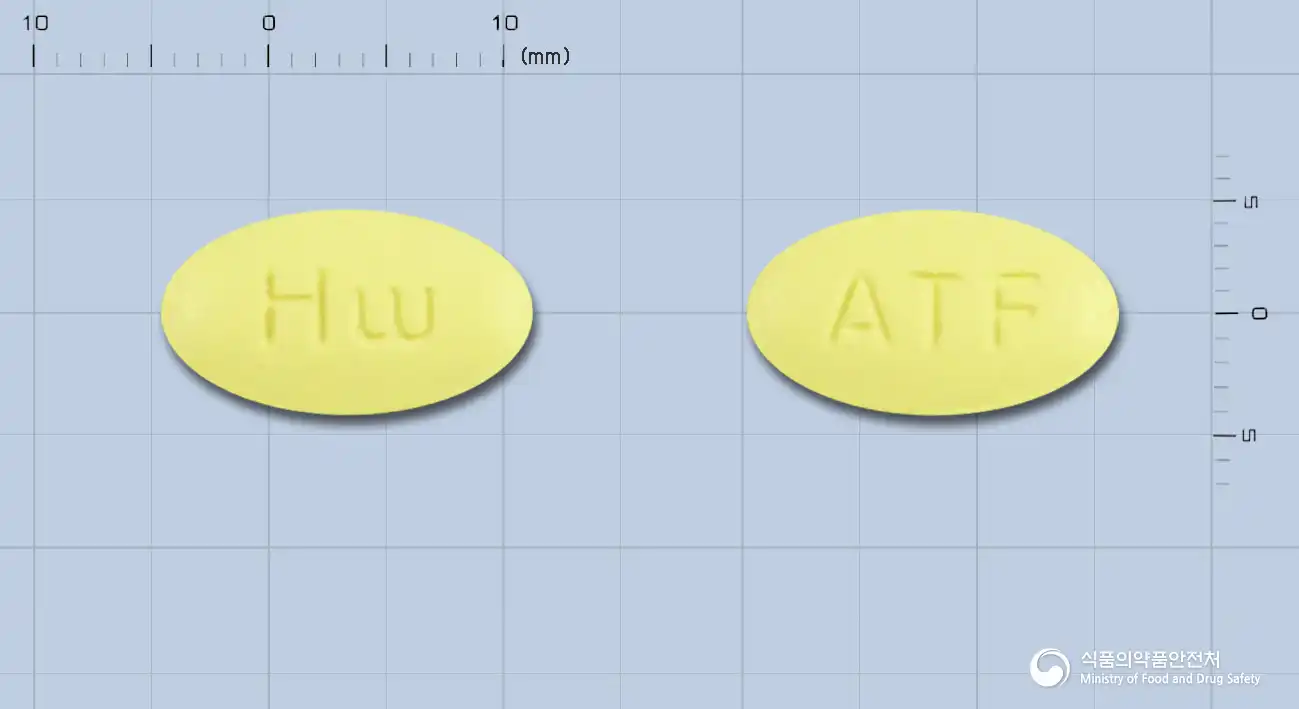 Combination
Losartan Potassium 100mg · Hydrochlorothiazide 25mg
Tablet · Prescription medication · Combination
NBK Pharmaceutical Co., Ltd.
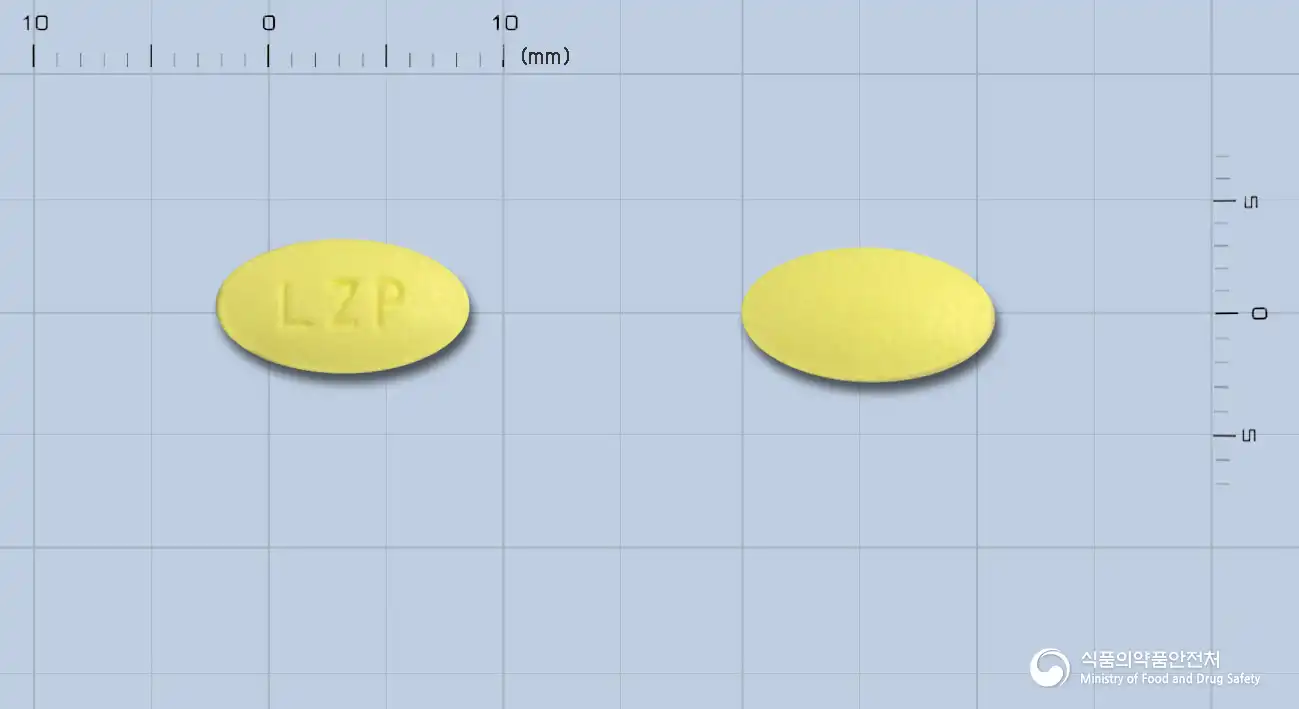 Combination
Losartan Potassium 50mg · Hydrochlorothiazide 12.5mg
Tablet · Prescription medication · Combination
Dongkwang Pharmaceutical Co., Ltd.
Even with the same ingredient, the dose and directions can differ by strength and dosage form. Talk to a doctor or pharmacist before switching from a medication you are already taking.
No questions yet.
For anything that needs medical judgment, consult a doctor or pharmacist.
This drug information is based on data provided by the Korea Ministry of Food and Drug Safety.
Consult a doctor or pharmacist for accurate dosage, administration, and usage instructions.