
 한국어
한국어 English
 日本語
日本語 中文(简体)
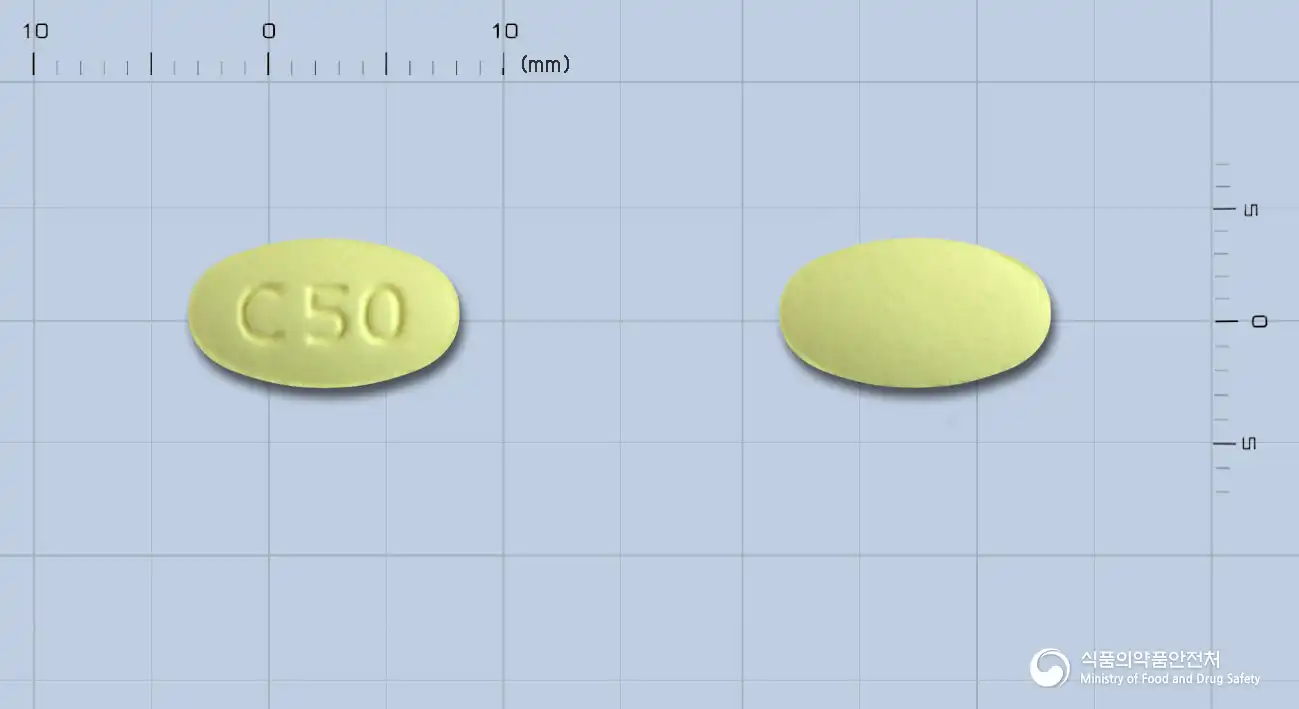 Viewing nowCombination
Kozartan Plus Tablet
Losartan Potassium 50mg · Hydrochlorothiazide 12.5mg
Tablet · Prescription medication · Combination
Youngpoong Pharmaceutical Co., Ltd.
MFDS item code 200606808 · Notified 2006.11.20 · Insurance code 661901630
Improvement of blood pressure control in patients with hypertension not adequately controlled with monotherapy
This medication is used for patients with hypertension whose blood pressure is not adequately controlled with monotherapy.
The usual dose for adults is one tablet of Losartan potassium 50 mg/Hydrochlorothiazide 12.5 mg once daily. Doses exceeding Losartan potassium 100 mg/Hydrochlorothiazide 25 mg per day are not desirable. 1. If blood pressure is not controlled with monotherapy of Losartan or Hydrochlorothiazide, start with one tablet of Losartan potassium 50 mg/Hydrochlorothiazide 12.5 mg once daily.
There is no experience in using this medication in children and adolescents (under 18 years), so it should not be administered.
This medication can cause serious harm or death to the fetus and newborn if taken during pregnancy, especially in the second and third trimesters, so it must be stopped immediately upon confirmation of pregnancy. This medication should not be used in patients with certain allergies, severely impaired kidney function, severe liver dysfunction, pregnant women, and patients with certain genetic lactose intolerance. Use this medication with caution in patients with specific conditions such as hypotension, kidney disease, liver dysfunction, systemic lupus erythematosus, hyperkalemia, or the elderly. As this medication lowers blood pressure, dizziness or drowsiness may occur initially or after a dose adjustment, so caution is needed. The hydrochlorothiazide component can cause electrolyte imbalances, requiring regular blood tests to check potassium, sodium, etc., and extra caution is needed during severe vomiting or diarrhea. This medication may interact with other drugs, so if you are currently taking any medications, inform your doctor or pharmacist. In particular, if taken with potassium supplements or medications containing potassium, blood potassium levels may increase to dangerous levels, so do not take it without consulting a doctor. If any new lesions or unusual changes appear on the skin while taking this medication, inform medical personnel immediately, minimize sun exposure, and take appropriate protective measures. If breastfeeding, consult a doctor regarding whether to continue breastfeeding or discontinue the medication, as this medication may be passed to the baby through breast milk. This medication is not used in children or adolescents due to insufficient safety and efficacy data. In case of overdose, symptoms such as low blood pressure, rapid heartbeat, and bradycardia may occur, so seek appropriate medical treatment immediately.
Not everyone experiences these, and they can vary from person to person.
This medication may be sensitive to light, so it should be stored in a container that prevents light exposure. Additionally, it should be kept at a normal room temperature, between 1 and 30 degrees Celsius, away from excessively hot or cold places.
Yellow oval film-coated tablets
30 tablets/bottle, 300 tablets/bottle
Even with the same ingredient, strength, dosage form and how it is taken can differ.
Viewing nowCombinationLosartan Potassium 50mg · Hydrochlorothiazide 12.5mg
Tablet · Prescription medication · Combination
Youngpoong Pharmaceutical Co., Ltd.
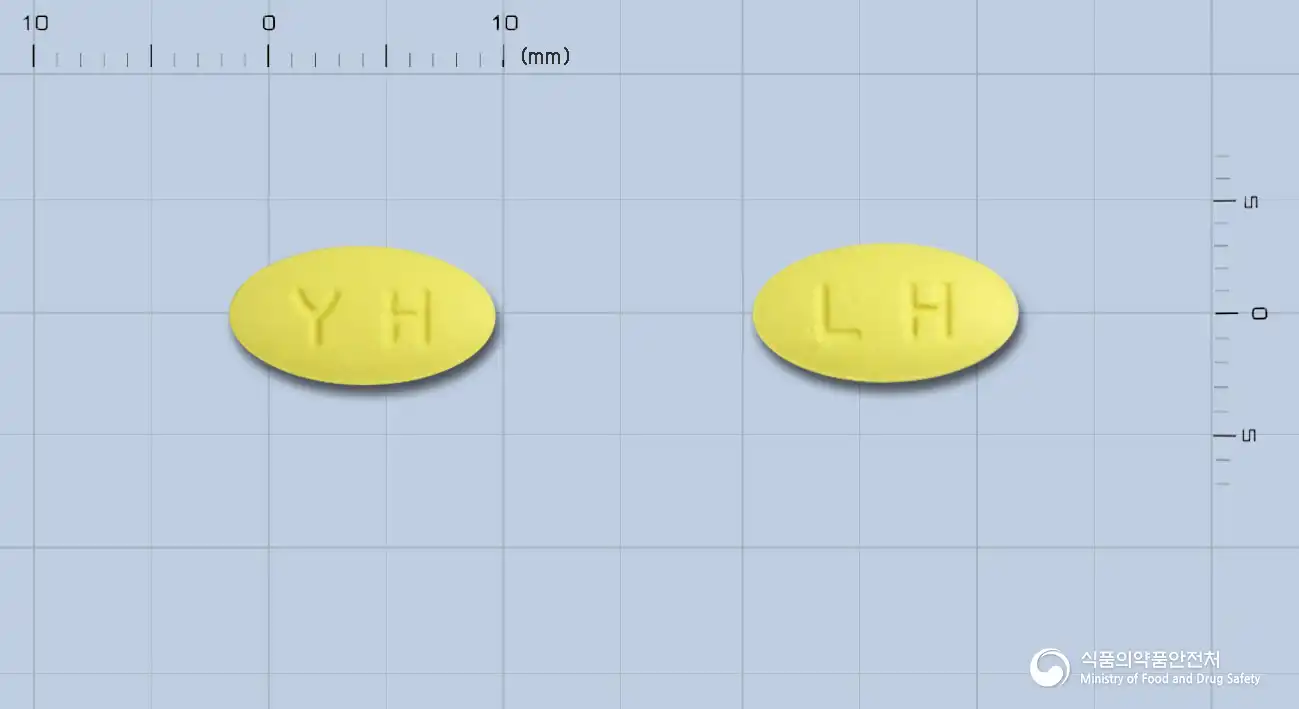 Combination
Losartan Potassium 50mg · Hydrochlorothiazide 12.5mg
Tablet · Prescription medication · Combination
(Co., Ltd.) Yuhan
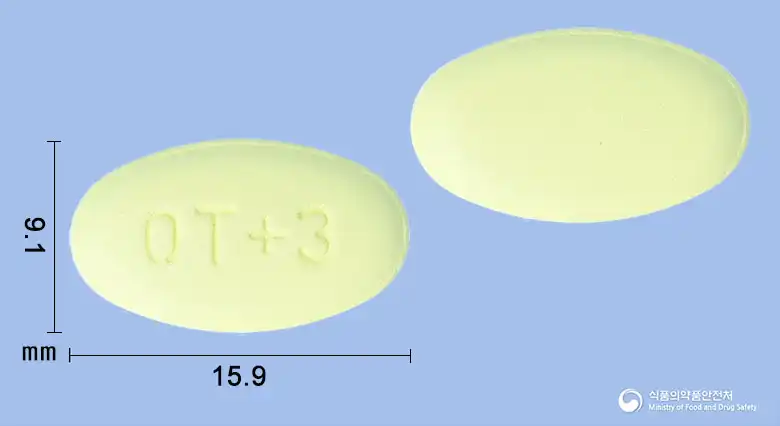 Combination
Losartan Potassium 100mg · Hydrochlorothiazide 25mg
Tablet · Prescription medication · Combination
Hanmi Pharmaceutical Co., Ltd.
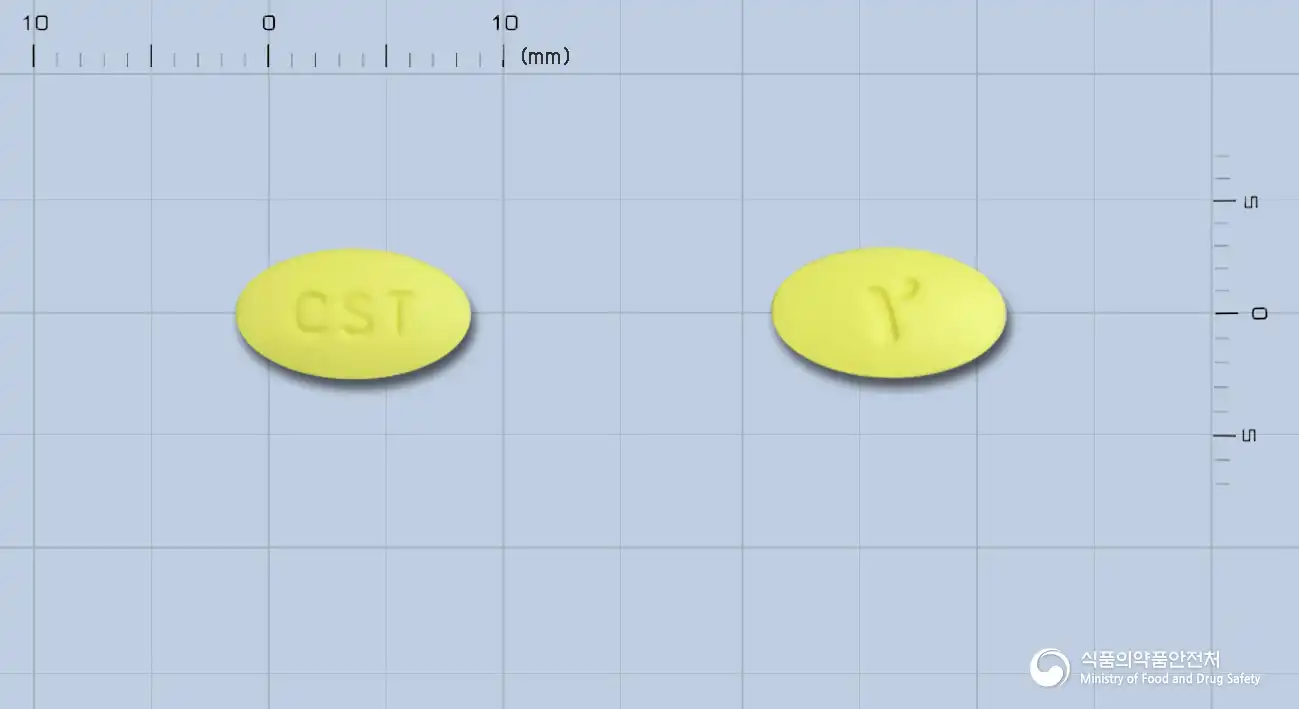 Combination
Losartan Potassium 50mg · Hydrochlorothiazide 12.5mg
Tablet · Prescription medication · Combination
(Co., Ltd. ) Yuyoung Pharmaceutical
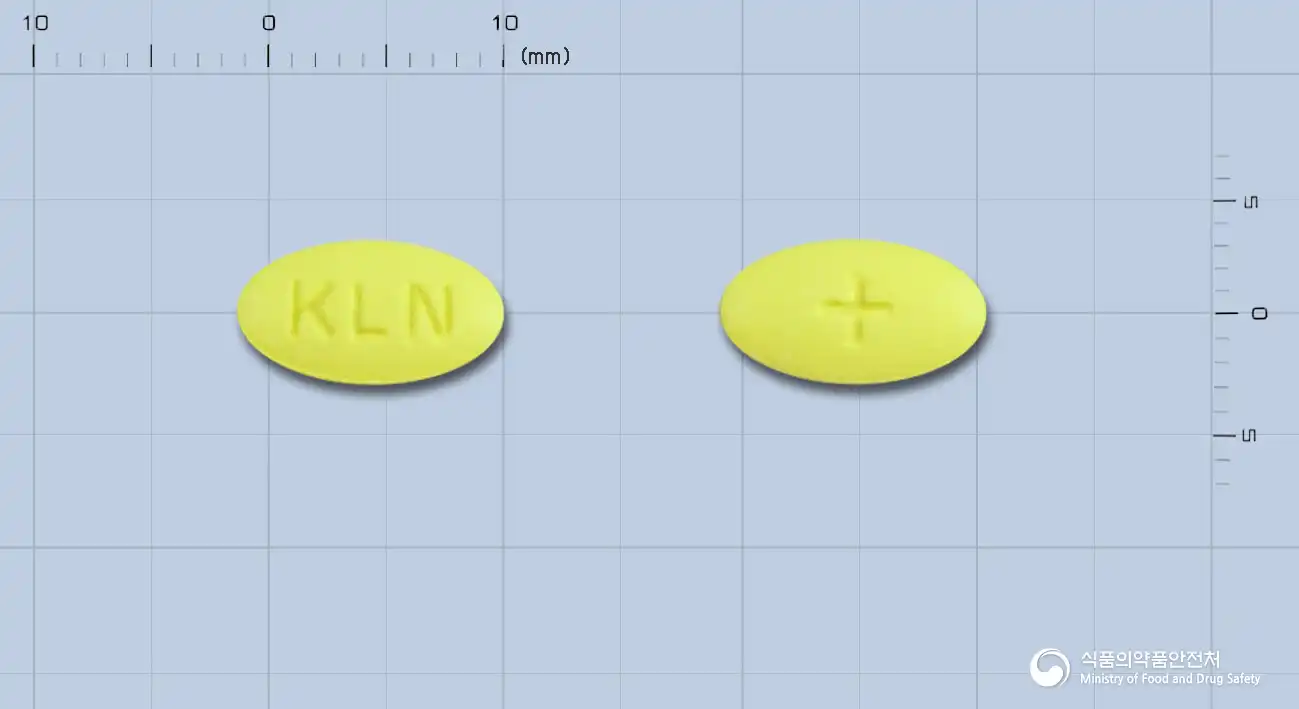 Combination
Losartan Potassium 50mg · Hydrochlorothiazide 12.5mg
Tablet · Prescription medication · Combination
Kolon Pharmaceutical Co., Ltd.
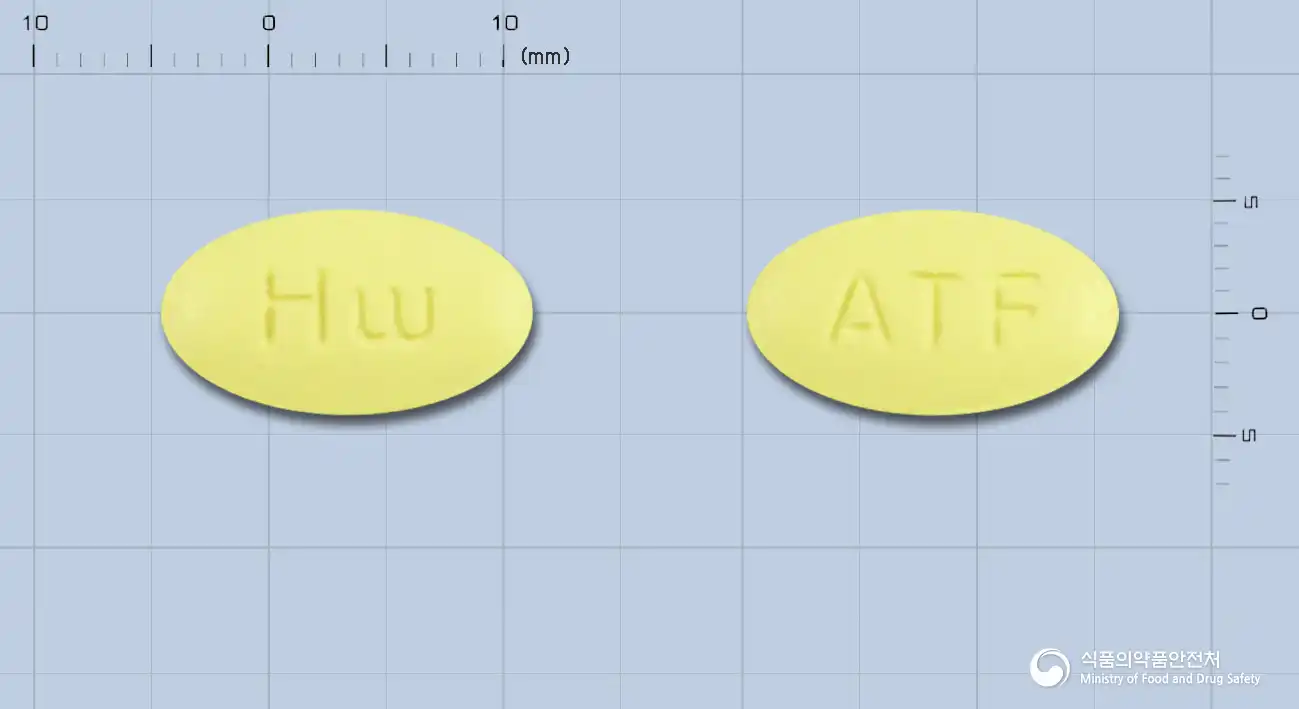 Combination
Losartan Potassium 100mg · Hydrochlorothiazide 25mg
Tablet · Prescription medication · Combination
NBK Pharmaceutical Co., Ltd.
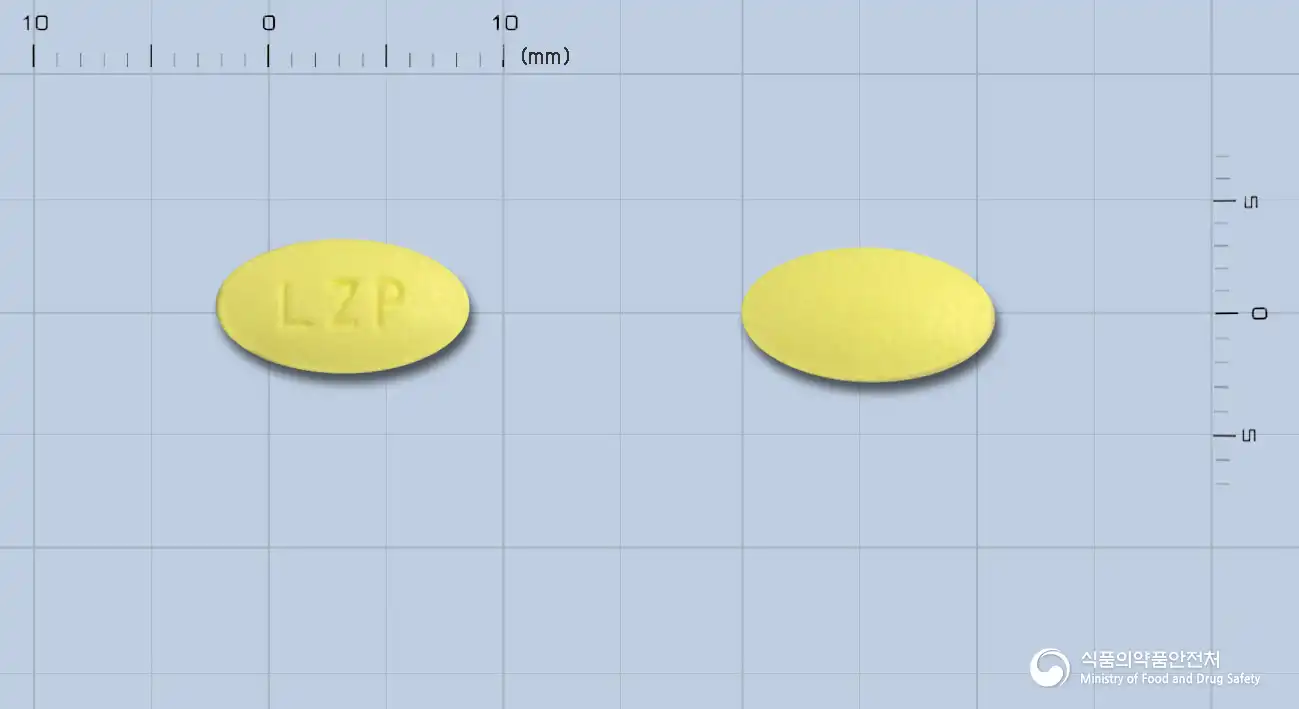 Combination
Losartan Potassium 50mg · Hydrochlorothiazide 12.5mg
Tablet · Prescription medication · Combination
Dongkwang Pharmaceutical Co., Ltd.
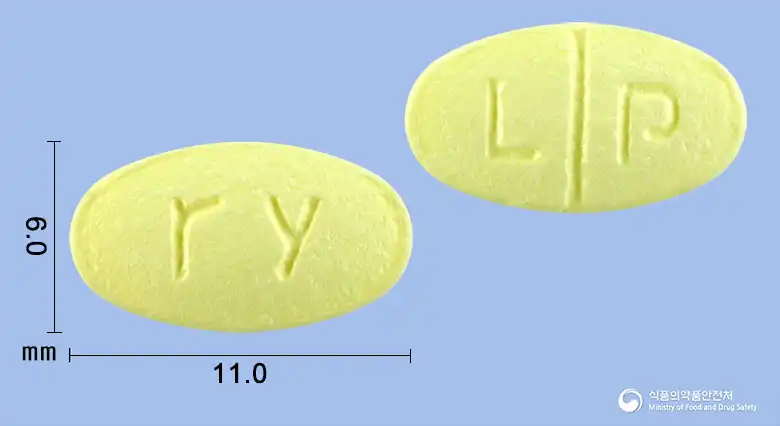 Combination
Losartan Potassium 50mg · Hydrochlorothiazide 12.5mg
Tablet · Prescription medication · Combination
IYON Pharmaceutical Co., Ltd.
Even with the same ingredient, the dose and directions can differ by strength and dosage form. Talk to a doctor or pharmacist before switching from a medication you are already taking.
No questions yet.
For anything that needs medical judgment, consult a doctor or pharmacist.
This drug information is based on data provided by the Korea Ministry of Food and Drug Safety.
Consult a doctor or pharmacist for accurate dosage, administration, and usage instructions.