
 한국어
 English
 日本語
 中文(简体)
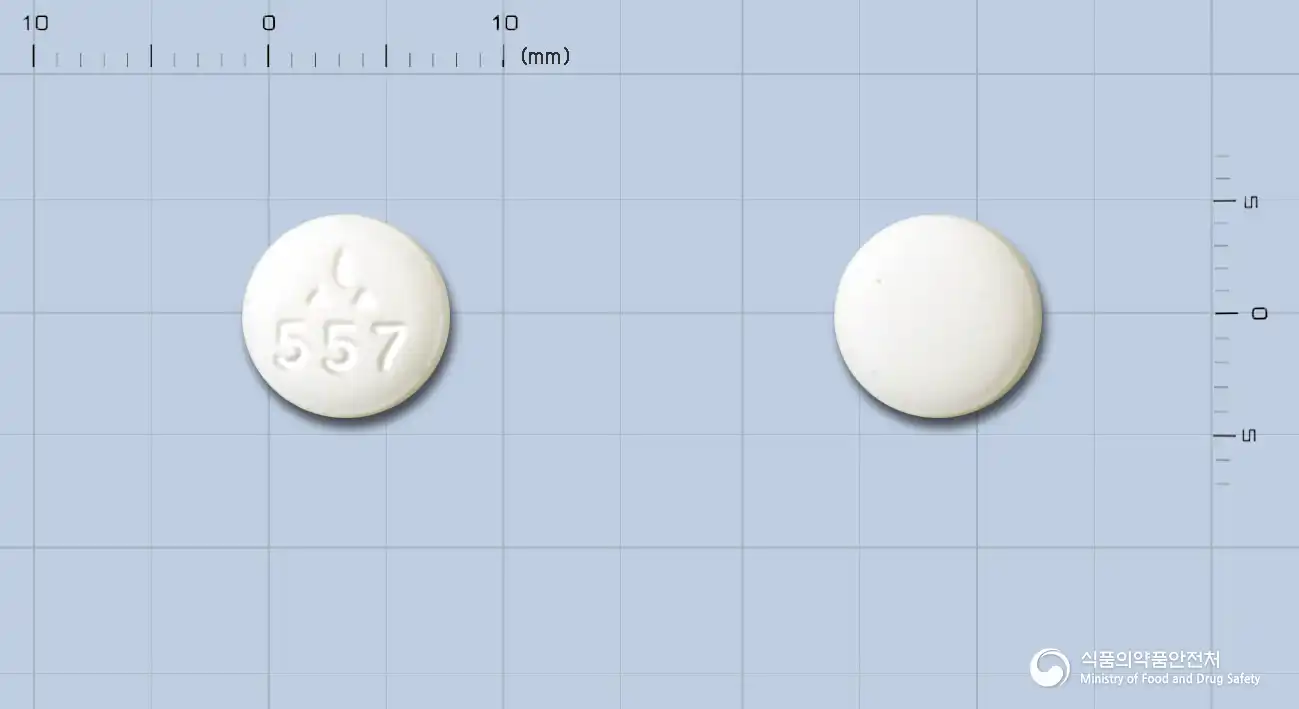 Viewing now
HaruNaldi Tablet 0.2 mg (Tamsulosin Hydrochloride)
Tamsulosin Hydrochloride 0.2mg
Tablet · Prescription medication
Korea Astellas Pharma Co., Ltd.
MFDS item code 200606210 · Approved 2006.03.08 · Insurance code 677200160
Improvement of voiding dysfunction associated with benign prostatic hyperplasia
This medication is used to treat urinary disturbances caused by benign prostatic hyperplasia.
Adults: Administer tamsulosin hydrochloride 0.2 mg orally once daily after a meal. Adjust the dose as appropriate according to symptoms. This medicine disintegrates in the mouth but is not absorbed through the oral mucosa. Place it on the tongue, moisten it with saliva, gently break it up with the tongue, and swallow it using saliva alone. Alternatively, swallow this medicine whole with water. Do not chew this medicine.
This medicine should not be used in certain patients. Patients who have had an allergy to this medicine or its ingredients, those with sudden hypotension (orthostatic hypotension), patients with severe liver dysfunction, and women who are pregnant or may become pregnant should not take this medicine. Additionally, caution is needed for patients with severe kidney dysfunction, elderly patients, and those taking specific antihypertensive agents or medications together. In particular, when taken with blood pressure-lowering medications or certain alpha-1 blockers, hypotension or dizziness may occur, so careful usage is advised. This medicine may cause side effects such as dizziness, drowsiness, headache, decreased blood pressure, heart rhythm abnormalities, skin rash, dyspepsia, and liver function abnormalities. If loss of consciousness or severe allergic reactions occur, discontinue the medication immediately and seek medical treatment. As this medicine can lower blood pressure, care should be taken to avoid overdose, and one should move slowly as blood pressure may drop and cause dizziness upon standing up. Caution is needed when driving or working at heights due to the risk of accidents caused by dizziness. Since this medicine may have symptoms similar to prostate cancer and benign prostatic hyperplasia, it is important to confirm the absence of prostate cancer before taking this medication. Rarely, there may be a condition of prolonged erection, which requires immediate consultation with a doctor. Patients scheduled for cataract or glaucoma surgery may require special attention during the procedure. Patients with a history of allergy to sulfa drugs should be cautious when taking this medicine. This medicine may increase the risk of side effects when taken with other antihypertensive agents, certain antibiotics, analgesics, etc., so it is essential to consult with a physician or pharmacist. It is safer for women who are pregnant or breastfeeding, and for children under 18 years old, not to take this medicine. Elderly patients may have decreased kidney function, so starting with a lower dose and closely monitoring their condition is advisable. This medication must be taken out of the packaging before use and should not be chewed or opened, especially the orally disintegrating tablets or prolonged-release forms, as chewing can change the efficacy. Keep this medication out of the reach of children and avoid transferring it to another container.
Not everyone experiences these, and they can vary from person to person.
This medication should be stored in a tightly sealed container to prevent air or moisture from entering, and the storage temperature should be kept between 1 and 30 degrees Celsius. Storing it this way helps maintain the medication's effectiveness and prevents degradation.
This medicine is a white, round tablet.
140 tablets (14 tablets/PTP x 10)/Box
Even with the same ingredient, strength, dosage form and how it is taken can differ.
Viewing nowTamsulosin Hydrochloride 0.2mg
Tablet · Prescription medication
Korea Astellas Pharma Co., Ltd.
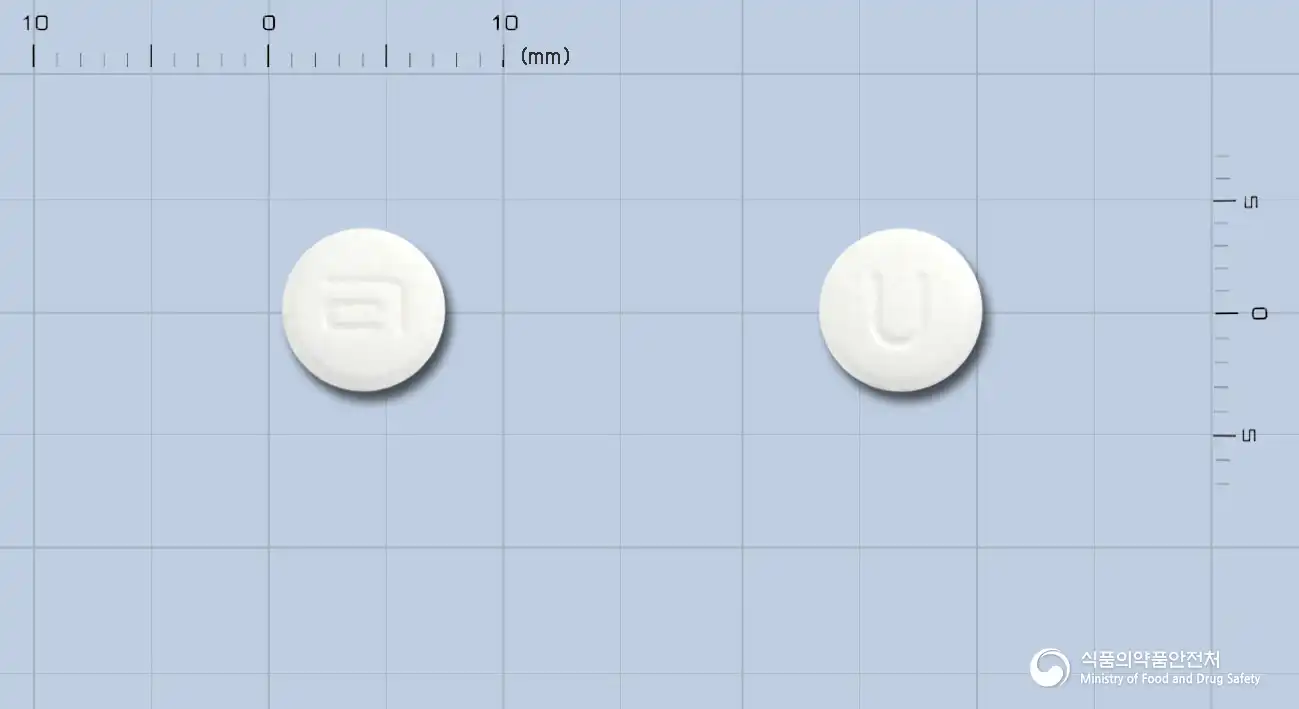
Tamsulosin Hydrochloride 0.2mg
Tablet · Prescription medication
Kyungdong Pharmaceutical Co., Ltd.
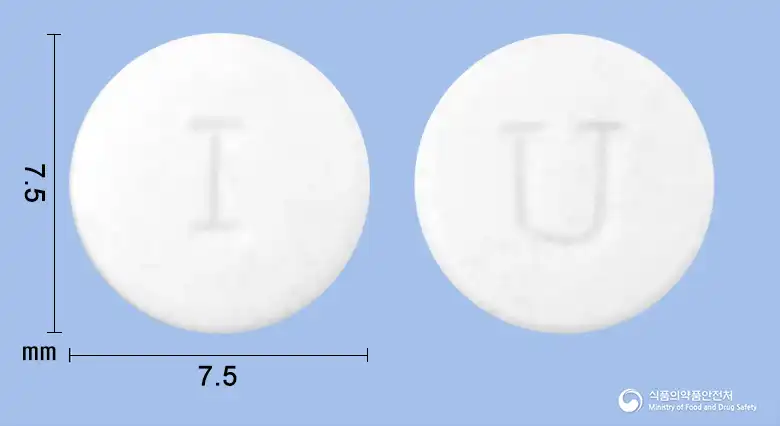
Tamsulosin Hydrochloride 0.2mg
Tablet · Prescription medication
Il Dong Pharmaceutical Co., Ltd.
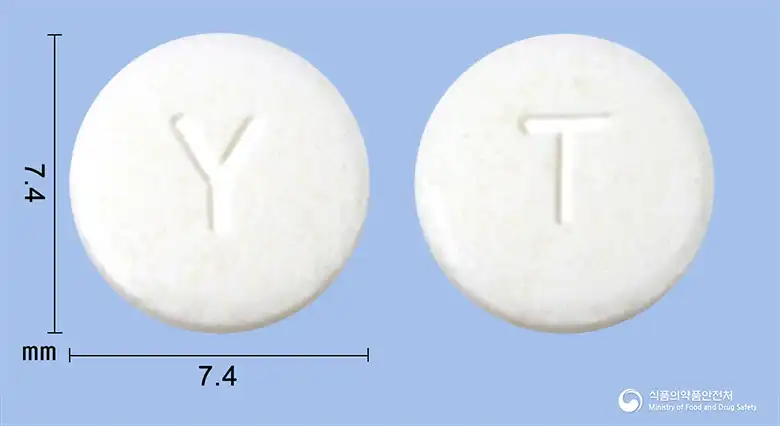
Tamsulosin Hydrochloride 0.2mg
Tablet · Prescription medication
Yuhan Corporation
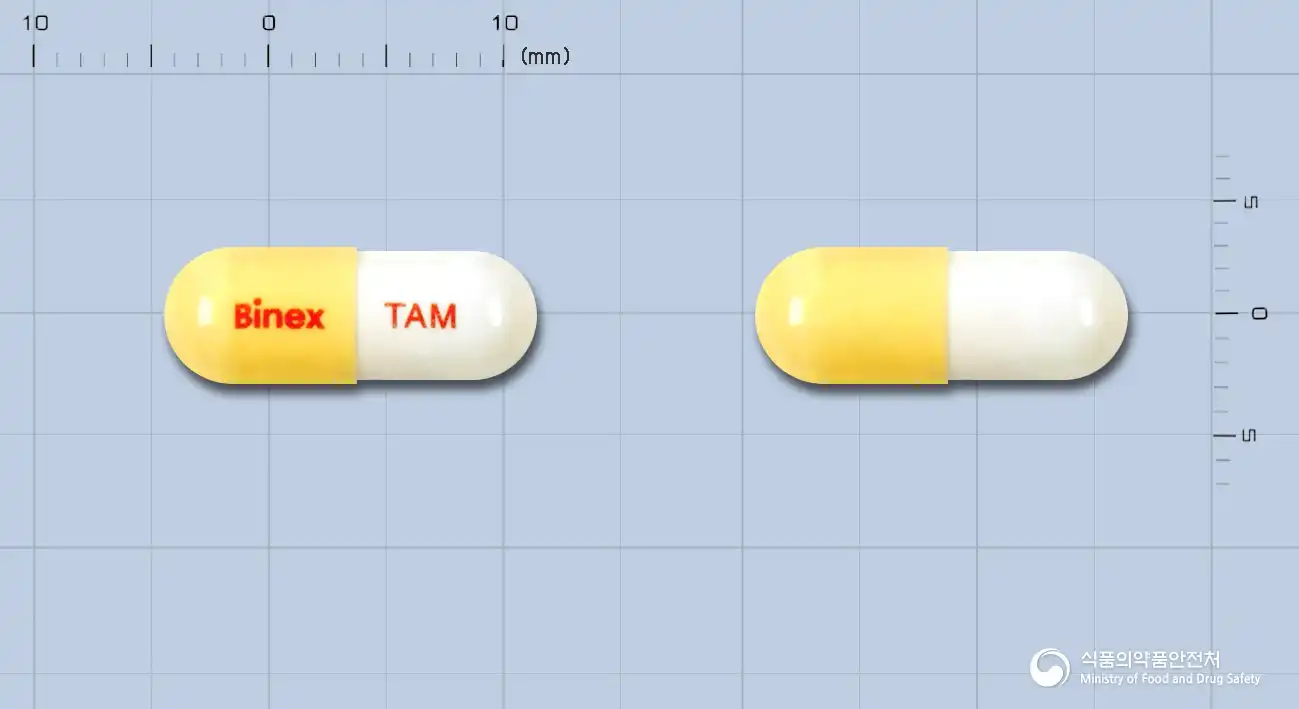
Tamsulosin Hydrochloride 0.2mg
Prescription medication
Bynex Co., Ltd.
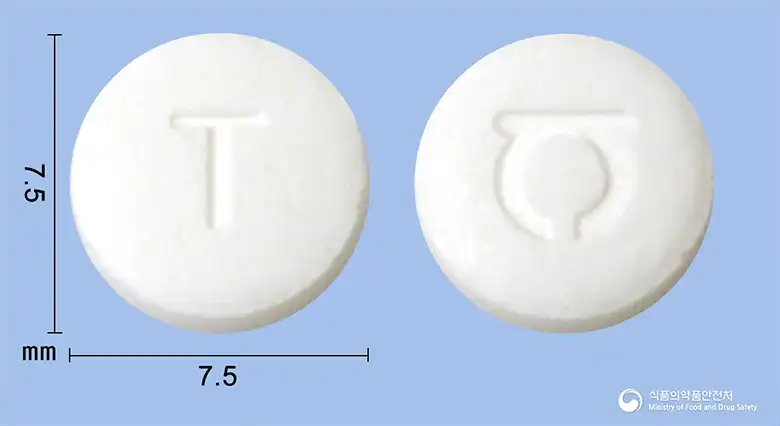
Tamsulosin Hydrochloride 0.2mg
Tablet · Prescription medication
Youngjin Pharmaceutical Co., Ltd.
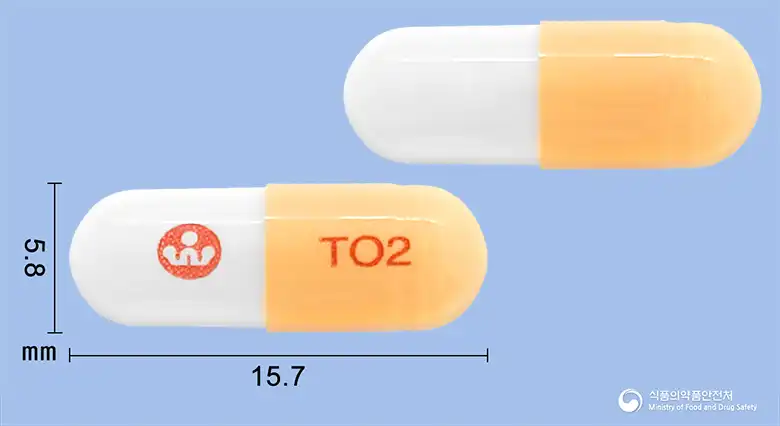
Tamsulosin Hydrochloride 0.2mg
Prescription medication
Han-in Pharmaceutical Co., Ltd.
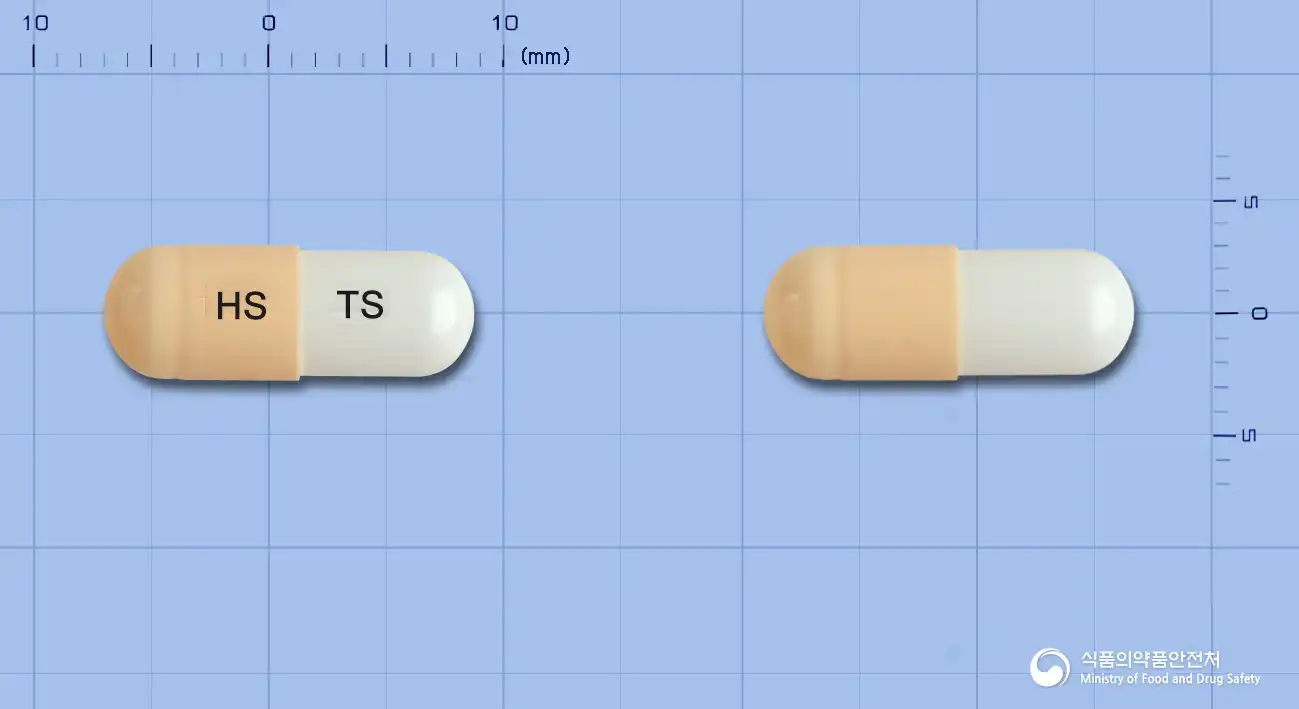
Tamsulosin Hydrochloride 0.2mg
Hard capsule · Prescription medication
Huons Co., Ltd.
Even with the same ingredient, the dose and directions can differ by strength and dosage form. Talk to a doctor or pharmacist before switching from a medication you are already taking.
No questions yet.
For anything that needs medical judgment, consult a doctor or pharmacist.
This drug information is based on data provided by the Korea Ministry of Food and Drug Safety.
Consult a doctor or pharmacist for accurate dosage, administration, and usage instructions.