
 한국어
 English
 日本語
 中文(简体)
Dosage form image
Viewing nowPentasa Extended-Release Granules 1 Gram (Mesalazine)
Mesalazine 1g
Prescription medication
Korea Ferring Pharmaceuticals Co., Ltd.
MFDS item code 200606206 · Approved 2006.06.15 · Insurance code 652500221
Treatment of ulcerative colitis and Crohn's disease
This medication is used for the treatment of mild to moderate ulcerative colitis and Crohn's disease. Both conditions are inflammatory bowel diseases that help to alleviate inflammation of the intestinal mucosa and improve symptoms. Patients may experience a reduction in inflammation and relief from symptoms such as bowel disturbances and abdominal pain when taking this medication. If used safely, it can contribute to long-term management. Therefore, this medication is an effective choice for treating inflammatory bowel diseases.
This medicine must not be chewed. Pour the entire contents onto the tongue and swallow with water or juice. Ulcerative colitis: Adults should take up to 4g per day of mesalazine orally during acute episodes, once daily or in 2~4 divided doses. For maintenance therapy, take 2g per day orally as a single daily dose. Crohn's disease: Adults should take up to 4g per day of mesalazine orally in divided doses.
Ulcerative colitis, children aged 6 years and older: During acute episodes, administer 30~50mg/kg per day orally in divided doses. The maximum daily dose for children must not exceed the recommended adult dose. Ulcerative colitis, children aged 6 years and older: For maintenance therapy, administer 15~30mg/kg per day orally in divided doses. The maximum daily dose for children must not exceed the recommended adult dose. Ulcerative colitis, children weighing no more than 40kg: As a general rule, the recommended dose is half the adult dose. Ulcerative colitis, children weighing 40kg: The recommended dose is the usual adult dose. Crohn's disease, children aged 6 years and older: During acute episodes, administer 30~50mg/kg per day orally in divided doses. Crohn's disease, children aged 6 years and older: For maintenance therapy, administer 15~30mg/kg per day orally in divided doses. Crohn's disease, children weighing no more than 40kg: As a general rule, the recommended dose is half the adult dose. Crohn's disease, children weighing 40kg: The recommended dose is the usual adult dose.
This medication should not be used in patients who have allergies or have experienced hypersensitivity reactions to salicylic acid or salicylates. It is contraindicated in patients with severely impaired liver or kidney function, patients with peptic ulcers, patients with bleeding disorders, and children under the age of 6. Additionally, this medication should not be used in patients with a history of asthma attacks or other hypersensitivity reactions, patients with uncontrolled severe heart failure, and patients undergoing certain cancer treatments. Caution is advised with patients who have bronchial asthma, have allergies to other medications, have mild impairments in liver or kidney function, have blood disorders, are pregnant or breastfeeding, as well as children and adolescents aged 6 to 18, the elderly, and those who have had hypersensitivity reactions to sulfasalazine. Common side effects include diarrhea, nausea, abdominal pain, headache, vomiting, and rash, but serious allergic reactions or skin adverse reactions may occur rarely. Serious adverse symptoms such as blood abnormalities, liver or kidney dysfunction, myocarditis, lung disease may appear, hence regular blood tests and liver and kidney function tests are required. In the early treatment phase, regular tests should be done per the physician's instructions, and medication should be discontinued and consulted with a healthcare professional if any abnormal symptoms appear. This medication should be used under medical supervision and should be discontinued if kidney function worsens. Furthermore, this medication may interact with other drugs, so it's essential to inform healthcare professionals about any current medications being taken. Pregnant or breastfeeding women should use this medication with caution, and breastfeeding should be discontinued if diarrhea or other adverse reactions occur during nursing. Care should be taken when administering this medication to children and the elderly, particularly starting at lower doses for the elderly. In case of overdose, as no specific antidote exists, appropriate treatment and monitoring according to symptoms are necessary. This medication should be swallowed whole and not crushed or chewed.
Diarrhea, nausea, abdominal pain, headache, vomiting, rash, hypersensitivity reaction, drug reaction with eosinophilia and systemic symptoms (DRESS syndrome), Stevens-Johnson syndrome (SJS), toxic epidermal necrolysis (TEN), anemia, aplastic anemia, agranulocytosis, neutropenia, leukopenia, pancytopenia, thrombocytopenia, anaphylactic reaction, dizziness, peripheral neuropathy, idiopathic intracranial hypertension, myocarditis, pericarditis, dyspnea, cough, bronchospasm, allergic alveolitis, pulmonary eosinophilia, interstitial lung disease, pulmonary infiltrates, pneumonia, pleuritis, bloating, amylase increase, acute pancreatitis, colitis, increase in aminotransferase, bile duct obstruction, hepatotoxicity, hepatitis, cholestatic hepatitis, cirrhosis, liver failure, urticaria, erythematous rash, photosensitivity, hair loss, allergic rash, erythema multiforme, myalgia, arthralgia, erythema nodosum syndrome, renal dysfunction, acute and chronic interstitial nephritis, nephrotic syndrome, renal failure, nephrolithiasis, urine discoloration, reversible sperm deficiency, abdominal distention, belching, increased methemoglobin levels, conjunctivitis, benign intracranial hypertension in adolescents, angioedema
Not everyone experiences these, and they can vary from person to person.
This medication should be stored in a tightly sealed container to avoid exposure to air or moisture. It should also be kept at room temperature, neither too hot nor too cold.
Pale gray to light brown cylindrical granules
50 packets/box
Even with the same ingredient, strength, dosage form and how it is taken can differ.
Mesalazine 1g
Prescription medication
Korea Ferring Pharmaceuticals Co., Ltd.
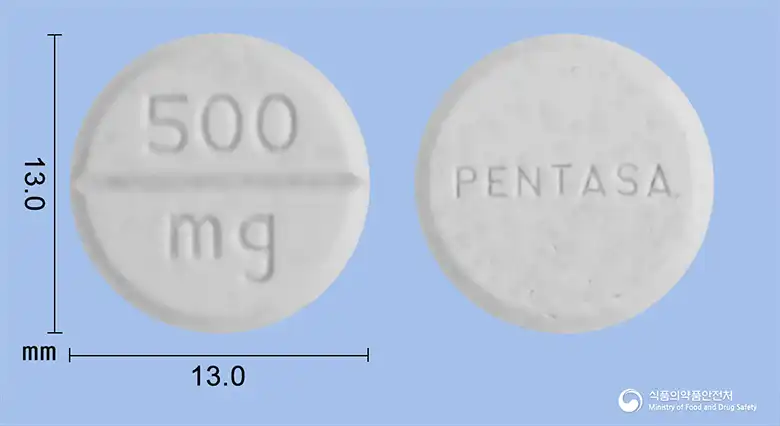
Mesalazine 500mg
Tablet · Prescription medication
Korea Ferring Pharmaceutical Co., Ltd.
Mesalazine 1000mg
Prescription medication
Korea PhaRing Pharmaceutical Co., Ltd.
Mesalazine 4g
Suspension · Prescription medication
Daewoong Pharmaceutical Co., Ltd.
Mesalazine 500mg
Prescription medication
Daiwoong Pharmaceutical Co., Ltd.
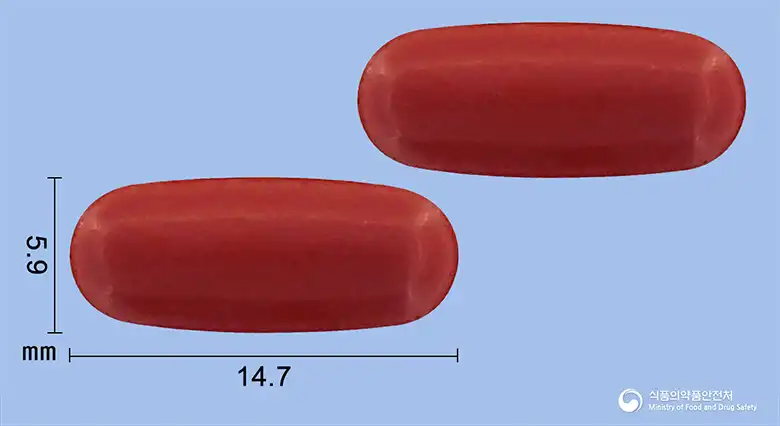
Mesalazine 400mg
Tablet · Prescription medication
Daewoong Pharmaceutical Co., Ltd.
Mesalazine 2g
Prescription medication
Korea Ferring Pharmaceuticals Co., Ltd.
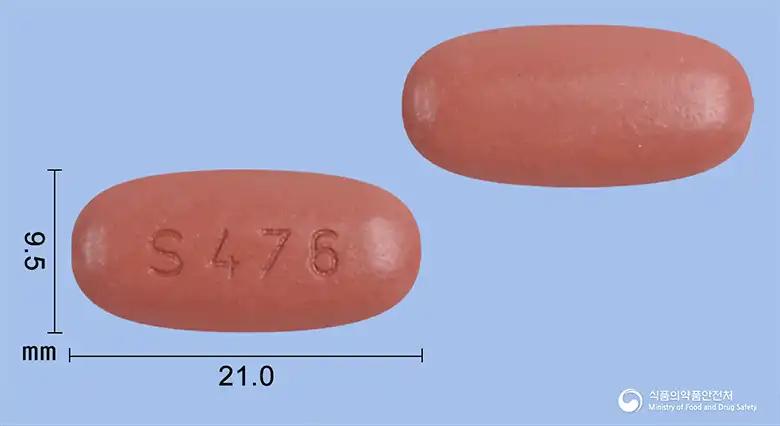
Mesalazine 1200mg
Tablet · Prescription medication
Takeda Pharmaceuticals Korea Co., Ltd.
Even with the same ingredient, the dose and directions can differ by strength and dosage form. Talk to a doctor or pharmacist before switching from a medication you are already taking.
No questions yet.
For anything that needs medical judgment, consult a doctor or pharmacist.
This drug information is based on data provided by the Korea Ministry of Food and Drug Safety.
Consult a doctor or pharmacist for accurate dosage, administration, and usage instructions.