
 한국어
한국어 English
 日本語
日本語 中文(简体)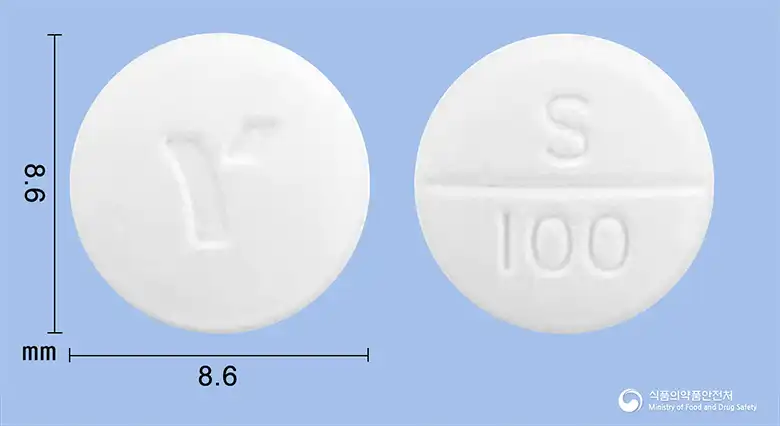
Summary
- Main use
- Improvement of ischemic symptoms such as chronic arterial occlusive disease (ulcer, pain, etc.)
- Who takes it
- Adults
- Adult dose
- Adults: Administer 100 mg of Sarpogrelate Hydrochloride orally after meals three times a day. Adjust dosage appropriately according to symptoms.
Ingredients
- Manufacturer
- (주)유영제약
Efficacy & effects
Improvement of ischemic symptoms such as chronic arterial occlusive disease (ulcer, pain, etc.)
- Chronic arterial occlusive disease
- ulcer
- pain
- cold sensation
- ischemic symptoms
View approved original textHide original text
This medication is used to improve ischemic symptoms such as ulcers, pain, and cold sensation caused by chronic arterial occlusive disease, Buerger's disease, obstructive arterial sclerosis, and diabetic peripheral vascular disease.
How to take
Adult dose
Adults: Administer 100 mg of Sarpogrelate Hydrochloride orally after meals three times a day. Adjust dosage appropriately according to symptoms.
Precautions
This drug should not be administered to patients with bleeding, as it may exacerbate bleeding. It is also safe for women who are pregnant or may become pregnant to avoid using this drug. Since it contains lactose, it should not be given to patients with lactose intolerance or certain genetic metabolic disorders. Women who are menstruating or patients with a tendency to bleed, as well as those taking anticoagulants or platelet aggregation inhibitors, should use this drug with caution due to the increased risk of bleeding. Patients with significantly reduced kidney function and the elderly may be affected in drug excretion and metabolism, so it should be used with caution. While taking this drug, side effects such as bleeding symptoms, liver function abnormalities, and blood abnormalities may occur, so patients should consult a healthcare professional immediately if any unusual symptoms arise. Additionally, hypersensitivity reactions such as skin rash or itching may occur, and the drug should be discontinued if such symptoms appear. Gastrointestinal symptoms may include vomiting, heartburn, abdominal pain, and patients should notify their healthcare provider if discomfort persists. Regular blood tests are recommended to check for adverse reactions. If taken with anticoagulants or platelet aggregation inhibitors, there is an increased risk of bleeding, so caution is required during co-administration. It is best for pregnant or nursing women to avoid this drug; if it must be used, it is safest to avoid breastfeeding. Safety for children has not been established, so it is generally not administered to them. The elderly should start with a lower dose and monitor their condition, as drug concentration may increase due to impaired kidney and liver function. This drug should be kept out of reach of children, and care should be taken not to transfer it to another container as it may compromise quality.
Side effects and when to seek care immediately
Serious side effects
Gastrointestinal bleeding (hematemesis and melena, etc.), cerebral hemorrhage, subcutaneous hemorrhage, agranulocytosis, anemia, thrombocytopenia, leukopenia, acute hepatitis, liver damage, jaundice, urticaria, respiratory distress
Mild side effects
- Erythema
- rash
- redness
- papules
- itching
- vomiting
- stomatitis
- nausea
- foreign body sensation (esophagus)
- heartburn
Show 24 moreCollapse
- abdominal pain
- constipation
- loss of appetite
- abdominal distension
- diarrhea
- palpitations
- chest pain
- facial flushing
- hand swelling
- drowsiness
- altered taste
- headache
- dizziness
- proteinuria
- hematuria
- elevated BUN
- elevated creatinine
- pharyngitis
- pharyngeal discomfort
- pharyngeal burning sensation
- weight gain
- elevated serum triglycerides
- elevated serum cholesterol
- elevated serum albumin
Not everyone experiences these, and they can vary from person to person.
Storage
This drug may be sensitive to air or moisture, so it must be stored in a tightly sealed container. Avoid storing it in excessively hot or cold places, and it is recommended to keep it at room temperature, between 1 and 30 degrees Celsius.
Appearance and packaging
Appearance
White round film-coated tablet
Package unit
30 tablets/bottle, 100 tablets/bottle
Questions about this medicine
No questions yet.
For anything that needs medical judgment, consult a doctor or pharmacist.