
 한국어
 English
 日本語
 中文(简体)
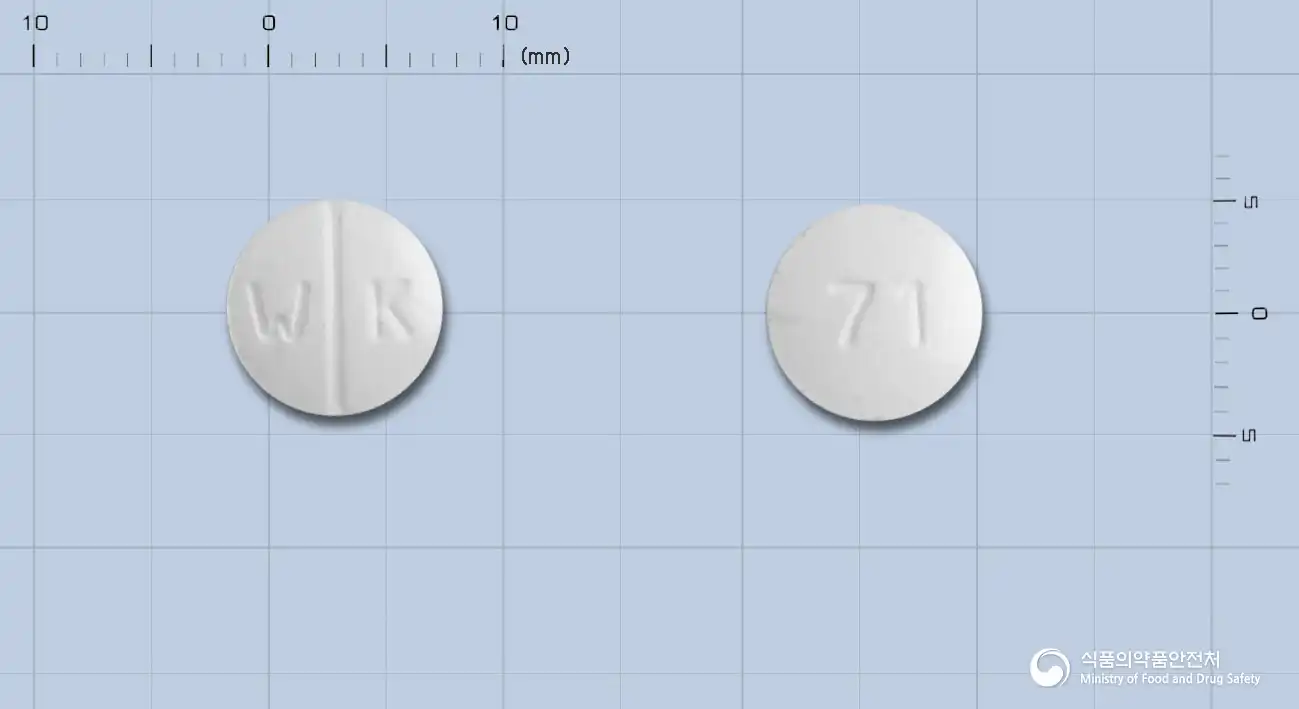 Viewing now
Torsemide 10 mg Tablets (Torsemide)
Torsemide 10mg
Tablet · Prescription medication
Austin Pharmaceutical Co., Ltd.
MFDS item code 200604259 · Approved 2006.05.26 · Insurance code 654302960
Relief of edema (e.g., due to congestive heart failure or cirrhosis)
Edema can occur due to various causes such as congestive heart failure, cirrhosis, and renal disease. This medication helps alleviate the symptoms of such edema and reduces the excess body fluid accumulated. It is therefore used to treat edema caused by congestive heart failure, cirrhosis, and renal diseases.
Take with a small amount of water at breakfast or another meal. Edema due to congestive heart failure: Administer torsemide orally at an initial and average maintenance dose of 5 mg once daily. If the therapeutic effect is inadequate, the dose may be increased to up to 20 mg once daily according to clinical symptoms. Edema due to cirrhosis (ascites): Administer an initial dose of 5 mg once daily orally. The daily dose may be increased to up to 40 mg according to clinical symptoms. Edema due to renal disease: Administer an initial dose of 5 ~ 20 mg per day orally. The dose may be increased to up to 100 mg per day according to clinical symptoms. Do not administer this drug to patients with severe hepatic failure. No special dosage adjustment is required in elderly patients.
Caution is necessary when administering this drug to patients with edema or ascites caused by cirrhosis, as it can rapidly alter fluid and electrolyte balance, potentially leading to hepatic encephalopathy. It is advisable to use aldosterone antagonists or potassium-sparing diuretics in conjunction in order to prevent hypokalemia and metabolic acidosis. This drug should not be used in children under 12 years old, patients with hypotension, severe renal failure, pregnant or lactating women, and patients with certain heart diseases or electrolyte abnormalities. Careful use is required in patients with gout or diabetes, severely impaired liver function, weak kidney function, and the elderly, and regular blood and electrolyte tests must be conducted during treatment. This drug may affect fluid and electrolyte balance and can cause symptoms such as headache, dizziness, fatigue, and muscle weakness, with severe cases leading to cardiovascular issues such as arrhythmias or hypotension. Gastrointestinal disturbances, changes in kidney function, skin rashes, or allergic reactions may also rarely occur, so if any abnormal symptoms appear, immediate consultation with healthcare professionals is necessary. This drug can interact with other antihypertensive drugs, diabetes medications, and diuretics, so it is essential to inform healthcare providers about any co-administered medications. During treatment, appropriate potassium intake should be maintained, caution should be exercised when driving or operating machinery, and alcohol consumption should be avoided. In cases of overdose, electrolyte imbalance and hypotension may worsen, requiring immediate emergency treatment, and regular monitoring of blood electrolytes and kidney function is necessary for safe management. This drug is not recommended for use in pregnant or lactating women, and care should be taken when administering to children or the elderly, starting with lower doses. When storing the drug, keep it out of reach of children and do not transfer it to other containers.
Not everyone experiences these, and they can vary from person to person.
This medication should be stored in a tightly sealed container to protect it from air and moisture. Additionally, it is best to store the medication at room temperature between 1°C and 30°C. Proper storage helps maintain the effectiveness of the medication for a longer period.
White or off-white round tablet
30 tablets/bottle, 100 tablets/bottle
Even with the same ingredient, strength, dosage form and how it is taken can differ.
Viewing nowTorsemide 10mg
Tablet · Prescription medication
Austin Pharmaceutical Co., Ltd.
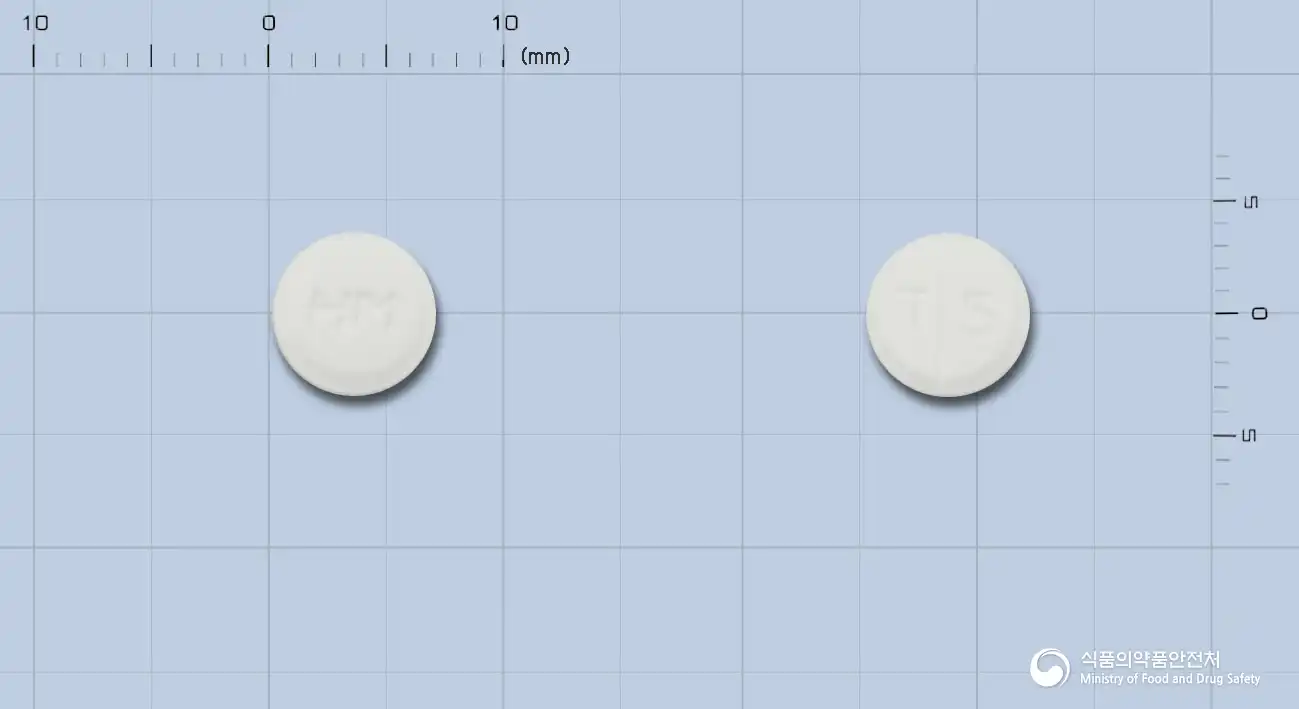
Torsemide 5mg
Tablet · Prescription medication
Hanmi Pharmaceutical Co., Ltd.
Torsemide 10mg
Tablet · Prescription medication
Korea Prime Pharmaceutical Co., Ltd.
Torsemide 2.5mg
Tablet · Prescription medication
Korea Prime Pharmaceutical Co., Ltd.
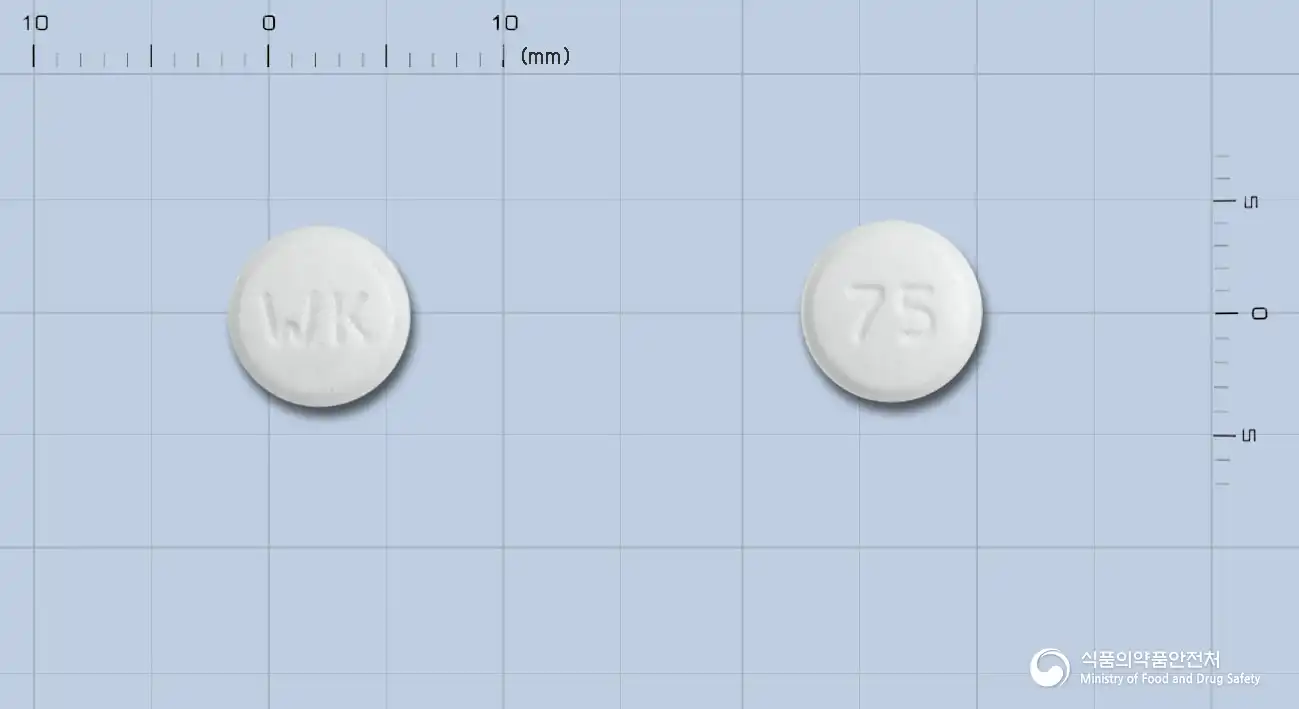
Torsemide 5mg
Tablet · Prescription medication
Austin Pharmaceutical Co., Ltd.
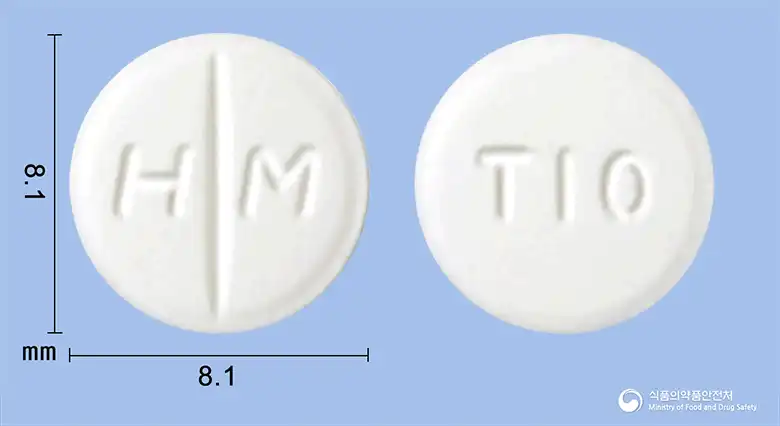
Torsemide 10mg
Tablet · Prescription medication
Hanmi Pharmaceutical Co., Ltd.
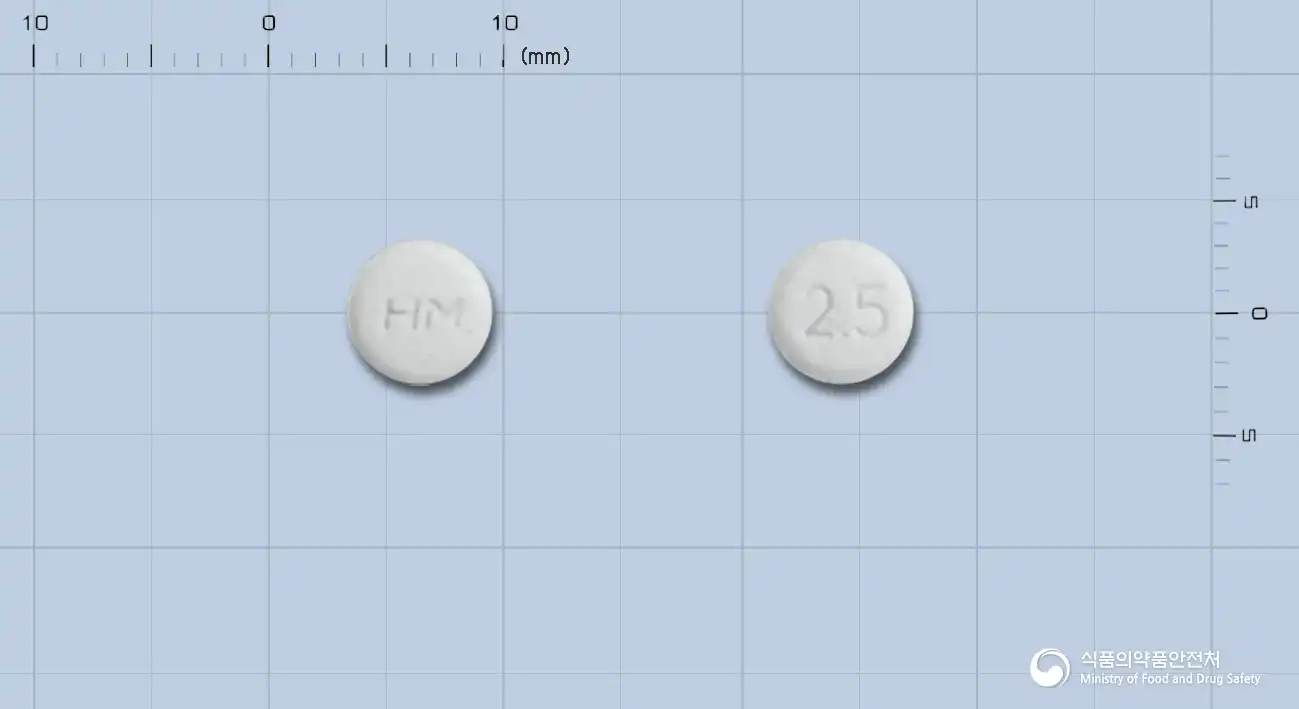
Torsemide 2.5mg
Tablet · Prescription medication
Hanmi Pharmaceutical Co., Ltd.
Even with the same ingredient, the dose and directions can differ by strength and dosage form. Talk to a doctor or pharmacist before switching from a medication you are already taking.
No questions yet.
For anything that needs medical judgment, consult a doctor or pharmacist.
This drug information is based on data provided by the Korea Ministry of Food and Drug Safety.
Consult a doctor or pharmacist for accurate dosage, administration, and usage instructions.