한국어
 English
 日本語
 中文(简体)
 Viewing now
Amloten Tablet (Amlodipine Nicotinate)
Amlodipine Nicotinate 6.51mg
Tablet · Prescription medication
IlDong Pharmaceutical Co., Ltd.
MFDS item code 200604199 · Notified 2006.05.26 · Insurance code 642901260
Treatment of hypertension and myocardial ischemia; reduction of the risk of hospitalization and coronary revascularization for angina
This medication is used for the treatment of myocardial ischemia due to hypertension and stable angina pectoris and variant angina pectoris. Additionally, it reduces the risk of hospitalization due to angina pectoris in patients recently diagnosed with coronary artery disease following angiography, provided they do not have heart failure or a cardiac output of less than 40%. This medication also reduces the risks associated with coronary artery revascularization, contributing to the overall maintenance of heart health. Therefore, it is effective in the treatment of coronary artery disease and angina pectoris along with the prevention of complications with blood pressure control.
The usual dose of amlodipine is 5mg orally once daily; depending on the patient's response, the dose may be increased to a maximum of 10 mg once daily. Adjust the dose appropriately according to the patient's age and symptoms.
Ages 6-17 years: The effective oral dose of amlodipine for lowering blood pressure is 2.5 mg-5 mg once daily. Doses exceeding 5 mg daily have not been studied in pediatric patients.
This medication should not be administered to certain patients. For instance, patients who have had allergic reactions to this medication or similar drugs, pregnant women or those who may become pregnant, nursing mothers, patients with severe liver dysfunction, those with severe aortic stenosis, and patients in shock should not use this medication. Furthermore, caution is warranted when administering this medication to patients with severe hypotension, those requiring dialysis due to renal failure, and elderly patients. As this medication lowers blood pressure, care should be taken with hypotensive patients. This medication is primarily used for blood pressure control, with potential side effects including flushing, fatigue, edema, palpitations, dizziness, headaches, drowsiness, abdominal pain, nausea, weakness, malaise, pain, weight change, hypotension, vasculitis, heightened tension, sensory loss/paresthesia, peripheral neuropathy, syncope, taste disturbances, tremors, extrapyramidal disorders, erectile dysfunction, gynecomastia, changes in bowel habits, dry mouth, dyspepsia, gingival hyperplasia, pancreatitis, vomiting, hyperglycemia, joint pain, back pain, muscle cramps, myalgia, and leukopenia. Particular caution is required when using this medication in heart failure patients due to the potential for pulmonary edema, and dosage adjustments may be necessary for patients with impaired liver function as the half-life of the drug may be prolonged. The blood pressure-lowering effect of this medication diminishes slowly even after discontinuation, so caution is advised when combining with other antihypertensive agents. This medication may excessively increase the blood pressure-lowering effect when consumed with grapefruit juice, so it is advisable to avoid taking it with grapefruit juice. Additionally, there may be interactions with certain medications, so consult a healthcare professional if taking other medications. Pregnant or nursing women should avoid use unless necessary, as the safety of this medication has not been established, and in such cases should follow a healthcare professional's directives. For children, use is recommended only in those aged 6 years and older, as efficacy has not been established in children under 6 years. In cases of overdose, severe hypotension and increased heart rate may occur, and in emergency situations, careful monitoring of cardiac and respiratory status and prompt treatment are necessary. While this medication is unlikely to significantly impair driving or operating machinery, caution is advisable as dizziness may occur in some individuals.
Not everyone experiences these, and they can vary from person to person.
This medication may be sensitive to air or moisture, so it should be stored in a tightly sealed container. The storage temperature should be maintained between 1 degree and 30 degrees Celsius at room temperature. This will help ensure the effectiveness of the medication.
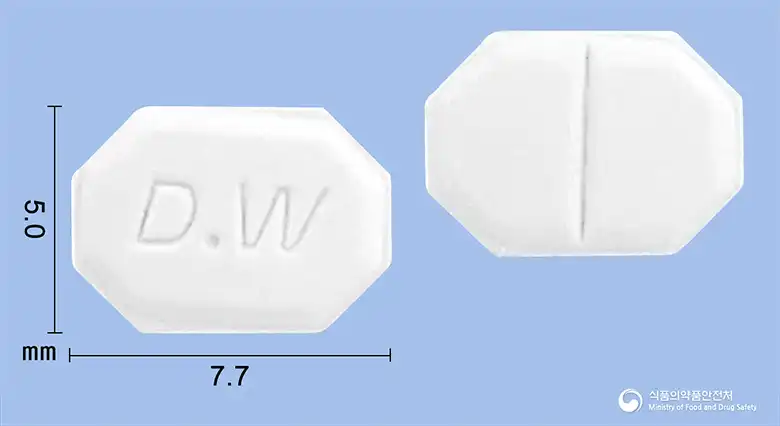
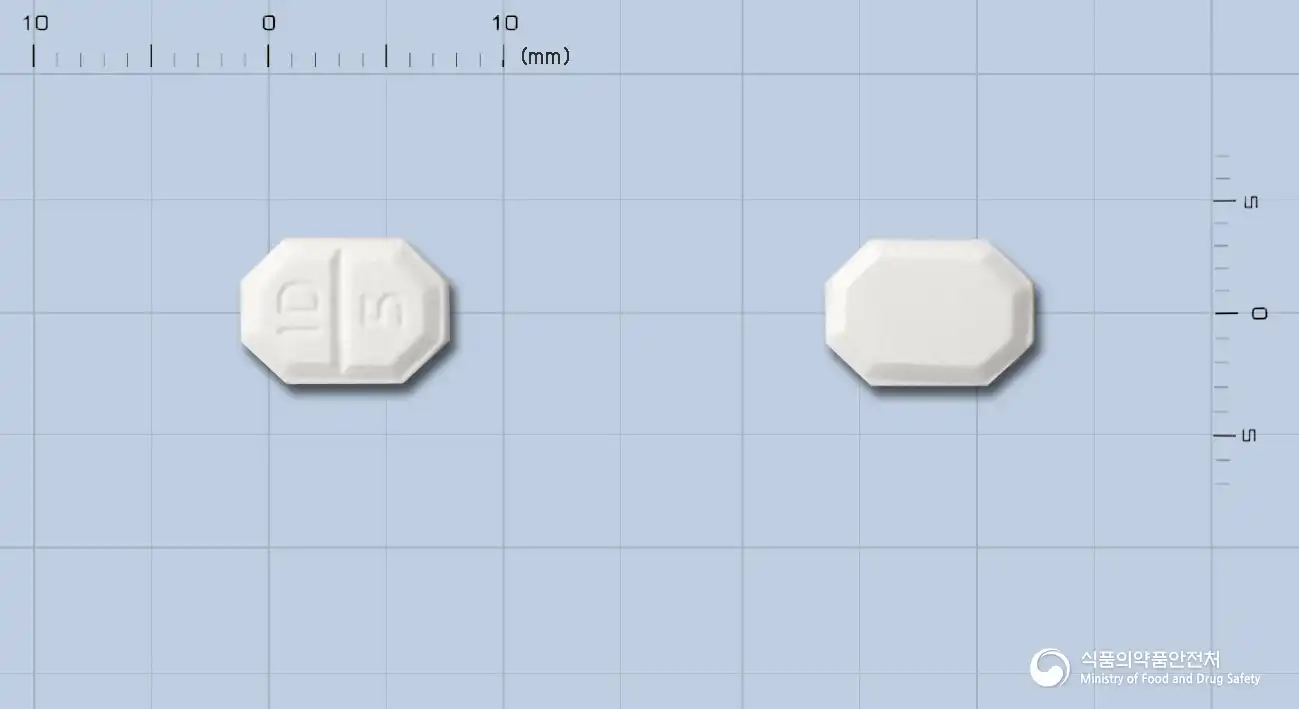
White emerald-shaped (octagonal) tablet
30 tablets/bottle, 300 tablets/bottle
Even with the same ingredient, strength, dosage form and how it is taken can differ.
Even with the same ingredient, the dose and directions can differ by strength and dosage form. Talk to a doctor or pharmacist before switching from a medication you are already taking.
No questions yet.
For anything that needs medical judgment, consult a doctor or pharmacist.
This drug information is based on data provided by the Korea Ministry of Food and Drug Safety.
Consult a doctor or pharmacist for accurate dosage, administration, and usage instructions.