
 한국어
 English
 日本語
 中文(简体)
 Viewing now
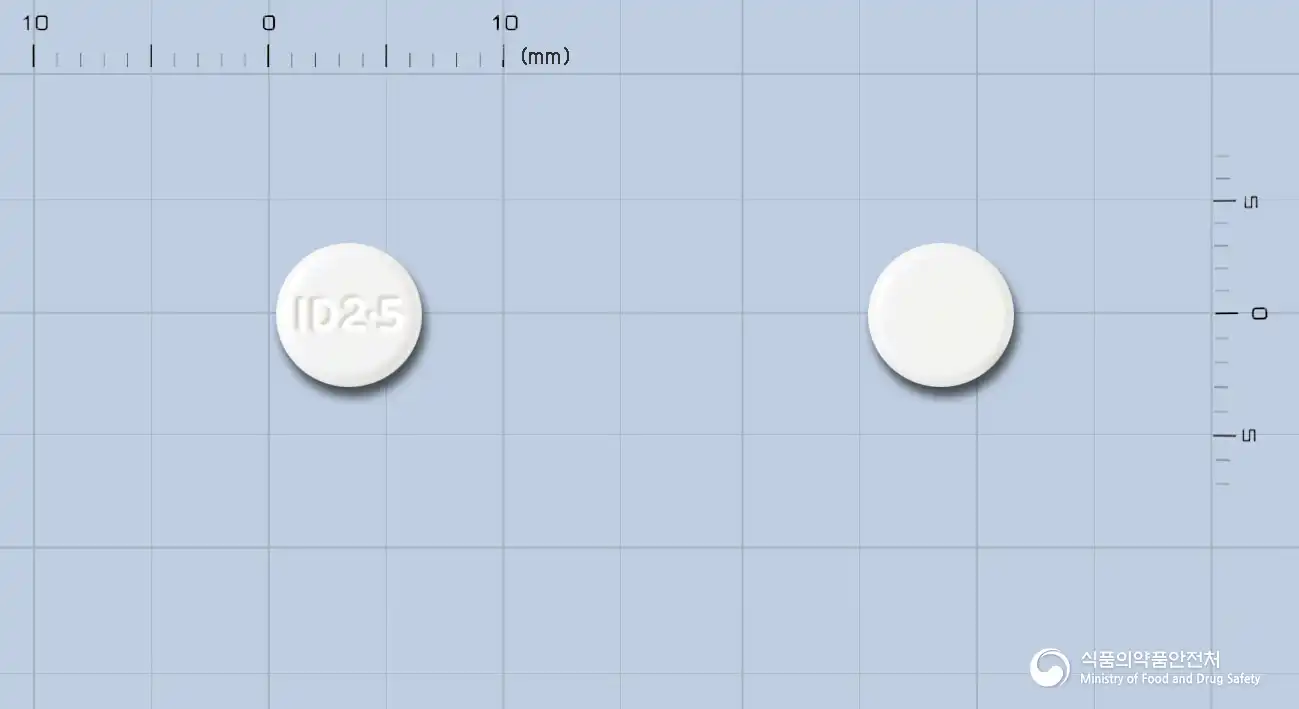
Setoram Tablet 2.5 mg (Torsemide)
Torsemide 2.5mg
Tablet · Prescription medication
Ildong Pharmaceutical Co., Ltd.
MFDS item code 200604198 · Notified 2006.05.17 · Insurance code 642900720
Treatment of mild to moderate essential hypertension
This medication is used to manage mild to moderate essential hypertension, where blood pressure is slightly elevated or moderately high. It lowers blood pressure to normal levels, reducing the risk of cardiovascular diseases. Regular use helps in blood pressure control, contributing to the maintenance of healthy blood vessels. This medication stabilizes blood pressure through consistent use and aids in the prevention of complications.
* 2.5 mg Take with a little water at breakfast or another meal. Mild to moderate essential hypertension The initial and average maintenance dose of torsemide is 2.5 mg orally once daily. If an adequate antihypertensive effect is not achieved at this dose, the daily dose may be increased to 5 mg. Increasing the dose further generally does not increase the effect. Do not administer this drug to patients with severe hepatic impairment. No special dosage adjustment is necessary for elderly patients.
This medication should be used with great caution in patients with edema or ascites due to liver cirrhosis, as it may suddenly alter fluid and electrolyte balance in the body, posing a risk of hepatic encephalopathy, a serious brain dysfunction. This medication should not be used in specific patients such as children under 12 years old, those with allergies to this medication or similar components, patients with low blood pressure, and those with severely impaired kidney function. Pregnant or breastfeeding women should not take this medication, and it is also contraindicated in patients with severely impaired liver function or altered consciousness. This medication lowers blood pressure, so it should be used carefully in patients with excessively low blood pressure, irregular heartbeats, or urinary difficulties due to prostatic hypertrophy. During treatment with this medication, electrolyte levels such as potassium and sodium may become unbalanced, requiring regular blood tests, and it is important to use potassium-sparing diuretics to prevent hypokalemia. Possible side effects include dizziness, fatigue, and muscle weakness, and in rare cases, severe adverse reactions such as cardiac arrhythmias, blood pressure drop, gastrointestinal bleeding, or skin rashes may occur, prompting immediate consultation with a physician if symptoms arise. Additionally, this medication may interact with other antihypertensive drugs, diabetes medications, antibiotics, etc., so it is essential to inform healthcare providers about any other medications taken concurrently. It is advisable to avoid alcohol during treatment, and caution is needed when performing activities requiring concentration, such as driving or operating machinery. In case of overdose, electrolyte imbalance, blood pressure drop, and coma may occur, necessitating immediate medical attention. Lastly, this medication should be kept out of the reach of children and should not be transferred to other containers arbitrarily for safety.
Not everyone experiences these, and they can vary from person to person.
This medication should be stored in a tightly closed container to prevent air or moisture from entering. The storage temperature should ideally be maintained at room temperature between 1 degree Celsius and 30 degrees Celsius. This will help maintain the efficacy of the medication.
White or light yellowish round tablets
30 tablets/bottle
Even with the same ingredient, strength, dosage form and how it is taken can differ.
Viewing nowTorsemide 2.5mg
Tablet · Prescription medication
Ildong Pharmaceutical Co., Ltd.
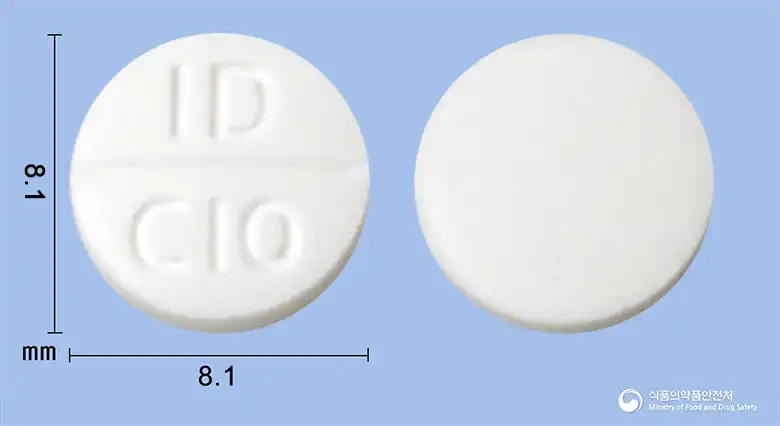
Torsemide 10mg
Tablet · Prescription medication
Ildong Pharmaceutical Co., Ltd.
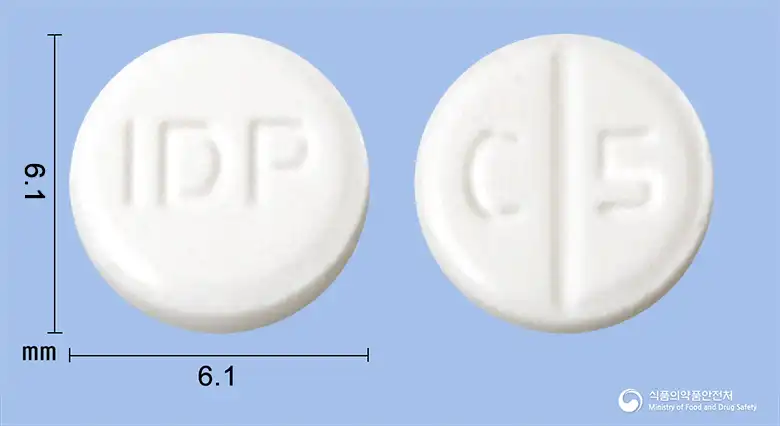
Torsemide 5mg
Tablet · Prescription medication
Ildong Pharmaceutical Co., Ltd.
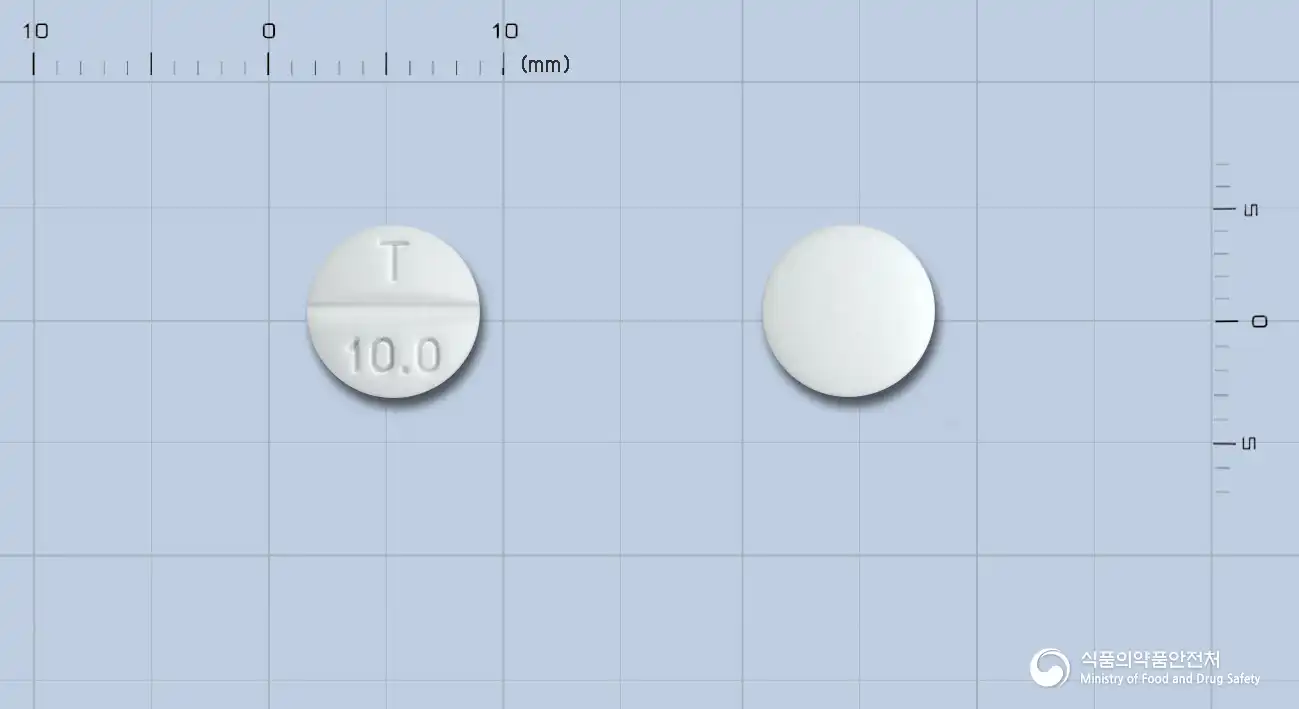
Torsemide 10mg
Tablet · Prescription medication
Korea Menarini Co., Ltd.
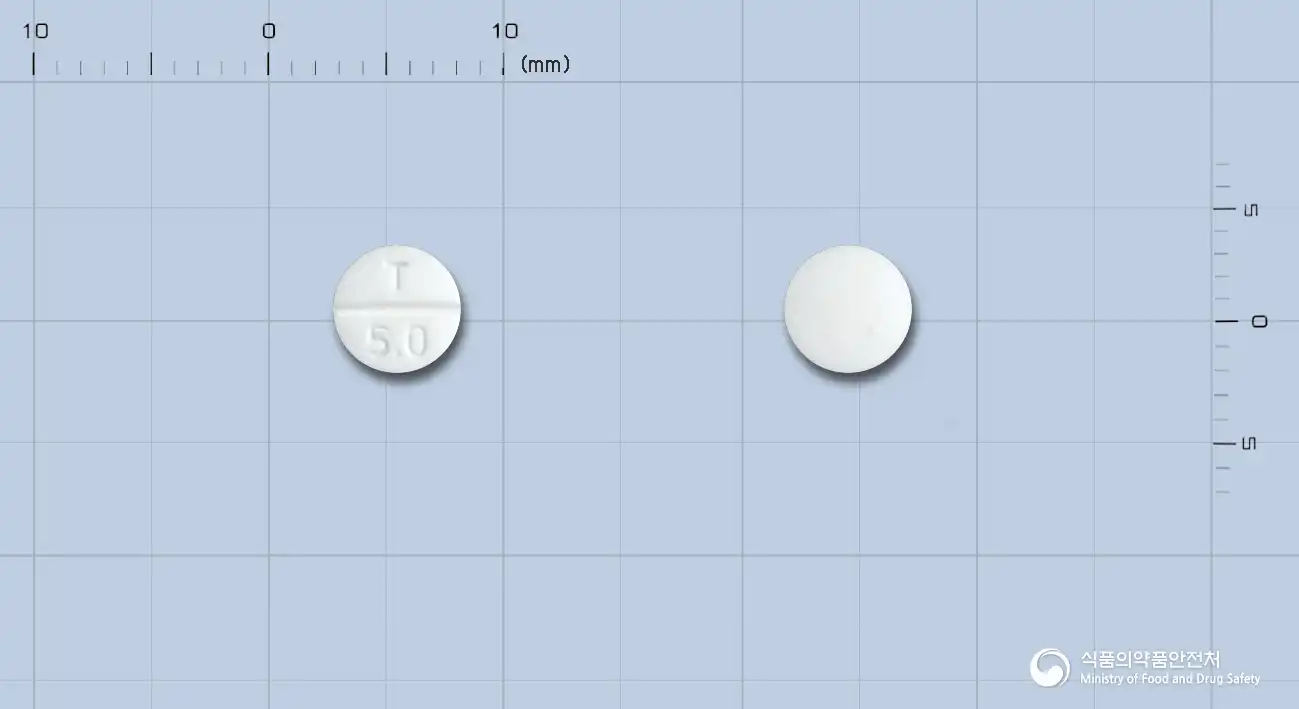
Torsemide 5mg
Tablet · Prescription medication
Korea Menarini Co., Ltd.
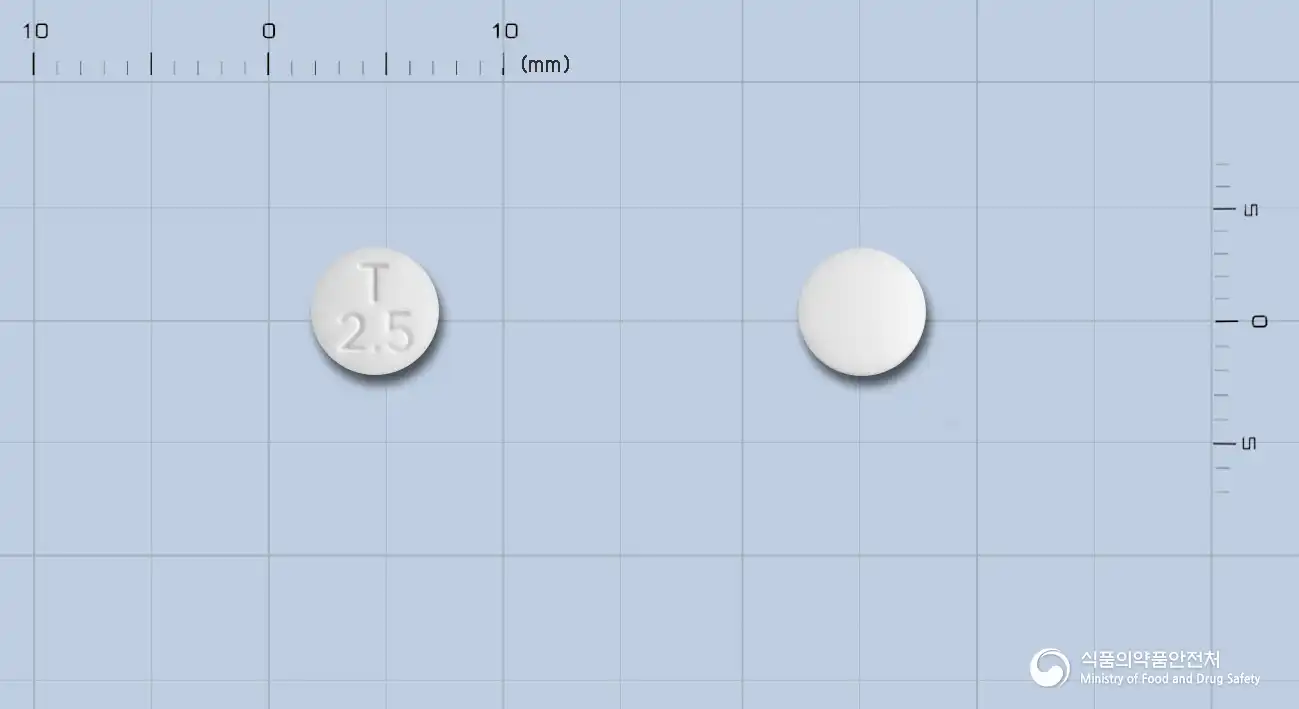
Torsemide 2.5mg
Tablet · Prescription medication
Korea Menarini Co., Ltd.
Even with the same ingredient, the dose and directions can differ by strength and dosage form. Talk to a doctor or pharmacist before switching from a medication you are already taking.
No questions yet.
For anything that needs medical judgment, consult a doctor or pharmacist.
This drug information is based on data provided by the Korea Ministry of Food and Drug Safety.
Consult a doctor or pharmacist for accurate dosage, administration, and usage instructions.