
 한국어
 English
 日本語
 中文(简体)
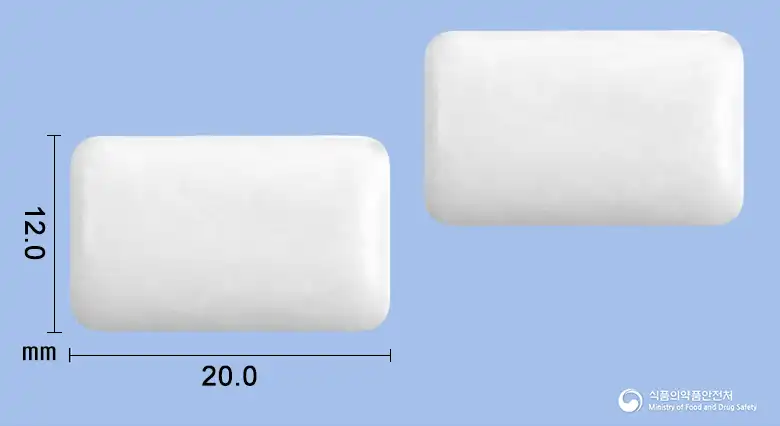 Viewing now
Nicotine Gum 2 mg (Nicotine)
Nicotine 2mg
OTC medication
GPT Therapeutics Korea Co., Ltd.
MFDS item code 200603856 · Notified 2006.01.18
Suppression of smoking to reduce the amount smoked and support smoking cessation
This medication is an aid to help stop smoking, reducing the amount smoked and eventually assisting in quitting tobacco. It is effectively used by those who wish to quit smoking.
The dose and duration of treatment are determined based on the patient’s nicotine dependence. 2 mg gum is recommended for smokers who smoke 20 cigarettes or fewer per day, and 4 mg gum is recommended for heavy smokers who smoke more than 20 cigarettes per day or when treatment with the 2 mg dose has been unsuccessful. Whenever you feel the urge to smoke, chew slowly using the “chew and rest” method. After chewing the gum for 30 minutes using this method, discard the used gum. Do not use more than 1 piece within 1 hour. Do not exceed a total of 15 pieces per day. [Smoking cessation: for those who wish to quit smoking] Adults (18 years and older): Those attempting to quit smoking should make every effort to stop smoking completely while using Nicotinell gum. To maintain complete abstinence, use Nicotinell gum whenever you feel the urge to smoke. Typically, chew 8~12 pieces per day of 2 mg or 4 mg gum, without exceeding a total of 15 pieces per day. As the urge to smoke gradually decreases, reduce the number of pieces used per day. Treatment for 3 months is generally sufficient. For users of 4 mg nicotine gum, using 2 mg gum may help if withdrawal symptoms occur during treatment. Since the urge to smoke may suddenly return, always carry extra gum with you. If nicotine replacement therapy is used for a total of 9 months or longer to quit smoking, seek help and counseling from a healthcare professional. [Smoking reduction: for those who wish to reduce the amount or frequency of smoking] Adults (18 years and older): Use Nicotinell gum to control the urge to smoke and extend the intervals between cigarettes. Make every effort to reduce the amount smoked as much as possible while using Nicotinell gum. If your daily cigarette consumption has not decreased even after 6 weeks of using Nicotinell gum, consult a healthcare professional. Attempt to quit as soon as you feel ready, but no later than 6 months after starting treatment. If you have difficulty attempting to quit by 9 months after starting treatment, consult a healthcare professional. When attempting to quit, refer to the “Adults” section under [Smoking cessation: for those who wish to quit smoking] above.
This drug can adhere to dentures or prostheses and may cause damage, so caution is needed. This drug should not be used by individuals with allergies to its components, those with heart disease or cerebrovascular disease, pregnant women, nursing mothers, individuals under 18 years of age, or non-smokers. Nicotine can be harmful to the fetus, so pregnant women should not use this medication during pregnancy. Nursing mothers should avoid using this medication, as it may affect the baby through breast milk. Individuals with gastrointestinal disorders, cardiovascular diseases, elderly patients, those with weakened kidney or liver function, and diabetic patients should consult a doctor or pharmacist before use. While using this medication, various side effects such as dizziness, headaches, sleep disturbances, nausea, vomiting, and oral irritation may occur; if symptoms are severe, stop use immediately and consult a professional. When chewing this drug, it should be done slowly, and chewing multiple pieces at the same time may pose a risk of overdose. Nicotine is very dangerous for children, so it should be stored out of the reach of children. This medication should be stored in a sealed container to avoid exposure to air or moisture, and it must be kept in a cool place below 25 degrees Celsius. Do not transfer it to another container. Additionally, there may be interactions with other medications while using this drug, so it's important to inform a doctor or pharmacist of any medications you are taking and consult them.
Headache, dizziness (lightheadedness), sleep disturbances, anxiety, emotional instability, restlessness, abnormal dreams, confusion (mental fuzziness), agitation (nervous restlessness), concentration difficulties, fatigue, migraine, spasms (contraction and relaxation), leg cramps, tremors, changes in blood pressure, hypertension, palpitations (heart racing), reversible atrial fibrillation, atrial arrhythmia, tachycardia (rapid heartbeat), nausea, vomiting, upper abdominal pain, abdominal pain (pain in the belly area), indigestion, bloating (abdominal distension), gastrointestinal disturbances such as gastric ulcers, dysphagia (difficulty swallowing), thirst (dry mouth), abnormal bowel movements, constipation, diarrhea, increased appetite, stomatitis, belching, excessive salivation, symptoms of cold and influenza, cough, pharyngitis, rhinitis (nasal inflammation), sinusitis, upper respiratory symptoms, bronchitis, shortness of breath, allergies, rash (skin eruption), herpes zoster, itching, hives, acne, erythema (red spots), dysgeusia (impaired taste), visual disturbances, irritation (pain) in the oral cavity and throat, pain in the jaw joint and muscles, gingivitis (gum inflammation), dysmenorrhea, myalgia, arthralgia, toothache, back pain (backache), chest pain, pain, otalgia (ear pain), facial flushing, local edema (swelling), weight gain, thyroid dysfunction, lymphadenopathy (pain), cystitis, increased sweating, hiccups, vascular edema (swelling) as allergic reactions, anaphylaxis, weakness, lethargy, pallor, hyperhidrosis, excessive saliva production, abdominal cramps, abdominal pain (stomach pain), diarrhea, auditory and visual impairment, tremors, mental confusion, muscle weakness, neurogenic disorders, hypotension, weak and irregular pulse, circulatory failure, spasms, collapse, shortness of breath
Not everyone experiences these, and they can vary from person to person.
This drug may interact with Paracetamol, Caffeine, Imipramine, Oxazepam, Pentazocine, Propranolol, Theophylline, Warfarin, Estrogen, Lidocaine, Phenacetin, Insulin, Adrenergic antagonists (such as Prazosin, Labetalol), Flecainide, Adrenergic agonists (such as Isoproterenol, Phenylephrine), Propoxyphene, Furosemide diuretics, H2 antagonists, Beta-blockers, Tacrine, Clozapine, and Ropinirole.
This drug may be sensitive to air and moisture, so it should be stored in a sealed container. It is also important to keep it in a cool place below 25 degrees Celsius to maintain its effectiveness.
2mg Mint Flavor: White square coated gum with a mint flavor 2mg Fruit Flavor: White square coated gum with a fruit flavor
24 pieces/box [(12 pieces/PTP × 2)]
Even with the same ingredient, strength, dosage form and how it is taken can differ.
Viewing nowNicotine 2mg
OTC medication
GPT Therapeutics Korea Co., Ltd.
Nicotine 14mg
OTC medication
Samyang Biopharm Co., Ltd.
Nicotine 28mg
OTC medication
Samyang Biopharm Co., Ltd.
Nicotine 42mg
OTC medication
Samyang Biopharm Co., Ltd.
Nicotine 17.5mg
Patch · OTC medication
GP Therapeutics Korea Co., Ltd.
Nicotine 35mg
Patch · OTC medication
GP Therapeutics Korea Co., Ltd.
Nicotine 52.5mg
Patch · OTC medication
G-P Therapeutics Korea Co., Ltd.
Nicotine
OTC medication
Sae Han Pharmaceutical Co., Ltd.
Even with the same ingredient, the dose and directions can differ by strength and dosage form. Talk to a doctor or pharmacist before switching from a medication you are already taking.
No questions yet.
For anything that needs medical judgment, consult a doctor or pharmacist.
This drug information is based on data provided by the Korea Ministry of Food and Drug Safety.
Consult a doctor or pharmacist for accurate dosage, administration, and usage instructions.