
 한국어
한국어 English
 日本語
日本語 中文(简体)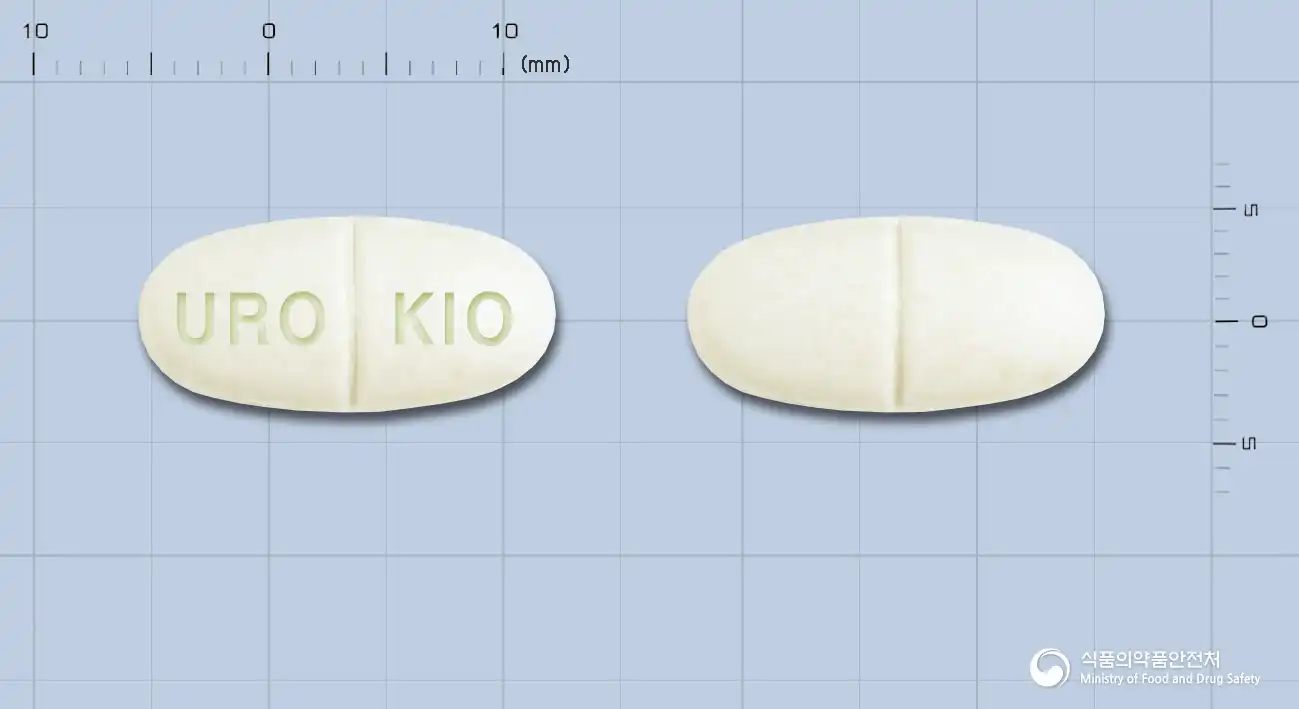
Summary
- Main use
- Treatment of renal tubular acidosis and uric acid stone disease
- Who takes it
- Adults
- Adult dose
- For patients with severe low urinary citrate levels (urinary citrate less than 150mg/day): Take an initial dose of 60mEq (6 tablets) divided into 3-4 times a day during or within 30 minutes after meals or snacks before bedtime. For patients with mild or moderate low urinary citrate levels (urinary citrate 150mg/day or more): Take an initial dose of 30mEq (3 tablets) in 10mEq (1 tablet) portions three times a day during meals.
Ingredients
- Manufacturer
- (주)한국팜비오
Efficacy & effects
Treatment of renal tubular acidosis and uric acid stone disease
- Renal tubular acidosis with calcium stones
- calcium oxalate stone disease with low urinary citrate levels
- uric acid stone disease
View approved original textHide original text
This medication is used to treat renal tubular acidosis with calcium stones and calcium oxalate stones with low urinary citrate levels. It is also effective in the treatment of uric acid stone disease, regardless of the presence of calcium stones. In other words, it helps in the treatment of diseases related to various types of kidney stones.
How to take
Adult dose
For patients with severe low urinary citrate levels (urinary citrate less than 150mg/day): Take an initial dose of 60mEq (6 tablets) divided into 3-4 times a day during or within 30 minutes after meals or snacks before bedtime. For patients with mild or moderate low urinary citrate levels (urinary citrate 150mg/day or more): Take an initial dose of 30mEq (3 tablets) in 10mEq (1 tablet) portions three times a day during meals.
Precautions
This drug is used to regulate potassium levels in the body, and when administered to patients who have difficulty excreting potassium, it can cause dangerously high blood potassium levels, leading to serious cardiac problems. Patients with hyperkalemia or a history of it, chronic renal failure, myocardial injury, heart failure, uncontrolled diabetes, acute dehydration, ongoing strenuous exercise, adrenal insufficiency, extensive tissue damage, and those taking potassium-sparing diuretics should not use this drug. Also, it is safer not to administer to patients who have difficulty swallowing or gastrointestinal motility issues, delayed gastric emptying, esophageal stenosis, gastrointestinal obstruction, gastric ulcers, and those with certain urinary tract infections. After taking this medication, gastrointestinal disturbances such as abdominal discomfort, nausea, vomiting, and diarrhea may occur. These symptoms can be alleviated by taking the medication with meals or by reducing the dosage. This drug can irritate the gastric mucosa, and if severe vomiting, abdominal pain, or gastrointestinal bleeding occurs, the medication should be stopped immediately, and medical attention should be sought. The prescribed dosage should be strictly followed, and patients taking diuretics or heart-related medications need to be especially cautious. When taking the medication, if there is difficulty swallowing or a sensation of the tablet stuck in the throat, it must be reported to a doctor. Regular monitoring of blood potassium levels is required, and patients with heart disease, kidney disease, and acidosis need closer observation. Taking potassium-sparing diuretics together can lead to dangerously high hyperkalemia, so co-administration should be avoided. Drugs that slow gastrointestinal motility, such as anticholinergics, may increase gastrointestinal irritation when taken together. Patients taking non-steroidal anti-inflammatory drugs (NSAIDs) should be carefully monitored due to the risk of elevated potassium levels. Pregnant or breastfeeding women should use this drug only when absolutely necessary, due to insufficient information on its effects on the fetus or newborn, and caution is also needed during breastfeeding. Safety and efficacy for pediatrics have not yet been established, so it should be used with caution in children. In cases of overdose, there can be a rapid increase in blood potassium levels leading to muscle paralysis or cardiac arrest, requiring immediate treatment, and cessation of potassium-rich food or drug intake and treatment under medical supervision. This drug should be swallowed whole as a tablet; it should not be crushed or chewed.
Side effects and when to seek care immediately
Serious side effects
Severe hyperkalemia and cardiac arrest, gastrointestinal perforation or obstruction
Mild side effects
- Abdominal discomfort
- nausea
- vomiting
- diarrhea
- decreased gastrointestinal motility
- gastrointestinal irritation
- gastrointestinal bleeding
- loose stools
Not everyone experiences these, and they can vary from person to person.
Storage
This drug may be sensitive to air or moisture; therefore, it must be stored in a tightly sealed container. Additionally, it is important to maintain a room temperature of between 1 and 30 degrees Celsius while storing the medication. This will help preserve the medication's efficacy for a longer period.
Appearance and packaging
Appearance
White convex rectangular tablet
Package unit
90 tablets/bottle, 30 tablets/bottle, 90 tablets (10 tablets/PTP x 9)/box, 14 tablets/bottle (for export)
Questions about this medicine
No questions yet.
For anything that needs medical judgment, consult a doctor or pharmacist.