
 한국어
 English
 日本語
 中文(简体)
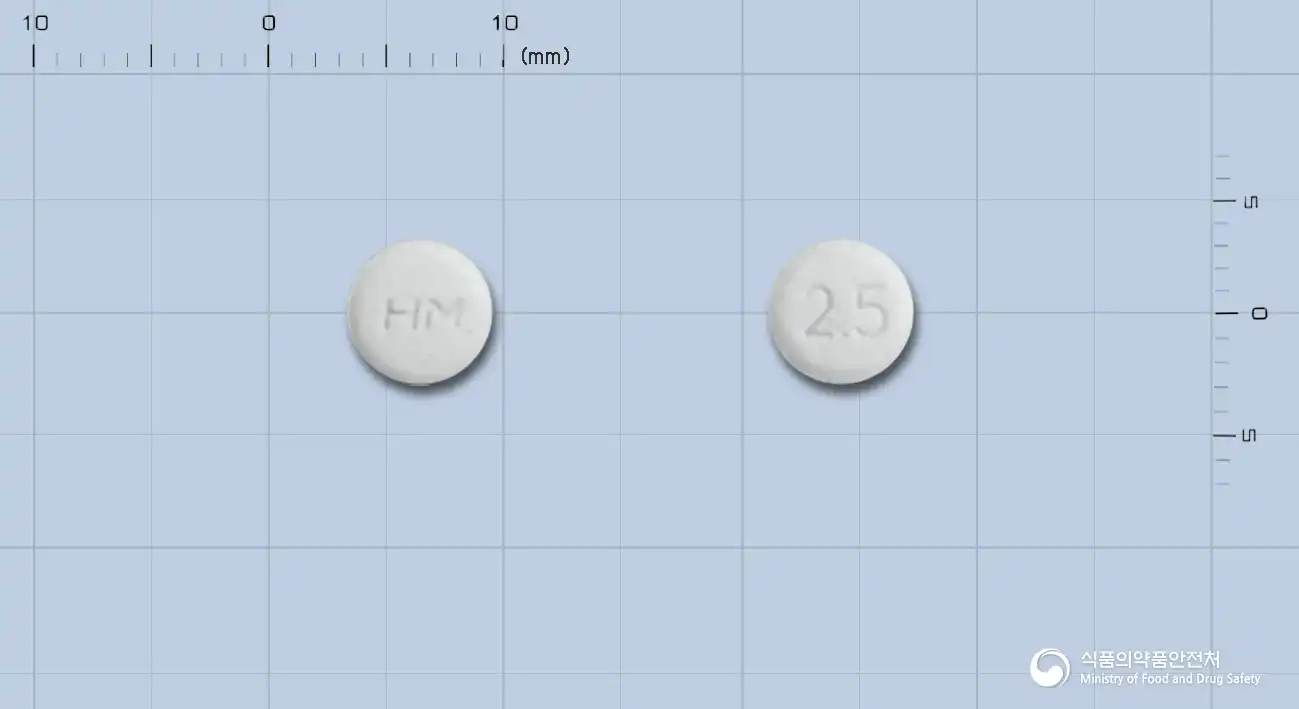
Dosage form image
Viewing nowTorazone (Torsemide)
Torsemide 2.5mg
Tablet · Prescription medication
Korea Prime Pharmaceutical Co., Ltd.
MFDS item code 200600698 · Notified 2006.02.10
This product's status changed to Expired on 2024.04.01. It may no longer be sold, so consult a doctor or pharmacist before taking it.
Treatment of mild to moderate essential hypertension
This medication is used to treat mild to moderate essential hypertension.
* 2.5 mg Take with a small amount of water at breakfast or another meal. ○ Adults Mild to moderate essential hypertension The initial and average maintenance dose of torsemide is 2.5 mg orally once daily. If adequate blood pressure-lowering effects are not obtained with this dose, the daily dose may be increased to 5 mg. Increasing the dose further generally does not increase the effect. ○ Patients with hepatic failure Do not administer this medicine to patients with severe hepatic failure. ○ Elderly patients No special dose adjustment is necessary for elderly patients.
This medication should be used with great caution in patients with edema or ascites due to liver cirrhosis, as it can lead to rapid changes in the body's water and electrolyte balance, increasing the risk of hepatic encephalopathy, a serious encephalopathy. This medication should not be used in children under 12 years of age, in individuals with allergies to this medication, in patients with hypotension, in patients with severely impaired kidney function, in patients with severe liver dysfunction who have altered consciousness, and in women who are pregnant or breastfeeding. Moreover, it should be used cautiously in patients with electrolyte imbalances in the blood or cardiac arrhythmias and in those taking certain antibiotics or other medications. This medication can affect the balance of electrolytes such as sodium and potassium in the body, and may cause symptoms such as headaches, dizziness, fatigue, and muscle cramps. In severe cases, hypotension, confusion, thrombosis, and cardiac problems may occur, so it is important to consult a healthcare provider immediately if symptoms develop. Gastrointestinal side effects may include loss of appetite, abdominal pain, nausea, vomiting, diarrhea, or constipation, and pancreatitis may occur rarely. Patients with impaired kidney function may experience problems with urination, so caution is advised. During the use of this medication, regular monitoring of blood sugar, blood pressure, serum electrolyte levels, and kidney and liver function is necessary to ensure there are no abnormalities. This medication is not recommended for use in pregnant women or nursing mothers, and its safety in children has not been established. Elderly patients may experience adverse effects such as dehydration, hypotension, and dizziness more easily while taking this medication; thus, it should be started at a low dose and monitored closely. In cases of overdose, symptoms may include drowsiness, confusion, hypotension, and circulatory disturbances; immediate treatment with fluid and electrolyte replacement in a medical setting is required. This medication may interact with other antihypertensives, antidiabetics, diuretics, and other medications, so it is essential to inform healthcare providers of any other medications being taken and exercise caution.
Not everyone experiences these, and they can vary from person to person.
This medication may be sensitive to air and moisture, so it should be stored in a tightly sealed container. The storage temperature should be maintained between 1 degree and 30 degrees Celsius at room temperature. This will help to preserve the medication's efficacy.
White or whitish round tablets
30 tablets/bottle, 100 tablets/bottle
Even with the same ingredient, strength, dosage form and how it is taken can differ.
Torsemide 2.5mg
Tablet · Prescription medication
Korea Prime Pharmaceutical Co., Ltd.
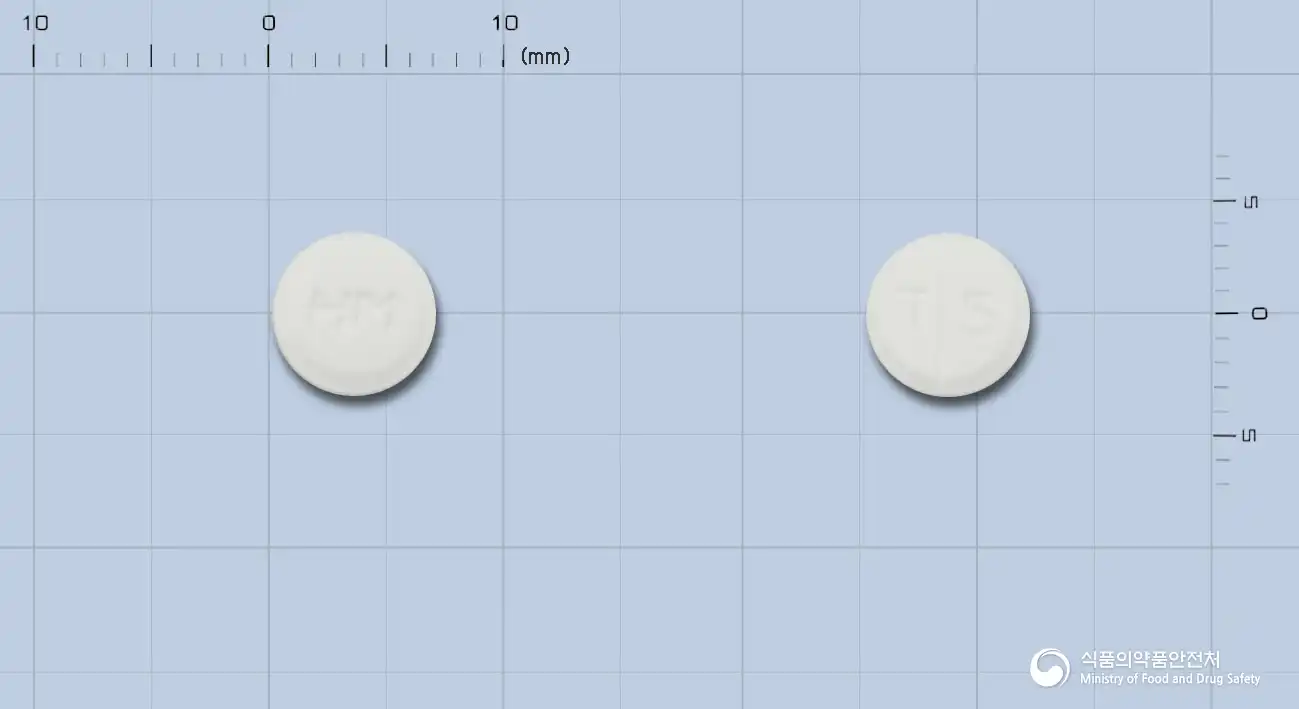
Torsemide 5mg
Tablet · Prescription medication
Hanmi Pharmaceutical Co., Ltd.
Torsemide 10mg
Tablet · Prescription medication
Korea Prime Pharmaceutical Co., Ltd.
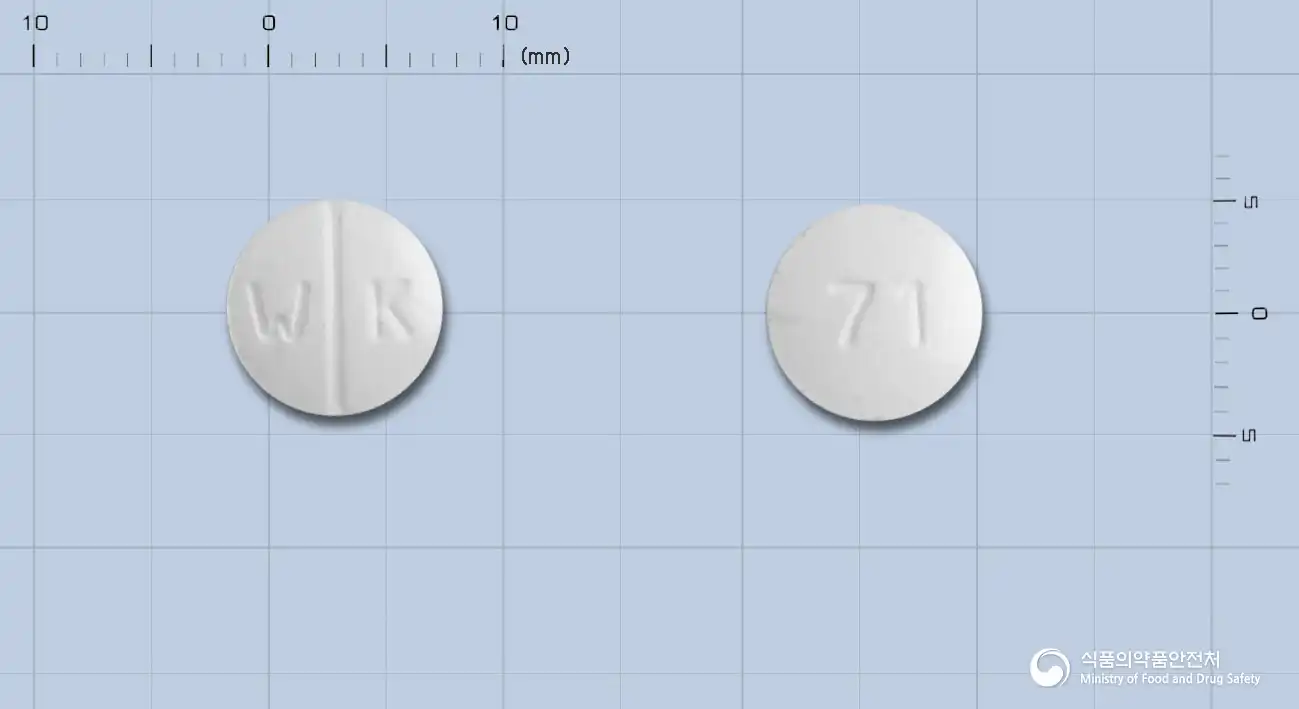
Torsemide 10mg
Tablet · Prescription medication
Austin Pharmaceutical Co., Ltd.
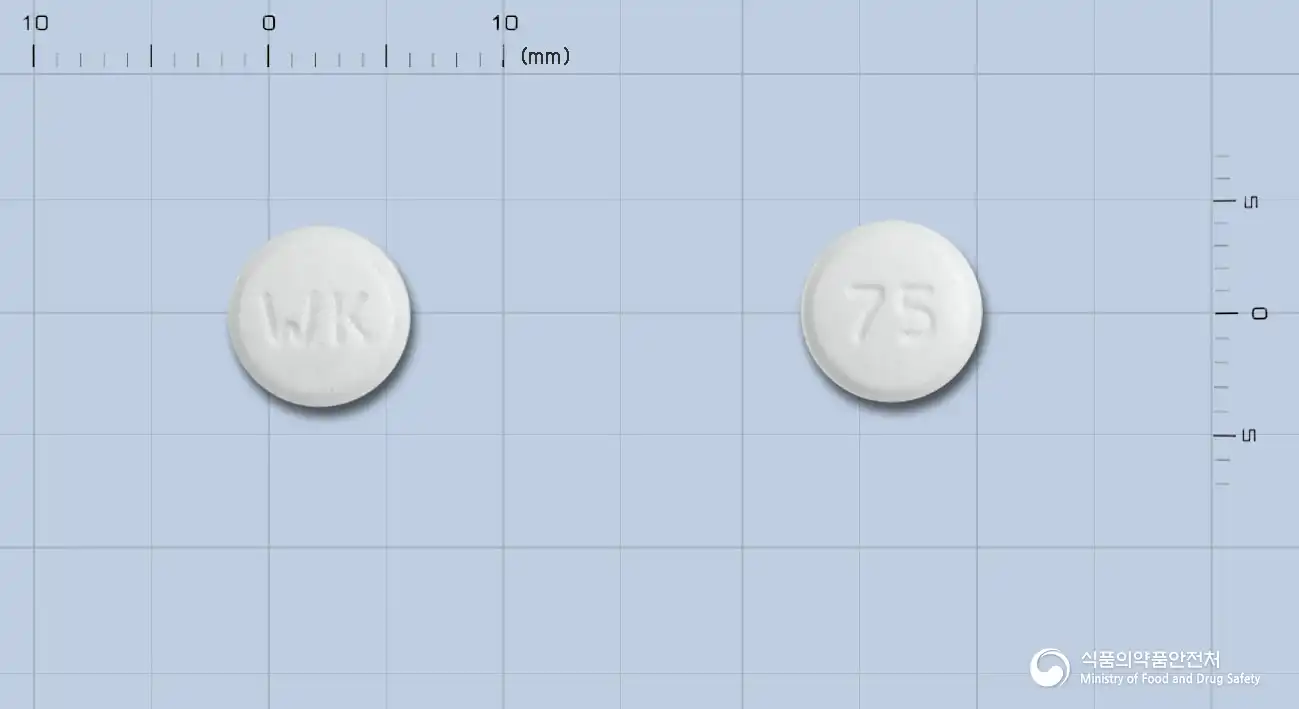
Torsemide 5mg
Tablet · Prescription medication
Austin Pharmaceutical Co., Ltd.
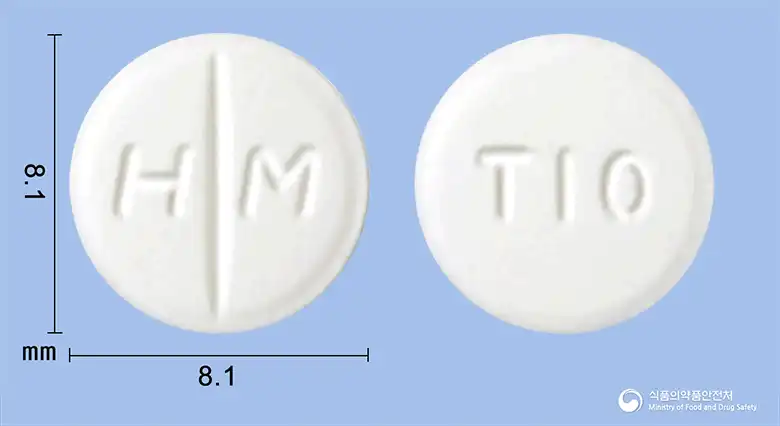
Torsemide 10mg
Tablet · Prescription medication
Hanmi Pharmaceutical Co., Ltd.
Torsemide 2.5mg
Tablet · Prescription medication
Hanmi Pharmaceutical Co., Ltd.
Even with the same ingredient, the dose and directions can differ by strength and dosage form. Talk to a doctor or pharmacist before switching from a medication you are already taking.
No questions yet.
For anything that needs medical judgment, consult a doctor or pharmacist.
This drug information is based on data provided by the Korea Ministry of Food and Drug Safety.
Consult a doctor or pharmacist for accurate dosage, administration, and usage instructions.