
 한국어
 English
 日本語
 中文(简体)
Dosage form image
Viewing nowTorajeong 10 mg (Torsemide)
Torsemide 10mg
Tablet · Prescription medication
Korea Prime Pharmaceutical Co., Ltd.
MFDS item code 200600696 · Notified 2006.02.10
This product's status changed to Expired on 2024.04.01. It may no longer be sold, so consult a doctor or pharmacist before taking it.
Relief of edema (such as that associated with congestive heart failure or cirrhosis)
This medicine is used to treat edema caused by congestive heart failure, liver cirrhosis, and kidney disease.
* 10, 20 mg Take with a small amount of water at breakfast or another meal. ○ Adults 1. Edema due to congestive heart failure The initial and average maintenance dose of torsemide is 5 mg orally once daily. If the therapeutic effect is inadequate, the dose may be increased to 20 mg once daily according to clinical symptoms. 2. Edema due to cirrhosis (ascites) The initial dose is 5 mg orally once daily. The daily dose may be increased to 40 mg according to clinical symptoms. 3. Edema due to renal disease The initial dose is 5 ~ 20 mg orally daily. The dose may be increased to 100 mg daily according to clinical symptoms. ○ Patients with hepatic failure Do not administer this medicine to patients with severe hepatic failure. ○ Elderly patients No special dose adjustment is necessary for elderly patients.
This medication should be administered with extreme caution to patients with edema or ascites due to liver cirrhosis, as there is a risk of severe brain dysfunction known as hepatic encephalopathy due to rapid changes in body fluid and electrolyte balance. This medication should not be given to specific patients, including those under 12 years old, patients with hypotension, those with severely impaired kidney function, patients with severe liver dysfunction who are confused, and women who are pregnant or breastfeeding. Patients with a history of gout or diabetes in themselves or their family, those with kidney or liver function problems, patients with cardiovascular disease, or elderly individuals should be monitored more carefully when using this medication. This drug may alter the balance of water and electrolytes, leading to symptoms such as headache, dizziness, muscle weakness, and hypokalemia; in rare cases, serious side effects such as cardiac arrhythmias or low blood pressure may occur. While taking this medication, potassium, sodium, blood sugar, and kidney function should be regularly checked through blood tests to monitor for abnormalities carefully. When taken with other antihypertensives, heart medications, diabetes medications, etc., drug interactions may occur, so it is essential to consult with a doctor or pharmacist. This medication should not be used by women who are pregnant or breastfeeding, as it may harm the fetus or newborn. Safety has not been established for children, so it is advisable not to use it in this population. Elderly patients may have a higher risk of dehydration, low blood pressure, or thrombosis when taking this medication, so they should start with a small dose and carefully monitor their condition. In case of overdose, severe diuretic effects can lead to electrolyte imbalance, low blood pressure, and coma, necessitating immediate medical attention. This medication should be stored out of the reach of children, and transferring it to another container may lead to quality degradation or accidents, so caution is advised.
Not everyone experiences these, and they can vary from person to person.
This medication may be sensitive to air or moisture, so it should be stored in a tightly sealed container. It is recommended to maintain a storage temperature between 1 degree and 30 degrees Celsius at room temperature to preserve its effectiveness for a long time.
White or whitish round tablet
30 tablets/bottle, 100 tablets/bottle
Even with the same ingredient, strength, dosage form and how it is taken can differ.
Torsemide 10mg
Tablet · Prescription medication
Korea Prime Pharmaceutical Co., Ltd.
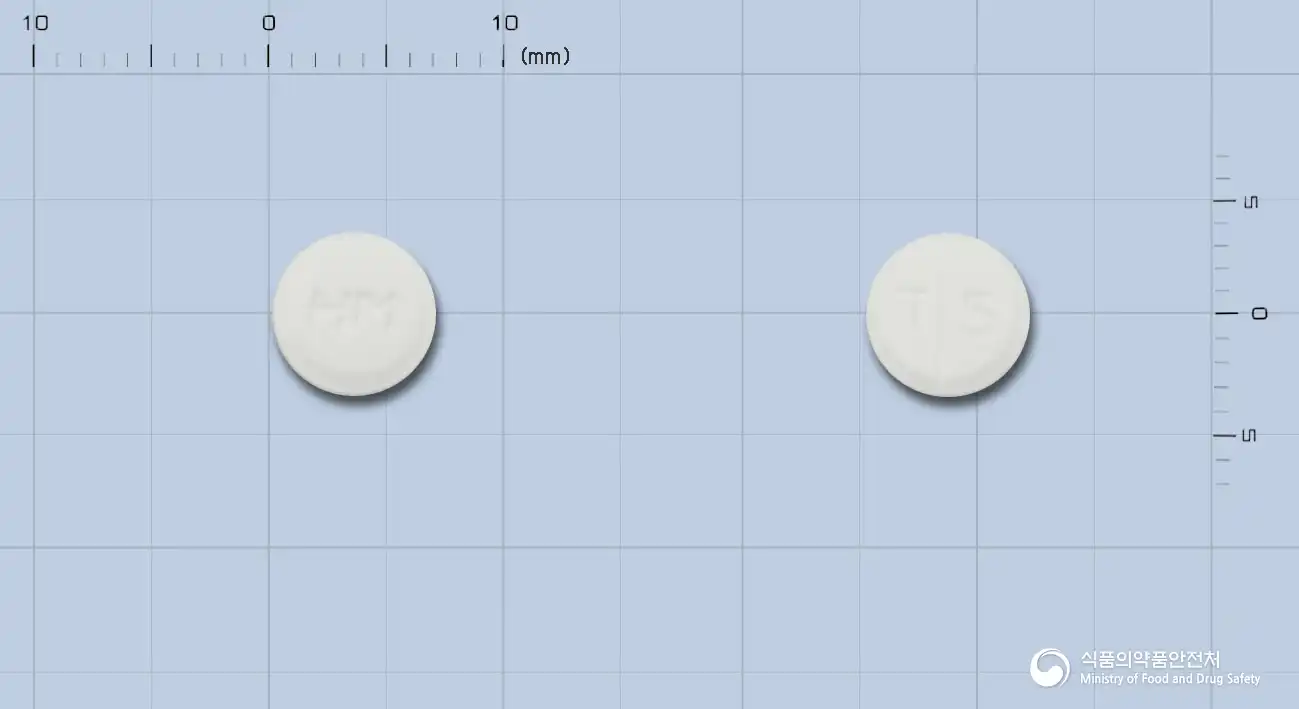
Torsemide 5mg
Tablet · Prescription medication
Hanmi Pharmaceutical Co., Ltd.
Torsemide 2.5mg
Tablet · Prescription medication
Korea Prime Pharmaceutical Co., Ltd.
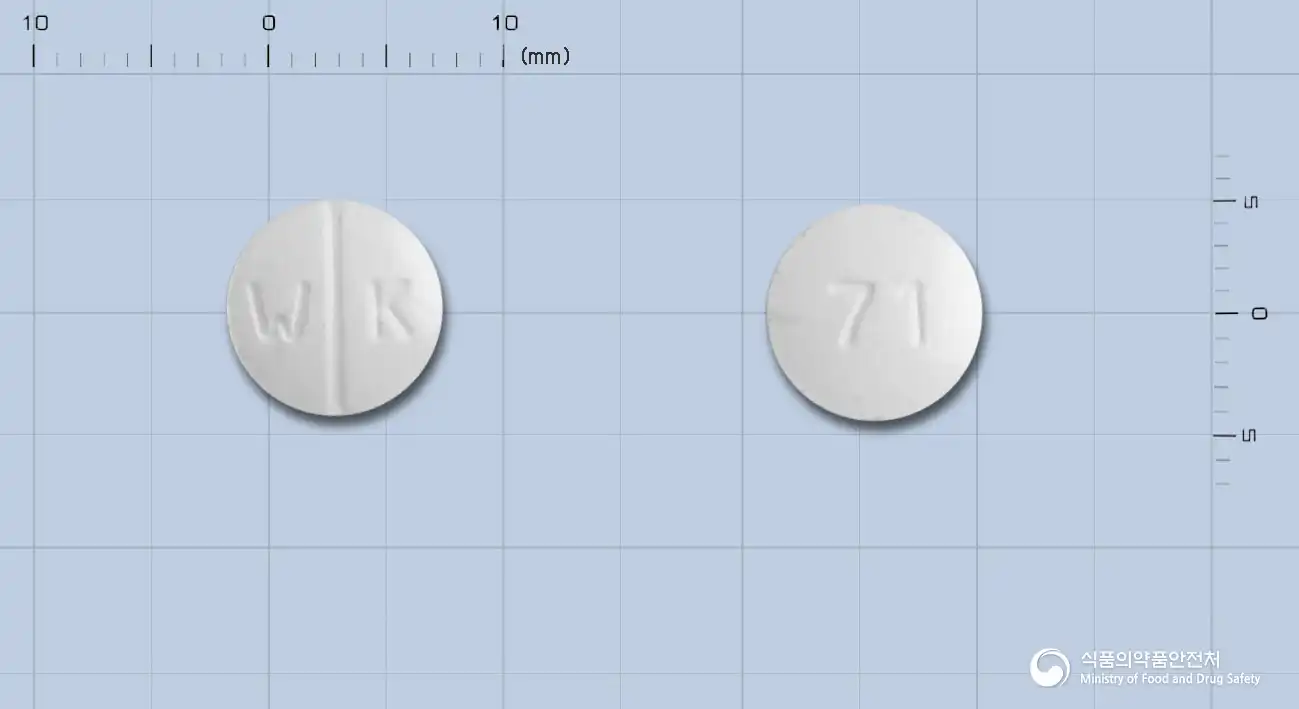
Torsemide 10mg
Tablet · Prescription medication
Austin Pharmaceutical Co., Ltd.
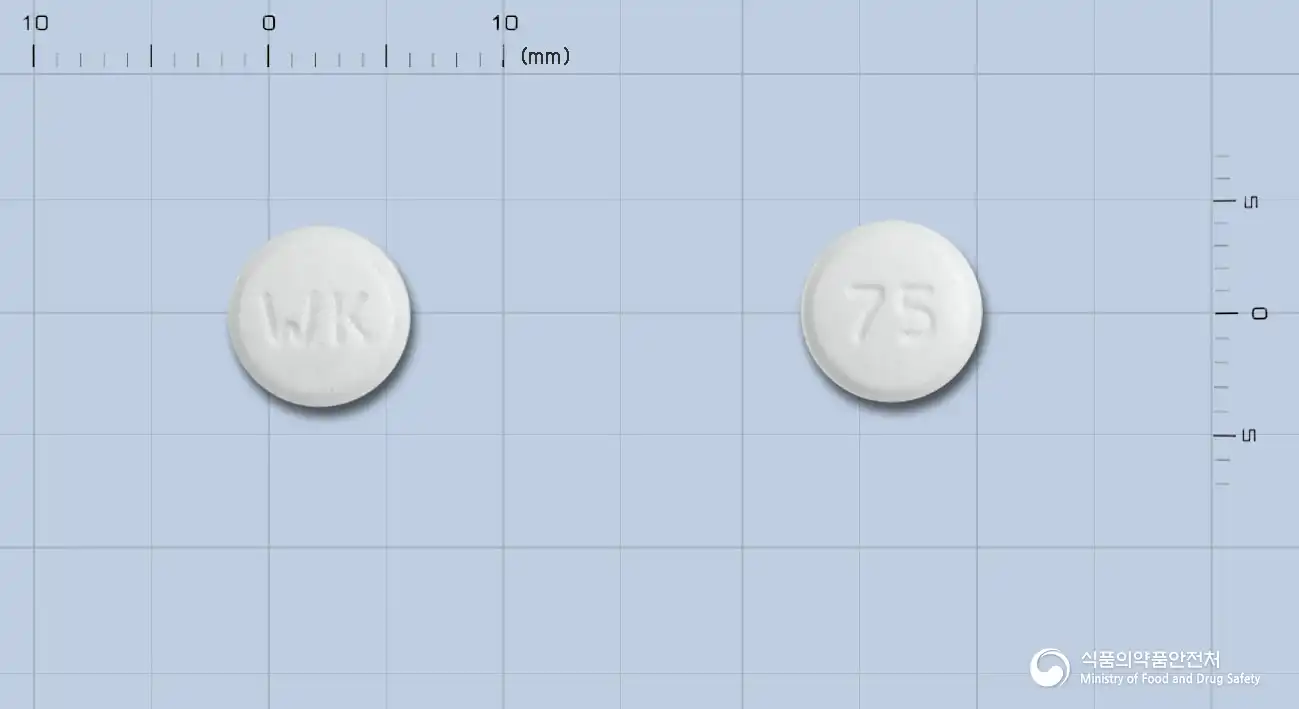
Torsemide 5mg
Tablet · Prescription medication
Austin Pharmaceutical Co., Ltd.
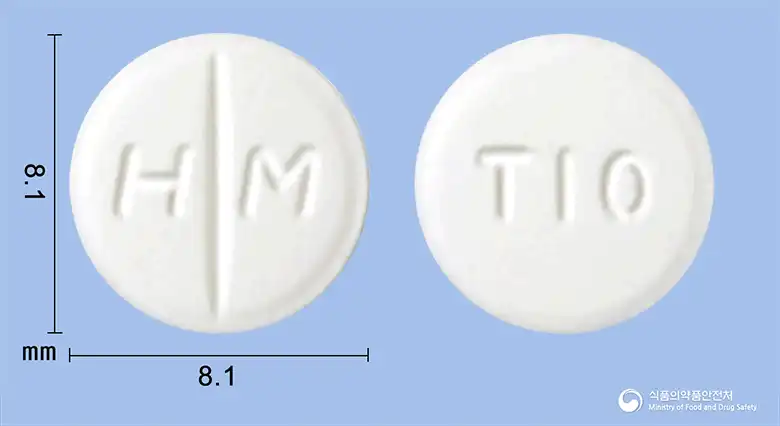
Torsemide 10mg
Tablet · Prescription medication
Hanmi Pharmaceutical Co., Ltd.
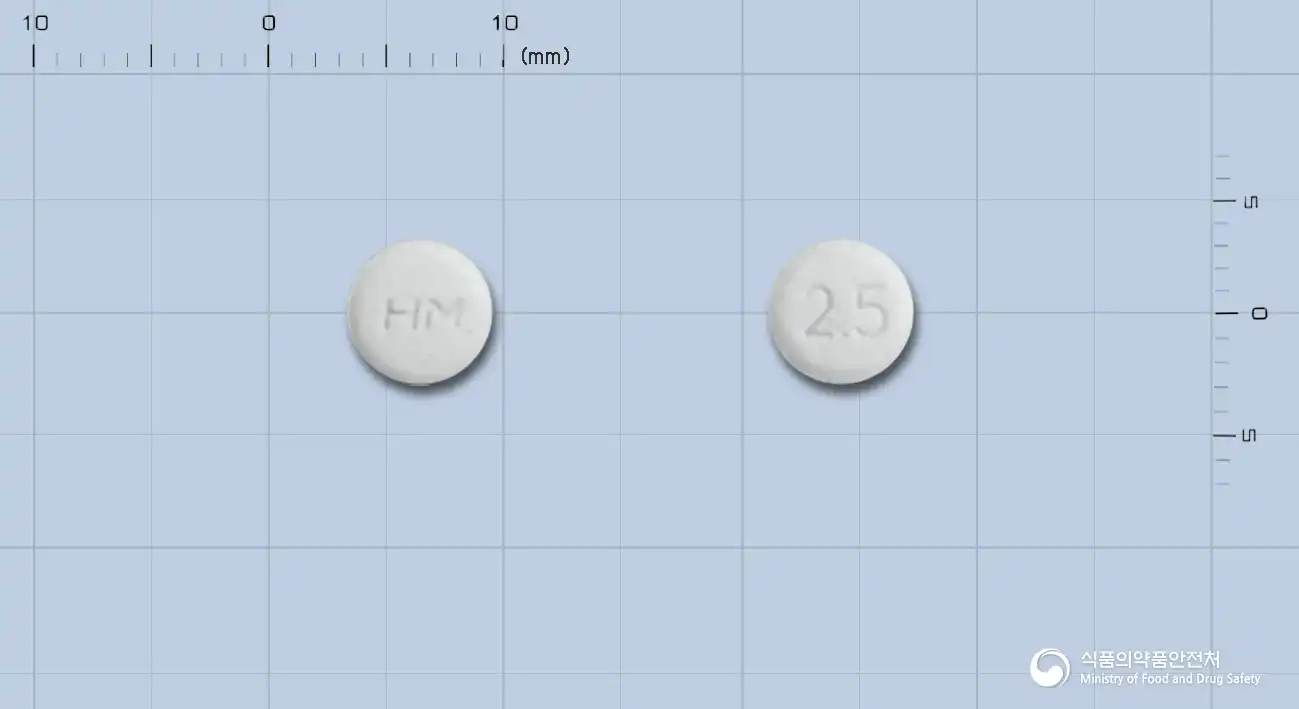
Torsemide 2.5mg
Tablet · Prescription medication
Hanmi Pharmaceutical Co., Ltd.
Even with the same ingredient, the dose and directions can differ by strength and dosage form. Talk to a doctor or pharmacist before switching from a medication you are already taking.
No questions yet.
For anything that needs medical judgment, consult a doctor or pharmacist.
This drug information is based on data provided by the Korea Ministry of Food and Drug Safety.
Consult a doctor or pharmacist for accurate dosage, administration, and usage instructions.