
 한국어
 English
 日本語
 中文(简体)
 Viewing now
Couparin Tablet 2 mg (Warfarin Sodium)
Warfarin Sodium 2mg
Tablet · Prescription medication
Hana Pharmaceutical Co., Ltd.
MFDS item code 200600456 · Notified 2006.01.03 · Insurance code 657801900
Prevention and treatment of thrombosis and embolism, treatment of embolic atrial fibrillation, adjunctive treatment of coronary artery occlusion
This medication is used to prevent and treat venous thrombosis and pulmonary embolism. It also treats thromboembolic atrial fibrillation and is effective as an adjunctive treatment for coronary artery obstruction. It aids various diseases related to blood circulation, thus improving health.
The dose varies among individuals according to PT/INR and specific genotypes of the CYP2C9 and VKORC1 genes (see 4. General Precautions under Precautions for Use). The usual initial dose is 2~5 mg of warfarin sodium daily, and the maintenance dose is 2~10 mg daily. Lower doses are recommended for elderly or debilitated patients.
This medication acts as a blood thinner to prevent the formation of blood clots. However, it should not be used by patients who are allergic to it or have bleeding issues or are at high risk for bleeding. It should also be avoided by individuals with severe liver or kidney damage, severe hypertension, or pregnant women. Care is also needed if there has been recent major surgery or vitamin K deficiency. Regular blood tests are required to monitor blood coagulation while taking this medication, and dosage adjustments may be necessary based on individual genetic factors. Elderly or frail individuals, as well as those with a history of diabetes or gastrointestinal disorders, should use it with caution. As this medication poses a risk of bleeding, it is advisable to avoid trauma or intense exercise. Additionally, interactions may occur when taken with other medications, so any concurrent medications should be disclosed. Pregnant or breastfeeding women should avoid this medication as it may harm the fetus or infant. In case of overdose, bleeding may worsen, and immediate hospital attention is necessary if symptoms appear; treatment may include administration of vitamin K or coagulation factors.
Not everyone experiences these, and they can vary from person to person.
This medication is sensitive to light, so it should be stored in a container that does not allow light in. Additionally, it is best stored at room temperature between 1 and 30 degrees Celsius. Proper storage helps maintain the effectiveness of the medication for a longer period.
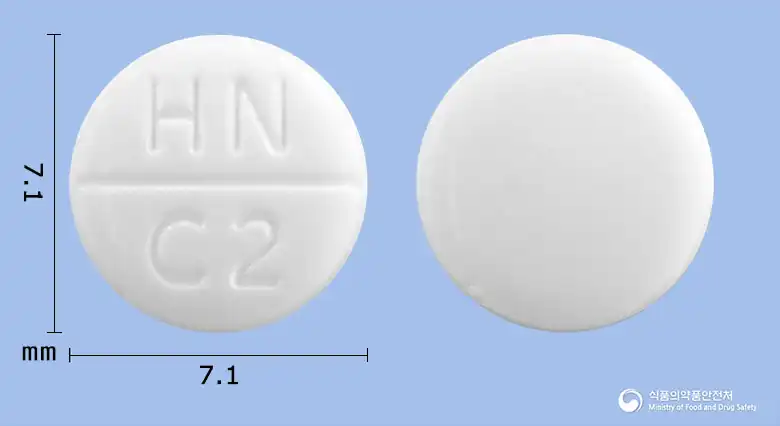
White round tablet
500 tablets/bottle
Even with the same ingredient, strength, dosage form and how it is taken can differ.
Viewing nowWarfarin Sodium 2mg
Tablet · Prescription medication
Hana Pharmaceutical Co., Ltd.
Warfarin Sodium 5mg
Tablet · Prescription medication
Jeil Pharmaceutical Co., Ltd.
Warfarin Sodium 5mg
Tablet · Prescription medication
Hana Pharmaceutical Co., Ltd.
Even with the same ingredient, the dose and directions can differ by strength and dosage form. Talk to a doctor or pharmacist before switching from a medication you are already taking.
No questions yet.
For anything that needs medical judgment, consult a doctor or pharmacist.
This drug information is based on data provided by the Korea Ministry of Food and Drug Safety.
Consult a doctor or pharmacist for accurate dosage, administration, and usage instructions.