
 한국어
 English
 日本語
 中文(简体)
 Viewing now
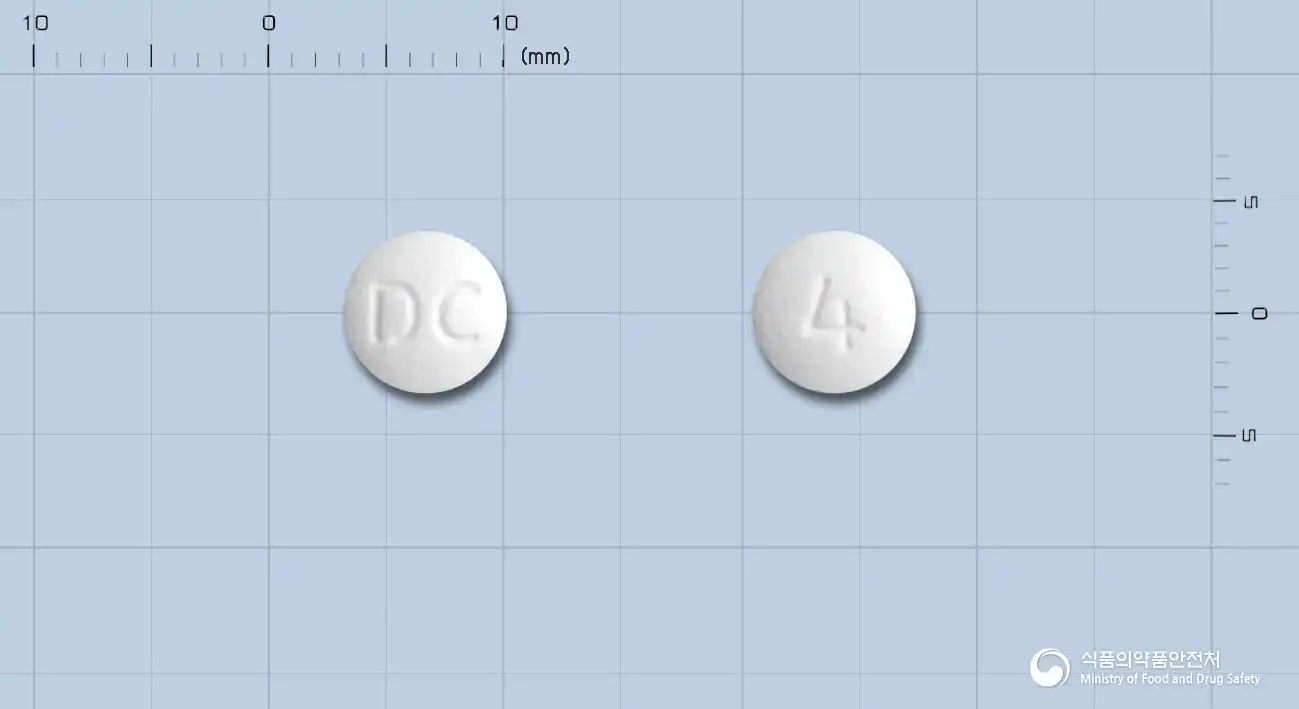
Eurocarina Sustained Release Tablet 4mg (Tolterodine L-Tartrate)
Tolterodine-L-Tartrate 4mg
Tablet · Prescription medication
Donggu Bio Pharmaceutical Co., Ltd.
MFDS item code 200600310 · Notified 2006.03.20
Treatment of overactive bladder (urgency, frequent urination, etc.)
This medication is used to improve symptoms such as urgency, frequency, and urge incontinence caused by overactive bladder. It helps alleviate symptoms by controlling excessive contraction of the bladder and improving the quality of life for patients.
Adults: Administer 4 mg of tolterodine L-tartrate orally once daily. Patients with renal impairment, hepatic impairment, or taking ketoconazole or another potent CYP3A4 inhibitor: Administer 2 mg of this drug once daily. If adverse reactions occur, the dose may be reduced from 4 mg to 2 mg once daily. This drug may be taken with or without food. Swallow the dosage form whole; do not crush or split it.
This medication should not be used by patients with urinary retention symptoms. Patients with gastric atony symptoms should also not take this medication. Patients with uncontrolled narrow-angle glaucoma may be at risk when using this medication. Patients with allergic reactions to this medication or its ingredients should not take it. Patients with severe myasthenia gravis may experience worsening of symptoms and should avoid this medication. Patients with severe ulcerative colitis or toxic megacolon should also not use this medication. Patients with a risk of urinary retention due to bladder outlet obstruction or controlled narrow-angle glaucoma should use this medication cautiously. Caution is also advised for patients with gastrointestinal obstruction, or those with impaired kidney or liver function when taking this medication. Patients on certain antibiotics, antifungals, or immunosuppressants that inhibit CYP3A4 enzyme should be mindful of interactions with this medication. Patients with autonomic neuropathy, hiatal hernias, or those at risk for decreased gastrointestinal motility should be administered this medication cautiously. This medication may cause side effects such as dry mouth, dyspepsia, and reduced tearing. Adverse reactions such as bronchitis, allergic reactions, confusion, drowsiness, dizziness, headache, constipation, abdominal pain, vomiting, and urinary difficulty have been reported in clinical trials. Additionally, skin rash, chest pain, weight gain, fatigue, dry eyes, visual disturbances, and dry skin may occur. Caution should be taken as patients receiving treatment for dementia may experience worsening of symptoms. This medication may affect cardiac electrical activity, thus patients with heart disease or those taking specific medications should be careful. Caution is also required as reaction time may be delayed when driving or operating machinery. Taking this medication in conjunction with other antimuscarinic drugs may enhance its effects, and there may be interactions with some other medications. It is safest to avoid using this medication during pregnancy or while breastfeeding. Safety in children has not been established, so it is best not to use this medication in pediatric patients. In case of overdose, severe side effects such as vision disturbance or urinary difficulty may occur, and appropriate treatment should be sought immediately at a hospital. This medication should be kept out of reach of children and not transferred to another container.
Not everyone experiences these, and they can vary from person to person.
This medication may be sensitive to air and moisture, so it should be stored in a tightly closed container. Additionally, it is recommended to store the medication at room temperature below 25 degrees Celsius. This will help maintain the effectiveness of the medication for a longer period.
White round film-coated tablet
30 tablets/bottle
Even with the same ingredient, strength, dosage form and how it is taken can differ.
Viewing nowTolterodine-L-Tartrate 4mg
Tablet · Prescription medication
Donggu Bio Pharmaceutical Co., Ltd.
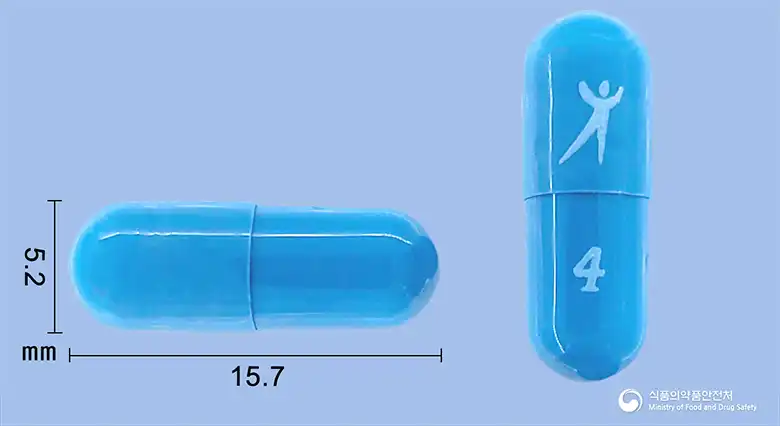
Tolterodine-L-Tartrate 4mg
Prescription medication
Viatris Korea Co., Ltd.
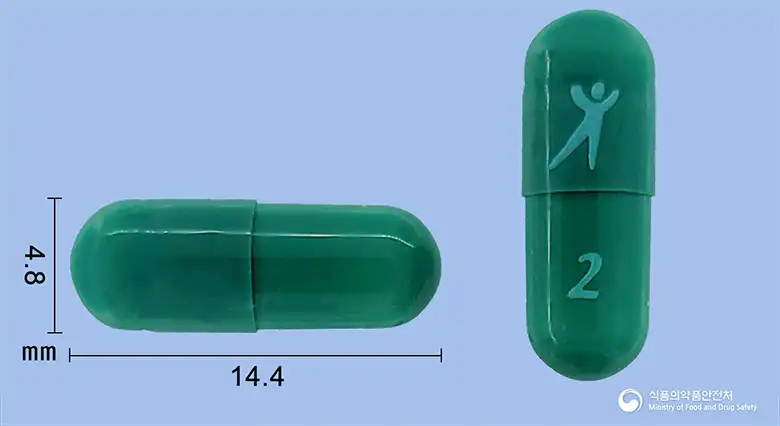
Tolterodine-L-Tartrate 2mg
Prescription medication
Viatris Korea Co., Ltd.
Tolterodine-L-Tartrate 2mg
Tablet · Prescription medication
Daewon Pharmaceutical Co., Ltd.
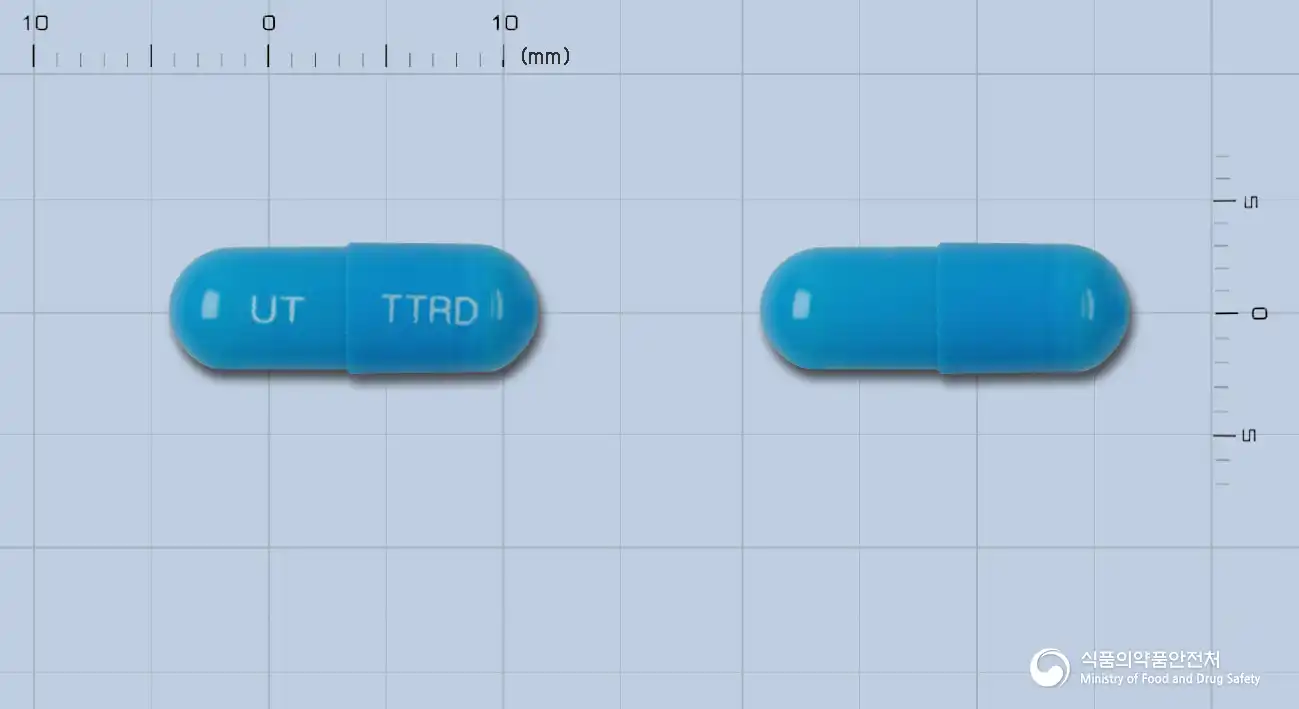
Tolterodine-L-Tartrate 4mg
Prescription medication
Korea United Pharm, Co., Ltd.
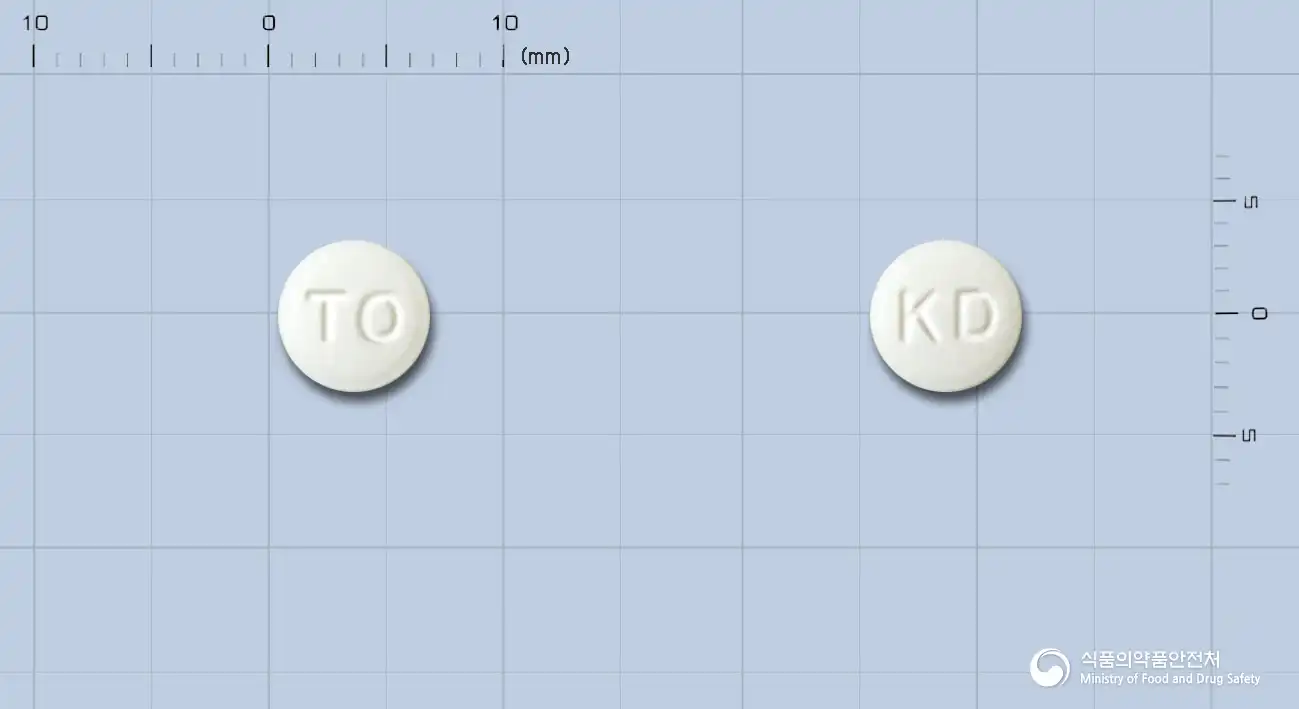
Tolterodine-L-Tartrate 2mg
Tablet · Prescription medication
Kyungdong Pharmaceutical Co., Ltd.
Tolterodine-L-Tartrate 4mg
Tablet · Prescription medication
Vynex Co., Ltd.
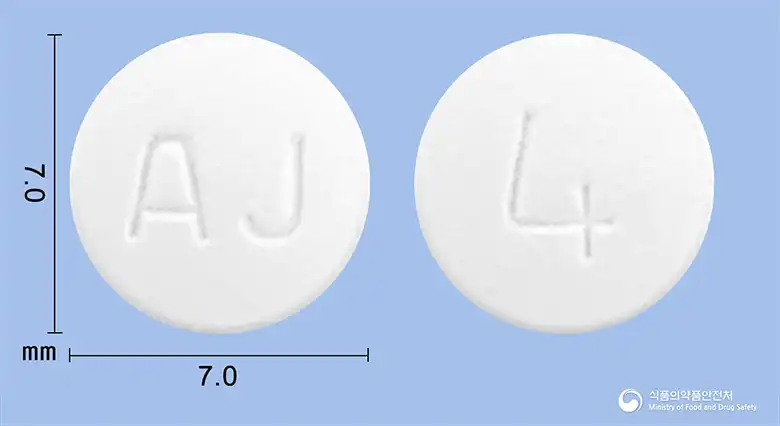
Tolterodine-L-Tartrate 4mg
Tablet · Prescription medication
Aju Pharmaceuticals Co., Ltd.
Even with the same ingredient, the dose and directions can differ by strength and dosage form. Talk to a doctor or pharmacist before switching from a medication you are already taking.
No questions yet.
For anything that needs medical judgment, consult a doctor or pharmacist.
This drug information is based on data provided by the Korea Ministry of Food and Drug Safety.
Consult a doctor or pharmacist for accurate dosage, administration, and usage instructions.