
 한국어
 English
 日本語
 中文(简体)
 Viewing now
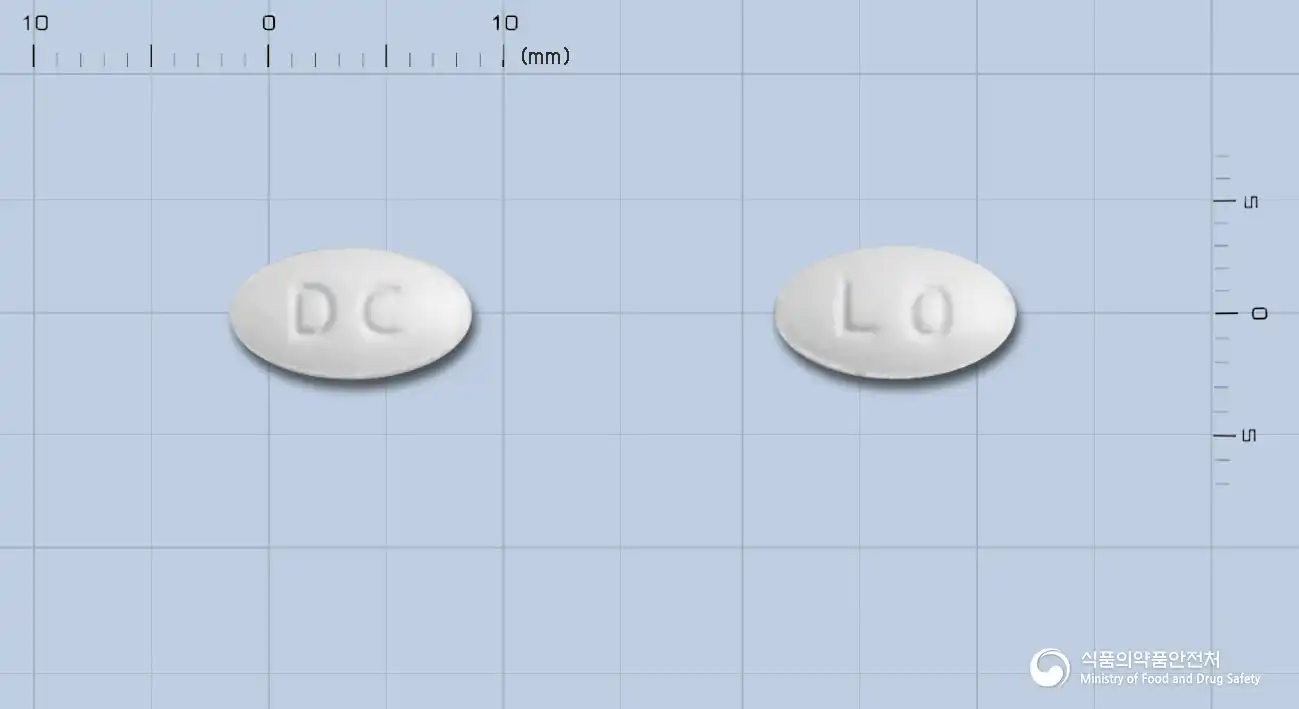
Prozat Tablets (Losartan Potassium)
Losartan Potassium 50mg
Tablet · Prescription medication
Donggu Bio Pharmaceutical Co., Ltd.
MFDS item code 200600309 · Notified 2006.02.02 · Insurance code 657303700
Treatment of hypertension and kidney disease in patients with type 2 diabetes and hypertension
This medicine is used to treat hypertension, and is particularly effective in preventing kidney damage and slowing the progression of kidney disease in patients with hypertension and Type 2 diabetes. It thus helps in the management of hypertension and the prevention of diabetes-related kidney complications.
This drug may be taken with or without food, but it is recommended that it be taken at the same time each day. 1. Hypertension Adults The recommended initial and maintenance dose is 50 mg of losartan potassium orally once daily. The maximum blood pressure-lowering effect occurs 3 ∼ 6 weeks after starting treatment. If the treatment effect is inadequate, the same dose may be given orally in 2 divided doses daily or, if necessary, increased to 100 mg once daily. If blood pressure is not controlled with this drug alone, it may be administered in combination with another antihypertensive agent (e.g., a low-dose diuretic). An additive effect has been observed when administered with hydrochlorothiazide. 2. Nephropathy in patients with type 2 diabetes and hypertension The usual adult dose is 50 mg of this drug once daily. The dose may be increased to 100 mg once daily depending on blood pressure. However, an initial dose of 25 mg is recommended for patients at risk of excessive blood pressure reduction. This drug may be administered with insulin and commonly used antidiabetic agents (e.g., sulfonylureas, glitazones, glucosidase inhibitors). 3. Special populations Elderly patients No adjustment of the initial dose is necessary in elderly patients aged 75 years or younger. For elderly patients over 75 years of age, an initial dose of 25 mg of this drug once daily is recommended. Patients with renal impairment Creatinine clearance 20 ∼ 50 mL/min: No adjustment of the initial dose is necessary. Creatinine clearance < 20 mL/min and patients undergoing dialysis: An initial dose of 25 mg of this drug once daily is recommended. Patients with reduced effective intravascular volume An initial dose of 25 mg of this drug once daily is recommended for patients who may have reduced effective intravascular volume (e.g., patients receiving diuretics) (see Precautions for Use). Patients with hepatic impairment Consider a lower dose in patients with a history of hepatic impairment. Do not administer to patients with severe hepatic impairment.
Children and adolescents aged 6 years or older who weigh 20 kg or more and less than 50 kg and are able to swallow tablets: The recommended dose is 25 mg of this drug once daily, which may be increased to a maximum of 50mg once daily depending on the patient's blood pressure response. Children and adolescents aged 6 years or older who weigh 50 kg or more: The usual recommended dose is 50 mg of this drug once daily, which may be increased to a maximum of 100 mg once daily depending on the patient's blood pressure response. Children under 6 years of age: Not recommended. Pediatric patients with a glomerular filtration rate below 30 mL/min/1.73㎡: Not recommended. Pediatric patients with hepatic impairment: Not recommended.
This drug can cause serious harm to the fetus if taken during pregnancy, so it should be stopped immediately upon confirmation of pregnancy. There is a higher risk of fetal kidney function decline, skeletal deformities, and reduced lung formation, particularly in the second and third trimesters. Patients with hypersensitivity to this drug, severely impaired liver function, those who are pregnant or of childbearing potential should not use it. Patients with hereditary disorders of glucose metabolism should also avoid this medication. Elderly patients or those with reduced kidney function and high serum potassium levels should use this drug cautiously, with regular blood tests and monitoring. As blood pressure may drop sharply, consult a physician immediately if symptoms of hypotension occur. This drug should not be taken with potassium-sparing diuretics or potassium supplements, as it may dangerously increase serum potassium levels. Caution is also needed when taken with certain non-steroidal anti-inflammatory drugs, as this can reduce the blood pressure-lowering effect or affect kidney function. Dizziness or drowsiness may occur while taking this medication, so caution is advised when driving or operating hazardous machinery. Allergic reactions such as angioedema, skin rash, and difficulty breathing may occasionally occur, so report any unusual symptoms to healthcare professionals immediately. The safety and efficacy of this drug have not been established in children or adolescents with significantly decreased kidney function. Overdose may lead to hypotension and cardiac rhythm abnormalities, so strict adherence to the prescribed dosage is vital. Finally, this medication should be kept out of reach of children and should not be transferred to other containers.
Not everyone experiences these, and they can vary from person to person.
This drug may be sensitive to air and moisture, so it should be stored in a tightly sealed container. It is recommended to maintain a storage temperature between 1 and 30 degrees Celsius at room temperature. This helps ensure that the drug's components do not change and its efficacy is well maintained.
White oval film-coated tablets
30 tablets/bottle
Even with the same ingredient, strength, dosage form and how it is taken can differ.
Viewing nowLosartan Potassium 50mg
Tablet · Prescription medication
Donggu Bio Pharmaceutical Co., Ltd.
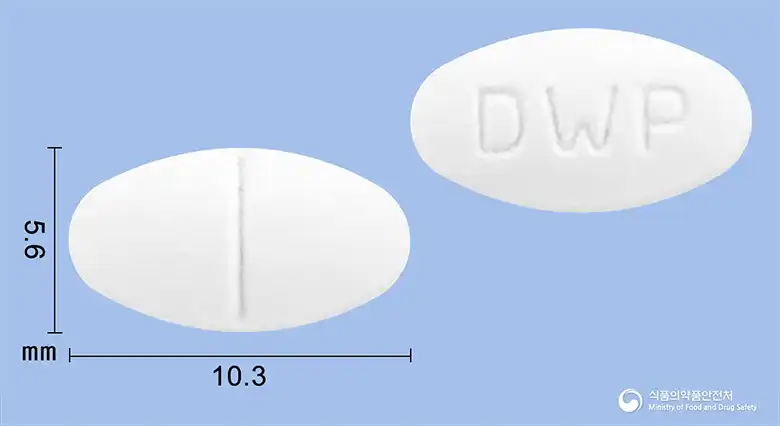
Losartan Potassium 50mg
Tablet · Prescription medication
DaeWon Pharmaceutical Co., Ltd.
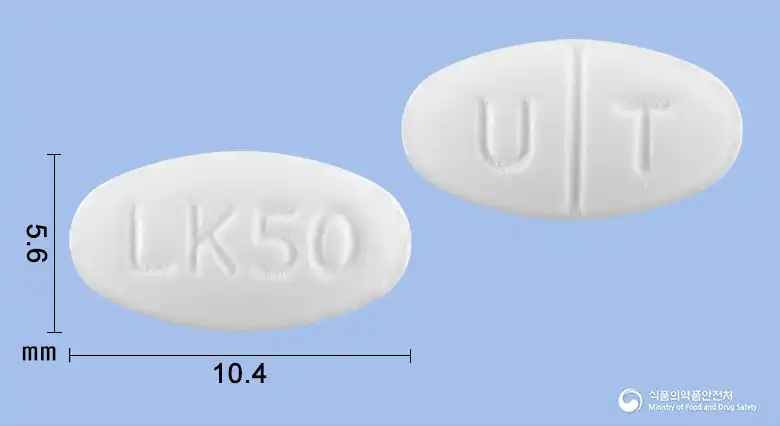
Losartan Potassium 50mg
Tablet · Prescription medication
Korea United Pharm, Co., Ltd.
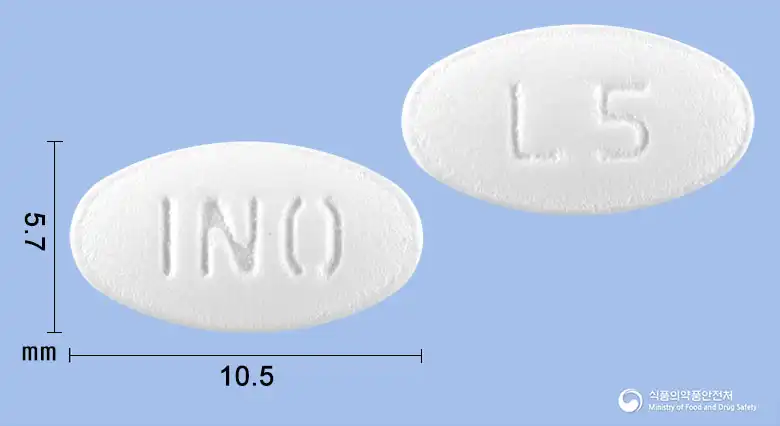
Losartan Potassium 50mg
Tablet · Prescription medication
HK Inno.N Co., Ltd.
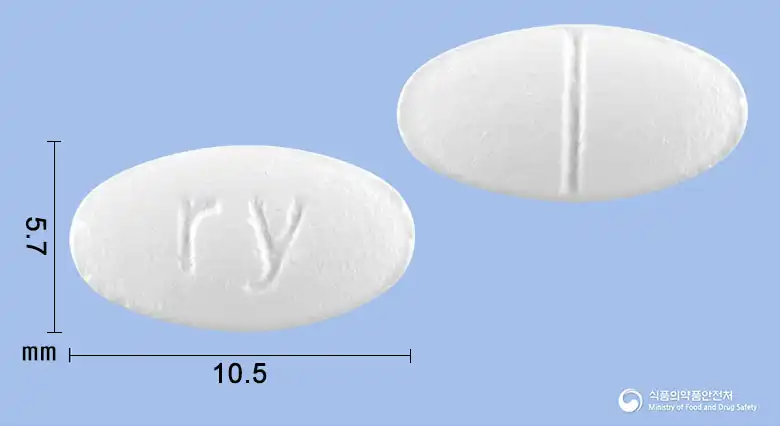
Losartan Potassium 50mg
Tablet · Prescription medication
IYON Pharmaceuticals Co., Ltd.
Losartan Potassium
Prescription medication
JW ShinYak Co., Ltd.
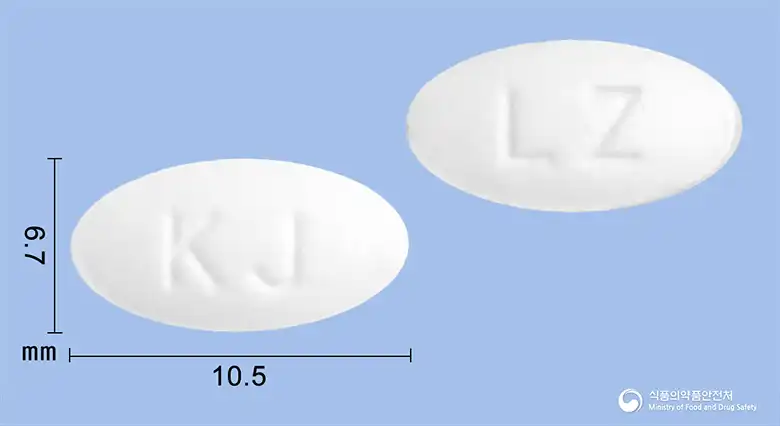
Losartan Potassium 50mg
Tablet · Prescription medication
Kukje Pharmaceutical Co., Ltd.
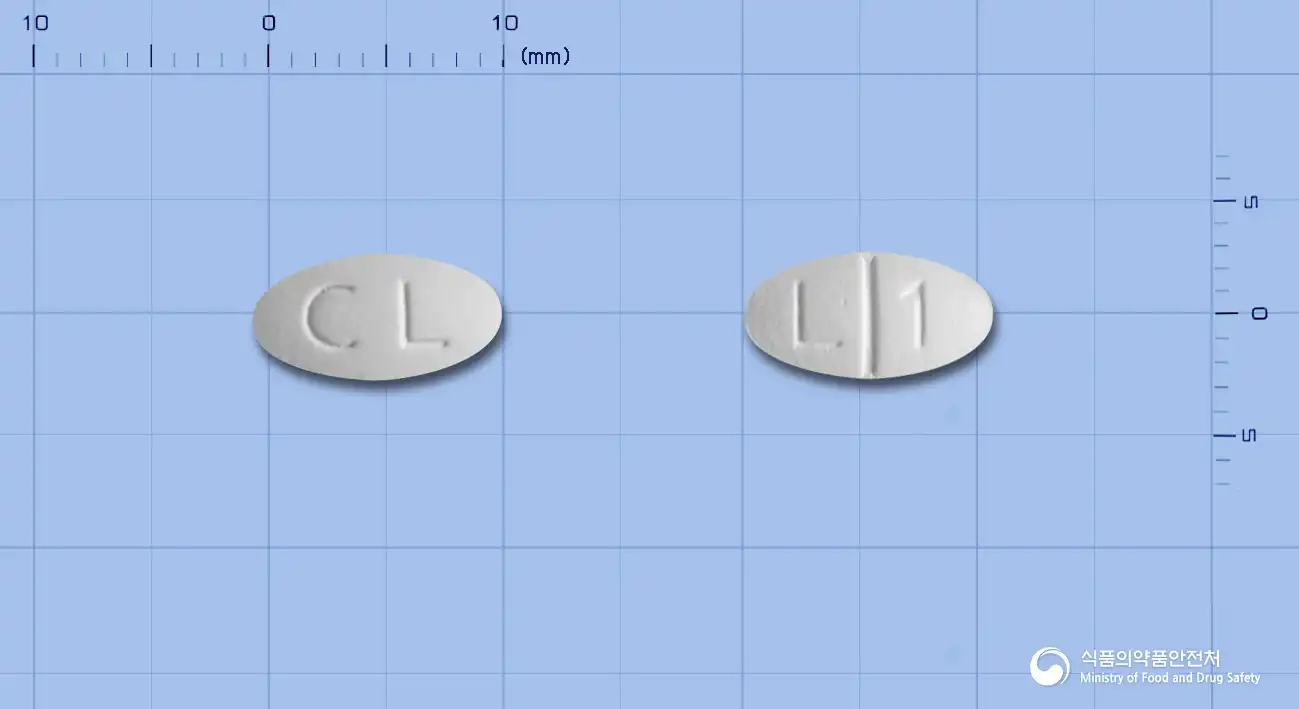
Losartan Potassium 50mg
Tablet · Prescription medication
Celltrion Pharmaceutical Co., Ltd.
Even with the same ingredient, the dose and directions can differ by strength and dosage form. Talk to a doctor or pharmacist before switching from a medication you are already taking.
No questions yet.
For anything that needs medical judgment, consult a doctor or pharmacist.
This drug information is based on data provided by the Korea Ministry of Food and Drug Safety.
Consult a doctor or pharmacist for accurate dosage, administration, and usage instructions.