
 한국어
 English
 日本語
 中文(简体)
 Viewing now
Sumatriptan 25 mg Tablet (Sumatriptan Succinate)
Sumatriptan Succinate 35mg
Tablet · Prescription medication
Myungin Pharmaceutical Co., Ltd.
MFDS item code 200600247 · Approved 2006.01.23 · Insurance code 651901300
Relief of migraine (with or without aura; related to the menstrual cycle)
This medicine quickly alleviates migraines, whether with or without aura symptoms. It also effectively reduces symptoms associated with migraine related to the menstrual cycle in women. Therefore, it is used to rapidly relieve the discomfort caused by migraines.
This is for prompt, intermittent treatment of migraine attacks (applies to orally disintegrating tablets only). This drug should not be used routinely for preventive therapy. It is most effective when taken early in a migraine attack, but taking it at any time during the attack provides comparable efficacy. Adults: Administer sumatriptan 50 mg orally as a single dose. However, a small number of patients may require an oral dose of 100 mg. If symptoms recur after responding to the initial dose, another dose may be taken, but the interval between doses should be at least 2 hours, and the maximum dose should not exceed 300 mg in 24 hours. Do not administer another dose for the same attack in patients who do not respond to the prescribed dose. For the treatment of migraine, this drug should preferably be administered alone and not in combination with other migraine medications. If there is no response to a single dose of this drug, there is no need to restrict the use of aspirin, nonsteroidal anti-inflammatory drugs, acetaminophen, etc. Swallow this drug whole with water. Elderly patients: There is limited experience with the use of this drug in patients aged 65 years or older. The pharmacokinetics in these patients are not significantly different from those in younger age groups; however, until more clinical data become available, this drug is not recommended for patients aged 65 years or older. Patients with hepatic impairment: Administer a maximum single dose of 50 mg of this drug.
Children and adolescents under 18 years of age: The safety and efficacy of this medicine have not been established.
This medication is used for the treatment of migraines and should not be administered to certain patients. For instance, it should not be given to patients who are allergic to this medication or its ingredients, patients with heart disease, or patients with uncontrolled hypertension. Additionally, it should not be used by pregnant or nursing women, or by children and adolescents under 18 years of age. Patients at risk of cardiovascular disease or those with liver or kidney dysfunction should use this medication cautiously. In particular, patients with a history of seizures or those at high risk of seizures should be careful. Taking this medication may cause drowsiness or dizziness, so caution should be exercised when engaging in activities requiring alertness such as driving or operating machinery. Furthermore, it is essential to confirm if the headache is caused by another reason if no effect is noticed when first using the drug. This medication may cause intensified side effects when combined with certain other medications, so it is crucial to consult a doctor or pharmacist if taking other drugs. Specifically, it should not be used with MAO inhibitors, selective serotonin reuptake inhibitors (SSRIs), or medications containing ergotamine. In case of overdose, serious side effects may occur, so adherence to prescribed dosages is strictly required. In case of overdose, immediate medical attention is necessary. This medication should be stored in a tightly closed container to avoid exposure to air or moisture. It should be kept in a cool place, below 30 degrees Celsius, out of reach of children. Also, it is advisable not to transfer to another container.
Pain, pounding pain, feeling of heat, cold sensation, pressure sensation, feeling of tightness, sense of pressure, flushing, dizziness, weakness, fatigue, drowsiness, cramping, sensory disturbance, decreased sensation, phonophobia, photophobia, confusion, depression, decreased concentration, olfactory dysfunction, speech disturbance, unusual euphoria, facial pain, heat sensitivity, ataxia, tearing, monoplegia, sleep disturbance, fainting, tremor, aggressiveness, apathy, cluster headache, decreased appetite, drug addiction, abnormal tension response, facial paralysis, hallucination, hunger, sensory hypersensitivity, hysteria, increased arousal, memory impairment, neuralgia, paralysis, personality changes, phobia, neuromyopathy, jubilation, suicide, single contraction, restlessness, anxiety, depressive disorder, loss of attachment, movement disorder, neurotic disorder, taste disorder, increased intracranial pressure, nausea, vomiting, diarrhea, gastrointestinal disorder, constipation, dysphagia, gastroesophageal reflux, gastrointestinal bleeding, hematemesis, melena, peptic ulcer, gastrointestinal pain, dyspepsia, toothache, gastrointestinal pressure sensation, gastritis, excessive salivation, hyposalivation, abdominal distension, abdominal pain, oral irritation, itching, salivary gland swelling, increased blood pressure, flushing, palpitations, fainting, decreased blood pressure, arrhythmia, ECG changes, hypertension, hypotension, pallor, tachycardia, angina, atherosclerosis, bradycardia, cerebral ischemia, cerebrovascular damage, heart block, peripheral cyanosis, thrombosis, transient myocardial ischemia, vasodilation, anemia, shortness of breath, asthma, viral infection, hiccups, respiratory distress, cough, bronchitis, liver function test interference, sinusitis, tinnitus, allergic rhinitis, upper respiratory infection, ear-nose-throat bleeding, external otitis, hearing loss, nasal inflammation, sound sensitivity, hearing impairment, ear pain, tonsillitis, feeling of fullness in the ear, thirst, increased thyroid-stimulating hormone levels, excessive milk production, hyperglycemia, hypoglycemia, hypothyroidism, polydipsia, weight gain, weight loss, endocrine cyst, mass, fluid disorder, sclera disorder, mydriasis, vision loss, visual impairment, visual disability, ocular edema, ocular swelling, ocular irritation, ocular itching, accommodation disorder, external ocular muscle disorder, ocular hemorrhage, ocular pain, keratitis, conjunctivitis, myalgia, musculoskeletal pain, muscle cramps, tetany, muscular dystrophy, muscle weakness, muscle fatigue, arthralgia, rheumatic joint disease, musculoskeletal deformity, muscle rigidity, muscle spasm, musculoskeletal inflammation, sweating, erythema, itching, rash, skin pressure pain, urticaria, dry skin, scaly skin, skin tension, skin wrinkles, eczema, seborrheic dermatitis, skin nodules, tenderness, nipple discharge, breast swelling, breast cyst, breast mass, cyclical malignant breast neoplasm, dysmenorrhea, increased urination, intermenstrual bleeding, miscarriage, hematuria, frequent urination, cystitis, urinary disorders, urethritis, urinary tract infection, premenstrual syndrome, irregular menstrual cycles, salpingitis, premenstrual cycle syndrome, hypersensitivity, fever, fluid retention, edema, hematoma, lymphadenopathy, speech disorder, voice changes, contusion, flickering, flashes, diplopia, ocular nystagmus, scotoma, visual decline, vision loss, optic neuropathy, retinal artery occlusion, retinal vein thrombosis, hypotension, palpitations, deep vein thrombosis, ischemic ECG changes, coronary artery vasospasm, myocardial infarction, atrial fibrillation, cardiomyopathy, pulmonary embolism, shock, thrombophlebitis, hemolytic anemia, pancytopenia, thrombocytopenia, Raynaud's phenomenon, peripheral vascular ischemia, interstitial seizure, central nervous system vasculitis, cerebrovascular accident, dysphagia, serotonin syndrome, subarachnoid hemorrhage, myopathy, extrapyramidal disorder, hearing loss, exacerbation of sunburn, phototropic reaction, skin allergy, shock, anaphylaxis, acute renal failure, ischemic colitis accompanied by rectal bleeding, xerostomia, elevated liver function levels, angioedema, cyanosis, death, temporal arteritis, panic disorder, bronchospasm, neck stiffness, nausea, vomiting, lethargy, myalgia, perceptual disturbance, dyspepsia, confusion, anxiety, rhinitis, increased sweating, constipation, gastrointestinal diseases, polydipsia, diarrhea, limb paralysis, tremor, ataxia, insomnia, neurodermatitis, depression, arthralgia, dry skin, ocular pain
Not everyone experiences these, and they can vary from person to person.
This medication should be stored in a tightly sealed container to avoid exposure to air or moisture. The optimal storage temperature is between 1 and 30 degrees Celsius. Storing it this way helps maintain the effectiveness of the medication safely.
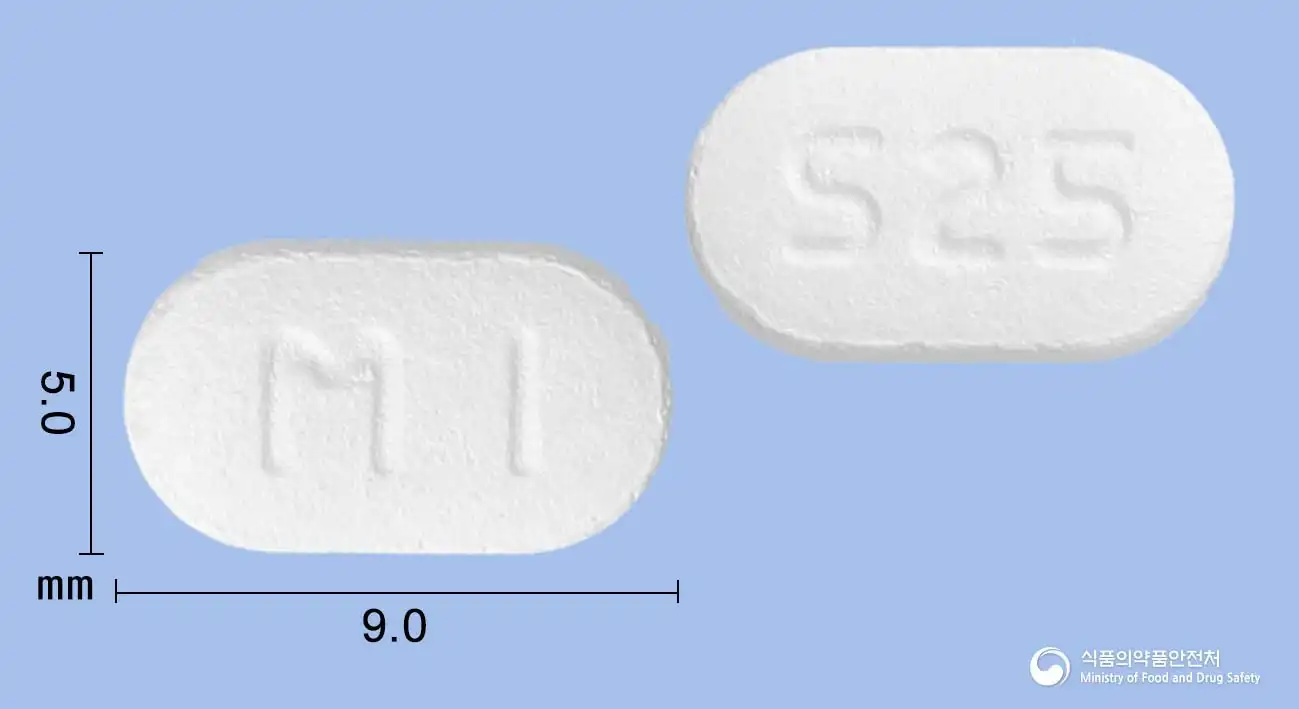
White, oblong, film-coated tablet
12 tablets (6 tablets/PTP x 2)
Even with the same ingredient, strength, dosage form and how it is taken can differ.
Viewing nowSumatriptan Succinate 35mg
Tablet · Prescription medication
Myungin Pharmaceutical Co., Ltd.

Sumatriptan Succinate 70mg
Tablet · Prescription medication
GlaxoSmithKline Co., Ltd.

Sumatriptan Succinate 70mg
Tablet · Prescription medication
Iyun Pharmaceutical Co., Ltd.

Sumatriptan Succinate 70mg
Tablet · Prescription medication
Myungjin Pharmaceutical Co., Ltd.

Sumatriptan Succinate 70mg
Tablet · Prescription medication
Yuyu Pharmaceutical Co., Ltd.

Sumatriptan Succinate 70mg
Tablet · Prescription medication
Hanwha Pharmaceutical Co., Ltd.
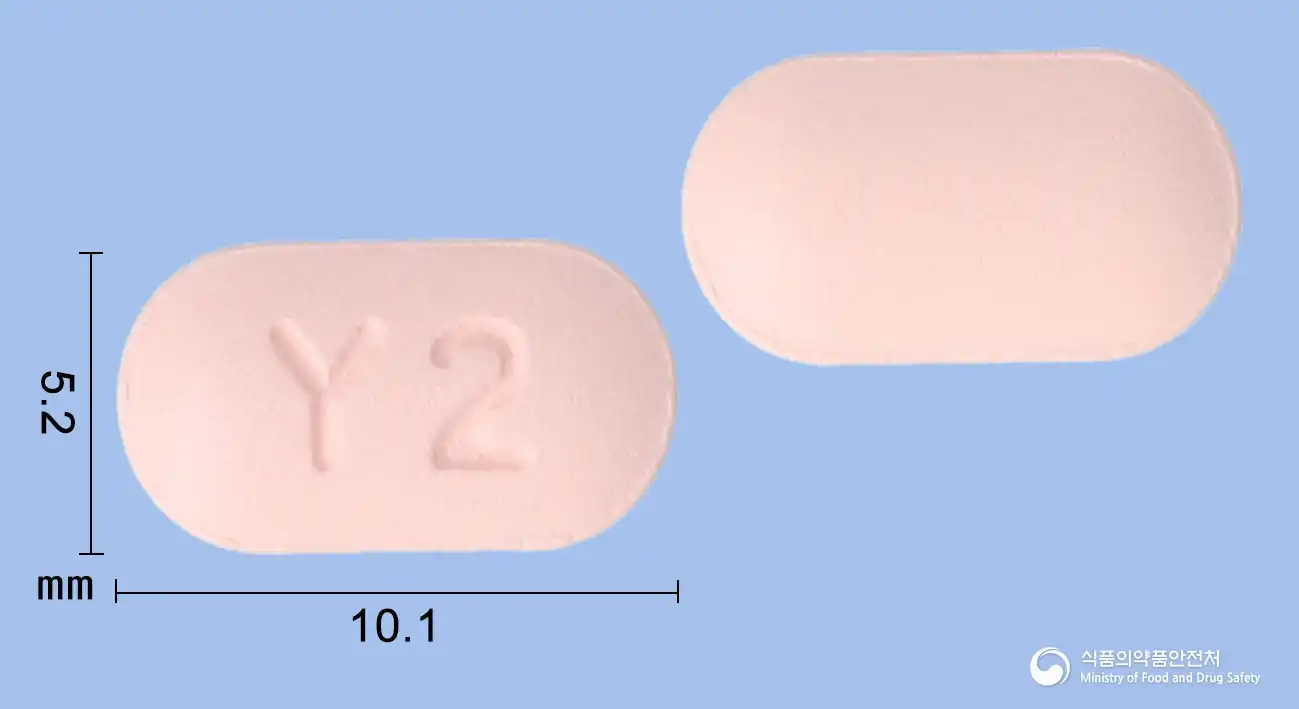
Sumatriptan Succinate 35mg
Tablet · Prescription medication
Yuyu Pharmaceutical Co., Ltd.
Even with the same ingredient, the dose and directions can differ by strength and dosage form. Talk to a doctor or pharmacist before switching from a medication you are already taking.
No questions yet.
For anything that needs medical judgment, consult a doctor or pharmacist.
This drug information is based on data provided by the Korea Ministry of Food and Drug Safety.
Consult a doctor or pharmacist for accurate dosage, administration, and usage instructions.