
 한국어
 English
 日本語
 中文(简体)
Summary
- Main use
- Treatment of hypertension and angina
- Who takes it
- Adults
- Adult dose
- The dose should be adjusted for each patient, and the lowest dose is recommended as the starting dose. Adjust the dose appropriately according to symptoms. 1. Hypertension Adults: The initial dose is 25 mg of S-atenolol once daily, administered orally alone or in combination with a diuretic (thiazide). If an effect is not achieved within 1 ∼ 2 weeks, increase the dose to 50 mg once daily. Do not exceed 50 mg daily. 2. Angina Adults: Administer 50 mg of this drug orally in 1 ∼ 2 divided doses daily. Do not exceed 50 mg daily. 3. Patients with renal impairment Creatinine clearance (mL/min/1.73m2) Dose 15 ∼ 35 25 mg daily < 15 12.5 mg daily or 25 mg every 2 days
Ingredients
- Manufacturer
- Anguk Pharmaceutical Co., Ltd.
Efficacy & effects
Treatment of hypertension and angina
- Hypertension
- angina
View approved original textHide original text
This medication is used for cardiovascular diseases such as hypertension and angina.
How to take
Adult dose
The dose should be adjusted for each patient, and the lowest dose is recommended as the starting dose. Adjust the dose appropriately according to symptoms. 1. Hypertension Adults: The initial dose is 25 mg of S-atenolol once daily, administered orally alone or in combination with a diuretic (thiazide). If an effect is not achieved within 1 ∼ 2 weeks, increase the dose to 50 mg once daily. Do not exceed 50 mg daily. 2. Angina Adults: Administer 50 mg of this drug orally in 1 ∼ 2 divided doses daily. Do not exceed 50 mg daily. 3. Patients with renal impairment Creatinine clearance (mL/min/1.73m2) Dose 15 ∼ 35 25 mg daily < 15 12.5 mg daily or 25 mg every 2 days
Precautions
This medication should not be used in certain patients. For example, individuals allergic to this medication or its components, those in a state of cardiogenic shock, those with bradycardia, those with problems in the electrical signal transmission of the heart, those with right heart issues due to pulmonary hypertension, those with metabolic abnormalities caused by diabetes, untreated heart failure patients, patients with severe asthma or chronic obstructive pulmonary disease, those with excessively low blood pressure, individuals with severe peripheral blood circulation disorders, those with thyroid dysfunction, patients with certain adrenal tumors, nursing mothers, and those taking certain medications should not take this medication. This medication should be used cautiously in some patients. Patients at risk of heart failure or patients with difficult blood sugar control due to diabetes should be closely monitored during treatment. Additionally, those with asthma or bronchospasm risks, patients with severe impairment of liver or kidney function, the elderly, and patients with specific heart conditions should also exercise caution when taking this medication. This medication can cause various side effects. Skin rashes or itching, decreased tear secretion, vision problems, bradycardia, low blood pressure, dizziness, fatigue, digestive disturbances, respiratory difficulties, liver function abnormalities, hair loss, blood disorders, erectile dysfunction, among others, have been reported. If these symptoms occur, consult a doctor immediately. When using this medication for a long period, regular monitoring of heart function, blood pressure, blood tests, etc., is necessary, and discontinuation should not be abrupt but rather should be gradually reduced as directed by a physician. Caution should also be exercised when engaging in dangerous activities such as driving or operating machinery during treatment. This medication may interact with other drugs; therefore, patients taking other medications must inform their doctor or pharmacist. Special caution is required when used in combination with blood pressure medications, diabetes medications, calcium channel blockers, certain antiarrhythmic agents, anesthetics, and more. Women who are pregnant or possibly pregnant should carefully consider the risks and benefits before using this medication, and it is advisable to avoid using this medication while breastfeeding. Safety in children has not been established, so use in children should be approached cautiously. Elderly patients may have reduced heart and kidney function; therefore, treatment should start with a lower dose and be closely monitored. In case of overdose, symptoms may include severely slowed heart rate, heart failure, low blood pressure, bronchospasm, and hypoglycemia; immediate medical treatment is required. It may be necessary to reduce drug absorption and provide supportive treatment for blood pressure and heart function as needed. This medication should be kept out of reach of children and should not be stored at temperatures above 30 degrees Celsius. Transferring to another container may adversely affect the quality of the product and should be avoided.
Side effects
Rash, itching, angioedema, hives, decreased tear production, blurred vision, dry eyes, bradycardia, cold extremities, heart failure, palpitations, increased cardiac silhouette, chest tightness, low blood pressure, atrioventricular block, sinus block, orthostatic hypotension, leg pain, facilitated heart block, intermittent claudication, Raynaud's phenomenon, depression, decreased libido, sleep disorders, headache, heaviness in the head, dizziness, orthostatic regulation disorder, insomnia, drowsiness, confusion, mood changes, nightmares, mental disorders, hallucinations, congestive state, ringing in the ears, ear pain, fatigue, weakness, apathy, sensory disturbances, gastrointestinal disorders, thirst, nausea, vomiting, loss of appetite, abdominal discomfort, diarrhea, loose stools, constipation, abdominal pain, wheezing, shortness of breath, bronchospasm, bile duct obstruction hepatitis, elevated AST, elevated ALT, intrahepatic bile stasis, elevated BUN, elevated creatinine, rash, psoriasis, psoriatic rash, alopecia, purpura, thrombocytopenia, erectile dysfunction, numbness, edema, peripheral edema, sweating, coldness, increased urination, hyperlipidemia, hyperglycemia, hyperuricemia, elevated creatine kinase, agranulocytosis, non-thrombocytopenic purpura, thrombocytopenic purpura, tonsillitis, laryngeal spasms, respiratory disorders, depression leading to liver disease, visual disturbances, hallucinations, acute symptoms due to loss of orientation, short-term memory loss, emotional instability due to sensory confusion, decreased activity in neuropsychiatric disorders, mesenteric artery thrombosis, ischemic colitis, reversible hair loss, Peyronie's disease, erythematous rash, Raynaud's phenomenon
Not everyone experiences these, and they can vary from person to person.
Storage
This medication should be stored in a tightly sealed container to protect it from air and moisture. It is recommended to maintain the storage temperature between 1 degree and 30 degrees Celsius, ideally at room temperature.
Appearance and packaging
Appearance
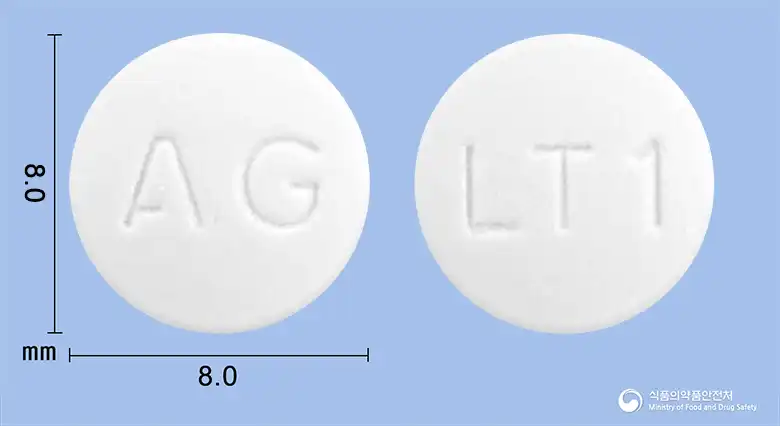
White round tablet
Package unit
30 tablets/bottle
Questions about this medicine
No questions yet.
For anything that needs medical judgment, consult a doctor or pharmacist.