
 한국어
한국어 English
 日本語
日本語 中文(简体)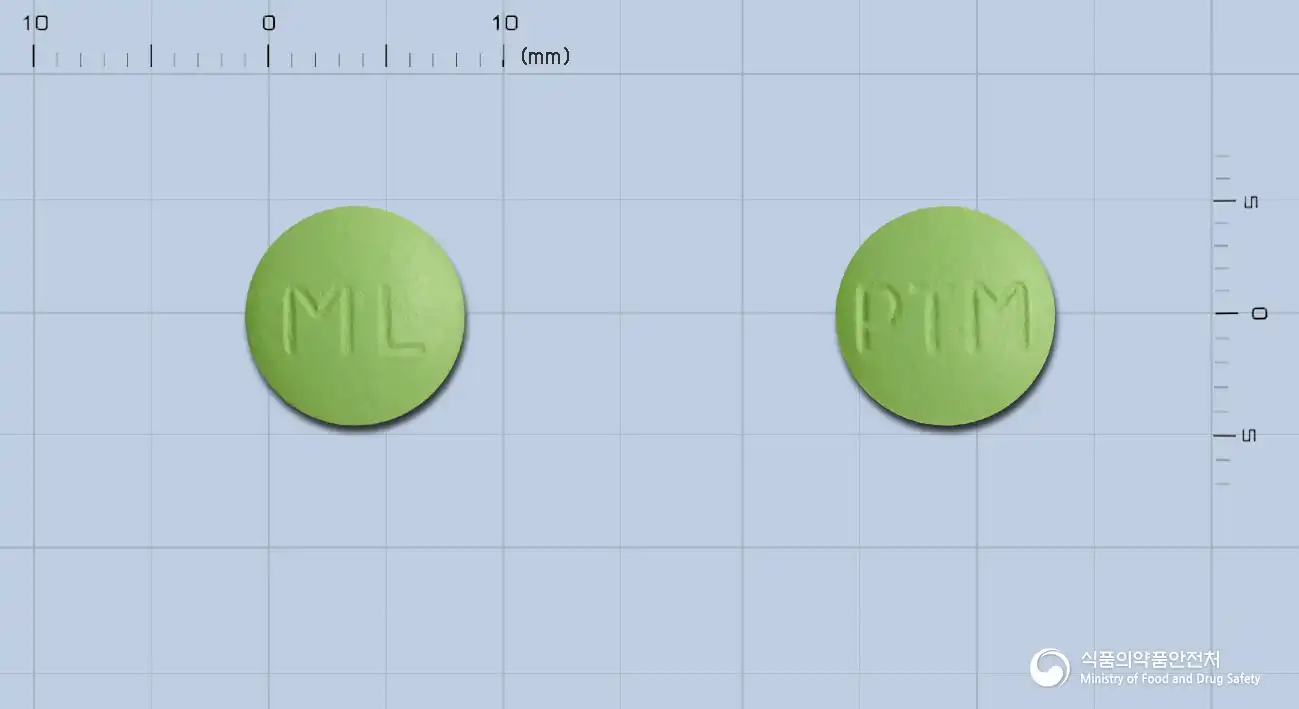
Summary
- Main use
- Prevention and treatment of pantothenic acid deficiency, management of wasting diseases, improvement of hyperlipidemia and blood disorders
- Who uses it
- Adults
- Adult dosage
- Typically, 30 to 180 mg of pantethine is divided and taken 1 to 3 times a day. For blood disorders and atonic constipation: 300 to 600 mg divided 1 to 3 times a day. For hyperlipidemia: 600 mg taken 3 times a day.
Ingredients
- Manufacturer
- (주)바이넥스
Efficacy & effects
Prevention and treatment of pantothenic acid deficiency, management of wasting diseases, improvement of hyperlipidemia and blood disorders
- Pantothenic acid deficiency
- wasting diseases
- hyperthyroidism
- hyperlipidemia
- atonic constipation
- acute and chronic eczema
- decrease in platelet counts in blood disorders
- bleeding tendency
View approved original textHide original text
This medication is used to prevent and treat pantothenic acid deficiency. It also helps as a supplement in cases where dietary intake of pantothenic acid may be insufficient, such as in patients with wasting diseases, hyperthyroidism, and pregnant or breastfeeding women. Pantothenic acid is effective in treating conditions suspected of being related to deficiency or metabolic disorders, including hyperlipidemia, atonic constipation, acute and chronic eczema, and in preventing adverse effects of streptomycin and gentamicin. It is also used to increase platelet counts in patients with blood disorders and improve bleeding tendencies. Thus, pantothenic acid plays an important role in enhancing health and alleviating symptoms across various diseases and conditions.
Dosage and Administration
Adult dosage
Typically, 30 to 180 mg of pantethine is divided and taken 1 to 3 times a day. For blood disorders and atonic constipation: 300 to 600 mg divided 1 to 3 times a day. For hyperlipidemia: 600 mg taken 3 times a day.
Precautions
This medication should not be taken by individuals who have had allergic reactions to this medication or any of its ingredients. Patients currently undergoing treatment by a physician should consult their doctor, dentist, or pharmacist before taking this medication. This medication contains the pigment Yellow No. 203, and patients with a history of allergy or hypersensitivity to this component should use it with caution. If symptoms such as diarrhea, loose stools, nausea, vomiting, abdominal bloating, or loss of appetite occur while taking this medication, stop taking it immediately and consult a healthcare professional. This medication must be taken according to the prescribed dosage and regimen, and if symptoms do not improve after about one month of taking it, or if they worsen, consult a doctor or pharmacist. Lastly, store this medication out of reach of children, avoid direct sunlight, and keep it in a cool, dry place. Also, to maintain the quality of the medication, do not transfer it to another container and prevent misuse or abuse.
Side effects and when to seek care immediately
Mild side effects
- Diarrhea
- loose stools
- nausea
- vomiting
- abdominal bloating
- loss of appetite
Not everyone experiences these, and they can vary from person to person.
Storage
This medication should be stored in a tightly sealed container to avoid exposure to air or moisture. It is also important to maintain a temperature between 1 to 30 degrees Celsius while storing the medication.
Appearance and packaging
Appearance
Dark green round film-coated tablet
Package unit
300 tablets/bottle
Questions about this medicine
No questions yet.
For anything that needs medical judgment, consult a doctor or pharmacist.