
 한국어
한국어 English
 日本語
日本語 中文(简体)
 Viewing now
Olmetec 10 mg (Olmesartan Medoxomil)
Olmesartan Medoxomil 10mg
Tablet · Prescription medication
Daewoong Pharmaceutical Co., Ltd.
MFDS item code 200600114 · Approved 2006.04.25 · Insurance code 641601990
Improvement of essential hypertension
Essential hypertension refers to a condition where blood pressure remains consistently high without any specific cause. This medication helps lower blood pressure, reducing strain on the heart and blood vessels and assisting in the prevention of complications such as stroke or myocardial infarction. Treatment of essential hypertension requires both lifestyle modifications and medication, and regular use can result in effective blood pressure management. This improves the patient's overall health and reduces the risk of complications. This medication is used for the treatment of essential hypertension.
The recommended initial dose is 10 mg once daily, regardless of meal times. If blood pressure is not adequately controlled, the dosage may be increased to 20 mg once daily. If additional blood pressure-lowering effects are required, the dosage may be increased up to a maximum of 40 mg once daily. There is no need for dosage adjustment in elderly patients. Patients with renal impairment: for mild to moderate cases, the maximum recommended dosage is 20 mg once daily. For patients with liver impairment:
This medication may cause serious harm to the fetus and newborn when taken during the second and third trimesters of pregnancy; therefore, it should be discontinued immediately upon confirmation of pregnancy. Patients with allergies to any components of this medication, those who are pregnant or breastfeeding, those undergoing renal dialysis, and patients with severe liver disease or bile duct obstruction should not take this medication. Additionally, patients with lactose intolerance or certain genetic issues should not take this medication, which contains lactose. Patients with reduced blood volume or those taking high-dose diuretics may experience initial hypotension, so caution should be taken, and appropriate measures should be implemented if hypotension occurs. This medication may affect kidney function; hence, patients with kidney disease or those who have undergone kidney transplantation should regularly check their kidney function through blood tests. Particularly, careful administration is required for patients with renal artery stenosis or at risk of hyperkalemia, as well as those with aortic stenosis and mitral valve stenosis. Due to the blood pressure-lowering effects of this medication, dizziness may occur; therefore, caution is advised during activities such as driving or operating machinery. During treatment, side effects such as dizziness, headache, abdominal pain, muscle pain, rash may occur, and patients should consult with healthcare professionals if abnormal symptoms persist. This medication may interact with potassium-sparing diuretics, potassium supplements, lithium, non-steroidal anti-inflammatory drugs, etc.; therefore, it is essential to inform healthcare providers if taking other medications. Pregnant women should avoid taking this medication for their fetus's health, and breastfeeding mothers should consider stopping medication or discontinuing breastfeeding, as adverse reactions may appear in infants. Safety in children has not been established, so it is advisable not to use this medication in pediatric patients. In cases of overdose, symptoms such as hypotension, palpitations, and bradycardia may appear; therefore, immediate medical assistance should be sought if symptoms occur. This medication is considered to have a low risk of carcinogenicity and genotoxicity with prolonged use. However, patients should consult with professionals if abnormal symptoms appear during treatment.
Hives, severe swelling (angioedema), chest pain (including tightness in the chest), difficulty breathing (including asthma attacks), cold sweat, pallor, severe rash with high fever, blisters, peeling skin, pain in mucous membranes of mouth/eyes, jaundice of the skin or eyes, systemic weakness, severe allergic reactions (including anaphylaxis), acute renal failure, elevated serum creatinine, autoimmune hepatitis, rhabdomyolysis, hyperkalemia, severe neurological effects
Not everyone experiences these, and they can vary from person to person.
This medication should be stored in a tightly sealed container to prevent exposure to air and moisture. It is best to store it at room temperature between 1 to 25 degrees Celsius.
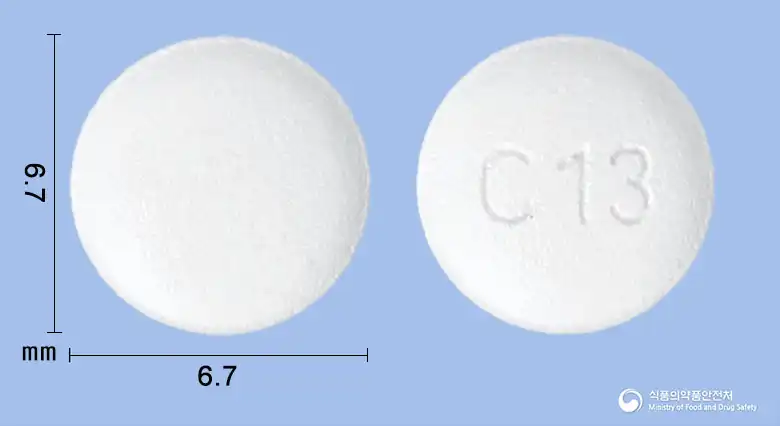
White, round, film-coated tablet
30 tablets/box [10 tablets/PTP × 3], 150 tablets/bottle
Even with the same ingredient, strength, dosage form and how it is taken can differ.
Viewing nowOlmesartan Medoxomil 10mg
Tablet · Prescription medication
Daewoong Pharmaceutical Co., Ltd.
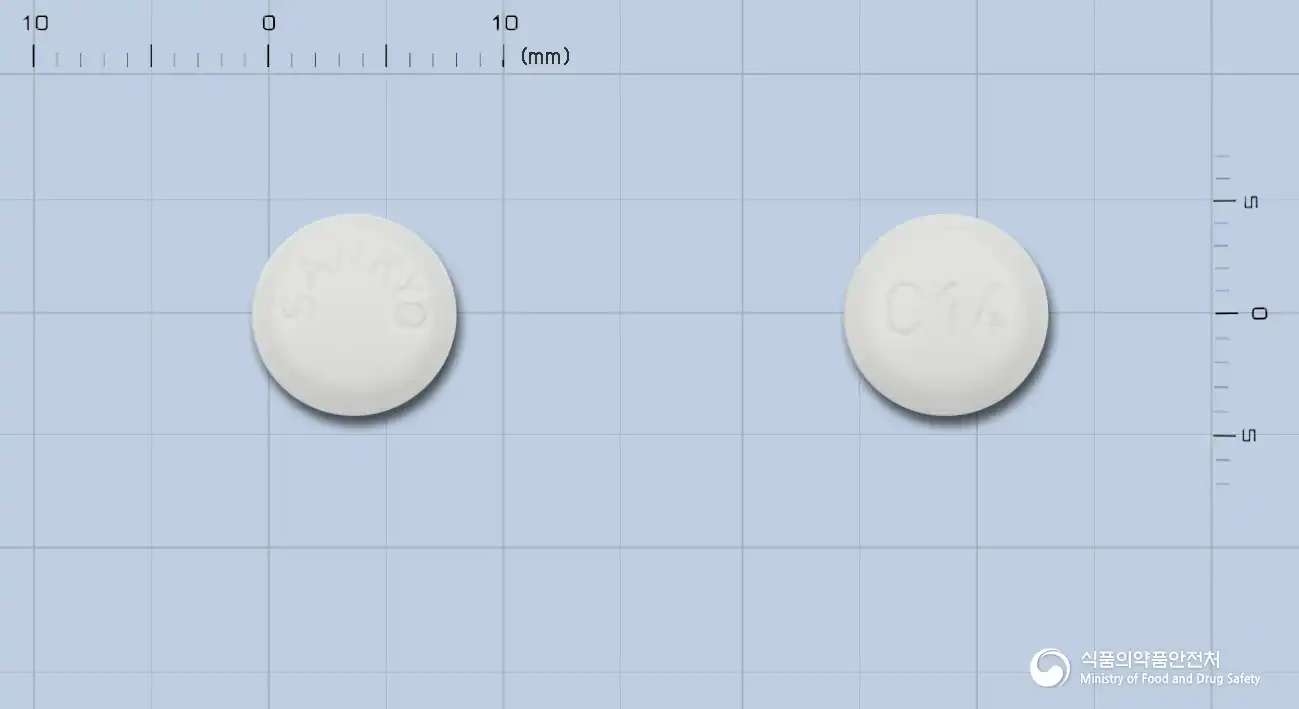
Olmesartan Medoxomil 20mg
Tablet · Prescription medication
Daewoong Pharmaceutical Co., Ltd.
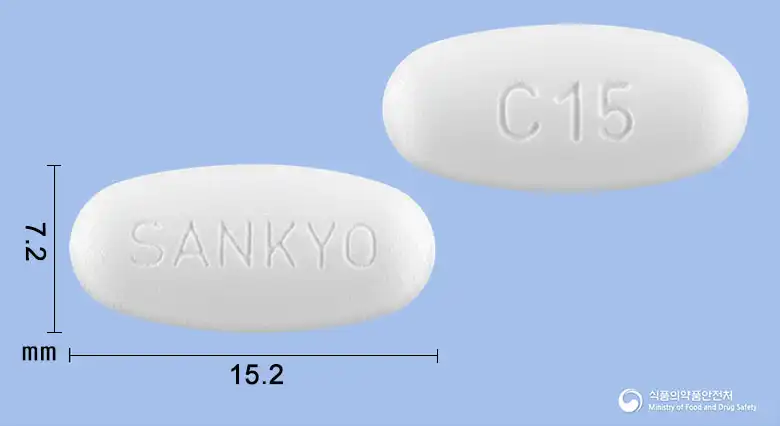
Olmesartan Medoxomil 40mg
Tablet · Prescription medication
Daewoong Pharmaceutical Co., Ltd.
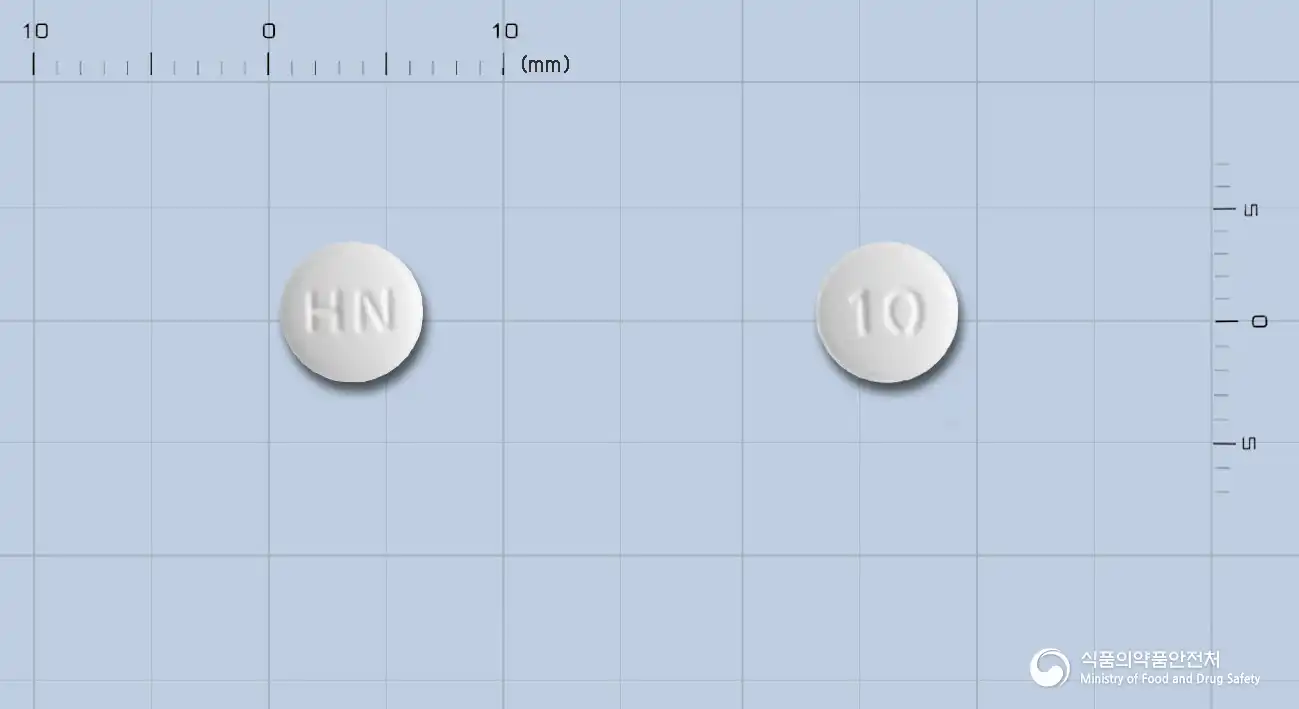
Olmesartan Medoxomil 10mg
Tablet · Prescription medication
Hana Pharmaceutical Co., Ltd.
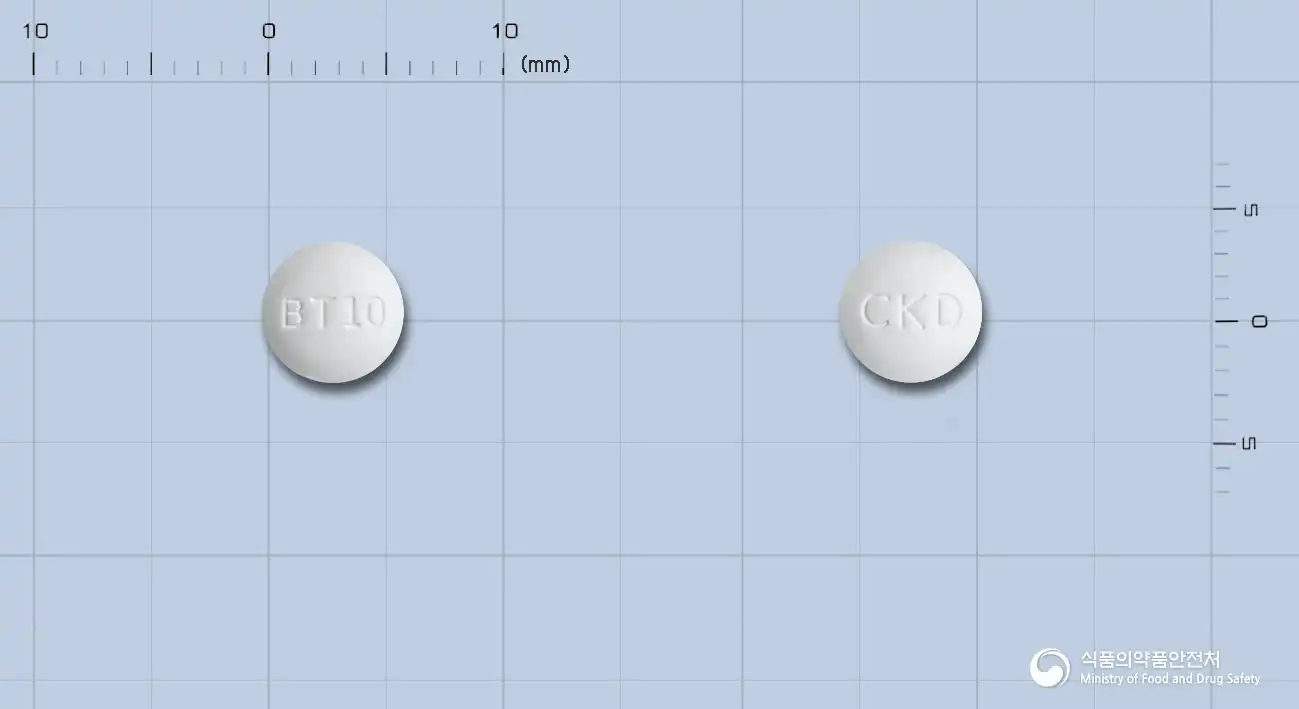
Olmesartan Medoxomil 10mg
Tablet · Prescription medication
Jongkeundang Co., Ltd.
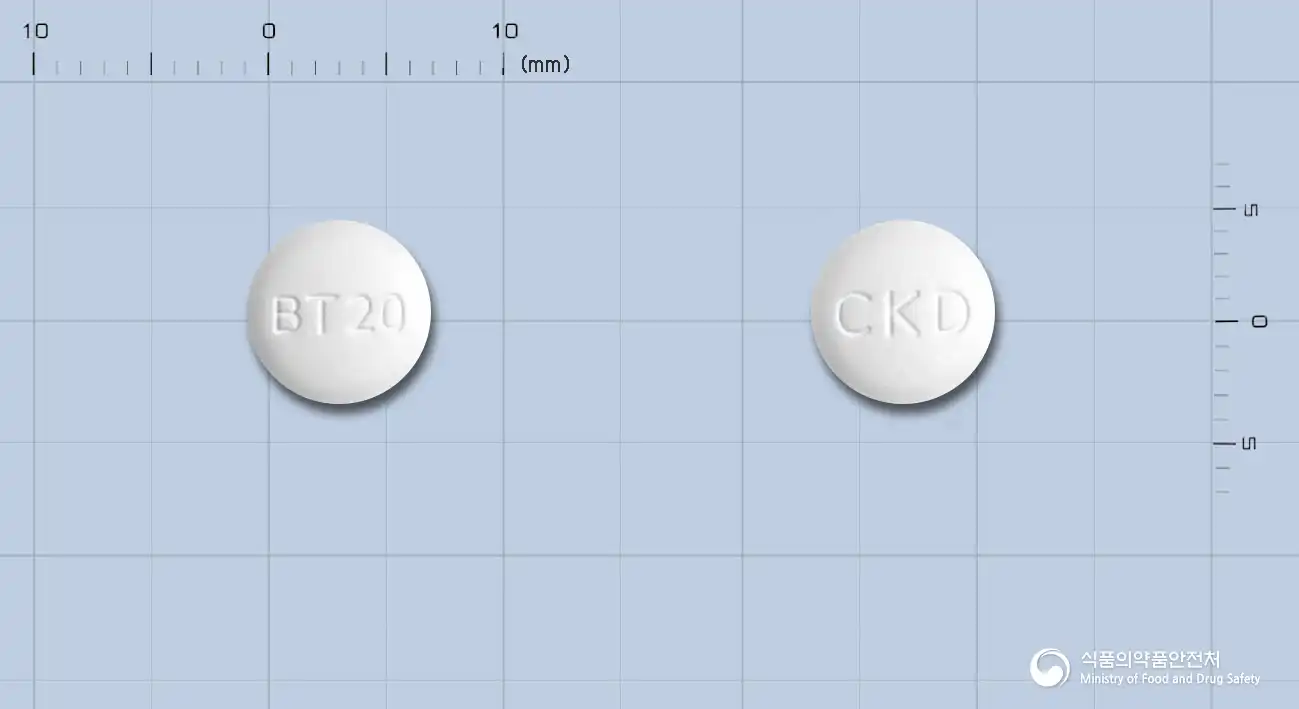
Olmesartan Medoxomil 20mg
Tablet · Prescription medication
Jongkundang Co., Ltd.
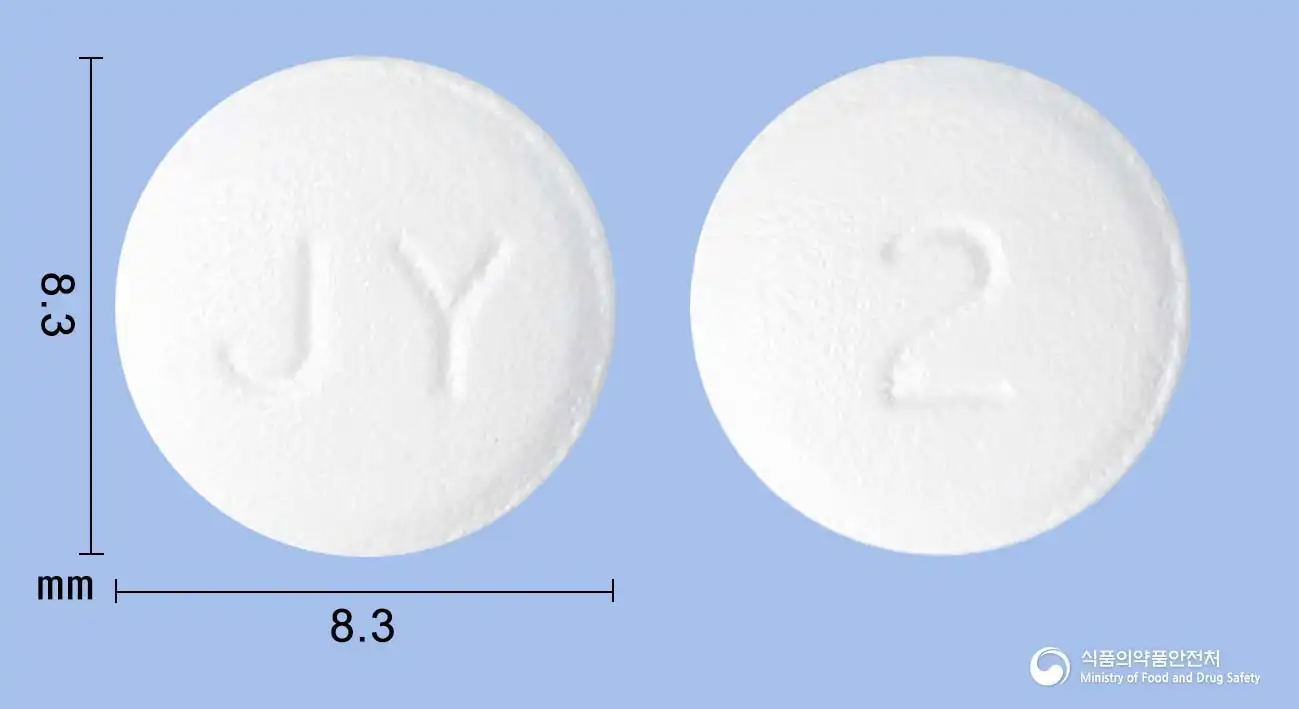
Olmesartan Medoxomil 20mg
Tablet · Prescription medication
Jinyang Pharmaceutical Co., Ltd.
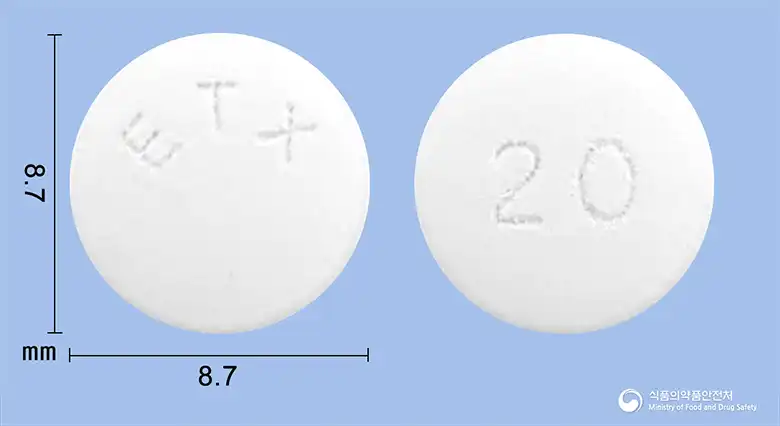
Olmesartan Medoxomil 20mg
Tablet · Prescription medication
Teragen Itex Co., Ltd.
Even with the same ingredient, the dose and directions can differ by strength and dosage form. Talk to a doctor or pharmacist before switching from a medication you are already taking.
No questions yet.
For anything that needs medical judgment, consult a doctor or pharmacist.
This drug information is based on data provided by the Korea Ministry of Food and Drug Safety.
Consult a doctor or pharmacist for accurate dosage, administration, and usage instructions.