
 한국어
 English
 日本語
 中文(简体)
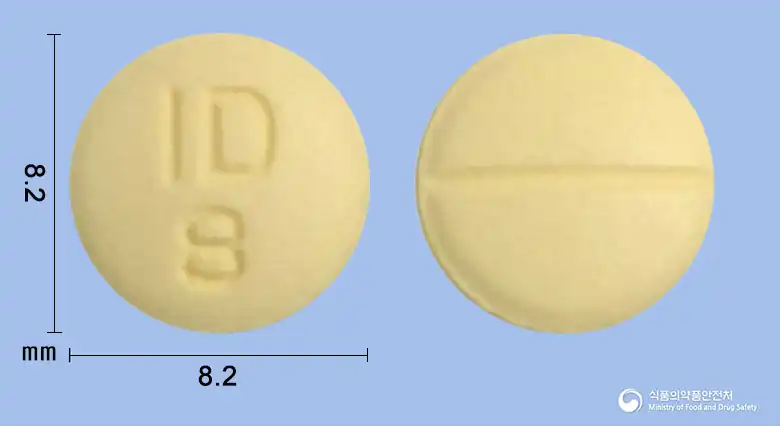 Viewing now
Bendipine Tablets 8 mg (Bendipine Hydrochloride)
Benidipine Hydrochloride 8mg
Tablet · Prescription medication
Ildong Pharmaceutical Co., Ltd.
MFDS item code 200600082 · Approved 2006.03.13 · Insurance code 642900610
Treatment of hypertension and angina
This medication is used for cardiovascular diseases such as hypertension and angina.
○ Adults Hypertension: Administer 2 ~ 4 mg of benidipine hydrochloride orally once daily after breakfast. If the effect is insufficient, the dose may be increased up to 8 mg once daily. However, for severe hypertension, administer 4 ~ 8 mg orally once daily after breakfast. Angina pectoris: Administer 4 mg of this drug orally twice daily, after breakfast and dinner. Adjust the dose appropriately according to symptoms.
This medication should not be used in patients with cardiogenic shock, in pregnant women or women who may become pregnant, and during breastfeeding. It is also advisable not to use it in children as safety has not been established. Caution should be exercised when administering to patients with excessively low blood pressure, severe liver dysfunction, and the elderly. During the administration of this drug, liver function abnormalities or signs of jaundice may occur, so careful monitoring of liver condition is necessary. It can also affect kidney function, making regular kidney-related tests important. Abnormalities such as leukopenia or thrombocytopenia may appear in blood tests, so any abnormal symptoms should be reported immediately. Cardiac-related side effects may include palpitations, flushing of the face, or decreased blood pressure, so care is needed. Rarely, sensations of chest tightness or irregular heartbeats may occur. Neurological symptoms such as headache, dizziness, and drowsiness have also been reported, so caution is advised when experiencing these symptoms. Gastrointestinal symptoms may include constipation, nausea, and abdominal discomfort; if these symptoms persist, consultation with a physician is recommended. If hypersensitivity reactions such as skin rashes or itching occur, discontinue use immediately and consult a healthcare professional. Observe for swelling symptoms in the face, legs, or hands, and monitor for any abnormal symptoms. Sudden discontinuation of this medication may worsen symptoms, so the dosage should be gradually reduced, and it should not be discontinued without a physician's instructions. Blood pressure may drop too low or temporary loss of consciousness may occur, so immediate proper treatment is required if such symptoms occur. Due to dizziness caused by low blood pressure, caution is required when performing tasks at height, driving, or operating dangerous machinery. This medication may enhance the effects when used with other antihypertensive agents, so caution is advised when used in combination. When used with certain drugs, digoxin toxicity or excessive blood pressure reduction may occur, so it is essential to inform the physician of any medications being taken. Taking this medication with grapefruit juice may excessively lower blood pressure, so it is recommended to avoid grapefruit juice. Pregnant or breastfeeding women should avoid this medication, and if necessary to take it, cessation of breastfeeding is recommended. Elderly patients should start with a low dose and be closely monitored before cautiously administering. In case of overdose, blood pressure may drop severely, necessitating immediate treatment with IV fluids or vasopressors at a medical facility. This medication should be used according to a physician's prescription and instructions, and if the tablets are divided for consumption, they should be used as soon as possible, observing storage duration.
Not everyone experiences these, and they can vary from person to person.
This medication should be stored in a tightly closed container to prevent air or moisture from entering and should be kept at room temperature between 1 and 30 degrees Celsius. Doing so will help maintain the drug's efficacy for a longer time.
Yellow, round film-coated tablets
30 tablets/bottle, 300 tablets/bottle
Even with the same ingredient, strength, dosage form and how it is taken can differ.
Viewing nowBenidipine Hydrochloride 8mg
Tablet · Prescription medication
Ildong Pharmaceutical Co., Ltd.
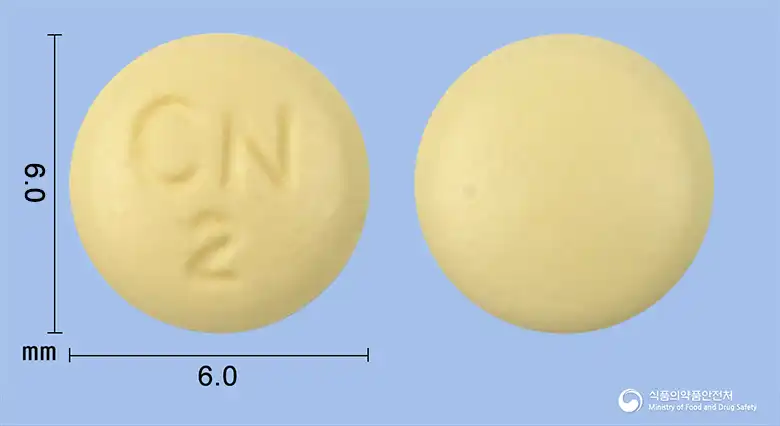
Benidipine Hydrochloride 2mg
Tablet · Prescription medication
Youngjin Pharmaceutical Co., Ltd.
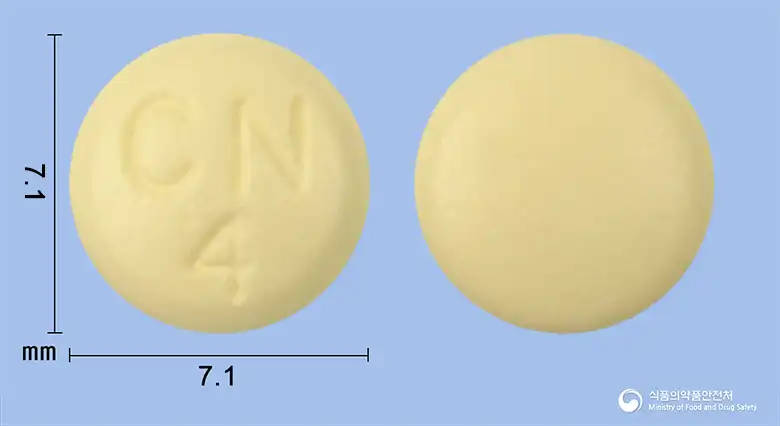
Benidipine Hydrochloride 4mg
Tablet · Prescription medication
Youngjin Pharm Co., Ltd.
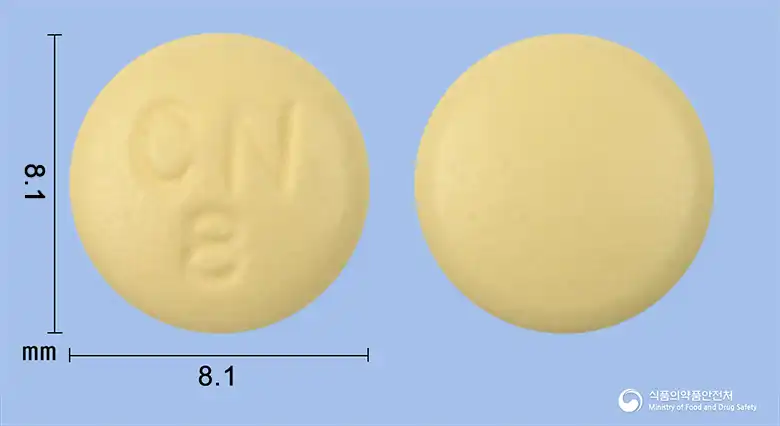
Benidipine Hydrochloride 8mg
Tablet · Prescription medication
Youngjin Pharmaceutical Co., Ltd.
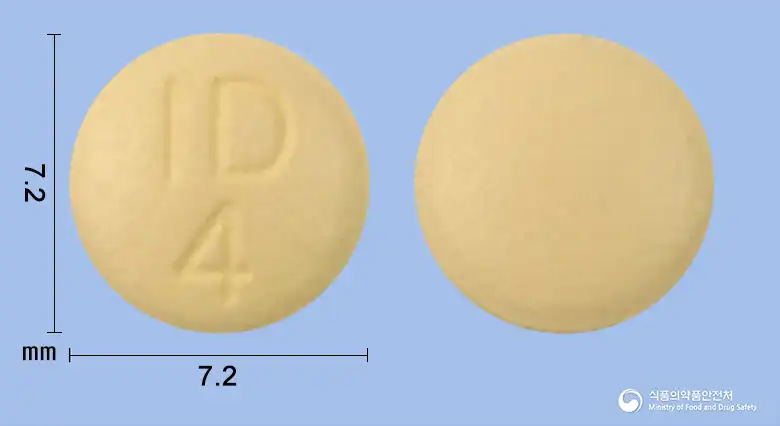
Benidipine Hydrochloride 4mg
Tablet · Prescription medication
Ildong Pharmaceutical Co., Ltd.
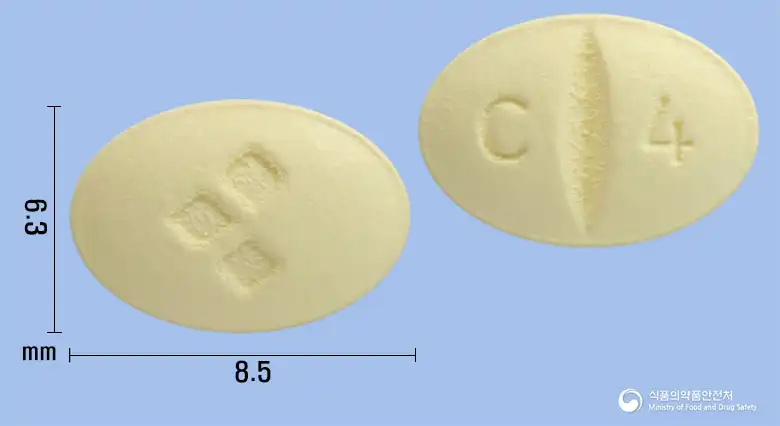
Benidipine Hydrochloride 4mg
Tablet · Prescription medication
Myungjin Pharmaceutical Co., Ltd.
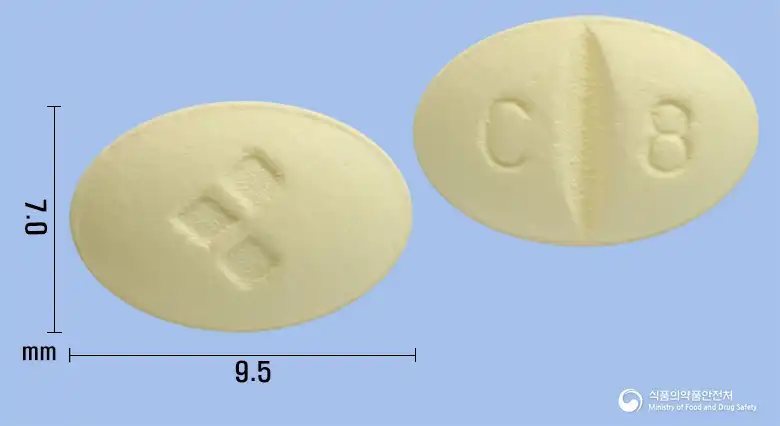
Benidipine Hydrochloride 8mg
Tablet · Prescription medication
Myungjin Pharmaceutical Co., Ltd.
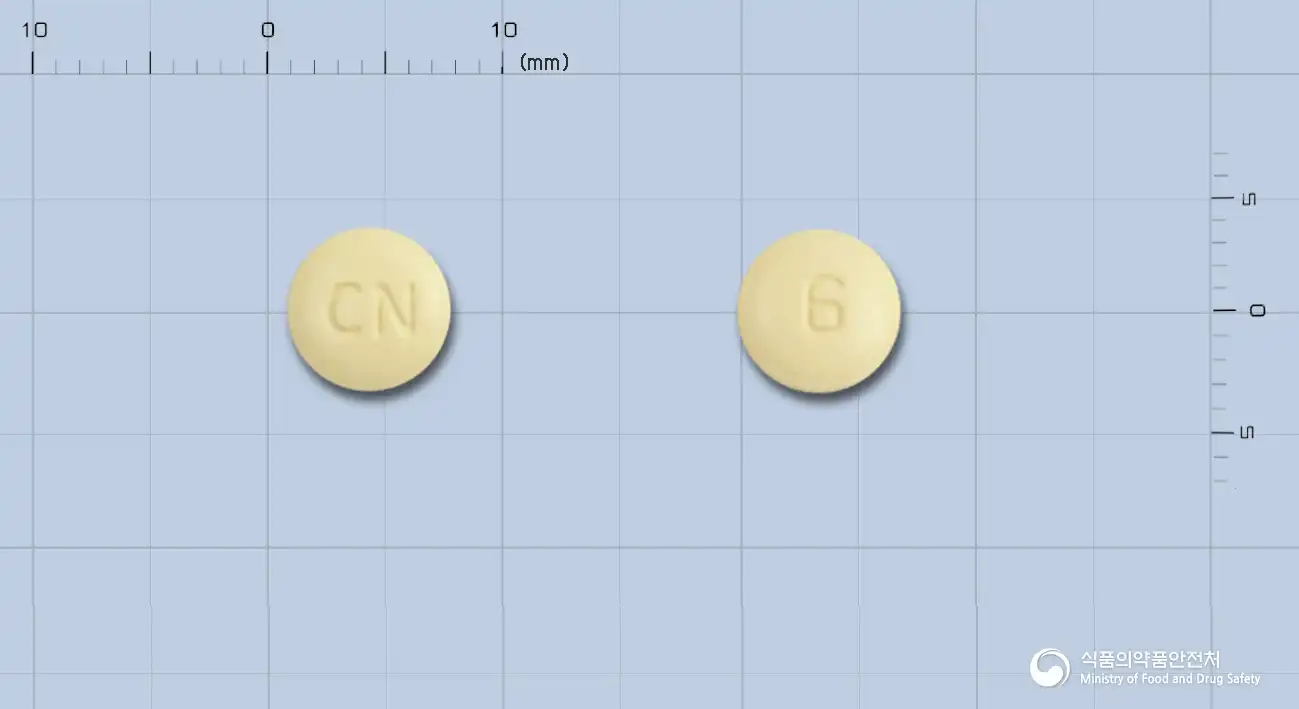
Benidipine Hydrochloride 6mg
Tablet · Prescription medication
Youngjin Pharmaceutical Co., Ltd.
Even with the same ingredient, the dose and directions can differ by strength and dosage form. Talk to a doctor or pharmacist before switching from a medication you are already taking.
No questions yet.
For anything that needs medical judgment, consult a doctor or pharmacist.
This drug information is based on data provided by the Korea Ministry of Food and Drug Safety.
Consult a doctor or pharmacist for accurate dosage, administration, and usage instructions.