
 한국어
 English
 日本語
 中文(简体)
 Viewing now
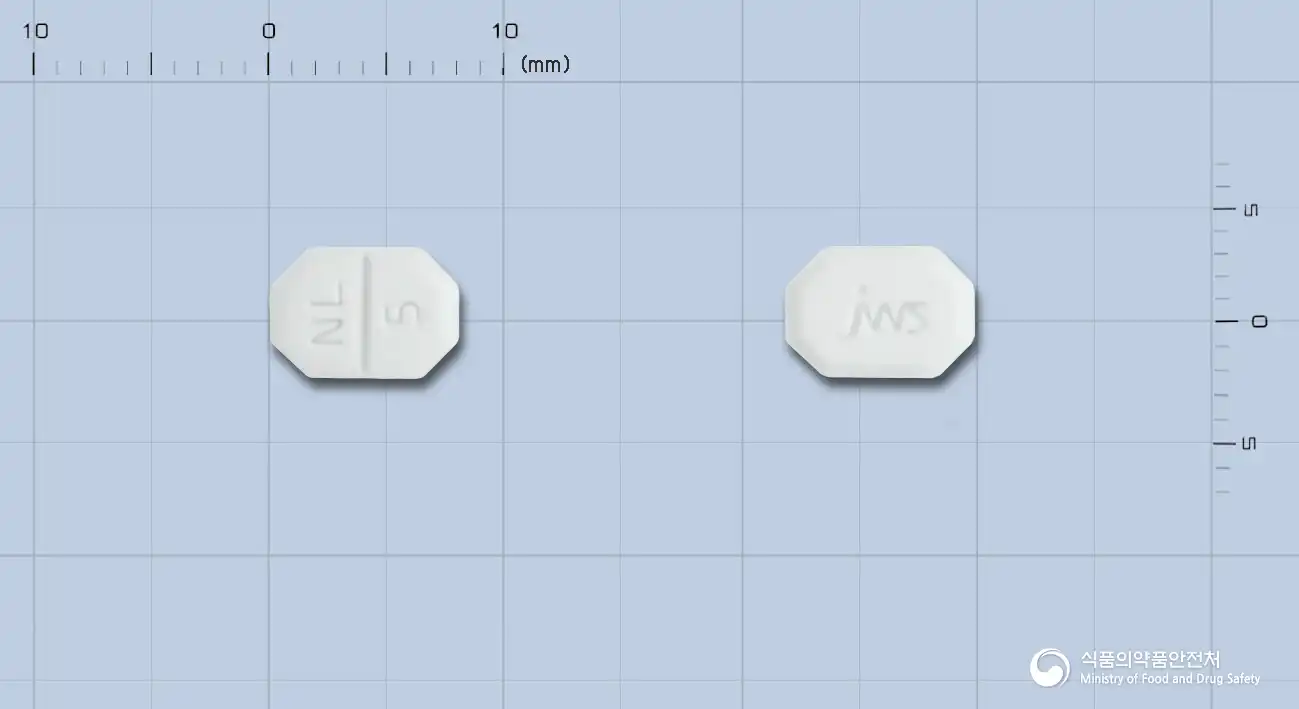
Novaropin Tablet (Amlodipine Maleate)
Amlodipine Maleate 6.42mg
Tablet · Prescription medication
JW Pharmaceutical Corp.
MFDS item code 200600054 · Notified 2006.04.07 · Insurance code 644102180
Treatment of hypertension and myocardial ischemia (stable angina and variant angina)
This medication is used to control hypertension and treat myocardial ischemia caused by stable angina and variant angina resulting from fixed obstruction or vasospasm of the coronary arteries.
Adults: Administer 5 mg of amlodipine orally once daily. If symptoms do not improve within 2 ∼ 4 weeks, the dose may be increased to a maximum of 10 mg once daily according to the patient's response. Adjust the dose appropriately according to symptoms.
This medication should not be used in certain patients. Patients who are allergic to this drug or its ingredients, pregnant or potentially pregnant women, breastfeeding women, patients with cardiogenic shock, patients with severe aortic stenosis, patients with unstable angina, patients who have had a recent myocardial infarction, patients with severe liver dysfunction, and patients with severe hypotension should not receive this medication. Additionally, caution is advised when using it in patients with very poor kidney function, elderly patients, patients with acute heart failure, patients in hypertensive crisis, patients with mild to moderate liver impairment, patients with limited left ventricular function, patients with weakened heart function, and diabetic patients. When taking this medication, symptoms such as warmth and facial flushing, fatigue, edema, palpitations, dizziness, headache, dyspepsia, drowsiness, and ankle swelling may occur. Rarely, various side effects such as dry mouth, increased sweating, hypotension, vasculitis, insomnia, depression, skin rash, and liver function abnormalities may occur, so consult a doctor immediately if you notice any unusual symptoms. Abruptly stopping this medication may worsen symptoms, so the dosage should be gradually reduced according to the doctor's instructions, and care should be taken not to stop taking it arbitrarily. Patients with reduced liver function or the elderly may have higher blood concentrations of this medication, so it should be started at a low dosage and taken with careful monitoring. Taking this medication with grapefruit juice may lead to excessive blood pressure-lowering effects, so it is advisable not to consume them together. Moreover, when taken with other antihypertensive medications or multiple drugs, there may be interactions, so it is essential to inform the doctor or pharmacist and proceed with caution. Pregnant or breastfeeding women are advised against using this medication due to the lack of established safety, and consultation with a specialist is recommended if necessary. The safety and efficacy of this medication have not been established in children, so it should not be used in this population. In case of overdose, serious hypotension, arrhythmias, and shock may occur, requiring immediate emergency treatment and appropriate care as per the doctor's instructions. Lastly, this medication should be kept out of reach of children and care should be taken not to transfer it to another container.
Not everyone experiences these, and they can vary from person to person.
This medication should be stored in a tightly sealed container that can block light, and kept at room temperature between 1°C and 30°C. Storing it this way will help maintain the drug's effectiveness and prevent degradation.
White or yellowish octagonal tablet
30 tablets (10 tablets/PTP packaging x 3)
Even with the same ingredient, strength, dosage form and how it is taken can differ.
Viewing nowAmlodipine Maleate 6.42mg
Tablet · Prescription medication
JW Pharmaceutical Corp.
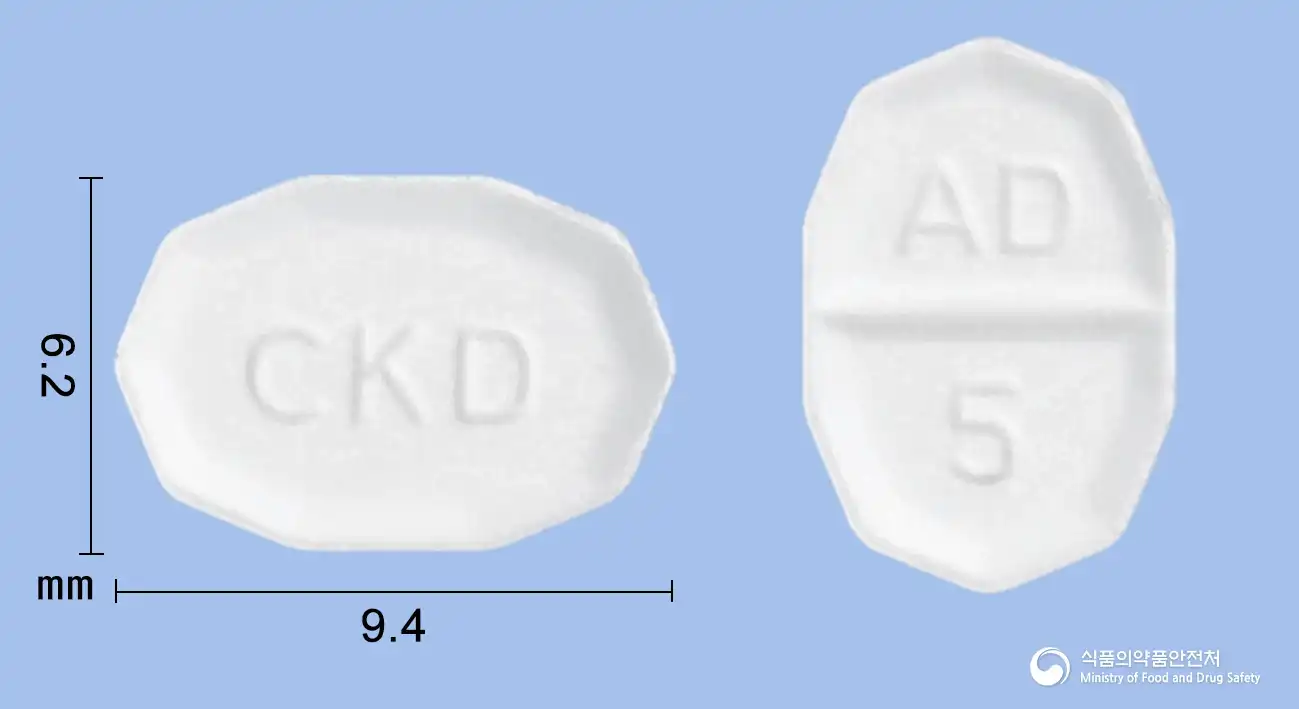
Amlodipine Maleate 6.42mg
Tablet · Prescription medication
Jongkundang Co., Ltd.
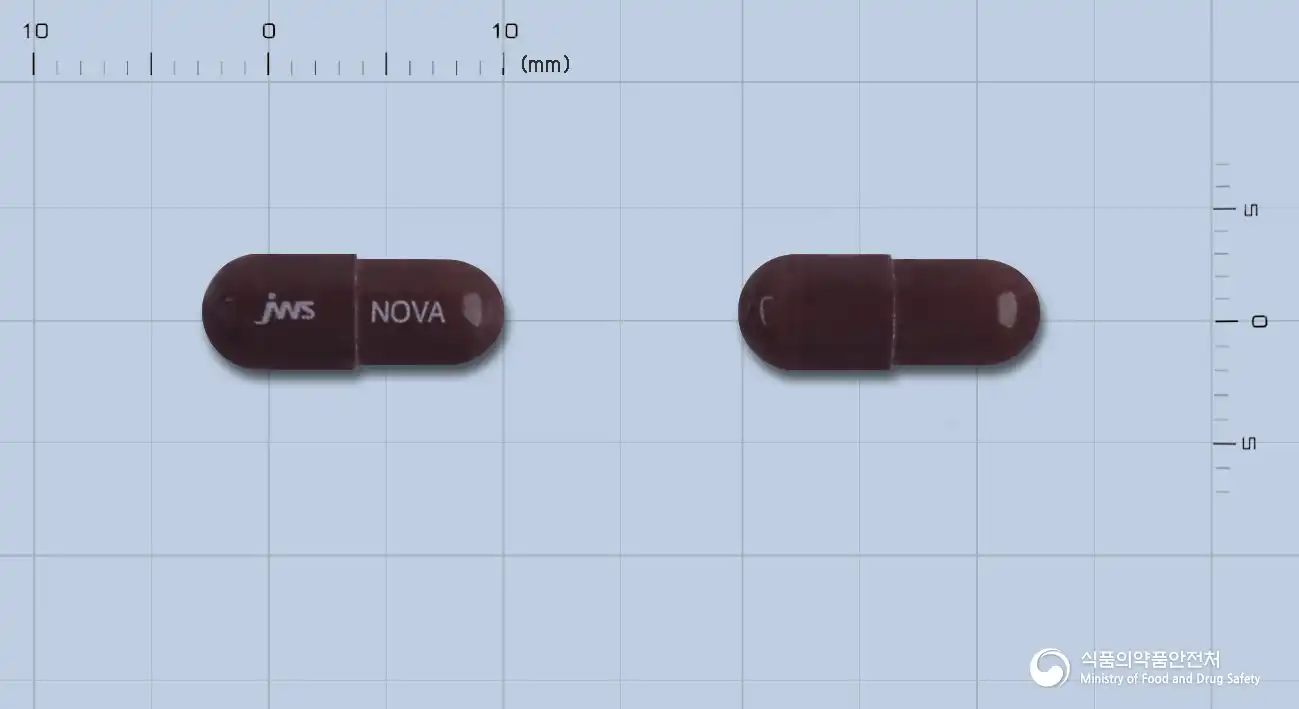
Amlodipine Maleate 6.42mg
Hard capsule · Prescription medication
JW Pharmaceutical Co., Ltd.
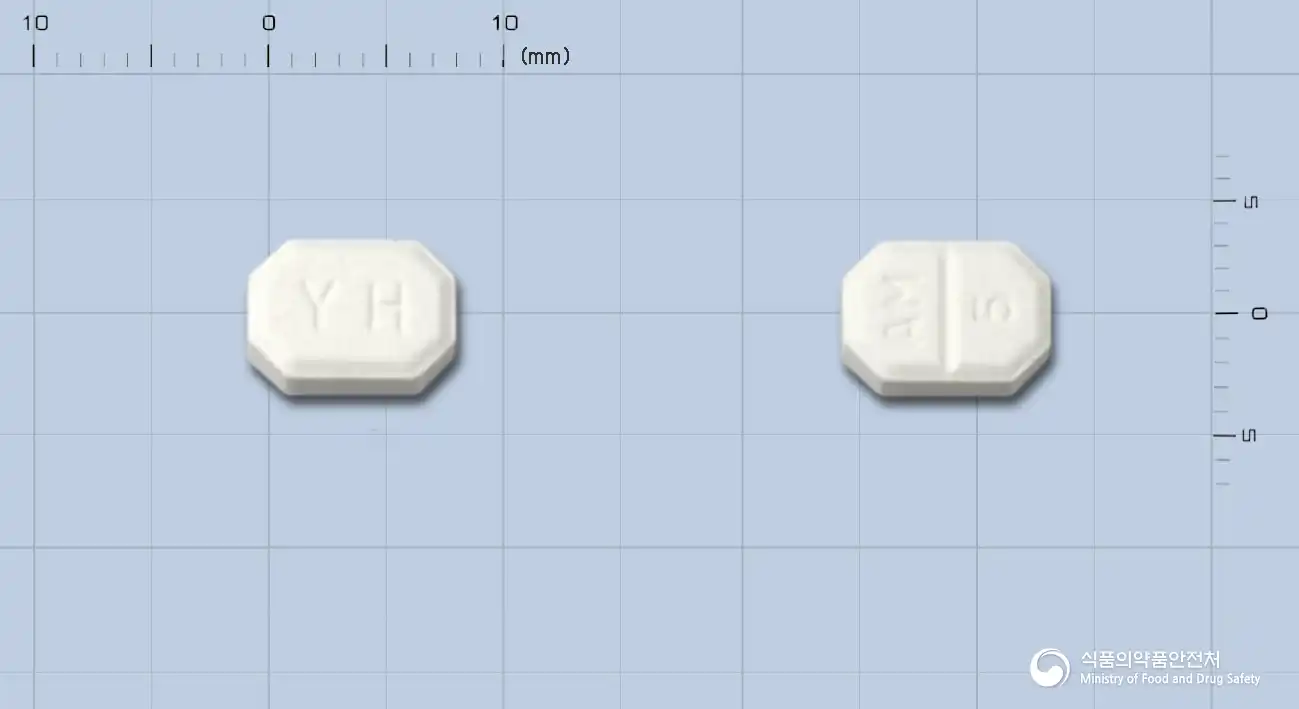
Amlodipine Maleate 6.42mg
Tablet · Prescription medication
Yuhan Corporation
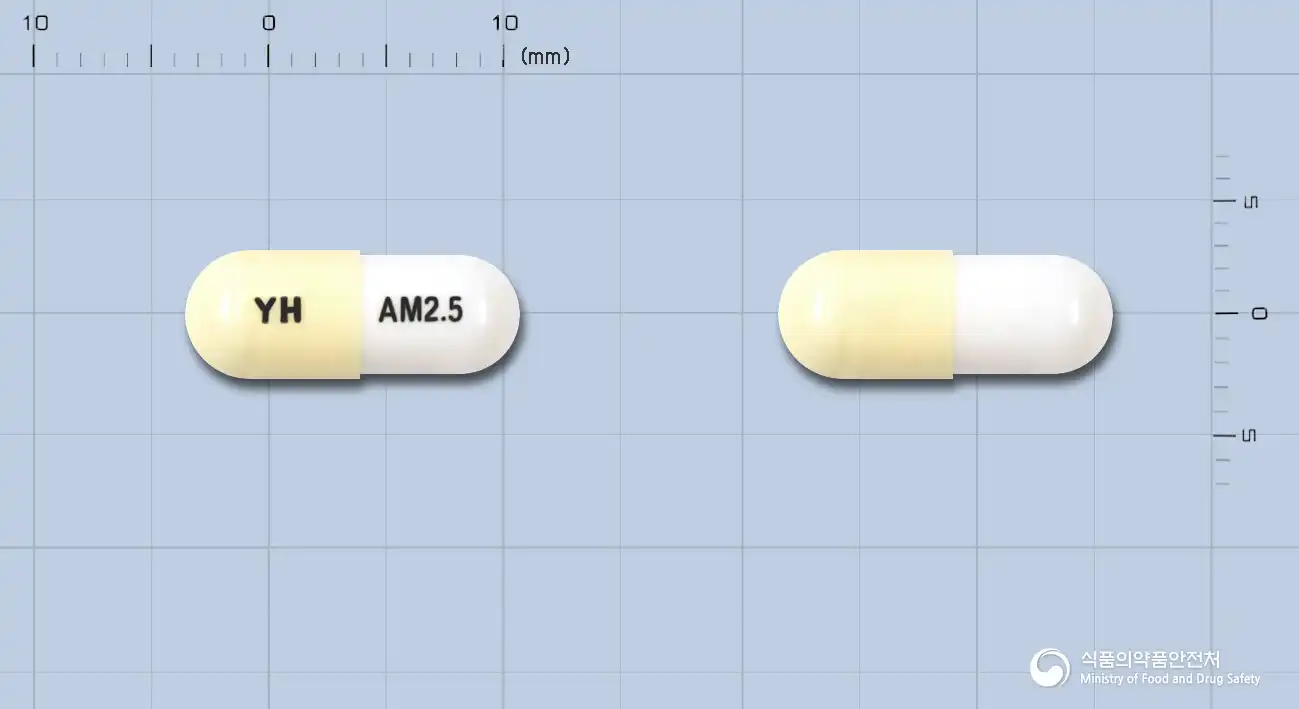
Amlodipine Maleate 3.21mg
Hard capsule · Prescription medication
Yuhan Corporation
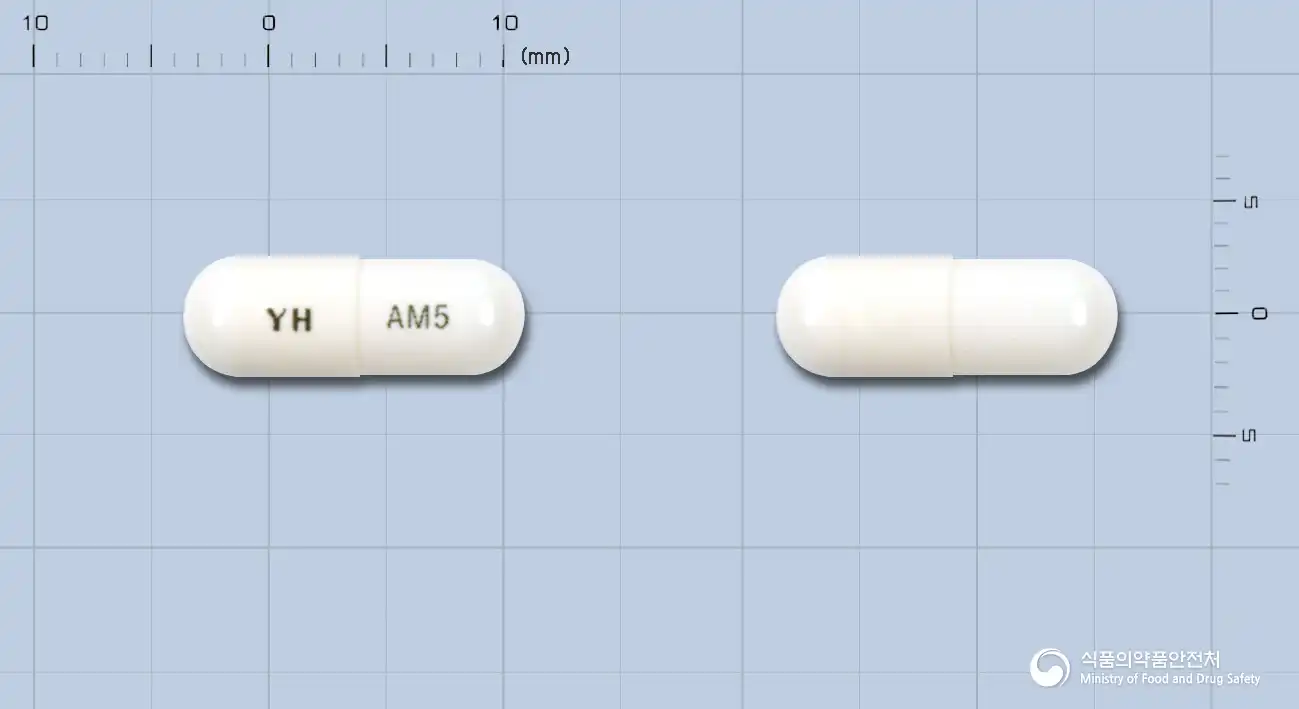
Amlodipine Maleate 6.42mg
Hard capsule · Prescription medication
Yuhan Corporation
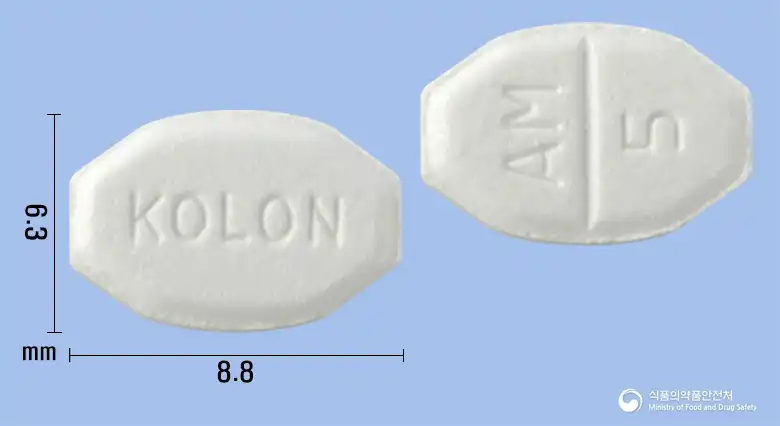
Amlodipine Maleate 6.42mg
Tablet · Prescription medication
KOLON Pharmaceutical Co., Ltd.
Amlodipine Maleate
Prescription medication
SK Chemicals Co., Ltd.
Even with the same ingredient, the dose and directions can differ by strength and dosage form. Talk to a doctor or pharmacist before switching from a medication you are already taking.
No questions yet.
For anything that needs medical judgment, consult a doctor or pharmacist.
This drug information is based on data provided by the Korea Ministry of Food and Drug Safety.
Consult a doctor or pharmacist for accurate dosage, administration, and usage instructions.