
 한국어
 English
 日本語
 中文(简体)
Summary
- Main use
- Improvement of glycemic control in type 2 diabetes mellitus
- Who takes it
- Adults
- Adult dose
- In adults, this medicine is administered orally as monotherapy or in combination therapy at a dose of 10mg of mitiglinide calcium hydrate per dose, 3 times daily immediately before each meal. Adjust the dose appropriately according to symptoms.
Ingredients
- Manufacturer
- JW Pharmaceutical Co., Ltd.
Efficacy & effects
Improvement of glycemic control in type 2 diabetes mellitus
View approved original textHide original text
This medication is used to help regulate blood sugar in patients with Type 2 diabetes. It can be taken alone or in combination with other treatments along with dietary and exercise therapies. This helps effectively manage blood sugar levels and reduces the risk of complications. Patients may improve their blood sugar control by taking this medication consistently alongside lifestyle changes.
How to take
Adult dose
In adults, this medicine is administered orally as monotherapy or in combination therapy at a dose of 10mg of mitiglinide calcium hydrate per dose, 3 times daily immediately before each meal. Adjust the dose appropriately according to symptoms.
Precautions
This medication lowers blood sugar, which can cause symptoms of hypoglycemia, a condition where blood sugar drops too low. The risk of hypoglycemia may increase when used with other blood glucose-lowering agents, so caution is needed. This medication is not suitable for patients with severe ketosis, diabetic coma, or insulin-dependent diabetes. It is also not recommended for patients with severe infections, pre/post-surgery, or major injuries. Patients with allergies to the medication’s ingredients, pregnant women, or women who may become pregnant should not use this medication. Patients with genetic lactose intolerance should also refrain from taking this medication. Those with liver or kidney impairment may have increased risk of hypoglycemia and should use this medication with caution. Patients using insulin preparations should also be cautious. Older adults, those with heart disease, pituitary or adrenal dysfunction, gastrointestinal disorders, poor nutritional status, vigorous exercise, or excessive alcohol consumption may have increased risk of hypoglycemia. During treatment, symptoms of hypoglycemia such as dizziness, trembling, cold sweats, and fatigue may occur; sugar should be consumed immediately if symptoms arise. Especially, when taken with α-glucosidase inhibitors, consuming glucose is more effective. This medication should be taken right before meals to maximize its effect; taking it after meals may reduce its effectiveness. Blood sugar levels should be regularly monitored, and if symptoms do not improve, patients should consult healthcare professionals. Additionally, this medication can interact with various other drugs, so if patients are taking other medications, they must inform their doctor or pharmacist. For older adults, treatment should start at a lower dose, and their condition should be closely monitored. Pregnant or breastfeeding women should not use this medication, and its safety in children has not been established. When storing the medication, keep it out of reach of children and store it at room temperature without transferring it to another container.
Side effects
- Hypoglycemic symptoms
- weight gain
- edema
- abdominal distension
- constipation
- elevated BNP
- elevated pyruvate
- elevated γ-GTP
- elevated CK (CPK)
- elevated lactate
Show 99 moreCollapse
- elevated ALT (GPT)
- myocardial infarction
- dizziness
- hunger
- tremor
- weakness
- coldness
- loss of consciousness
- sweating
- chills
- decreased consciousness
- lethargy
- palpitations
- feeling of heaviness
- flickering vision
- nausea
- malaise
- numbness
- drowsiness
- difficulty walking
- yawning
- stomatitis
- thirst
- heartburn
- vomiting
- gastric discomfort
- gastritis
- stomach pain
- gastric ulcer
- abdominal pain
- increased flatulence
- diarrhea
- soft stool
- hunger
- loss of appetite
- increased appetite
- tingling of the tongue
- eczema
- pruritus
- dry skin
- rash
- low back pain
- muscle pain
- joint pain
- leg stiffness
- musculoskeletal rigidity
- headache
- insomnia
- ear pain
- gallbladder polyp
- elevated LDH
- elevated AST (GOT)
- elevated total bilirubin
- cardiomegaly
- ventricular ectopic beats
- worsening hypertension
- elevated blood pressure
- cough
- pharyngeal discomfort
- cold syndrome
- renal cyst
- increased frequency of urination
- urinary protein
- hematuria
- lethargy
- weakness
- flushing
- hair loss
- chest discomfort
- chest pain
- pain above the right rib cage
- limb pain
- elevated lactate
- elevated free fatty acids
- elevated total cholesterol
- elevated LDL cholesterol
- elevated triglycerides
- elevated uric acid
- elevated potassium
- increased systolic blood pressure
- elevated AST
- elevated LDH
- elevated ALT
- increased bilirubin
- muscle pain
- increased uric acid
- elevated blood cholesterol
- increased diastolic blood pressure
- proteinuria
- hematuria
- abdominal discomfort
- indigestion
- nausea
- generalized edema
- insomnia
- drowsiness
- dizziness
- acne
- skin rash
Not everyone experiences these, and they can vary from person to person.
Storage
This medication should be stored in a sealed container to protect it from air and moisture. Additionally, it is best stored at room temperature between 1°C and 30°C.
Appearance and packaging
Appearance
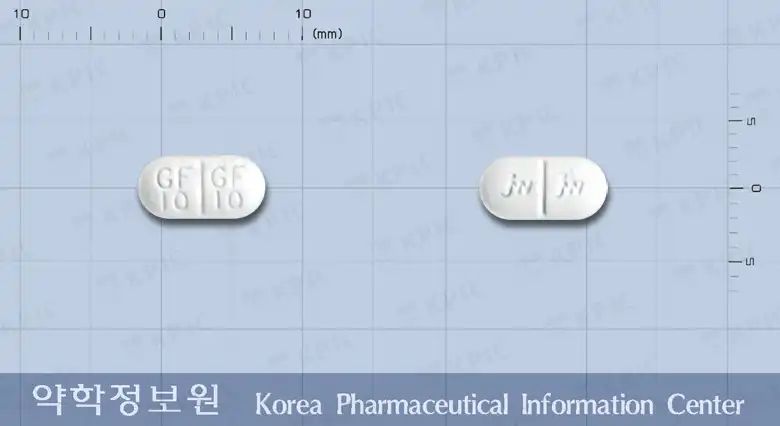
White, rectangular tablet
Package unit
90 tablets (10 tablets/PTP packaging x 9 pieces)
Questions about this medicine
No questions yet.
For anything that needs medical judgment, consult a doctor or pharmacist.