
 한국어
한국어 English
 日本語
日本語 中文(简体)
 Viewing now
Alonate Tablets (Alendronate Sodium Hydrate)
Sodium Alendronate Hydrate 91.37mg
Tablet · Prescription medication
PharmGen Science Co., Ltd.
MFDS item code 200512324 · Notified 2005.03.24
Improvement of osteoporosis in postmenopausal women and men
This medication is used to treat osteoporosis in both postmenopausal women and men. Osteoporosis is a condition characterized by low bone density, which increases the risk of fractures. This drug helps strengthen bones and reduce the risk of fractures, thereby aiding in maintaining bone health and effectively treating osteoporosis.
As alendronate, take 70 mg once weekly in the morning before eating, drinking, or taking other medications, with a sufficient amount of water. This medication should be taken immediately upon waking and swallowed with a sufficient amount of water (170 to 230 mL). One should not lie down for at least 30 minutes after taking it, and should not take two tablets on the same day.
This medication may irritate the gastrointestinal mucosa, leading to issues such as esophagitis or esophageal ulcers. Caution is particularly necessary for those with upper gastrointestinal disorders, such as esophageal diseases, gastritis, or duodenitis. If symptoms such as difficulty swallowing, chest pain, or heartburn occur after taking this medication, you should immediately discontinue use and consult a physician. This medication should be taken with ample water, and you should not lie down for at least 30 minutes after taking it. It is important to remain seated or standing while taking this medication. Individuals with mental disabilities or those who may have difficulty following dosing instructions should take this medication under the supervision of healthcare professionals. Those with esophageal clearance disorders, hypocalcemia, severe renal insufficiency, pregnant or breastfeeding women, or individuals with certain hereditary metabolic disorders should not take this medication. Side effects such as abdominal pain, dyspepsia, nausea, constipation, diarrhea, muscle pain, headache, dizziness, alterations in taste, rash, erythema, itching, hair loss, black stools, or oral-pharyngeal ulcers may occur, and if these symptoms are severe, you should consult a physician. Serious side effects such as upper gastrointestinal bleeding or esophageal perforation may occur infrequently, so caution is needed. Before taking this medication, conditions like hypocalcemia or vitamin D deficiency should be treated, and blood calcium levels should be regularly monitored during treatment. Rare side effects such as osteonecrosis of the jaw have also been reported, so dental treatment should be discussed with healthcare professionals. This medication may be hindered in absorption if taken with calcium supplements or antacids, so a minimum gap of 30 minutes should be maintained between doses. Caution is advised when taken with aspirin as gastrointestinal side effects may be increased. Pregnant or breastfeeding women should not take this medication, and the safety for children and adolescents under 18 years old has not been established. The elderly can also take this medication, but some may be more sensitive to it, so caution is advisable. It is crucial to adhere to the prescribed dosage and regimen, and to fully understand the administration method as explained by healthcare professionals.
Hives, severe swelling (edema), esophagitis, esophageal erosion, esophageal stricture, esophageal perforation, difficulty breathing, angioedema, severe allergic reactions, severe dermatological reactions (Stevens-Johnson syndrome, toxic epidermal necrolysis), extreme fatigue (liver dysfunction), symptoms of hypocalcemia, severe swelling, severe gastric or duodenal ulcers, serious neurological symptoms such as headache and confusion, severe edema or urination abnormalities.
Abdominal pain, nausea, dyspepsia, constipation, diarrhea, flatulence, acid reflux, esophageal ulcer, vomiting, difficulty swallowing, abdominal distension, gastritis, musculoskeletal (bone, muscle, or joint) pain, muscle cramps, headache, dizziness, taste disturbances, rash, erythema, itching, hair loss, black stools, oral-pharyngeal ulcers, and slight decreases in serum calcium and phosphate levels.
Not everyone experiences these, and they can vary from person to person.
This medication should be stored in a tightly closed container to protect it from air and moisture. Additionally, it is best kept at room temperature between 1 and 30 degrees Celsius. Proper storage will help maintain the medication's efficacy and ensure safe usage.
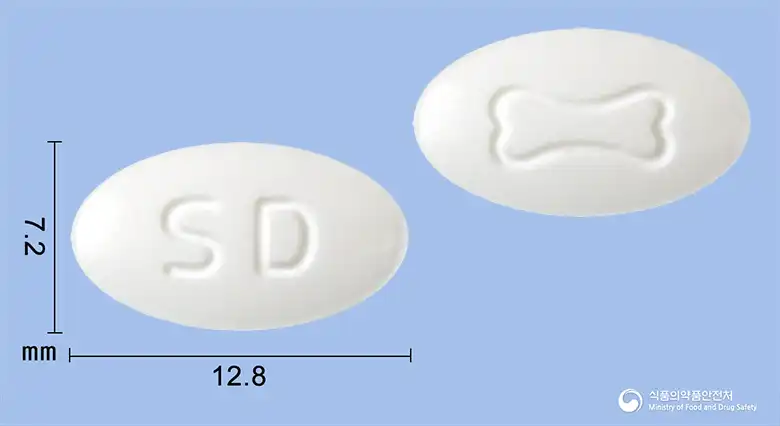
White oval-shaped tablets
4 tablets/Alu-Alu
Even with the same ingredient, strength, dosage form and how it is taken can differ.
Viewing nowSodium Alendronate Hydrate 91.37mg
Tablet · Prescription medication
PharmGen Science Co., Ltd.
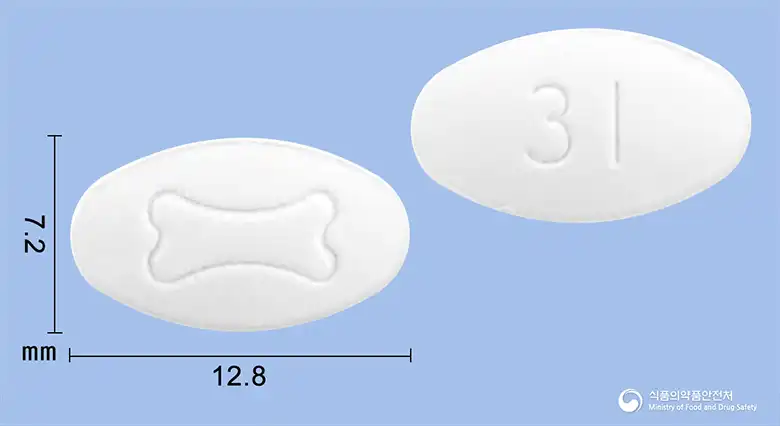
Sodium Alendronate Hydrate 91.37mg
Tablet · Prescription medication
Korea Organon Co., Ltd.
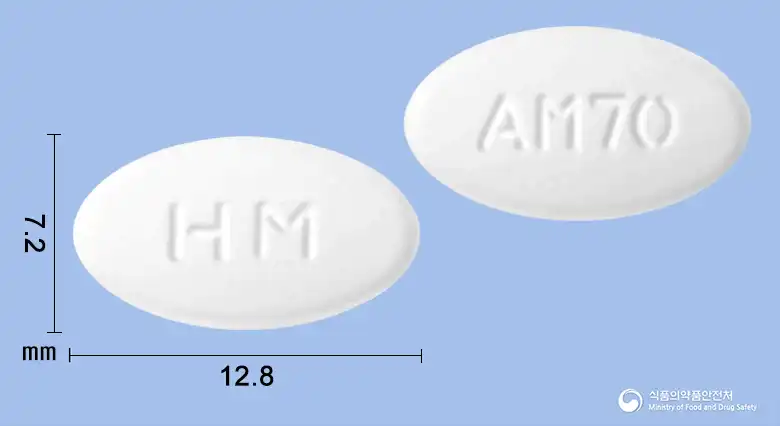
Sodium Alendronate 91.37mg
Tablet · Prescription medication
Hanmi Pharmaceutical Co., Ltd.
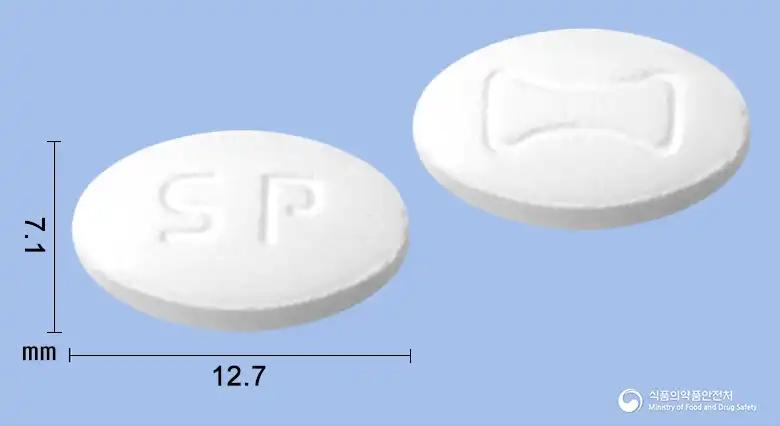
Sodium Alendronate Hydrate 91.37mg
Tablet · Prescription medication
Shinpoong Pharmaceutical Co., Ltd.
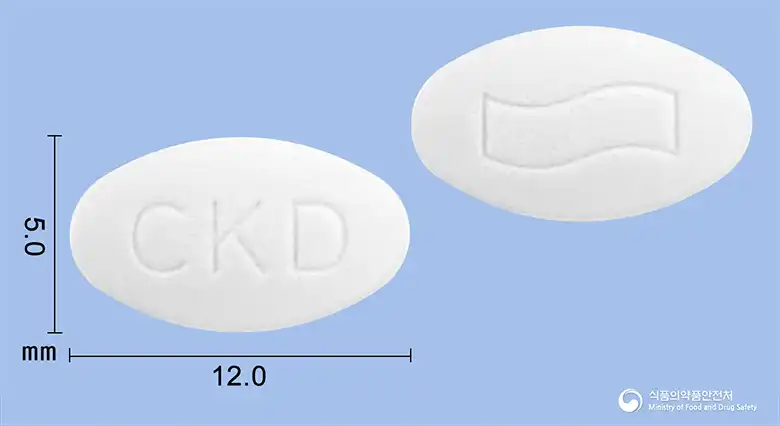
Sodium Alendronate 91.37mg
Tablet · Prescription medication
(Co., Ltd.) Jungkundang
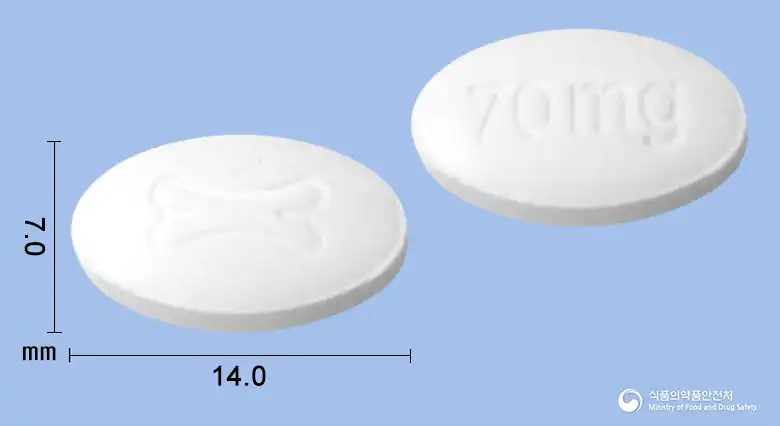
Sodium Alendronate Hydrate 91.37mg
Tablet · Prescription medication
Dongkwang Pharmaceutical Co., Ltd.
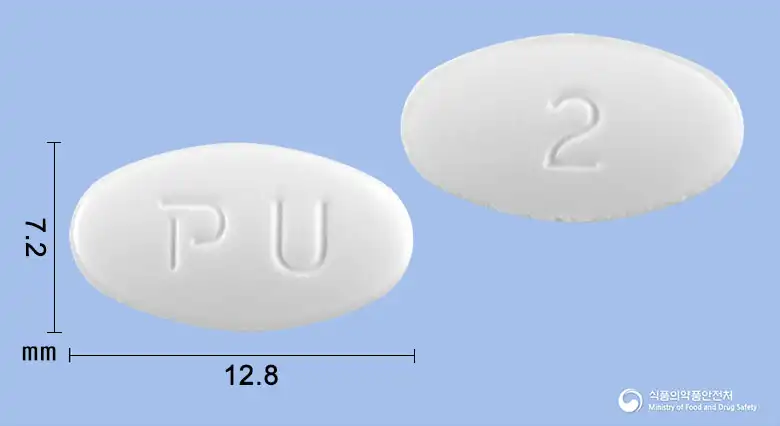
Sodium Alendronate Hydrate 91.37mg
Tablet · Prescription medication
Korea PMG Pharmaceutical Co., Ltd.
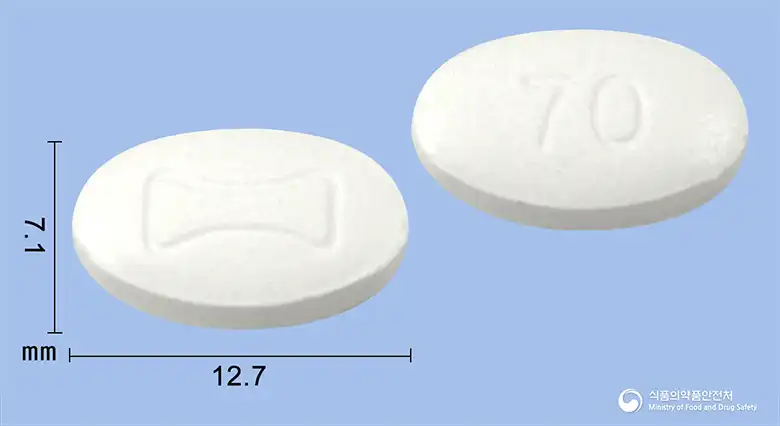
Sodium Alendronate Hydrate 91.37mg
Tablet · Prescription medication
Donggu Bio Pharmaceutical Co., Ltd.
Even with the same ingredient, the dose and directions can differ by strength and dosage form. Talk to a doctor or pharmacist before switching from a medication you are already taking.
No questions yet.
For anything that needs medical judgment, consult a doctor or pharmacist.
This drug information is based on data provided by the Korea Ministry of Food and Drug Safety.
Consult a doctor or pharmacist for accurate dosage, administration, and usage instructions.