
 한국어
한국어 English
 日本語
日本語 中文(简体)
Dosage form image
Viewing nowDanafane F Cataplasm (Indomethacin)
Indometacin 70mg
Ointment · OTC medication
Ohyeon Pharmacophytation Co., Ltd.
MFDS item code 200511327 · Notified 2005.01.17
Analgesic and anti-inflammatory effects for degenerative arthritis (osteoarthritis) and muscle pain.
This medication is used to relieve pain and inflammation associated with various inflammatory conditions of the joints and tendons, such as degenerative arthritis, adhesive capsulitis, and tendinitis. It is also effective in reducing muscle pain and post-traumatic swelling and pain. Overall, it reduces inflammation and pain in the joints and muscles, making patients' daily lives more comfortable. This medication is used for the improvement of these symptoms.
Apply to the affected area twice a day.
This medicine is a topical preparation made with indomethacin and is primarily used to relieve inflammation and pain. It should not be used by individuals who are allergic to indomethacin or similar ingredients, or those with a history of certain respiratory conditions such as aspirin-induced asthma. Its safety has not been established for children under 14 years of age, and use should be avoided. Patients with bronchial asthma should be cautious when using this medication, as it may worsen asthma attacks. Skin reactions such as itching, rash, redness, and contact dermatitis may occur during use, and if symptoms are severe, use should be discontinued immediately. Patients with psoriasis should be cautious, as this medication may worsen symptoms. This medication may mask or worsen skin infections, so if suspected, it should be used in conjunction with antibiotics and the condition should be closely monitored. When used long-term for chronic arthritis, other treatment methods should also be considered in addition to medication, and any occurrence of side effects should be closely observed. Exceeding the recommended dosage or applying over a large area for extended periods can result in systemic side effects; caution is advised. When using on surgical wounds, hypersensitivity shock may occur, so it should be used with caution. This medication can interact with other drugs, especially anticoagulants, hypoglycemics, and thyroid hormones, necessitating careful consideration. During the late stages of pregnancy, it should be avoided as it may harm the fetus and newborn, and its safety during early to mid-pregnancy has not been fully established. This medication can be transmitted through breast milk, so it is best for breastfeeding women to avoid it. In case of overdose, severe symptoms such as nausea, vomiting, abdominal pain, headache, dizziness, seizures, and difficulty breathing may occur, and immediate medical consultation is necessary. In cases of overdose, appropriate emergency measures, such as gastric lavage or activated charcoal administration, may be needed, and the general condition should be closely monitored. Do not apply to areas with skin wounds, infections, eczema, or burns, and take care to avoid contact with the eyes or mucous membranes. This medication should only be used topically, and methods that seal the skin, such as occlusive dressings, should be avoided.
Anaphylaxis (severe allergic reaction), severe asthma attack (respiratory problems), hypotension (severe edema or urinary issues), aseptic meningoencephalitis (serious neurological symptoms), gastrointestinal bleeding, severe edema (swelling), hypersensitivity shock (severe allergic reaction).
Itching, redness, rash, contact dermatitis, eczema, warmth, swelling, flushing, photosensitivity, burning sensation, irritation, dryness, tingling, gastrointestinal discomfort, headache, dizziness, worsening of psoriasis, nausea, vomiting, fever, stiffness in the neck, altered consciousness, abdominal bloating, ileus, diarrhea, systemic side effects (confusion, disorientation, drowsiness, insomnia, fatigue, anxiety, visual disturbances, sensory abnormalities, numbness, seizures), hypotension, cyanosis.
Not everyone experiences these, and they can vary from person to person.
This medication can be sensitive to air or moisture, so it should be stored in an airtight container. It is best to maintain a room temperature between 1 and 30 degrees Celsius. Proper storage will help maintain the efficacy and safety of the medication for an extended period.
A plaster preparation with a thin yellow ointment applied to a white non-woven fabric and a release liner attached
1 sheet 3.85g (7cm x 14cm), 6 sheets/pack, 10 sheets/pack
Even with the same ingredient, strength, dosage form and how it is taken can differ.
Indometacin 70mg
Ointment · OTC medication
Ohyeon Pharmacophytation Co., Ltd.
Indometacin 10mg
Cream · OTC medication
Chodang Pharmaceutical Co., Ltd.
Indometacin 35mg
Patch · OTC medication
Shinshin Pharmaceutical Co., Ltd.
Indometacin 35mg
Patch · OTC medication
Daehwa Pharmaceutical Co., Ltd.
Indometacin 70mg
Ointment · OTC medication
Jaeus Pharm Co., Ltd.
Indometacin 10mg
Cream · OTC medication
Taegeuk Pharmaceutical Co., Ltd.
Indometacin 70mg
Ointment · OTC medication
Jaewoo Pharm Co., Ltd.
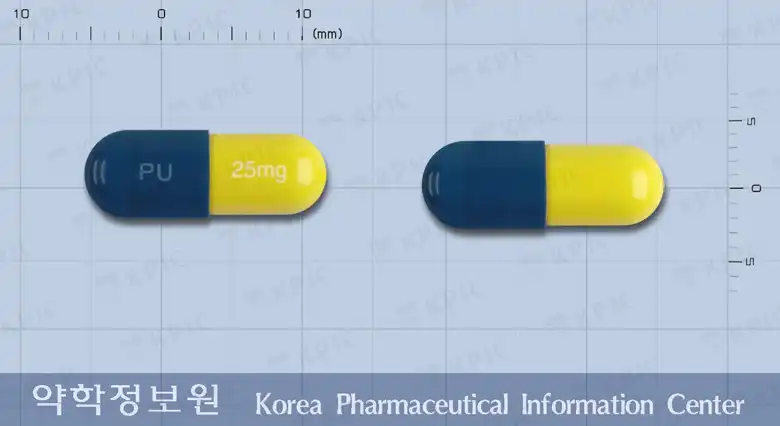
Indometacin 25mg
Hard capsule · Prescription medication
Korea PMG Co., Ltd.
Even with the same ingredient, the dose and directions can differ by strength and dosage form. Talk to a doctor or pharmacist before switching from a medication you are already taking.
No questions yet.
For anything that needs medical judgment, consult a doctor or pharmacist.
This drug information is based on data provided by the Korea Ministry of Food and Drug Safety.
Consult a doctor or pharmacist for accurate dosage, administration, and usage instructions.