
 한국어
한국어 English
 日本語
日本語 中文(简体)
 Viewing now
Lansoprazole LFD 30 mg Tablets
Lansoprazole 30mg
Orally disintegrating Tablet · Prescription medication
Takeda Pharmaceuticals Korea Co., Ltd.
MFDS item code 200510974 · Approved 2005.04.19 · Insurance code 696300130
Treatment of duodenal ulcer and gastric ulcer (active, NSAID-induced), eradication of Helicobacter pylori, treatment and maintenance of gastroesophageal reflux disease and erosive esophagitis, suppression of pathological gastric acid hypersecretion.
This medicine is used for the short-term treatment of active duodenal ulcers and active benign gastric ulcers. It is also effective in eradicating Helicobacter pylori to prevent recurrence of duodenal ulcers and for maintenance therapy after treatment. It helps in treating NSAID-induced gastric ulcers and reducing the risk of occurrence. Additionally, it is used for the short-term treatment and maintenance therapy of gastroesophageal reflux disease and erosive esophagitis. It can also be utilized for treating pathological hypersecretion states such as Zollinger-Ellison syndrome. Overall, it effectively improves ulcers and reflux diseases of the gastrointestinal tract.
This medication should be taken before meals. Place it on the tongue and let it dissolve with saliva or take it with water. Do not chew or crush it before taking. 1. Short-term treatment of active duodenal ulcers: 15 mg orally once daily for 4 weeks. 2. Short-term treatment of active benign gastric ulcers: 30 mg orally once daily for 8 weeks. 3. Eradication of Helicobacter pylori to prevent recurrence of duodenal ulcers: 1) 30 mg of Lansoprazole taken twice a day (every 12 hours) for 7 days along with 250-500 mg of clarithromycin and 1,000 mg of amoxicillin. It can be given for up to 14 days if necessary. 2) 30 mg of Lansoprazole with 1,000 mg of amoxicillin taken three times a day (every 8 hours) for 14 days. 4. Maintenance therapy after treatment of duodenal ulcers: 15 mg of Lansoprazole taken orally once daily. The duration of comparative clinical trials did not exceed 12 months. 5. Treatment of NSAID-induced gastric ulcers: 30 mg of Lansoprazole taken orally once daily for 8 weeks. The duration of comparative clinical trials did not exceed 8 weeks. 6. Reduction of risk of occurrence of NSAID-induced gastric ulcers: 15 mg of Lansoprazole taken orally once daily for 12 weeks. The duration of comparative clinical trials did not exceed 12 weeks. 7. Short-term treatment of symptoms related to gastroesophageal reflux disease: 15 mg of Lansoprazole taken orally once daily for 8 weeks. 8. Short-term treatment of erosive esophagitis: 30 mg of Lansoprazole taken orally once daily for 8 weeks. 9. Maintenance therapy after treatment of erosive esophagitis: 15 mg of Lansoprazole taken orally once daily. 10. Pathological hypersecretion states including Zollinger-Ellison syndrome: Dosage of Lansoprazole in pathological hypersecretion states varies for each patient. It is generally started at 60 mg once daily for adults. The dosage should be adjusted according to the patient's needs and can be continued as long as it is clinically effective. It has been given in doses of up to 90 mg twice daily. For doses exceeding 120 mg per day, it should be divided. ● Children aged 12-17 1. Short-term treatment of symptoms related to non-erosive gastroesophageal reflux disease: 15 mg once daily for 8 weeks. 2. Short term treatment of erosive esophagitis: 30 mg once daily for 8 weeks. ● Children aged 1-11 Short-term treatment of symptoms related to gastroesophageal reflux disease and erosive esophagitis: For children weighing less than 30 kg: 15 mg once daily for 12 weeks. For children weighing more than 30 kg: 30 mg once daily for 12 weeks. ● Elderly patients: Since clearance of this medication may decrease in elderly patients, dose adjustment is necessary. Do not exceed 30 mg daily. ● Patients with liver dysfunction: Caution should be exercised for patients with liver dysfunction as the metabolism and excretion of this medication may be delayed.
Children and Adolescents aged 12-17 1. Short-term treatment of symptoms related to non-erosive gastroesophageal reflux disease: 15 mg once daily for 8 weeks. 2. Short-term treatment of erosive esophagitis: 30 mg once daily for 8 weeks.
This medication contains the artificial sweetener aspartame, and should not be administered to patients with phenylketonuria, a hereditary disease. Patients who are hypersensitive to this drug or its ingredients, or who have experienced such reactions in the past should not take this medication. Patients allergic to penicillin antibiotics or macrolide antibiotics should also refrain from using this medication, and caution is required when used in conjunction with certain drugs. It should not be administered to pregnant women, patients with lactose intolerance, or those with genetic lactose hydrolysis enzyme deficiencies. Patients with a history of drug hypersensitivity, liver dysfunction, elderly patients, nursing mothers, and children should use this medication cautiously. This medication may rarely cause severe adverse reactions such as anaphylaxis, blood disorders, hepatic dysfunction, and serious skin reactions; if symptoms occur, the administration should be stopped immediately and medical consultation sought. Common side effects reported include headache, diarrhea, abdominal pain, taste disturbance, itching, rash, nausea, vomiting, dizziness, drowsiness, weakness, insomnia, dizziness, somnolence, musculoskeletal pain, myalgia, increased blood pressure, thrombocytopenia, anemia, dehydration, weight gain/loss, abnormal blood sugar levels, urination disorders, renal pain, positive urine protein, hematuria, residual urine, menstrual abnormalities, chest pressure, thirst, loss of appetite, indigestion, dysphagia, belching, esophagitis, gastritis, gastroenteritis, constipation, bloating. This medication suppresses gastric acid secretion, which may affect the absorption of other drugs; therefore, dosage adjustments or alterations in administration timing may be necessary when used with specific medications. Interaction with HIV drugs, antibiotics, and immunosuppressants should be approached with caution, and this medication should not be taken with other drugs without consulting a physician or pharmacist. Pregnant or nursing women are advised to avoid using this medication, and if it must be taken, breastfeeding should be discontinued. Safety in children has not been adequately established, so caution should be exercised when prescribing this medication to children according to a doctor's instructions. Elderly patients typically exhibit reduced gastric acid secretion function and should start with lower doses while monitoring their condition. In case of overdose, removal by blood dialysis is not possible; appropriate measures such as gastric lavage or administration of activated charcoal should be taken according to symptoms. This medication should be kept out of reach of children and should not be transferred to other containers to maintain quality. Long-term use may increase the risk of gastric fundic polyps, so it is advisable to use it for the minimum necessary duration. Finally, it is important to immediately consult with medical personnel if any unusual symptoms or discomfort occur while taking this medication.
Anaphylaxis, anaphylactic shock, angioedema, bronchospasm, acute interstitial nephritis, urticaria, systemic rash, facial edema, respiratory distress, shock, pancytopenia, agranulocytosis, hemolytic anemia, neutropenia, thrombocytopenia, anemia, jaundice, toxic hepatic dysfunction, toxic epidermal necrolysis (Lyell syndrome), mucosal membrane syndrome (Stevens-Johnson syndrome), DRESS syndrome, interstitial pneumonia, acute renal failure, pseudomembranous colitis,
Not everyone experiences these, and they can vary from person to person.
This medication should be stored in a tightly sealed container to prevent exposure to air or moisture. The recommended storage temperature is between 1°C and 30°C at room temperature.
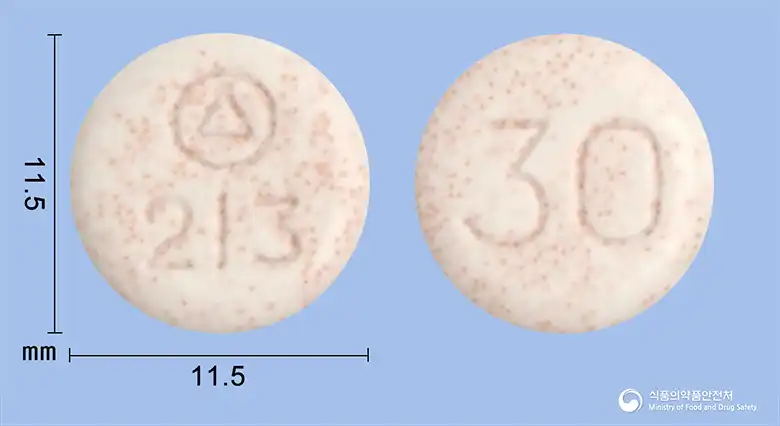
This medicine is a white to yellowish-white tablet with red to dark brown spots.
100 tablets (10 tablets/PTP x 10)
Even with the same ingredient, strength, dosage form and how it is taken can differ.
Viewing nowLansoprazole 30mg
Orally disintegrating Tablet · Prescription medication
Takeda Pharmaceuticals Korea Co., Ltd.
Lansoprazole 15mg
Hard capsule · Prescription medication
Korea Pharmaceutical Co., Ltd.
Lansoprazole 15mg
Orally disintegrating Tablet · Prescription medication
Takeda Pharmaceuticals Korea Co., Ltd.
Lansoprazole 15mg
Tablet · Prescription medication
Samil Pharmaceutical Co., Ltd.
Lansoprazole 30mg
Hard capsule · Prescription medication
Kwangdong Pharmaceutical Co., Ltd.
Lansoprazole 30mg
Hard capsule · Prescription medication
Aprogen Biologics Co., Ltd.
Lansoprazole 30mg
Hard capsule · Prescription medication
Samchundang Pharmaceutical Co., Ltd.
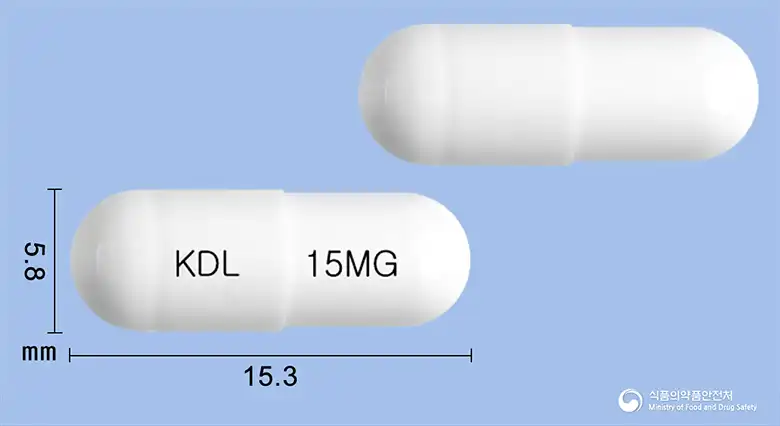
Lansoprazole 15mg
Hard capsule · Prescription medication
Kwangdong Pharmaceutical Co., Ltd.
Even with the same ingredient, the dose and directions can differ by strength and dosage form. Talk to a doctor or pharmacist before switching from a medication you are already taking.
No questions yet.
For anything that needs medical judgment, consult a doctor or pharmacist.
This drug information is based on data provided by the Korea Ministry of Food and Drug Safety.
Consult a doctor or pharmacist for accurate dosage, administration, and usage instructions.