
 한국어
한국어 English
 日本語
日本語 中文(简体)
 Viewing now
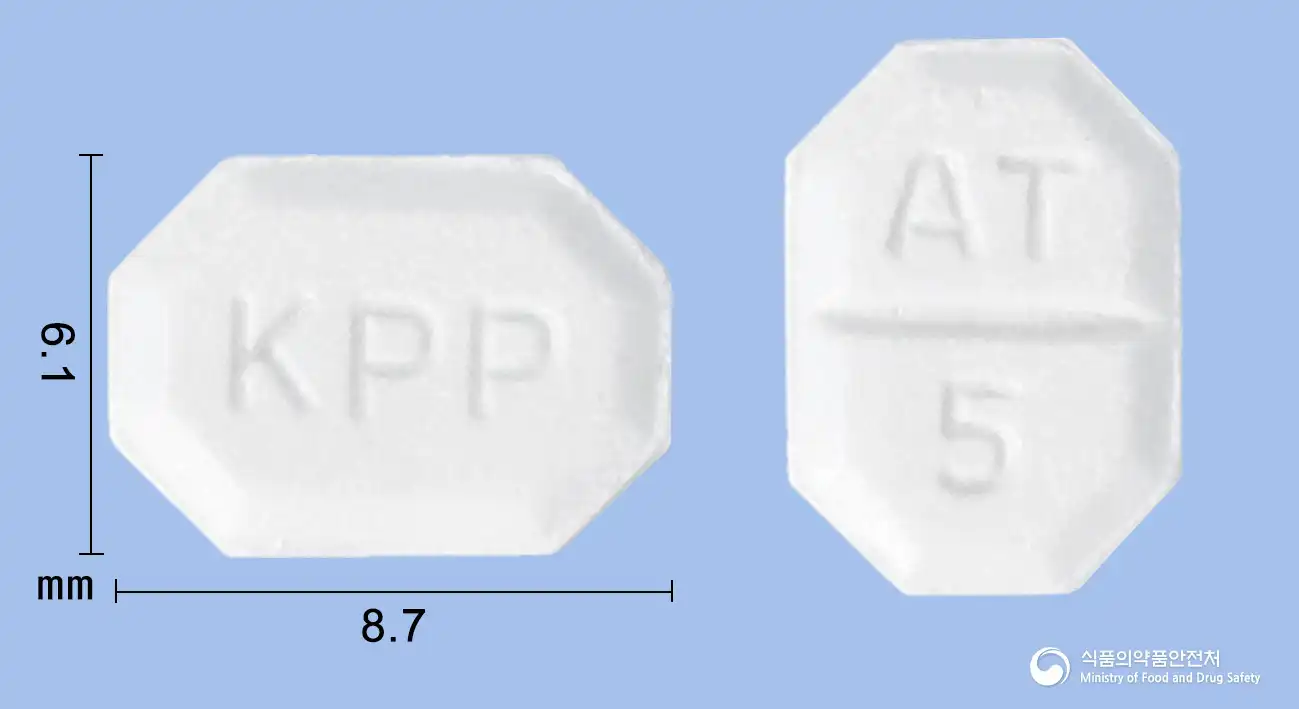
Amitin Tablets (Amlodipine Besylate)
Amlodipine Maleate 6.42mg
Tablet · Prescription medication
Korea Prime Pharmaceutical Co., Ltd.
MFDS item code 200503238 · Notified 2005.07.01 · Insurance code 663601400
Improvement of myocardial ischemia due to hypertension and coronary artery disease
This medication helps treat hypertension and is used to improve myocardial ischemia caused by stable angina pectoris or variant angina.
Adults: A dose of 5 mg of amlodipine is administered orally once daily, and if symptoms do not improve within 2 to 4 weeks, the dosage may be increased to a maximum of 10 mg per day, depending on the patient's response. Adjust as necessary based on symptoms.
This medication should not be used in certain patients. For example, it should not be administered to those allergic to this medication or its components, pregnant or nursing women, patients with cardiac shock, severe aortic stenosis, unstable angina, recent myocardial infarction, severe liver dysfunction, severe hypotension, and patients with lactose intolerance. Additionally, caution should be exercised when administering to patients with very poor kidney function, elderly patients, those with acute heart failure, hypertensive crisis, patients with mild to moderate liver impairment, those with limited left ventricular function, patients with low cardiac reserve, and patients with diabetes. Side effects such as flushing, fatigue, edema, palpitations, dizziness, headache, nausea, drowsiness, and ankle swelling may occur when taking this medication. Rarely, hypotension, peripheral edema, skin rash, liver dysfunction, and allergic reactions may occur, so if abnormal symptoms appear, consult a doctor immediately. Sudden discontinuation of this medication during treatment may worsen symptoms, so the dosage should be gradually reduced as directed by a physician, and caution should be taken not to stop taking it on your own. Taking this medication with grapefruit juice may enhance the antihypertensive effect, so it is advisable to avoid concomitant use. Also, interactions may occur when taken with other antihypertensives, certain antidepressants, nitrates, antiarrhythmics, etc., so it is imperative to inform the doctor or pharmacist before starting treatment. During pregnancy or breastfeeding, safety has not been established, so avoidance of use is recommended, and safety has also not been confirmed in pediatric patients. Elderly patients may have higher blood concentrations of this medication, so it is important to start at a lower dose and monitor their condition closely. In case of overdose, severe hypotension, impaired cardiac function, or shock may occur, so emergency treatment is needed immediately, and appropriate measures should be taken under medical guidance. This medication should be kept out of reach of children and precautions should be taken not to transfer it into other containers. Finally, this medication is known to have a low risk of carcinogenicity or genotoxicity and is not reported to affect reproductive ability.
Urticaria, angioedema, toxic epidermal necrolysis, jaundice, severe edema, severe allergic reactions, severe skin adverse reactions, liver abnormalities, hepatitis, worsening heart failure, cardiovascular shock, severe hypotension, severe edema, increased blood pressure, serious neurological symptoms (paralysis), Stevens-Johnson syndrome
Not everyone experiences these, and they can vary from person to person.
This medication is light-sensitive and should be stored in a container that protects it from light. It is also important to store the medication at room temperature between 1 and 30 degrees.
White octagonal tablets
30 tablets/bottle, 100 tablets/bottle
Even with the same ingredient, strength, dosage form and how it is taken can differ.
Viewing nowAmlodipine Maleate 6.42mg
Tablet · Prescription medication
Korea Prime Pharmaceutical Co., Ltd.
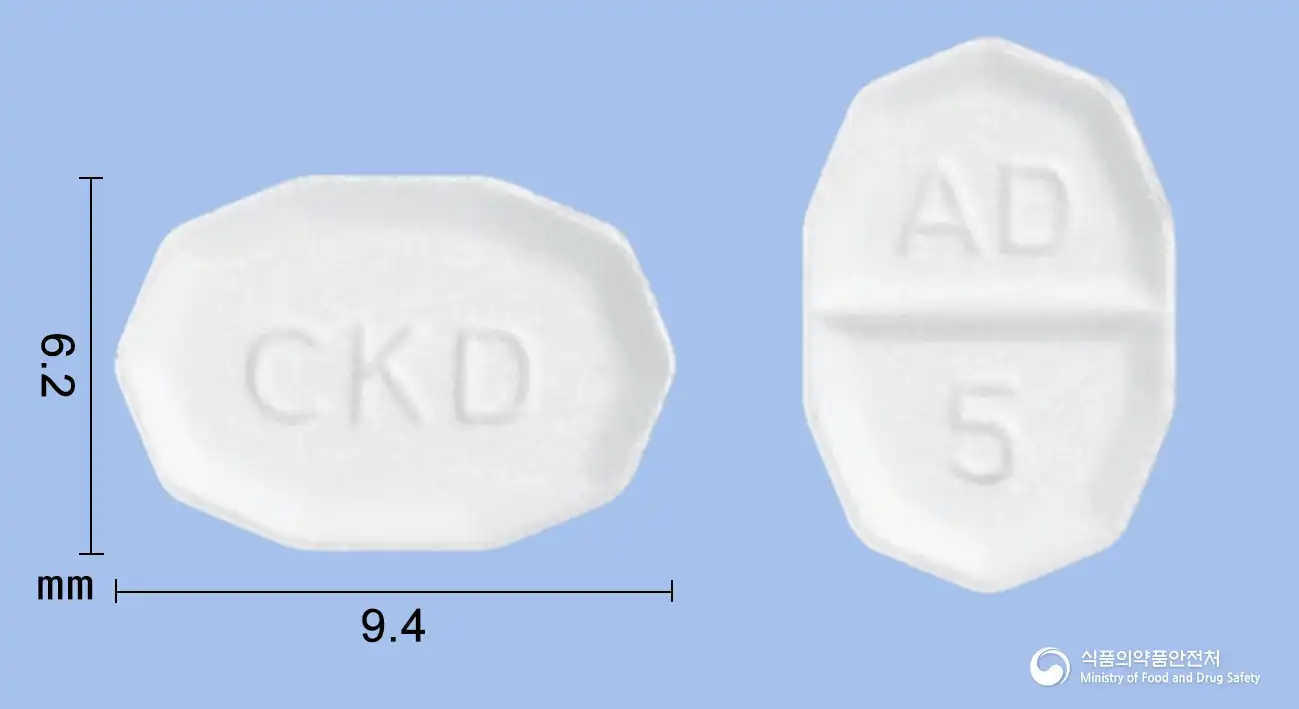
Amlodipine Maleate 6.42mg
Tablet · Prescription medication
Jongkundang Co., Ltd.
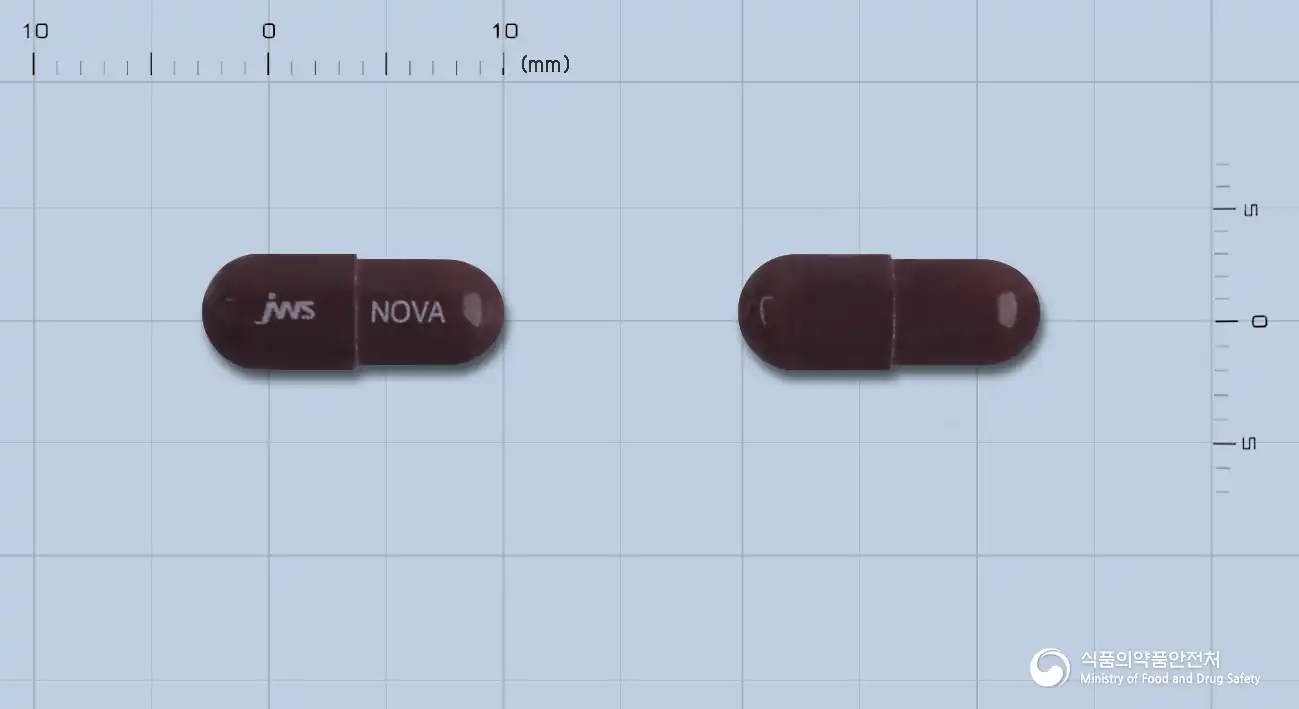
Amlodipine Maleate 6.42mg
Hard capsule · Prescription medication
JW Pharmaceutical Co., Ltd.
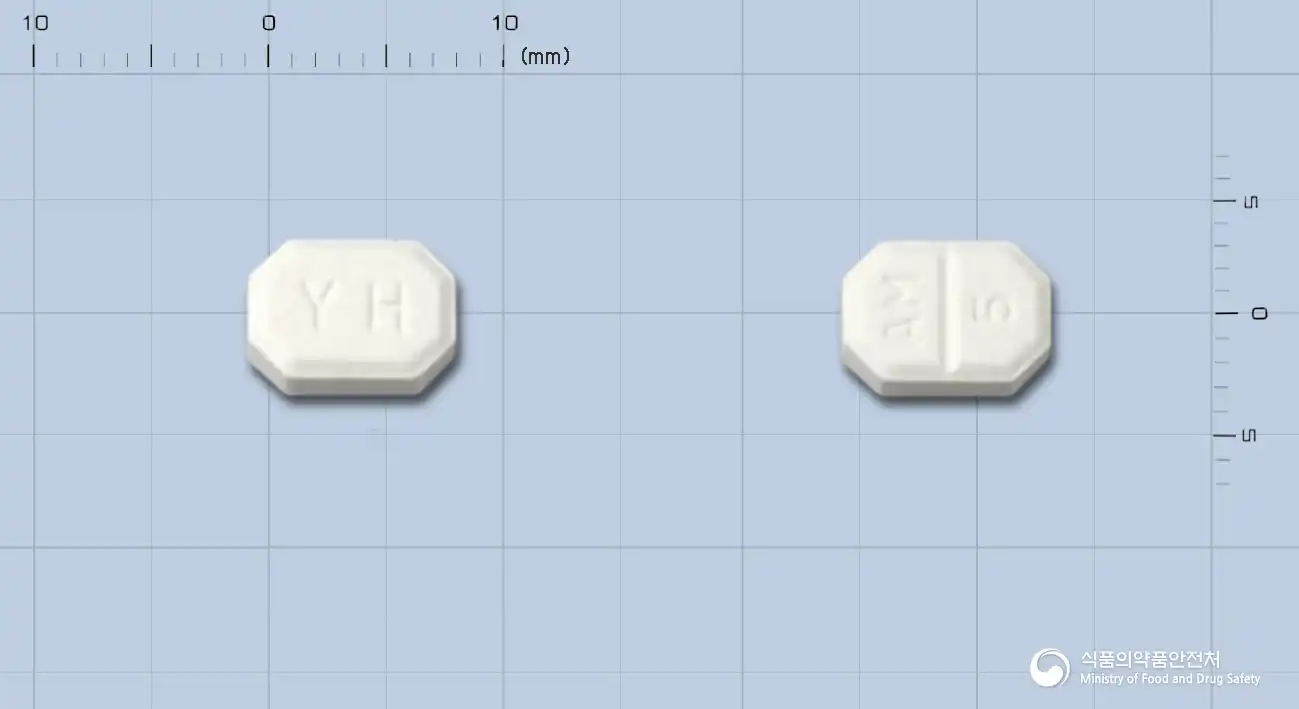
Amlodipine Maleate 6.42mg
Tablet · Prescription medication
Yuhan Corporation
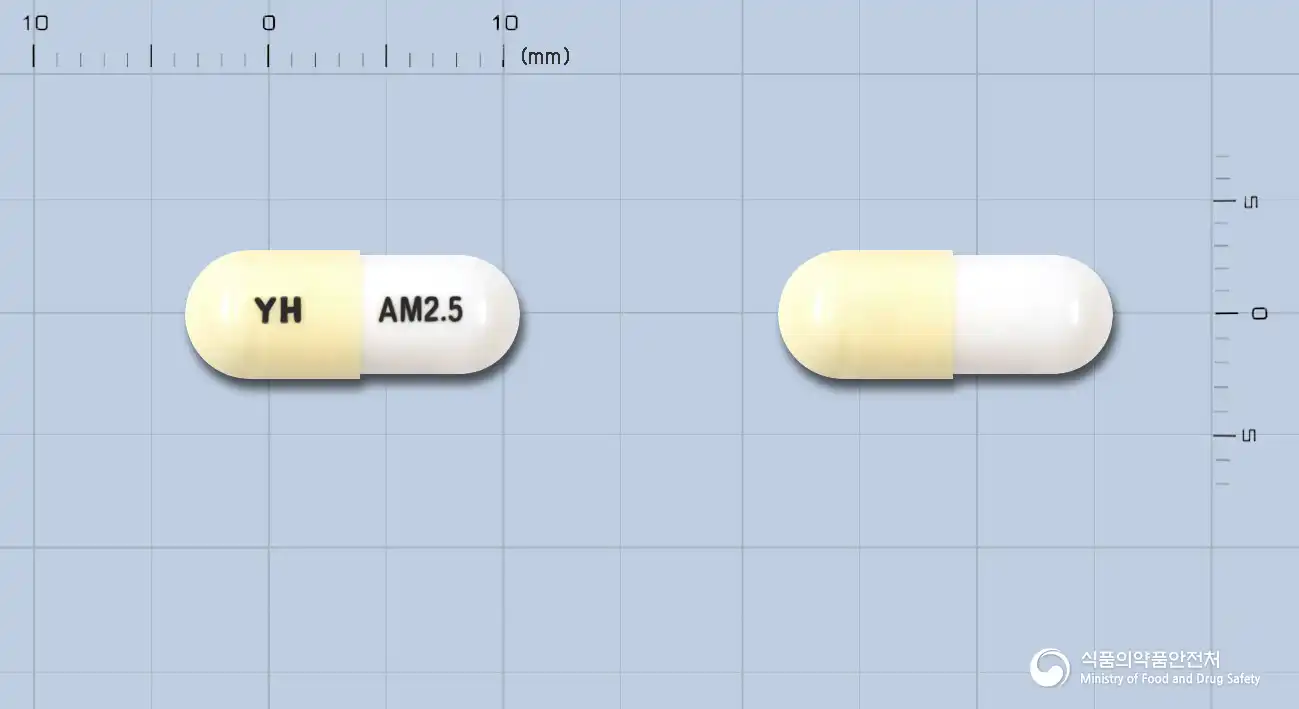
Amlodipine Maleate 3.21mg
Hard capsule · Prescription medication
Yuhan Corporation
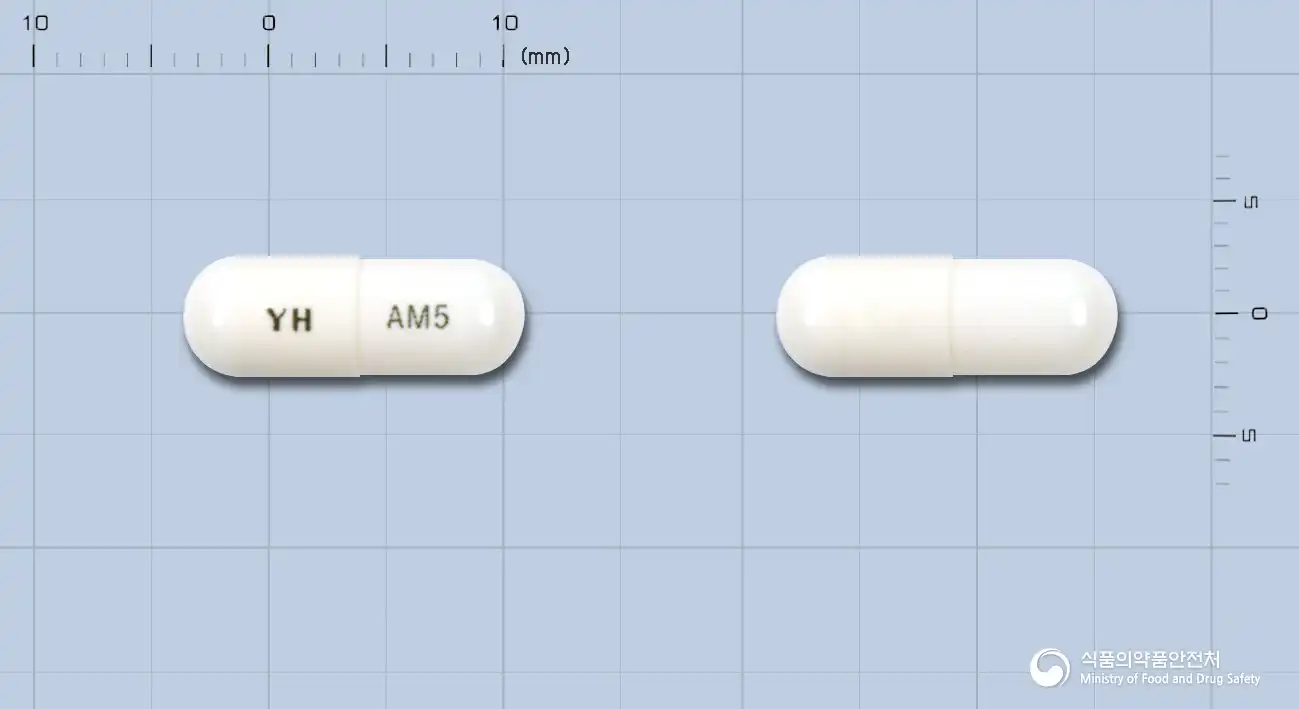
Amlodipine Maleate 6.42mg
Hard capsule · Prescription medication
Yuhan Corporation
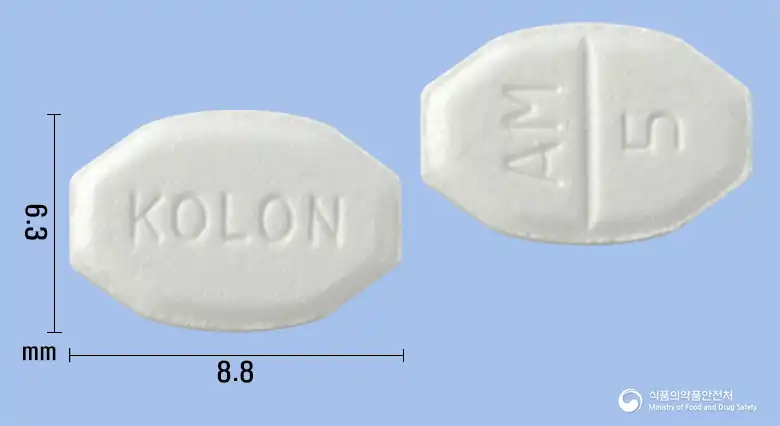
Amlodipine Maleate 6.42mg
Tablet · Prescription medication
KOLON Pharmaceutical Co., Ltd.
Amlodipine Maleate
Prescription medication
SK Chemicals Co., Ltd.
Even with the same ingredient, the dose and directions can differ by strength and dosage form. Talk to a doctor or pharmacist before switching from a medication you are already taking.
No questions yet.
For anything that needs medical judgment, consult a doctor or pharmacist.
This drug information is based on data provided by the Korea Ministry of Food and Drug Safety.
Consult a doctor or pharmacist for accurate dosage, administration, and usage instructions.