
 한국어
 English
 日本語
 中文(简体)
 Viewing now
Deflazacort (Deflazacort)
Deflazacort Micronized 6mg
Tablet · Prescription medication
Hallym Pharmaceutical Co., Ltd.
MFDS item code 200502873 · Notified 2005.12.22 · Insurance code 645300220
Treatment of rheumatoid and collagen diseases, and skin, allergic, pulmonary, ocular, hematologic, intestinal, hepatic, and renal diseases
This medication is effective for rheumatic disorders and collagen diseases, such as psoriatic arthritis, rheumatoid arthritis, acute rheumatic fever, and systemic lupus erythematosus. It is also used to treat various skin conditions, including pemphigus, bullous pemphigoid, and severe psoriasis. Additionally, it helps with allergic diseases, such as bronchial asthma, and is applicable to respiratory diseases like sarcoidosis with pulmonary edema, extrinsic allergic alveolitis, and exfoliative interstitial pneumonia. It is effective in treating ocular diseases like choroiditis, chorioretinitis, and iritis, and is also used for hematologic diseases such as idiopathic thrombocytopenic purpura, hemolytic anemia, lymphocytic leukemia, and lymphoma. Furthermore, it assists in treating various gastrointestinal diseases such as ulcerative colitis, Crohn's disease, chronic active hepatitis, and nephrotic syndrome. Overall, this medication is used to improve symptoms of various autoimmune and inflammatory diseases.
Adults: Administer 6~90mg of deflazacort orally per day.
Children: Adjust the dose according to the condition. Adjust the dose appropriately according to age and symptoms.
This medication should not be used in patients with peptic ulcers or severe infections. Caution is especially needed in cases of viral, bacterial, or fungal infections. Additionally, it should be avoided in patients with chickenpox, shingles, herpes simplex, and tuberculosis as it can suppress immune function and worsen infections. Patients who have received live vaccines or are allergic to the components of this medication should not use it. Patients with diabetes, gastritis, osteoporosis, psychiatric disorders, or glaucoma should use this medication with caution, as there is a possibility of increased blood sugar, worsening of osteoporosis, and exacerbation of psychiatric symptoms. Prolonged use may lead to side effects, so it should be administered at the minimum effective dose and duration, avoiding sudden discontinuation and gradually tapering off. There may be a risk of adrenal insufficiency or increased risk of infection, necessitating careful monitoring. This medication can interact with other drugs, so patients should consult with their doctor or pharmacist if they are taking any other medications. Caution is especially needed when used with antihypertensives, antidiabetic drugs, diuretics, or anticoagulants. Pregnant or breastfeeding women should consult with their doctor before using this medication, as it may affect the fetus or neonate. It is recommended to discontinue use during breastfeeding. In children, dosing should be minimized to avoid side effects such as growth retardation or increased intracranial pressure, and developmental status should be continuously monitored. Elderly patients have a higher risk of side effects such as infections, diabetes, osteoporosis, and glaucoma, so careful observation is necessary during administration. Finally, this medication should be stored out of reach of children, and it is important to consult a doctor or pharmacist before use.
Dyspepsia, peptic ulcer, perforated bleeding of peptic ulcer, acute pancreatitis, candidiasis, hypertension, sodium and fluid retention, edema, heart failure, potassium depletion, hypokalemic alkalosis, myasthenia, osteoporosis, avascular necrosis of the femoral and humeral heads, pathological fracture, spinal compression fracture, tendon rupture, avascular bone necrosis, muscle wasting, myopathy, thin and fragile skin, ancestors, acne, delayed wound healing, contusion, capillary dilation, skin atrophy, petechia, purpura, headache, dizziness, euphoria, insomnia, anxiety, depression, psychological dependence, brain tumor, Cushing's syndrome, weight gain, hypertrichosis, menstrual irregularities, amenorrhea, diabetes, inhibition of the hypothalamic-pituitary-adrenal axis, growth disorders, intraocular pressure elevation, glaucoma, posterior subcapsular cataract, secondary eye infections, central serous chorioretinopathy, exophthalmos, concealment of infections, precipitating infections, leukocytosis, thromboembolism, increased appetite, allergic reactions, toxic epidermal necrolysis
Not everyone experiences these, and they can vary from person to person.
This medication should be stored in a tightly sealed container to prevent air or moisture from entering. It is important to maintain a storage temperature between 1 and 30 degrees Celsius in a cool place, as this will help preserve the efficacy of the medication over time.
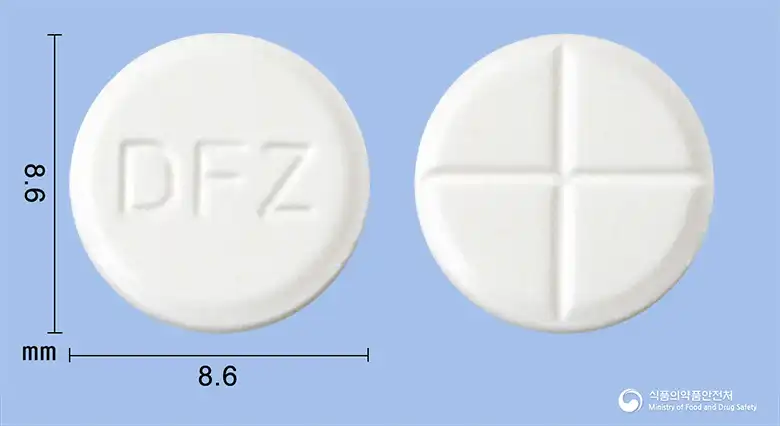
White round tablet
30 tablets/bottle, 100 tablets/bottle
Even with the same ingredient, strength, dosage form and how it is taken can differ.
Viewing nowDeflazacort Micronized 6mg
Tablet · Prescription medication
Hallym Pharmaceutical Co., Ltd.
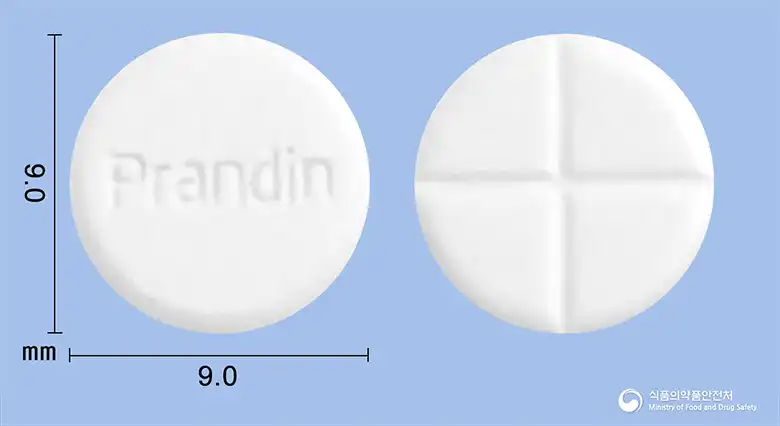
Deflazacort Micronized 6mg
Tablet · Prescription medication
Geonil Pharmaceutical Co., Ltd.
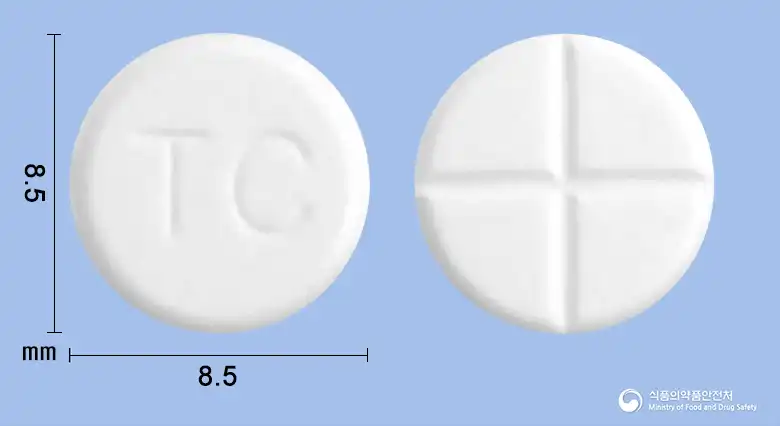
Deflazacort Micronized 6mg
Tablet · Prescription medication
Myungmoon Pharmaceutical Co., Ltd.
Even with the same ingredient, the dose and directions can differ by strength and dosage form. Talk to a doctor or pharmacist before switching from a medication you are already taking.
No questions yet.
For anything that needs medical judgment, consult a doctor or pharmacist.
This drug information is based on data provided by the Korea Ministry of Food and Drug Safety.
Consult a doctor or pharmacist for accurate dosage, administration, and usage instructions.