
 한국어
 English
 日本語
 中文(简体)
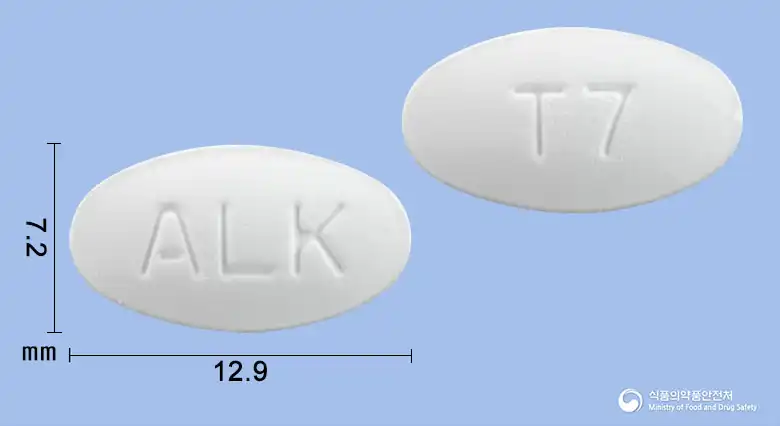 Viewing now
Tybone Weekly Tablet (Alendronate Sodium Trihydrate)
Sodium Alendronate Trihydrate 91.37mg
Tablet · Prescription medication
Albogen Korea Co., Ltd.
MFDS item code 200502771 · Notified 2005.05.10
Treatment of osteoporosis in postmenopausal women and men
This medication is used for the treatment of osteoporosis in both postmenopausal women and men.
○ Take 70 mg of alendronic acid once weekly in the morning with plenty of water, at least 30 minutes before consuming food, beverages, or other medicines (see Precautions). ○ Other beverages or foods, including mineral water and barley tea, and medicines may reduce the absorption of this medicine (see Interactions). Consuming food within 30 minutes after taking this medicine or at the same time may reduce its absorption into the body and diminish its effect. Take this medicine as soon as you get up in the morning and swallow it with plenty of water (170 ∼ 230 mL) to help the medicine reach the stomach quickly and reduce the possibility of esophageal irritation. Do not lie down for at least 30 minutes after taking it and until after the first food intake. Do not take this medicine at bedtime or before getting up in the morning. Failure to follow these instructions may increase the risk of esophageal adverse reactions (see Warnings and Precautions). Patients with inadequate dietary calcium and vitamin D intake should take supplements (see Precautions). ○ The optimal duration of treatment has not been established. The safety and efficacy of this medicine for the treatment of osteoporosis are based on 4 years of clinical data. The need for continued treatment should be reviewed regularly in all patients receiving bisphosphonates. For patients at low risk of fracture, discontinuation should be considered after 3 ∼ 5 years of treatment. Patients who discontinue treatment should have their fracture risk reassessed regularly. ○ If you forget to take this medicine on the scheduled day, take 70 mg the following morning, then resume taking it on the originally scheduled day and continue regularly once weekly thereafter. Do not take 2 tablets on the same day.
This drug may irritate the gastrointestinal mucosa, so caution is advised for patients with upper gastrointestinal diseases such as gastritis, esophagitis, and ulcers. Take this medication with a sufficient amount of water, and remain upright for at least 30 minutes after taking it to reduce the risk of esophageal irritation. If symptoms such as difficulty swallowing, chest pain, or heartburn occur, discontinue use immediately and consult a doctor. This medication is contraindicated for patients with esophageal stricture or achalasia, hypocalcemia, severe renal failure, as well as pregnant and breastfeeding women. Routine checks of serum calcium and phosphate levels are required during treatment, and supplementation of calcium and vitamin D may be necessary. This medication may cause bone, muscle, and joint pain, and if severe pain occurs, consult a doctor. Rare side effects such as osteonecrosis of the jaw have been reported, so maintain good oral hygiene and consult a doctor before invasive dental procedures. During long-term use, there is a risk of low-energy fractures in specific areas such as the femur, so detailed investigations are necessary if pain occurs. Due to potential interactions with other medications, ensure a gap of more than 30 minutes when taking calcium supplements or antacids. Women who are pregnant or may become pregnant, as well as nursing mothers, should not take this medication, and the safety in children and adolescents under 18 years has not been established. Elderly patients can use this medication, but sensitivity may vary individually, so caution is necessary. In case of overdose, symptoms of hypocalcemia and gastrointestinal irritation may occur, so seek medical attention immediately, and avoid inducing vomiting. Store this medication out of reach of children and avoid transferring it to other containers.
Not everyone experiences these, and they can vary from person to person.
This medication is sensitive to air and moisture, so it should be stored in a sealed container. Additionally, it should be kept at a cool place between 15 and 30 degrees Celsius to maintain its effectiveness.
White oval tablet
4 tablets/PTP
Even with the same ingredient, strength, dosage form and how it is taken can differ.
Viewing nowSodium Alendronate Trihydrate 91.37mg
Tablet · Prescription medication
Albogen Korea Co., Ltd.
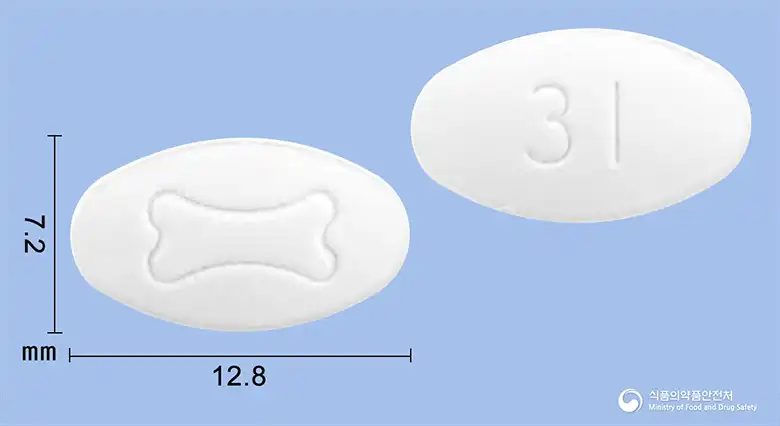
Sodium Alendronate Hydrate 91.37mg
Tablet · Prescription medication
Korea Organon Co., Ltd.
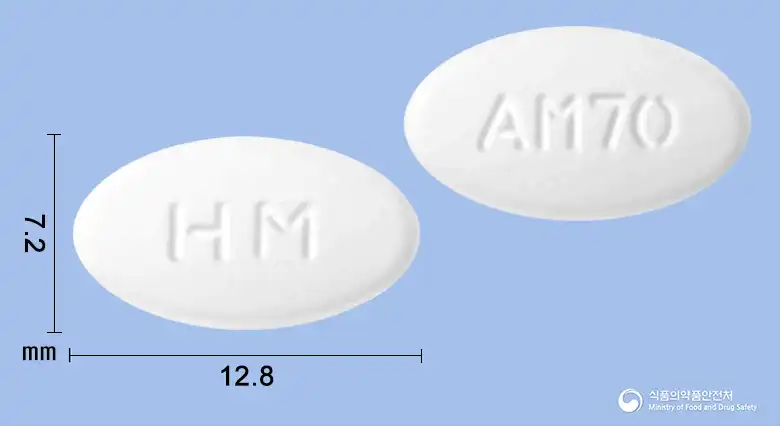
Sodium Alendronate 91.37mg
Tablet · Prescription medication
Hanmi Pharmaceutical Co., Ltd.
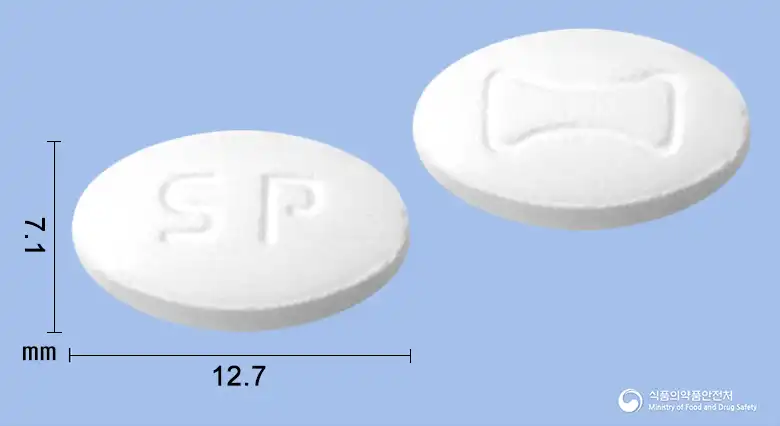
Sodium Alendronate Hydrate 91.37mg
Tablet · Prescription medication
Shinpoong Pharmaceutical Co., Ltd.
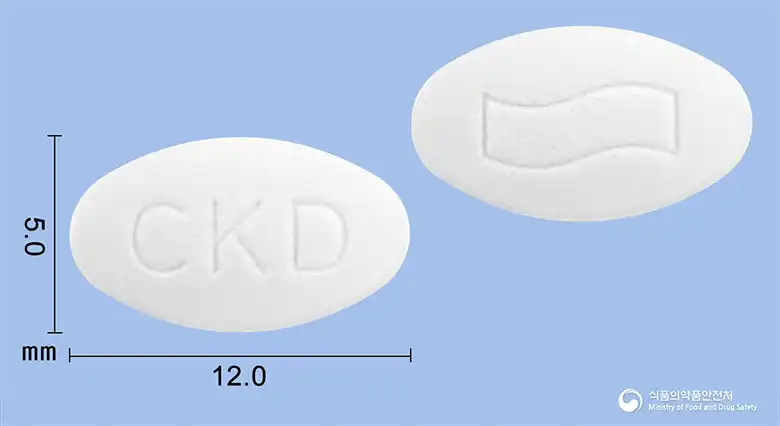
Sodium Alendronate 91.37mg
Tablet · Prescription medication
(Co., Ltd.) Jungkundang
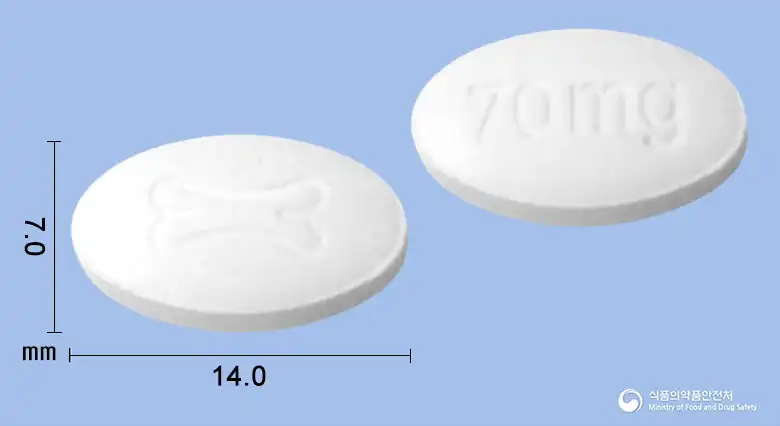
Sodium Alendronate Hydrate 91.37mg
Tablet · Prescription medication
Dongkwang Pharmaceutical Co., Ltd.
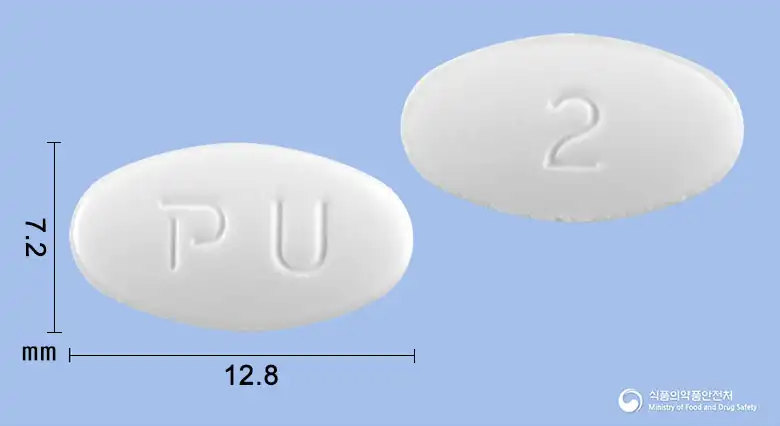
Sodium Alendronate Hydrate 91.37mg
Tablet · Prescription medication
Korea PMG Pharmaceutical Co., Ltd.
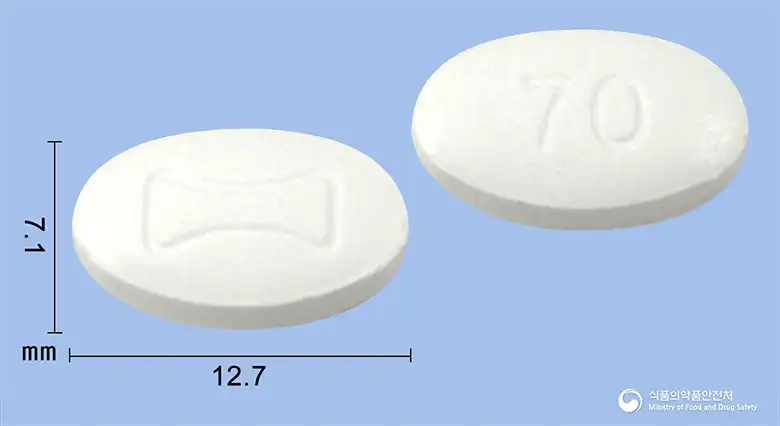
Sodium Alendronate Hydrate 91.37mg
Tablet · Prescription medication
Donggu Bio Pharmaceutical Co., Ltd.
Even with the same ingredient, the dose and directions can differ by strength and dosage form. Talk to a doctor or pharmacist before switching from a medication you are already taking.
No questions yet.
For anything that needs medical judgment, consult a doctor or pharmacist.
This drug information is based on data provided by the Korea Ministry of Food and Drug Safety.
Consult a doctor or pharmacist for accurate dosage, administration, and usage instructions.