
 한국어
한국어 English
 日本語
日本語 中文(简体)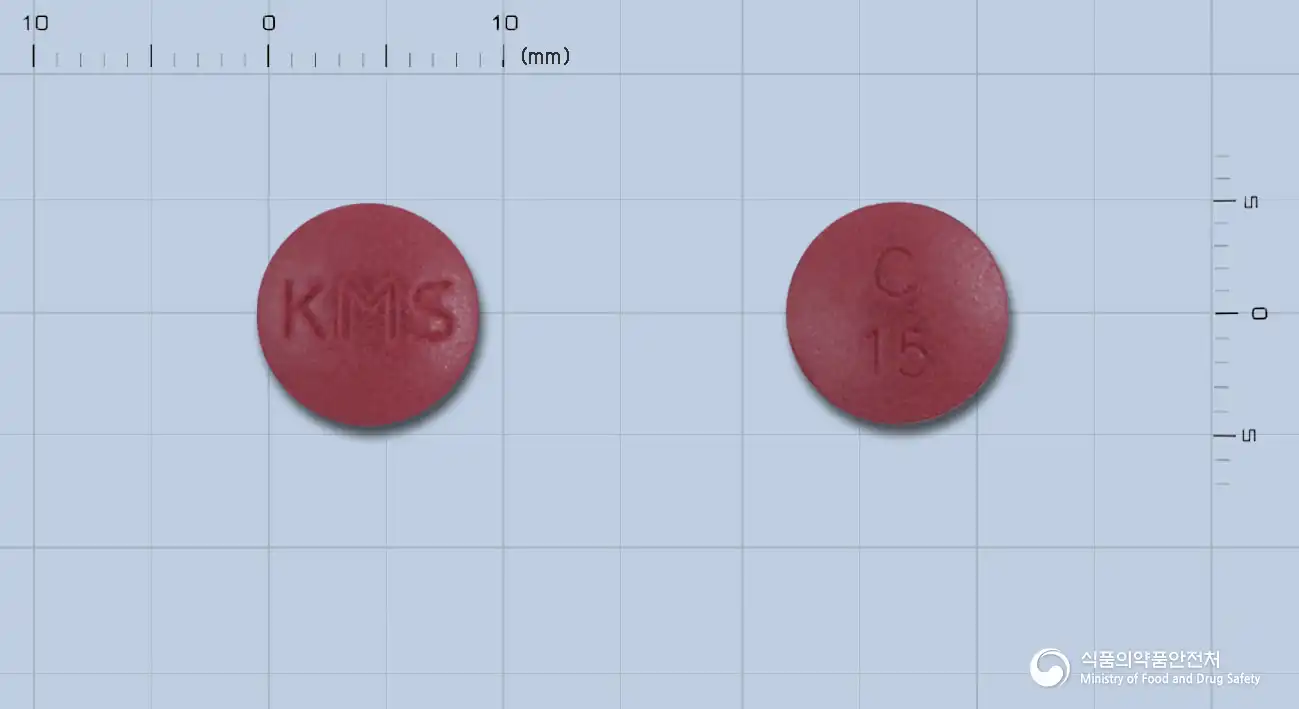
Summary
- Main use
- Physical fatigue, improvement of health during pregnancy and lactation, decreased physical condition during or after illness, improvement of health in old age, relief of neuralgia and muscle pain, alleviation of oral mucositis and dermatitis
- Who takes it
- Adults
- Adult dose
- For those aged over 8 years and adults, take 2 tablets twice daily.
Ingredients
- Thiamine Nitrate7mg / 1 tablet
- Riboflavin5mg / 1 tablet
- Pyridoxine Hydrochloride15mg / 1 tablet
- Cyanocobalamin2μg / 1 tablet
- Nicotinamide20mg / 1 tablet
- Calcium Pantothenate6mg / 1 tablet
- Ascorbic Acid100mg / 1 tablet
- Tocopherol Acetate Powder 50%30mg / 1 tablet
- Folic Acid50μg / 1 tablet
- Manufacturer
- 케이엠에스제약(주)
Efficacy & effects
Physical fatigue, improvement of health during pregnancy and lactation, decreased physical condition during or after illness, improvement of health in old age, relief of neuralgia and muscle pain, alleviation of oral mucositis and dermatitis
- Physical fatigue
- decreased physical strength
- old age
- neuralgia
- muscle pain
- joint pain
- beriberi
- eye fatigue
- angular cheilitis
- cheilitis
- oral mucositis
- glossitis
View approved original textHide original text
This medication contains Vitamins E, B1, B2, B6, and C, and is helpful during physical fatigue, during pregnancy and lactation, when physical strength is reduced during or after illness, and during old age. Vitamin B1 is effective for pain relief such as neuralgia, muscle pain, and joint pain, as well as for alleviating beriberi and eye fatigue. Vitamins B2 and B6 help alleviate skin and mucosal issues, such as inflammation around the mouth, glossitis, eczema, and dermatitis. Thus, this medication is used to improve fatigue and relieve neurological and skin symptoms.
How to take
Adult dose
For those aged over 8 years and adults, take 2 tablets twice daily.
Precautions
This drug should not be taken by individuals allergic to certain components. Additionally, infants under 3 months of age should not take this medication. This drug contains lactose, so individuals with genetic problems digesting lactose should avoid taking it. While taking this medication, do not take it concurrently with a drug called Levodopa. Those undergoing treatment or individuals with certain conditions such as hyperoxaluria should consult a specialist before taking this drug. Women who are pregnant or may become pregnant, nursing mothers, premature infants, and young children should also consult a specialist before taking this medication. Patients with gout or kidney stones should speak with a specialist before taking this drug. If symptoms such as nausea, vomiting, or diarrhea occur while taking this medication, stop taking it immediately and consult a specialist. If menstruation occurs earlier than expected or bleeding lasts a long time, it is necessary to stop taking the medication and consult. Women taking contraceptive pills containing estrogen or individuals at risk of thrombosis may have an increased risk of thrombosis when taking this medication. Long-term high-dose use can lead to tolerance to the medication. Taking pyridoxine in dosages exceeding 500mg daily for a long time can lead to nerve issues. Patients with folic acid deficiencies may experience blood abnormalities if taking high doses of Vitamin B12. High-dose use may lead to peptic ulcers or may complicate blood sugar management, and liver damage may also occur. In cases of overdose, stop taking the medication immediately and consult a specialist. If symptoms do not improve after about a month of use, consult a specialist. Always adhere to the prescribed dosages and usages, and children should be administered under the supervision of a guardian. This medication can affect blood glucose measurement during urine tests and may discolor urine yellow, thus affecting test results. When storing, keep it out of reach of children, avoid direct sunlight, and store it in an airtight container in a cool, dry place. Moreover, to maintain quality, it is important not to transfer it to another container.
Side effects and when to seek care immediately
Mild side effects
Nausea, vomiting, diarrhea, loose stools, menstruation occurring earlier than expected or increasing in volume, prolonged bleeding, sensory neuropathy or neurological symptoms, hematological adverse reactions, exacerbation of peptic ulcer, impaired glucose tolerance, hyperuricemia, liver damage, interference with blood glucose detection in urinalysis, yellow discoloration of urine
Not everyone experiences these, and they can vary from person to person.
Storage
This medication may be sensitive to air or moisture; thus, it should be stored in a sealed container. It is important to maintain a storage temperature between 1 and 30 degrees Celsius. This way, the effectiveness and safety of the medication can be preserved for a long time.
Appearance and packaging
Appearance
Brownish-red round film-coated tablets
Package unit
120 tablets
Questions about this medicine
No questions yet.
For anything that needs medical judgment, consult a doctor or pharmacist.