
 한국어
한국어 English
 日本語
日本語 中文(简体)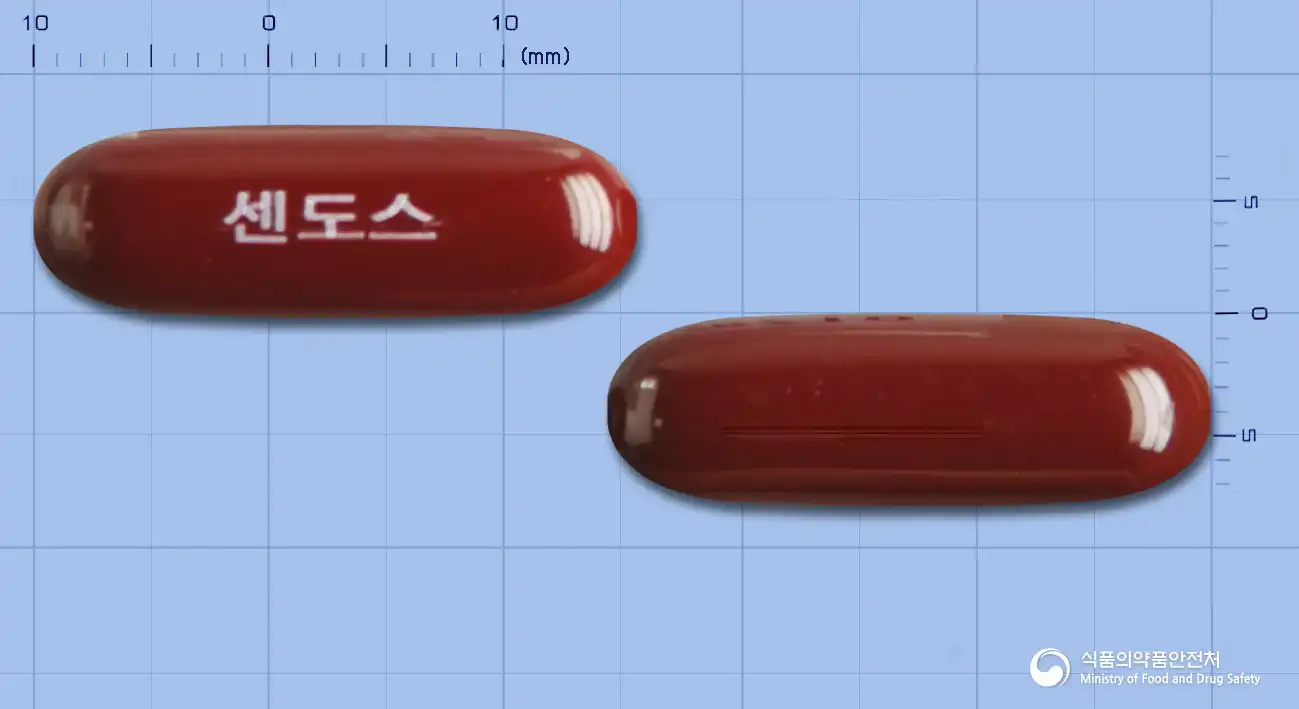
Summary
- Main use
- Improvement of physical fatigue, growth phase (eyes, bones) and prevention of rickets
- Who takes it
- Adults · Children
- Adult dose
- Take 1 capsule once a day.
- Child dose
- For children aged 8 years and older, take 1 capsule once a day.
Ingredients
- Retinol Palmitate Oil2500mg / 1 capsule
- Ergocalciferol
- Tocopherol Acetate
- Ascorbic Acid70mg / 1 capsule
- Thiamine Nitrate2mg / 1 capsule
- Riboflavin2mg / 1 capsule
- Pyridoxine Hydrochloride2mg / 1 capsule
- Gamma-Oryzanol5mg / 1 capsule
- Nicotinamide20mg / 1 capsule
- Cyanocobalamin6μg / 1 capsule
- Folic Acid400μg / 1 capsule
- Manufacturer
- 알파제약(주)
Efficacy & effects
Improvement of physical fatigue, growth phase (eyes, bones) and prevention of rickets
- Physical fatigue
- decreased physical strength
- dryness of the eyes
- night blindness
- poor bone growth
- poor growth
View approved original textHide original text
Vitamins A, B1, B2, C, D, and E help in cases of physical fatigue or when energy levels are low during pregnancy, breastfeeding, illness or recovery. Adequate supply is also necessary during growth and old age. It is effective in alleviating dryness of the eyes and preventing night blindness, and is used to improve poor bone and dental growth and to prevent rickets.
How to take
Adult dose
Take 1 capsule once a day.
Child dose
For children aged 8 years and older, take 1 capsule once a day.
Precautions
This drug should not be administered more than 5,000 IU of vitamin A per day to women in the first three months of pregnancy or women who may become pregnant, as high doses of vitamin A during pregnancy can increase the risk of congenital malformations. This drug should not be taken by patients with hypercalcemia, sarcoidosis (an unknown systemic inflammatory disease), kidney disease, kidney stones, or allergies/hypersensitivity to soybean oil, beans, peanuts, etc. Additionally, infants under 3 months should not take this medication, and those with allergies to the ingredients should also avoid it. It is advisable not to take this drug simultaneously with levodopa. Infants under 1 year, patients receiving medical treatment, children who are exposed to sunlight a lot, patients with hyperoxaluria, pregnant women or those who may become pregnant, nursing mothers, premature infants, infants, patients with gout, and those with disorders in fat metabolism such as hyperlipoproteinemia or diabetic dyslipidemia, pancreatitis must consult a doctor or pharmacist before taking this drug. If symptoms such as nausea, vomiting, skin itching, dry or rough skin, joint swelling, diarrhea, constipation, rash, or erythema occur during use, stop taking the medication immediately and consult a professional. Women should be aware that this medication may cause periods to become more frequent or prolonged bleeding. For women taking oral contraceptives containing estrogen or patients at risk of thrombosis, there may be an increased risk of thrombosis with vitamin E supplementation. Long-term high-dose use can lead to tolerance, and excessive intake of pyridoxine or vitamin B12 may cause neurological side effects or hematological disorders. High-dose use may worsen peptic ulcers or lead to complications such as impaired blood sugar control, liver damage, or increased uric acid levels, so caution is necessary. Additionally, high-dose vitamin A intake in postmenopausal women may increase the risk of osteoporosis. This drug should be taken according to the prescribed dosage, and since vitamin A is sufficiently obtained through a normal diet, caution should be exercised not to exceed 5,000 IU in supplementary treatment. During administration, this medication may affect blood glucose detection in some urine tests, and urine color may change to yellow, potentially influencing clinical test results. Patients at risk for lipid overload should regularly monitor plasma lipid levels and adjust the dosage of this medication as needed. In particular, when receiving other parenteral lipid preparations, adjustments should be made according to the lipid amount contained in this drug. Finally, store it out of reach of children, avoid direct sunlight, and keep it in a dry, cool place in a tightly sealed container. Transferring it to another container may result in misuse and quality deterioration.
Side effects and when to seek care immediately
Mild side effects
- Nausea
- vomiting
- itching
- dry and rough skin
- painful joint swelling
- diarrhea
- abdominal discomfort
- constipation
- rash
- erythema
Show 1 moreCollapse
- loose stools
Not everyone experiences these, and they can vary from person to person.
Interactions
Drug interactions
Do not take this medication with levodopa. Consult a doctor or pharmacist if using it with estrogen-containing oral contraceptives or injectable lipid preparations.
Storage
This drug should be stored in a tightly closed container to avoid exposure to air or moisture, and it is safe to keep at room temperature between 1 to 30 degrees. Storing it this way will help maintain the medication's effectiveness over time.
Appearance and packaging
Appearance
A reddish-brown oblong soft capsule containing a milky to light yellow content
Package unit
FOIL - 1 capsule/foil, FOIL - 500 capsules/foil, PTP - 100 capsules/PTP
Questions about this medicine
No questions yet.
For anything that needs medical judgment, consult a doctor or pharmacist.