
 한국어
 English
 日本語
 中文(简体)
 Viewing now
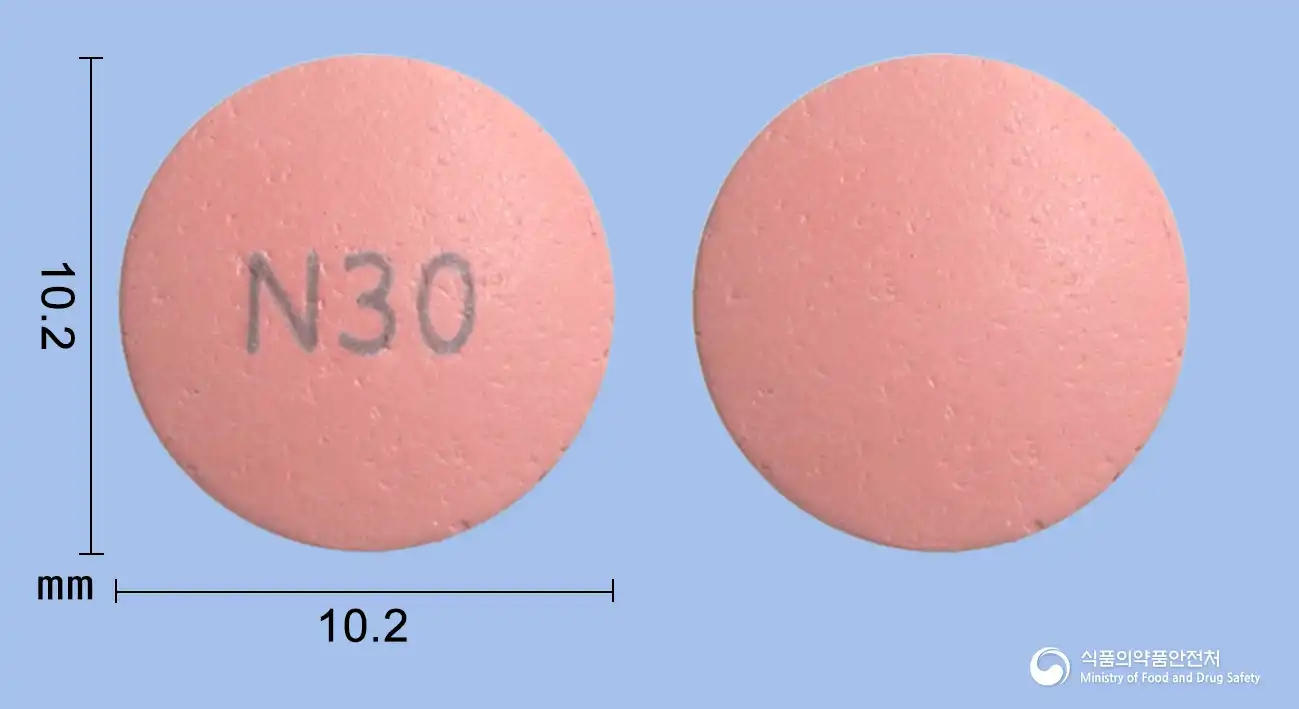
Nifedex Sustained-release Tablet (Nifedipine)
Nifedipine 30mg
Tablet · Prescription medication
Kwangdong Pharmaceutical Co., Ltd.
MFDS item code 200502319 · Approved 2005.05.11 · Insurance code 641801140
Treatment of hypertension and coronary artery disease (chronic stable angina)
This medication is used for chronic stable angina, a type of coronary artery disease, and hypertension.
Initially, administer 30 milligrams or 60 milligrams once daily, usually for 7-14 days. After carefully monitoring the patient's condition, check blood pressure and increase the dose. Since the drug reaches a steady-state blood concentration from the second day, the titration period may be shortened by frequently assessing the patient's condition. Do not exceed a maximum of 120 milligrams. The dose must be adjusted according to the patient's symptoms.
This medication should not be administered to certain patients. For example, individuals who are allergic to this drug, pregnant or nursing women, patients experiencing cardiogenic shock, patients with unstable angina, patients with hypotension, and those with severe aortic stenosis may face risks when taking this medication. Moreover, patients with severe liver or kidney dysfunction, pulmonary hypertension, congestive heart failure, the elderly, and individuals with diabetes should use this medication cautiously and be closely monitored. This medication may cause various side effects, including liver function abnormalities, urinary tract issues, blood disorders, cardiovascular symptoms, neurological symptoms, gastrointestinal disorders, hypersensitivity, skin problems, muscle and joint pain, oral issues, and metabolic abnormalities. If any unusual symptoms occur, consult a doctor immediately. Especially, discontinuing this medication suddenly can worsen symptoms, so do not stop taking it without a doctor's direction. Dizziness or ischemic chest pain may occur at the beginning of treatment or after increasing the dosage; caution is advised, especially when driving or operating dangerous machinery. This medication may interact with other drugs; therefore, especially when taken with specific antibiotics, antidepressants, antifungals, antivirals, antihypertensives, etc., inform your doctor or pharmacist, as dosage adjustments may be necessary. Pregnant or nursing women should not take this medication, and if necessary, breastfeeding should be stopped. Safety for children has not been established, so caution should be exercised when administering it to children. For the elderly, excessive blood pressure reduction may pose risks, such as cerebral infarction, so treatment should start with a low dose and be administered carefully. In case of overdose, symptoms such as altered consciousness, hypotension, arrhythmias, hyperglycemia, pulmonary edema, and cardiogenic shock may occur; immediate emergency treatment is needed. This medication should not be taken with grapefruit juice, as it can increase blood concentration, raising the risk of side effects. Tablets should be taken whole with water and not chewed or broken apart. Finally, this medication should be stored out of reach of children, kept in its original container, and protected from light and moisture.
Not everyone experiences these, and they can vary from person to person.
This medication should be stored in a tightly closed container to prevent air exposure at room temperature between 1 to 30 degrees Celsius. Proper storage will maintain the medication's efficacy for an extended period.
Pink round film-coated tablet
30 tablets/bottle, 300 tablets/bottle
Even with the same ingredient, strength, dosage form and how it is taken can differ.
Viewing nowNifedipine 30mg
Tablet · Prescription medication
Kwangdong Pharmaceutical Co., Ltd.
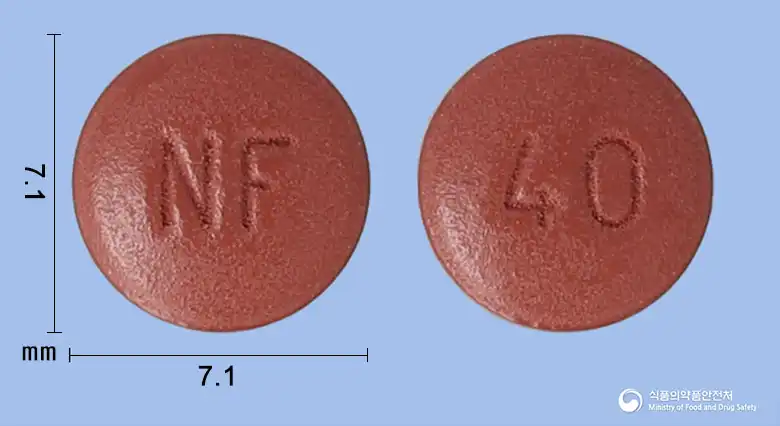
Nifedipine 40mg
Tablet · Prescription medication
Ellison Pharmaceutical Co., Ltd.
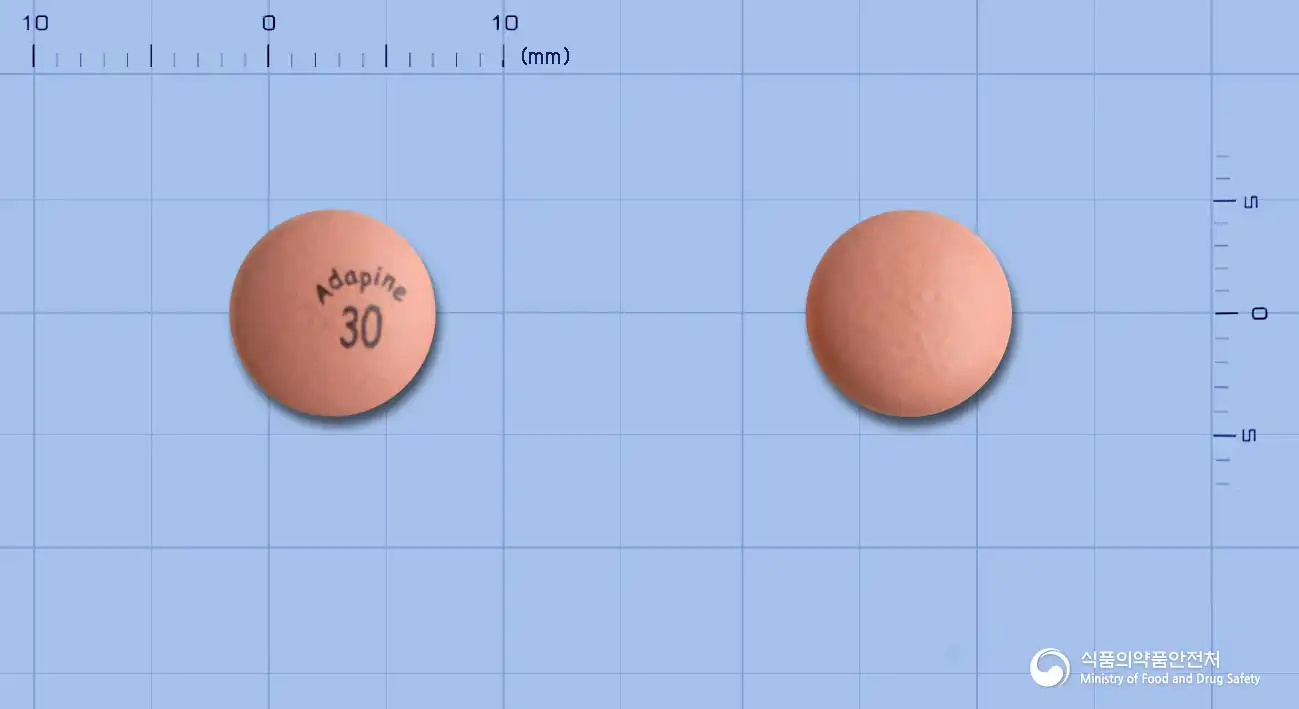
Nifedipine 33mg
Tablet · Prescription medication
Erison Pharmaceutical Co., Ltd.
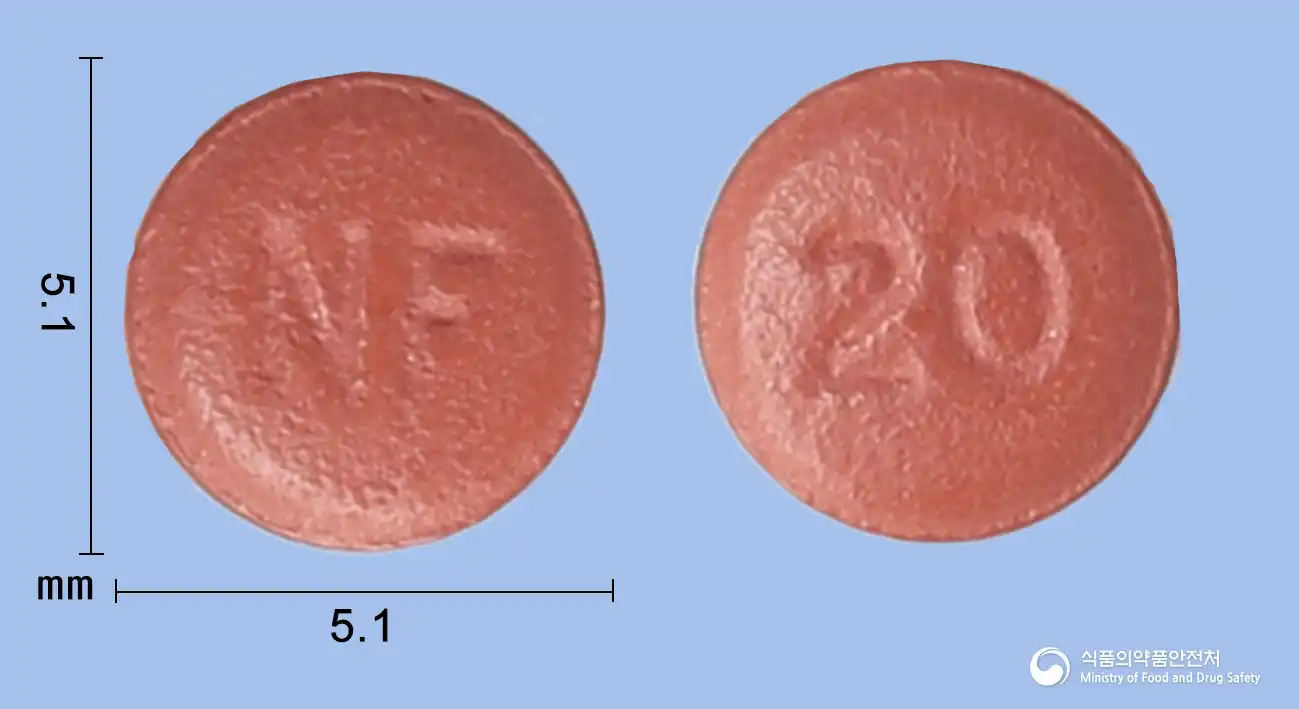
Nifedipine 20mg
Tablet · Prescription medication
Ellison Pharmaceutical Co., Ltd.
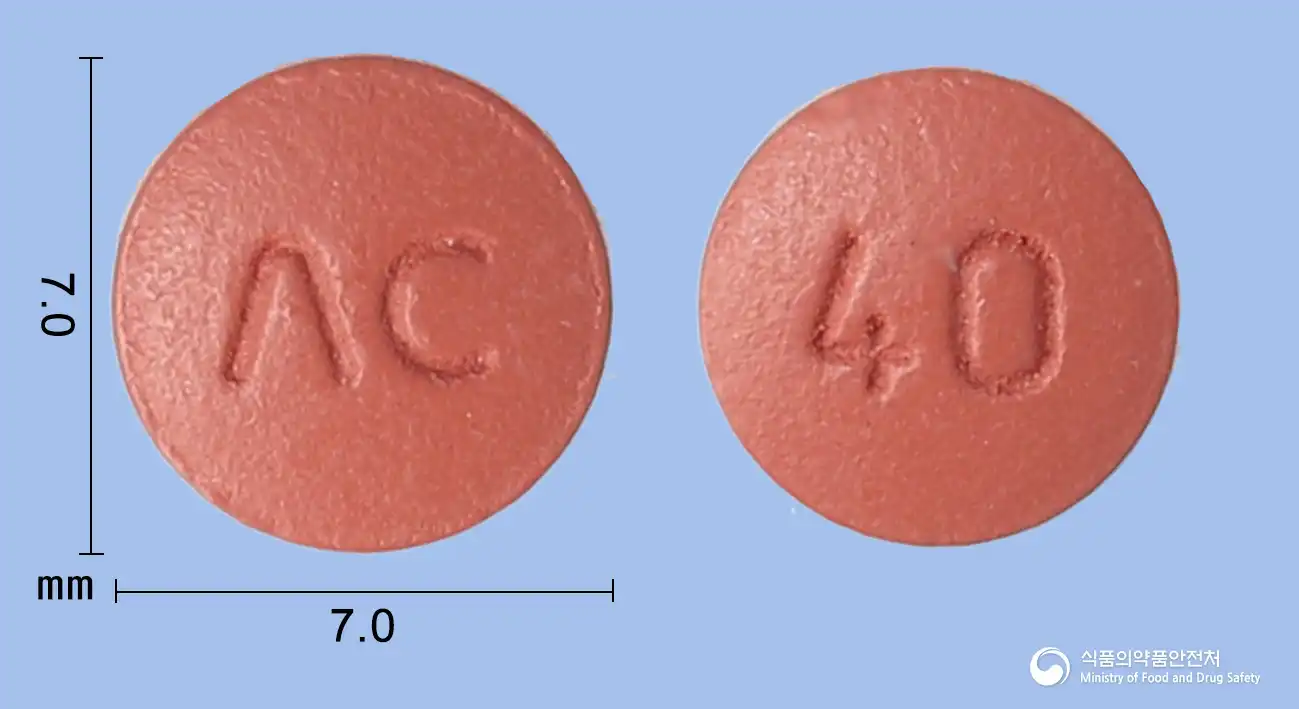
Nifedipine 40mg
Tablet · Prescription medication
Aliko Pharmaceutical Co., Ltd.
Even with the same ingredient, the dose and directions can differ by strength and dosage form. Talk to a doctor or pharmacist before switching from a medication you are already taking.
No questions yet.
For anything that needs medical judgment, consult a doctor or pharmacist.
This drug information is based on data provided by the Korea Ministry of Food and Drug Safety.
Consult a doctor or pharmacist for accurate dosage, administration, and usage instructions.