
 한국어
 English
 日本語
 中文(简体)
 Viewing now
Dextibufen 400 mg (Dextibufen D.C.)
Dexibuprofen D.C. 400mg
Tablet · Prescription medication
Pharmgen Science Co., Ltd.
MFDS item code 200502035 · Notified 2005.02.15 · Insurance code 670100100
Adjunctive treatment of joint disorders (such as arthritis), edema and inflammation following trauma or surgery, and infections
This medication is used for inflammatory joint diseases such as chronic polyarthritis, rheumatoid arthritis, arthropathy, and ankylosing spondylitis. It also helps relieve painful swelling and inflammation caused by trauma and postoperative conditions. Additionally, it is used as an adjunct in the treatment of infections accompanied by inflammation, pain, and fever. Overall, it improves symptoms of inflammation and pain associated with joints.
(Tablets) * 400 mg ○ Adults: Administer 400 mg of dexibuprofen orally 2~3 times daily. Do not exceed 1,200 mg of dexibuprofen per day.
This medication may pose a risk of gastrointestinal bleeding in individuals who regularly consume more than three alcoholic beverages a day; therefore, consultation with a physician or pharmacist is required. Moreover, this medication may increase the risk of cardiovascular diseases, so patients with a history of heart disease or stroke, or those with risk factors must consult carefully before taking this medication. This medication can cause serious gastrointestinal issues such as bleeding, ulcers, or perforation; thus, elderly patients or those with a history of gastrointestinal diseases should be particularly cautious, and if abnormal symptoms appear, immediate consultation with medical personnel is required. People with gastrointestinal ulcers or bleeding, severe liver or kidney impairment, severe heart failure, severe hypertension, or a history of asthma should not take this medication. Taking this medication alongside aspirin or other nonsteroidal anti-inflammatory drugs may increase the risk of serious side effects, so co-administration is not advised. Furthermore, interactions may occur when taken with high doses of methotrexate or certain medications, so always consult with healthcare providers. This medication can be excreted in breast milk, potentially causing adverse reactions in infants; therefore, breastfeeding should be avoided or breastfeeding should be suspended while on this medication. During treatment, dizziness or fatigue may occur, requiring caution when driving or operating machinery. Pregnant women, especially after six months of pregnancy, may be at risk for the fetus; thus, women who are pregnant or planning to become pregnant must consult before taking this medication. Regular blood tests and liver and kidney function tests should be performed during treatment to check for abnormalities, and if any unusual symptoms occur, the medication should be stopped immediately, and medical personnel consulted. If severe allergic reactions, skin rashes, breathing difficulties, jaundice, blood abnormalities, or gastrointestinal bleeding symptoms occur, stop taking this medication immediately and seek medical attention. This medication should be used for the shortest duration with the minimum effective dose, and prolonged use requires close supervision by healthcare personnel. Children, elderly patients, and those with chronic diseases should be particularly cautious during treatment and should always carefully monitor for adverse reactions. In case of overdose, immediate medical attention should be sought, and emergency procedures such as gastric lavage or dilution may be required. This medication should be stored out of reach of children, away from direct sunlight, in a cool and dry place. Transferring to other containers may cause quality deterioration or accidents, so caution is advised.
Gastrointestinal bleeding, serious cardiovascular thrombotic reactions, myocardial infarction, stroke, bleeding of the stomach or intestine, ulcers, perforation, dyspepsia, abdominal distension, heartburn, upper abdominal pain, diarrhea, constipation, loss of appetite, nausea, vomiting, abdominal pain, gastric discomfort, esophagitis, esophageal stricture, diverticulitis exacerbation, nonspecific hemorrhagic colitis, ulcerative colitis, Crohn's disease, peptic ulcer, gastrointestinal bleeding, perforation, hematochezia, gastritis, pancreatitis, thirst, stomatitis, erythema multiforme, systemic lupus erythematosus, hair loss, angioedema, Stevens-Johnson syndrome, toxic epidermal necrolysis, eosinophilia, drug rash, acute generalized exanthematous pustulosis, rash, urticaria, itching, purpura, asthma attacks, eczema, anaphylactic reactions, photosensitivity reactions, jaundice, elevated ALT, elevated AST, elevated ALP, abnormal liver function, hepatitis, rhinitis, bronchospasm, acute pneumonia, neglect, malignancy, hearing loss, tinnitus, taste disturbance, fatigue, drowsiness, headache, dizziness, anxiety, restlessness, confusion, depression, aseptic meningitis, psychosis, agitation, excitement, sense of direction disturbance, reversible toxic neuropathy, hypotension, hypertension, palpitations, acute renal failure, oliguria, hematuria, proteinuria, elevated BUN, elevated serum creatinine, hyperkalemia, decreased urine output, generalized edema, shortness of breath, lethargy, renal papillary necrosis, nephrotic syndrome, interstitial nephritis, peripheral edema, acute pulmonary edema, fluid retention, Conn's syndrome, reduced female fertility, periorbital edema, malaise, fever, nosebleeds, exacerbation of inflammation, restlessness, facial edema, dyspepsia, pruritus, anaphylactic shock, rash, diarrhea, vomiting
Not everyone experiences these, and they can vary from person to person.
This medication may be sensitive to air or moisture, so it should be stored in airtight containers. It is recommended to maintain a storage temperature between 1 degree and 30 degrees Celsius at room temperature. This helps prolong the effectiveness of the medication.
Pink, oblong film-coated tablet
30 tablets/bottle, 300 tablets/bottle
Even with the same ingredient, strength, dosage form and how it is taken can differ.
Viewing nowDexibuprofen D.C. 400mg
Tablet · Prescription medication
Pharmgen Science Co., Ltd.
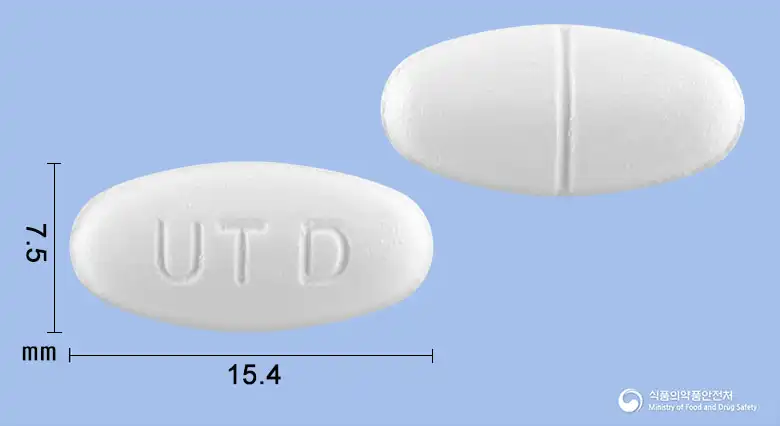
Dexibuprofen D.C. 300mg
Tablet · OTC medication
Korea United Pharm., Co., Ltd.

Dexibuprofen D.C. 300mg
Tablet · OTC medication
Korea Prime Pharmaceutical Co., Ltd.
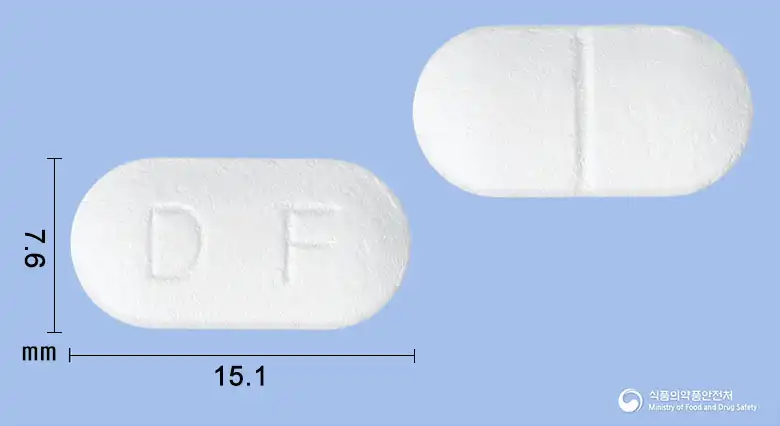
Dexibuprofen D.C. 400mg
Tablet · Prescription medication
Unimed Pharmaceutical Co., Ltd.

Dexibuprofen D.C. 400mg
Tablet · Prescription medication
Celix Co., Ltd.
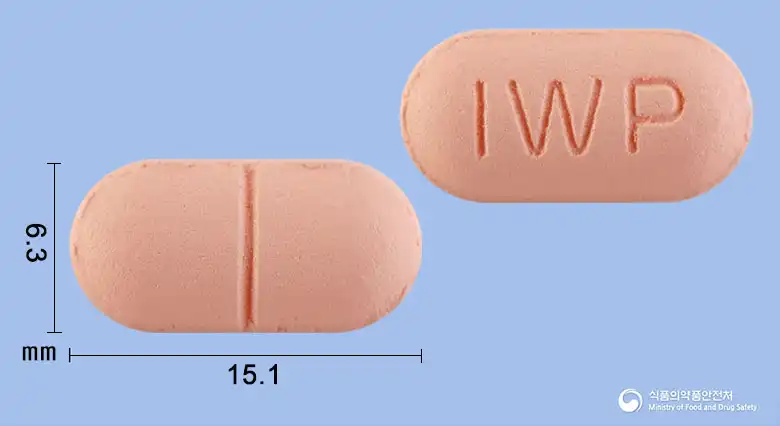
Dexibuprofen D.C. 400mg
Tablet · Prescription medication
iWorld Pharmaceutical Co., Ltd.

Dexibuprofen D.C. 400mg
Tablet · Prescription medication
Boryung Biopharma Co., Ltd.
Dexibuprofen D.C. 400mg
Tablet · Prescription medication
Celltrion Pharmaceutical Co., Ltd.
Even with the same ingredient, the dose and directions can differ by strength and dosage form. Talk to a doctor or pharmacist before switching from a medication you are already taking.
No questions yet.
For anything that needs medical judgment, consult a doctor or pharmacist.
This drug information is based on data provided by the Korea Ministry of Food and Drug Safety.
Consult a doctor or pharmacist for accurate dosage, administration, and usage instructions.