
 한국어
 English
 日本語
 中文(简体)
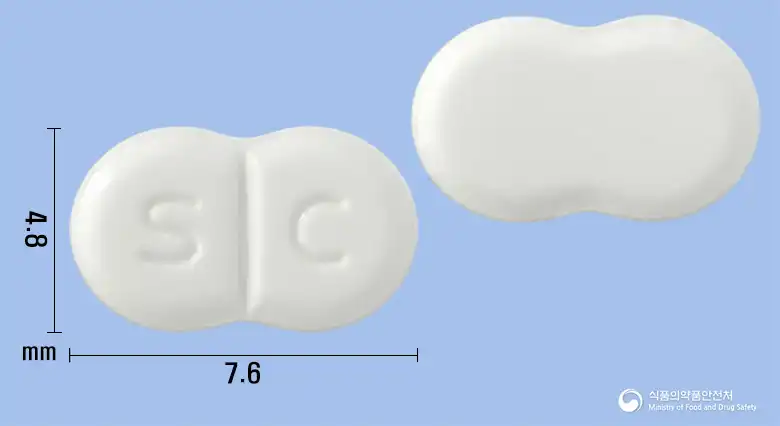 Viewing now
Ledercoat Tablets (Triamcinolone)
Triamcinolone 4mg
Tablet · Prescription medication
SK Chemicals Co., Ltd.
MFDS item code 200501789 · Notified 2005.12.06 · Insurance code 644700300
Treatment of allergies and collagen diseases, endocrine and metabolic disorders, and other conditions (including skin and blood disorders)
This medication is used for the treatment of various diseases, including several endocrine disorders, collagen diseases, allergic disorders, neurological and renal diseases, hematologic disorders, gastrointestinal disorders, severe infections, skin diseases, ophthalmologic conditions, surgical conditions, gynecological disorders, etc. For example, it is effective for adrenal cortical insufficiency and thyroid diseases, rheumatic fever and arthritis, bronchial asthma and allergic rhinitis, multiple sclerosis and nephrotic syndrome, acute and chronic leukemia, ulcerative colitis, tuberculous meningitis, dermatitis and alopecia areata, allergic conjunctivitis, pulmonary edema after surgical invasion, and pregnancy herpes. This drug is widely used to alleviate various inflammatory and immune-related diseases and treat acute and chronic conditions.
Adults: Administer 8 ~ 16 mg of triamcinolone orally per day in 3 ~ 4 divided doses (as symptoms improve, reduce the dose by 2 mg at intervals of 2 ~ 3 days to the minimum effective maintenance dose).
This medication should not be used in certain patients. For example, patients who have allergies or hypersensitivity to this drug or its components should not take it. Additionally, in patients with infections without appropriate antibiotics or systemic fungal infections, this medication may worsen the infection, so it should not be administered. Patients with herpes simplex, herpes zoster, chickenpox, or herpes simplex keratitis may also have aggravated infections if they use this drug. Patients requiring caution when using this drug include those with cataracts, hypertension, electrolyte imbalances, thrombosis, recent intestinal anastomosis, or acute myocardial infarction, as this medication may worsen symptoms. Patients with peptic ulcers, schizophrenia, severe osteoporosis, and glaucoma may also deteriorate with this medication. Furthermore, patients with infections, diabetes, renal failure, congestive heart failure, hypothyroidism, liver cirrhosis, fatty liver, severe myasthenia gravis, and the elderly should be treated carefully. When taking this medication, various side effects may occur, so symptoms should be closely monitored. Infections may worsen or allergic reactions may arise, and endocrine abnormalities such as adrenal insufficiency, elevated blood sugar levels, menstrual irregularities, or Cushing's syndrome may occur. Gastrointestinal side effects may include ulcers, pancreatitis, nausea, vomiting, and stomach pain, while neuropsychiatric effects may result in depression, insomnia, and headaches. Musculoskeletal side effects may include osteoporosis, muscular weakness, and fractures, and fluid and electrolyte imbalances should also be monitored carefully. When using this medication, particular attention should be paid to the risk of chickenpox or measles infection. Vaccination history and past infections for chickenpox or measles should be checked, and immediate examination should be made if the risk of infection is present. In long-term use, adrenal insufficiency may develop, so the medication should not be stopped abruptly but gradually tapered. This medication may interact with other drugs, so caution is required when used in combination. Using it with barbiturates, anticonvulsants, or certain antibiotics may reduce the effect of this medication. Co-administration with non-steroidal anti-inflammatory drugs may increase the risk of gastrointestinal bleeding, while the effect of anticoagulants or hypoglycemic agents may be weakened. When used with diuretics or digitalis preparations, potassium levels in the blood should be frequently monitored, as certain combinations may cause problems with the heart or muscles. During pregnancy, it should only be administered when necessary, as it may affect the fetus; during breastfeeding, it should be discontinued as it may be excreted in breast milk. In children, side effects such as growth retardation may occur, so the smallest effective dose should be used, and careful observation is necessary. In the elderly, the risk of side effects such as infections, diabetes, osteoporosis, and hypertension is increased, hence, careful attention is required when administering the drug.
Induction of infections, worsening, masking, hypersensitivity reactions, skin reactions, secondary adrenal insufficiency, diabetes, menstrual irregularities, postmenopausal vaginal bleeding, Cushing's syndrome, growth suppression in children, decreased glucose tolerance, buffalo hump, perforation and bleeding from peptic ulcers, pancreatitis, diarrhea, nausea, vomiting, abdominal pain, heartburn, abdominal distension, ulcerative esophagitis, gastritis, thirst, anorexia, increased appetite, mental disorders, depression, euphoria, insomnia, headache, dizziness, convulsions, increased intracranial pressure, osteoporosis, avascular necrosis of the femur and humerus, steroid myopathy, myalgia, arthralgia, muscle weakness, fatigue, delayed fracture healing, vertebral compression fractures, pathological fractures of the iliac bone, negative nitrogen balance, fatty liver, edema, elevated blood pressure, potassium loss, hypokalemic alkalosis, sodium retention, fluid retention, congestive heart failure, increased intraocular pressure, glaucoma, posterior subcapsular cataract, secondary infections of the eye, central serous chorioretinopathy, retinal disorders, exophthalmos, acne, hirsutism, alopecia, pigmentation, subcutaneous hemorrhage, purpura, ancestors, itching, abnormal sweating, facial flushing, delayed wound healing, thin and fragile skin, petechiae, ecchymosis, leukocytosis, thrombosis, fever, fatigue, steroid nephropathy, increased sperm count and motility
Not everyone experiences these, and they can vary from person to person.
This medication should be stored in a tightly sealed container to protect it from air and moisture. It is recommended to maintain storage temperatures between 1 degree and 30 degrees Celsius at room temperature.
White oblong tablet
30 tablets/bottle, 500 tablets/bottle
Even with the same ingredient, strength, dosage form and how it is taken can differ.
Viewing nowTriamcinolone 4mg
Tablet · Prescription medication
SK Chemicals Co., Ltd.
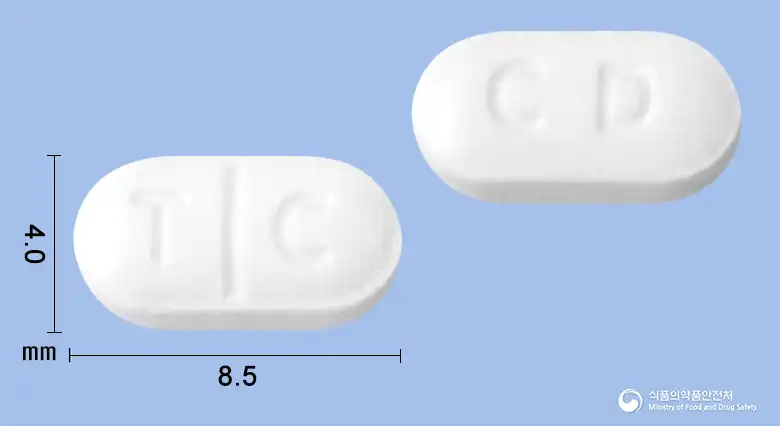
Triamcinolone 4mg
Tablet · Prescription medication
Chodang Pharmaceutical Industry Co., Ltd.
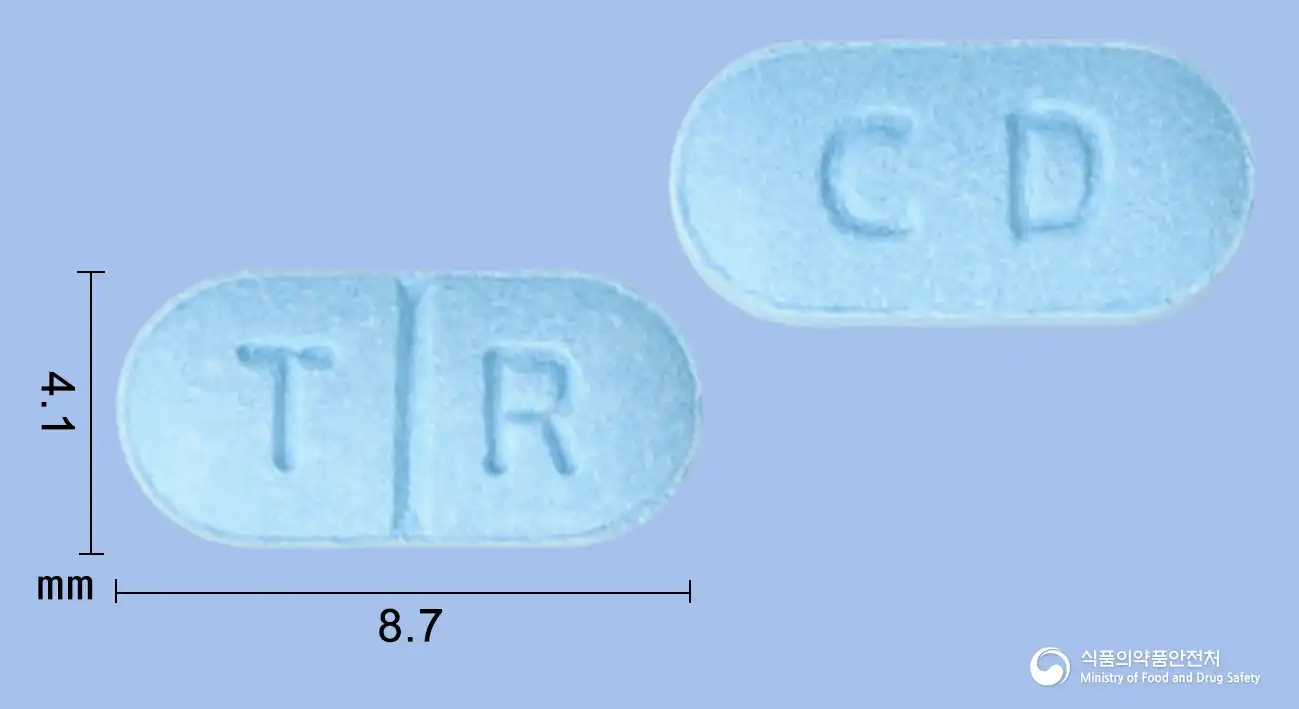
Triamcinolone 1mg
Tablet · Prescription medication
Chodang Pharmaceutical Industry Co., Ltd.
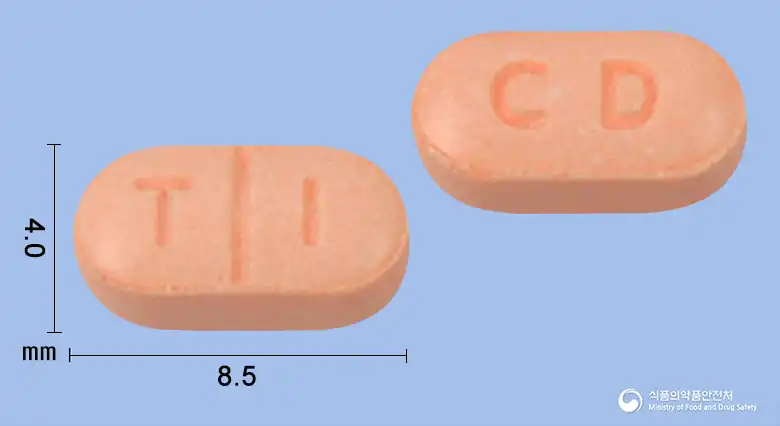
Triamcinolone 2mg
Tablet · Prescription medication
Chodang Pharmaceutical Industry Co., Ltd.
Even with the same ingredient, the dose and directions can differ by strength and dosage form. Talk to a doctor or pharmacist before switching from a medication you are already taking.
No questions yet.
For anything that needs medical judgment, consult a doctor or pharmacist.
This drug information is based on data provided by the Korea Ministry of Food and Drug Safety.
Consult a doctor or pharmacist for accurate dosage, administration, and usage instructions.