
 한국어
 English
 日本語
 中文(简体)
 Viewing now
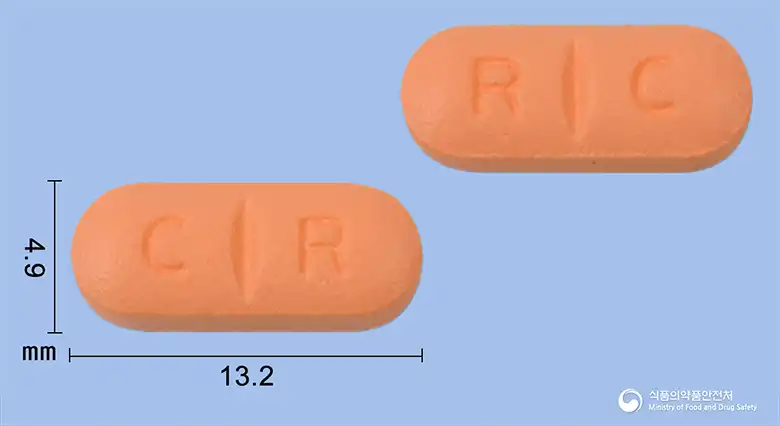
Atretole CR Tablets (Carbamazepine)
Carbamazepine 200mg
Tablet · Prescription medication
Korea Pharma Co., Ltd.
MFDS item code 200501541 · Approved 2005.09.13 · Insurance code 653001520
Treatment of epilepsy, trigeminal neuralgia, and psychiatric disorders (mania, agitation in schizophrenia, etc.)
This medication is used for various seizures and mental disorders due to epilepsy, trigeminal neuralgia, and excitatory states in psychiatric disorders such as manic episodes or bipolar disorder.
1. Epilepsy Start treatment at a low dose and increase it slowly until the optimal effect is achieved. The dose of this medicine should be adjusted to adequately control seizures in each patient. Determination of blood concentrations may help achieve the optimal dose. The therapeutic blood concentration of carbamazepine for epilepsy is known to be 4-12 μg/mL (17-50 micromoles/L). 1) Adults: The initial dose of carbamazepine is 200-400㎎ daily, taken orally in 1-2 divided doses, and increased slowly until the optimal effect is achieved (600㎎ daily). Depending on symptoms, the dose may be increased to 1200㎎ daily. 2. Trigeminal neuralgia Adults: The initial dose of this medicine is 200-400㎎ daily, and may be given in divided doses up to 600 mg daily. Depending on symptoms, the dose may be increased to 800mg daily. 3. Mania, manic states in bipolar disorder, and agitation in schizophrenia Adults: The initial dose of this medicine is 200-400㎎ daily, given in 1-2 divided doses, and increased slowly until the optimal effect is achieved (600㎎ daily). Depending on symptoms, the dose may be increased to 1200㎎ daily. Adjust the dose as appropriate according to age and symptoms.
Children: Administer 100-600㎎ daily in divided doses, according to age and symptoms.
This medication may increase the risk of suicidal thoughts or behaviors; therefore, mood changes and symptoms of depression should be carefully monitored during treatment. Serious skin reactions such as Stevens-Johnson syndrome or toxic epidermal necrolysis may occur during the use of this medication, so any rash or blistering on the skin should be reported to a healthcare professional immediately. During pregnancy, this medication may cause fetal malformations or growth disorders, so women who are pregnant or planning to become pregnant should consult with a doctor and use effective contraceptive methods. Patients with allergies to this medication or certain blood disorders, heart issues, liver disease, lactose intolerance, etc., should not take it. Regular checks of liver and kidney function are required while taking this medication, and any abnormal blood tests should be reported immediately. Given that there are many interactions with other medications, dosage adjustments or monitoring may be necessary depending on the concurrently used drugs, so all medications being taken should be informed to the healthcare professionals. Dizziness, drowsiness, or impaired motor control may occur at the beginning of treatment or with dosage adjustments, so care should be taken when driving or operating hazardous machinery. Abrupt discontinuation of this medication may worsen seizures; thus, it should be gradually reduced under a doctor's guidance. In case of overdose, serious central nervous system, cardiovascular, and respiratory symptoms may occur, requiring immediate emergency treatment. This medication should be kept out of the reach of children and stored in its original container to maintain quality.
Not everyone experiences these, and they can vary from person to person.
This medication should be stored in a tightly sealed container to protect it from air and moisture. Additionally, it is advisable to keep it in a cool and dry place.
This medication is a beige-orange colored divisible capsule-shaped tablet.
30 tablets/bottle, 500 tablets/bottle
Even with the same ingredient, strength, dosage form and how it is taken can differ.
Viewing nowCarbamazepine 200mg
Tablet · Prescription medication
Korea Pharma Co., Ltd.
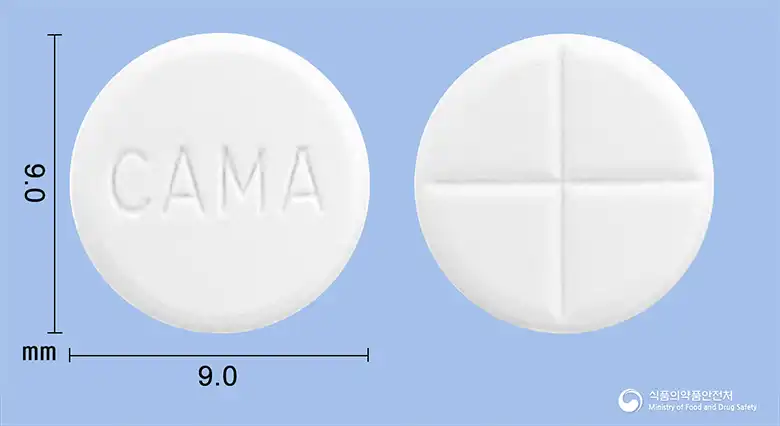
Carbamazepine 200mg
Tablet · Prescription medication
Myeongin Pharmaceutical Co., Ltd.
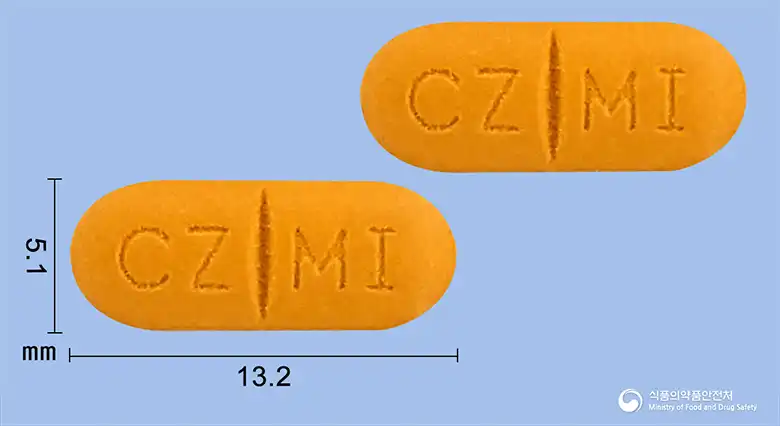
Carbamazepine 200mg
Tablet · Prescription medication
Myungin Pharmaceutical Co., Ltd.
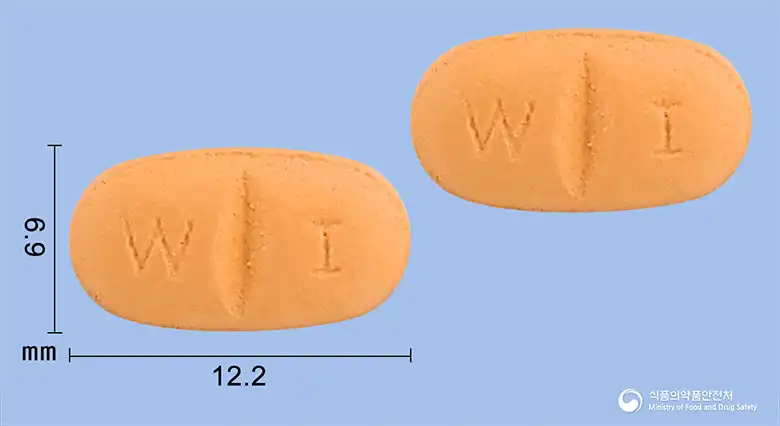
Carbamazepine 200mg
Tablet · Prescription medication
Hanin Pharmaceutical Co., Ltd.
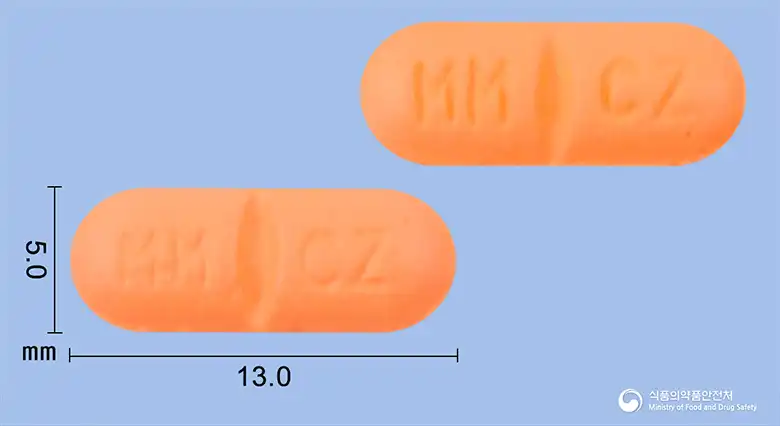
Carbamazepine 200mg
Tablet · Prescription medication
Myungmoon Pharmaceutical Co., Ltd.
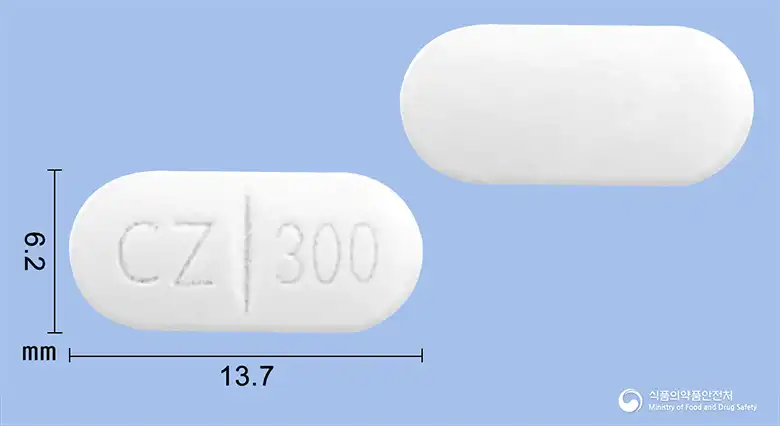
Carbamazepine 300mg
Tablet · Prescription medication
Myeongin Pharmaceutical Co., Ltd.
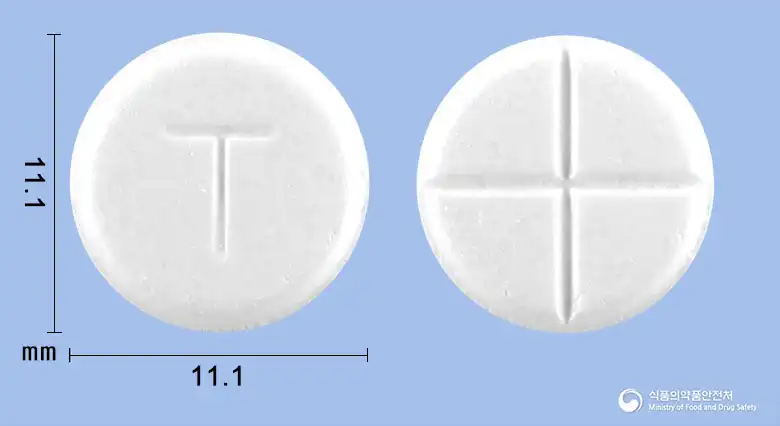
Carbamazepine 300mg
Tablet · Prescription medication
Bukhwang Pharm Co., Ltd.
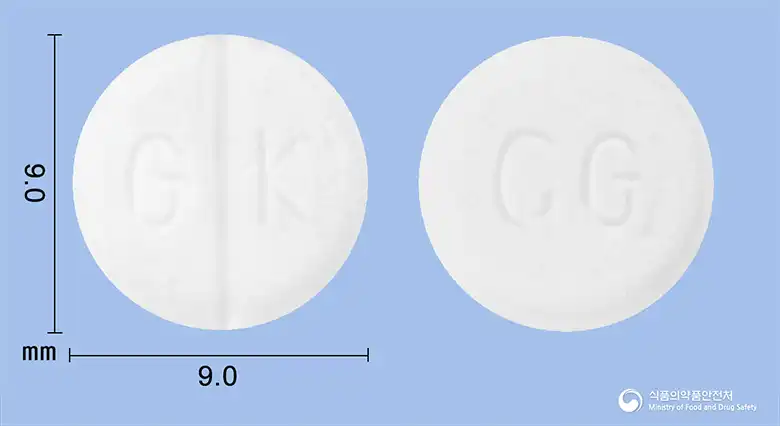
Carbamazepine 200mg
Tablet · Prescription medication
Novartis Korea Ltd.
Even with the same ingredient, the dose and directions can differ by strength and dosage form. Talk to a doctor or pharmacist before switching from a medication you are already taking.
No questions yet.
For anything that needs medical judgment, consult a doctor or pharmacist.
This drug information is based on data provided by the Korea Ministry of Food and Drug Safety.
Consult a doctor or pharmacist for accurate dosage, administration, and usage instructions.