
 한국어
 English
 日本語
 中文(简体)
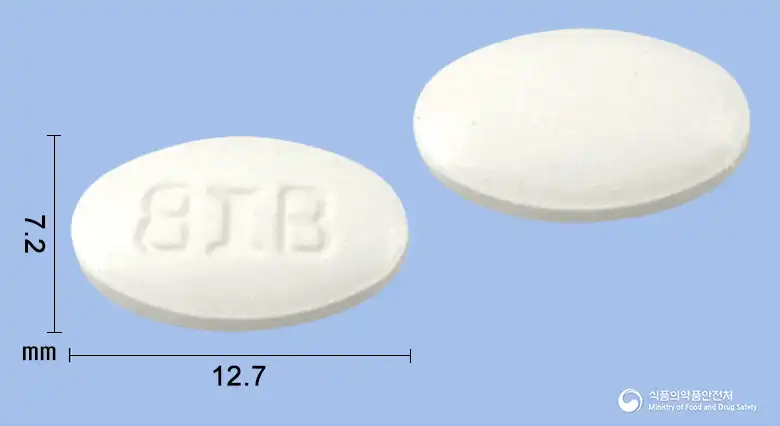 Viewing now
BISBON Tablet (Alendronate Sodium Hydrate)
Sodium Alendronate Hydrate 91.37mg
Tablet · Prescription medication
Korea Pharma Co., Ltd.
MFDS item code 200501531 · Notified 2005.03.23 · Insurance code 653000980
Treatment of osteoporosis in postmenopausal women and men
This medication is used for the treatment of osteoporosis, which can occur in both postmenopausal women and men. Osteoporosis is a condition where the bones become weak and can fracture easily, helping to prevent this and maintain bone health. Therefore, it is effective in reducing the risk of fractures and improving bone density.
○ Take 70 mg of alendronic acid once weekly in the morning with a sufficient amount of water, at least 30 minutes before consuming food, beverages, or other medicines (see Precautions). ○ Other beverages or food, including mineral water and barley tea, and medicines may reduce the absorption of this medicine (see Interactions). If food is consumed within 30 minutes after taking this medicine or at the same time, absorption into the body may be reduced and its effect may decrease. This medicine should be taken immediately upon arising in the morning, swallowed with a sufficient amount of water (170 ∼ 230 mL) to deliver it rapidly to the stomach and reduce the possibility of esophageal irritation. Do not lie down for at least 30 minutes after taking this medicine and until after the first food intake. Do not take this medicine at bedtime or before getting up in the morning. Failure to follow these instructions may increase the risk of esophageal adverse reactions (see Warnings and Precautions). Patients with inadequate calcium and vitamin D intake from food should take supplements (see Precautions). ○ The appropriate duration of treatment has not been established. The safety and efficacy of this medicine for the treatment of osteoporosis are based on clinical data from 4 years. The need for continued treatment should be reassessed regularly in all patients receiving bisphosphonates. Patients at low risk of fracture should be considered for discontinuation after taking this medicine for 3 ∼ 5 years. Patients who discontinue treatment should be regularly reassessed for fracture risk. ○ If a dose is missed on the scheduled day, take 70 mg the following morning, then resume the originally scheduled dosing day and continue taking it regularly once weekly. Do not take 2 tablets on the same day.
This medicine can cause irritation to the stomach and esophagus, so people with gastritis or esophageal diseases should be particularly careful. Do not lie down after taking the medication, and take it with a sufficient amount of water. Maintain a sitting or standing position for at least 30 minutes after taking it. If symptoms of esophageal irritation occur, stop taking the medication immediately and consult a doctor. This medication should not be used by individuals with esophageal stricture, severe renal impairment, pregnant or breastfeeding women, or those with certain genetic diseases. It is advisable to ensure adequate intake of calcium and vitamin D while engaging in weight-bearing exercises. This medication may cause side effects such as bone, muscle, or joint pain, dyspepsia, and gastric reflux. If symptoms are severe, consult a doctor. Particularly during long-term use, there is a rare risk of weak fractures occurring in the bones, so caution is necessary. This medication and other drugs, especially calcium supplements or antacids, should be taken at different times, and the risk of gastrointestinal adverse reactions may increase when combined with aspirin. Women who are pregnant or may become pregnant should not take this medication, and it is also safest if breastfeeding women do not take this medication. The safety of this medication has not been established in children or adolescents, so it is not used in these populations. Read the product leaflet carefully when taking the medication and follow the doctor's instructions diligently.
Hemorrhage, esophagitis, esophageal ulcer, esophageal erosion, esophageal obstruction, esophageal perforation, dysphagia, odynophagia, retrosternal pain, heartburn, abdominal pain, nausea, indigestion, constipation, diarrhea, flatulence, acid reflux, vomiting, abdominal distension, gastritis, musculoskeletal pain, muscle cramps, headache, dizziness, dysgeusia, rash, erythema, anastomotic ulcer, urticaria, angioedema, myalgia, fatigue, weakness, fever, symptoms of hypocalcemia, peripheral edema, esophageal stenosis, oropharyngeal ulcer, gastric ulcer, duodenal ulcer, jaw necrosis, joint swelling, low-energy fractures of the femoral neck and other bones, dizziness, itching, hair loss, sicca syndrome, toxic epidermal necrolysis, uveitis, scleritis, episcleritis, cholesteatoma of the external auditory canal, melena
Not everyone experiences these, and they can vary from person to person.
Store this medication in a tightly sealed container to prevent air or moisture from entering. It is recommended to maintain a storage temperature between 1°C to 30°C at room temperature.
White oval tablet
4 tablets/PTP
Even with the same ingredient, strength, dosage form and how it is taken can differ.
Viewing nowSodium Alendronate Hydrate 91.37mg
Tablet · Prescription medication
Korea Pharma Co., Ltd.
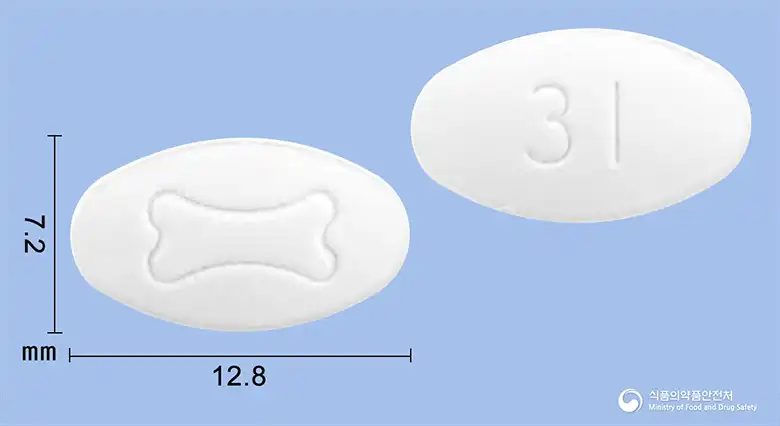
Sodium Alendronate Hydrate 91.37mg
Tablet · Prescription medication
Korea Organon Co., Ltd.
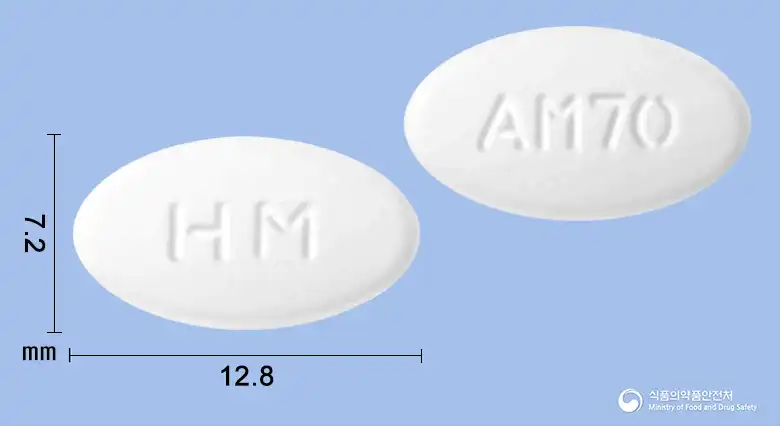
Sodium Alendronate 91.37mg
Tablet · Prescription medication
Hanmi Pharmaceutical Co., Ltd.
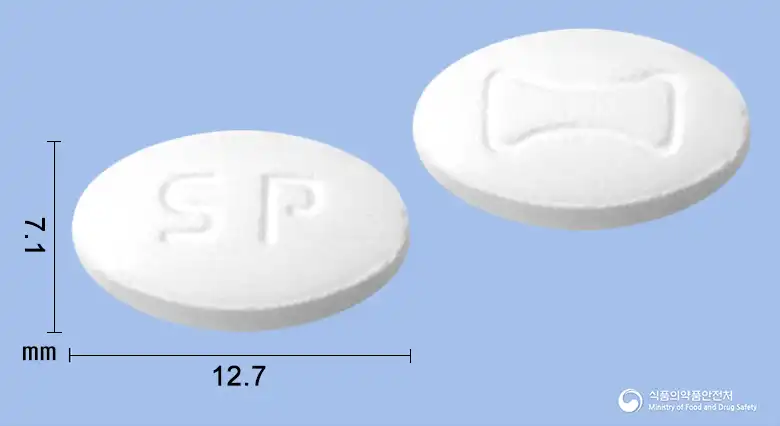
Sodium Alendronate Hydrate 91.37mg
Tablet · Prescription medication
Shinpoong Pharmaceutical Co., Ltd.
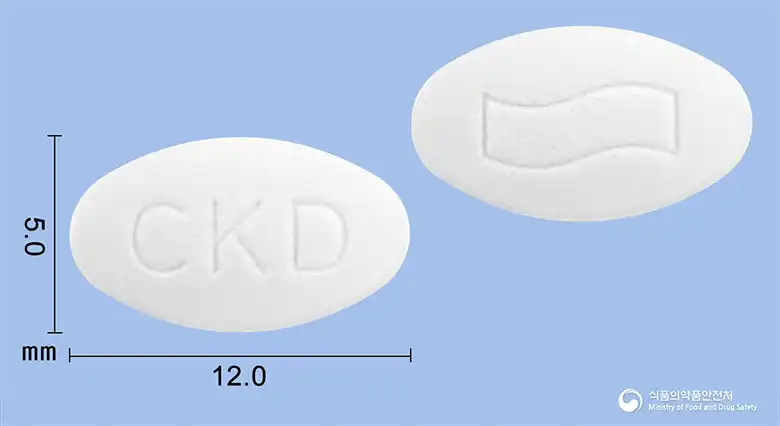
Sodium Alendronate 91.37mg
Tablet · Prescription medication
(Co., Ltd.) Jungkundang
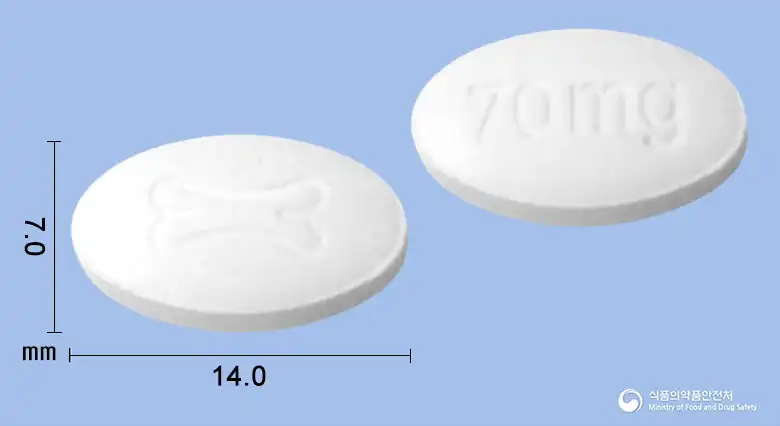
Sodium Alendronate Hydrate 91.37mg
Tablet · Prescription medication
Dongkwang Pharmaceutical Co., Ltd.
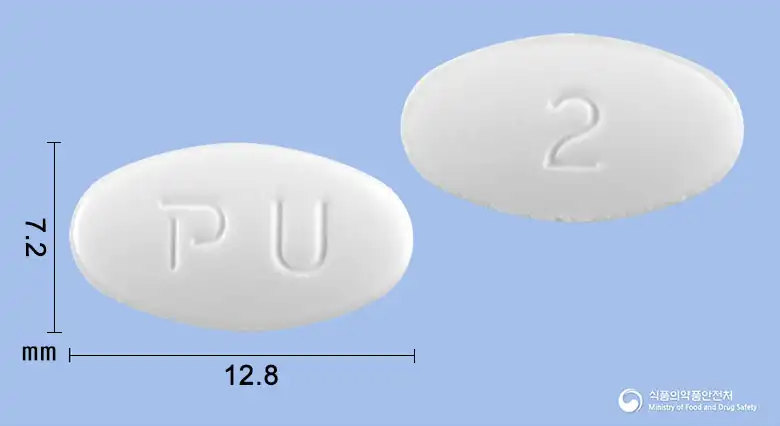
Sodium Alendronate Hydrate 91.37mg
Tablet · Prescription medication
Korea PMG Pharmaceutical Co., Ltd.
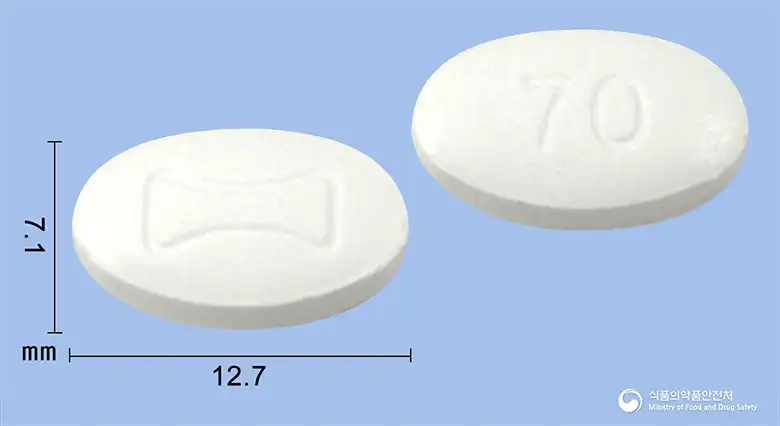
Sodium Alendronate Hydrate 91.37mg
Tablet · Prescription medication
Donggu Bio Pharmaceutical Co., Ltd.
Even with the same ingredient, the dose and directions can differ by strength and dosage form. Talk to a doctor or pharmacist before switching from a medication you are already taking.
No questions yet.
For anything that needs medical judgment, consult a doctor or pharmacist.
This drug information is based on data provided by the Korea Ministry of Food and Drug Safety.
Consult a doctor or pharmacist for accurate dosage, administration, and usage instructions.