
 한국어
한국어 English
 日本語
日本語 中文(简体)
Dosage form image
Viewing nowZadipin Tablets (Lercanidipine Hydrochloride)
Lercanidipine Hydrochloride 10mg
Tablet · Prescription medication
Korea Union Pharmaceutical Co., Ltd.
MFDS item code 200501418 · Notified 2005.01.13
This product's status changed to Expired on 2024.07.01. It may no longer be sold, so consult a doctor or pharmacist before taking it.
Improvement of mild to moderate essential hypertension
This medication is used to improve mild to moderate essential hypertension, which is a condition where one's blood pressure rises, putting a burden on the heart and blood vessels.
As Lercanidipine Hydrochloride, take 5 to 10 mg once daily orally at least 15 minutes before a meal. Depending on the patient's symptoms, the dosage can be increased to 20 mg. Dosage adjustments should be made gradually, as the maximum antihypertensive effect becomes apparent over two weeks. There is no need for dosage adjustment in the elderly, but caution is required when initiating treatment. For patients with liver or kidney disorders, adjustments may be necessary for those with mild to moderate dysfunction.
This medication should not be administered to certain patients. For example, patients who are allergic to this drug or similar medications, pregnant or potentially pregnant women, breastfeeding women, patients with left ventricular outflow obstruction, untreated congestive heart failure patients, unstable angina patients, patients with severe liver or kidney disorders, patients who have recently experienced a myocardial infarction, patients undergoing dialysis, and those under 18 years old should not use it. Moreover, this medication contains lactose and should not be given to patients with genetic problems such as galactose intolerance, lactase deficiency, or glucose-galactose malabsorption. Caution is needed in certain situations when using this medication. For example, patients with pacemaker dysfunction, left ventricular dysfunction, ischemic heart disease, mild to moderate kidney or liver dysfunction, a history of angina, patients who frequently consume alcohol, and the elderly should be administered with care. This medication may cause side effects, commonly resulting in flushing, swelling, palpitations, or fast heart rates. Rarely, side effects such as low blood pressure, chest pain, and angina symptoms may occur. Symptoms such as headache, dizziness, fatigue, dyspepsia, nausea, vomiting, abdominal pain, and diarrhea can also be experienced. It may affect liver function, so if liver function tests are abnormal, the medication should be discontinued, and it can also affect kidney function, so caution is required if related symptoms appear. Symptoms such as skin rashes or muscle aches have also been reported. Suddenly stopping this medication may worsen symptoms, so the dosage should be gradually reduced while monitoring the patient's condition. Dizziness or drowsiness may occur, so caution is needed when driving or operating machinery. This medication may interact with enzymes metabolized in the liver that can alter the effects of certain medications when taken together. Therefore, it is essential to consult a healthcare provider if other medications are being taken. In particular, taking this with grapefruit juice may increase blood concentrations, so it should be avoided. It is safer for pregnant or breastfeeding women not to use this medication, and it should not be administered to children or adolescents under 18 years old. Overdose can result in severe hypotension and heart problems, so if suspected, immediate medical attention should be sought for appropriate treatment. This medication should be stored out of reach of children and not transferred to another container for safety.
Severe allergic reactions such as hives, severe swelling (edema), and chest tightness not mentioned; breathing problems like difficulty breathing, dyspnea, asthma attacks with one case of respiratory distress reported; severe skin reactions (severe rash accompanied by high fever, blisters, skin peeling, pain in oral/ocular mucosa) are not mentioned; liver abnormalities (jaundice) related to skin or eyes turning yellow (jaundice), extreme lethargy
Not everyone experiences these, and they can vary from person to person.
This medication should be kept in a tightly closed container to protect it from air and moisture. It is important to maintain a storage temperature between 1 and 30 degrees Celsius at room temperature to preserve the medication's efficacy and safety.
Yellow round film-coated tablets
30 tablets/bottle, 100 tablets/bottle
Even with the same ingredient, strength, dosage form and how it is taken can differ.
Lercanidipine Hydrochloride 10mg
Tablet · Prescription medication
Korea Union Pharmaceutical Co., Ltd.
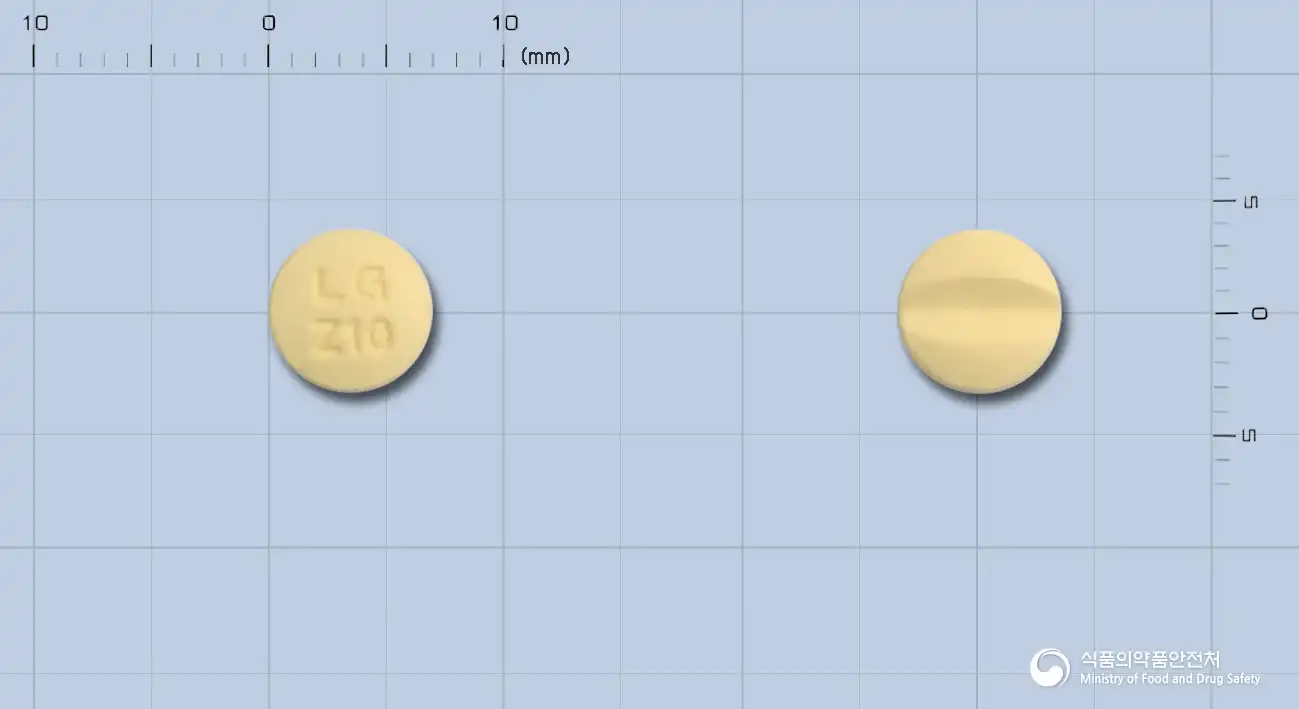
Lercanidipine Hydrochloride 10mg
Tablet · Prescription medication
LG Chem, Ltd.
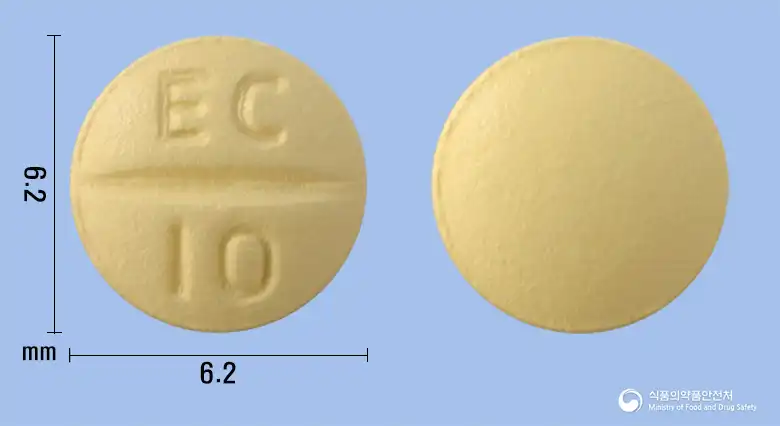
Lercanidipine Hydrochloride 10mg
Tablet · Prescription medication
Jongkundang Co., Ltd.
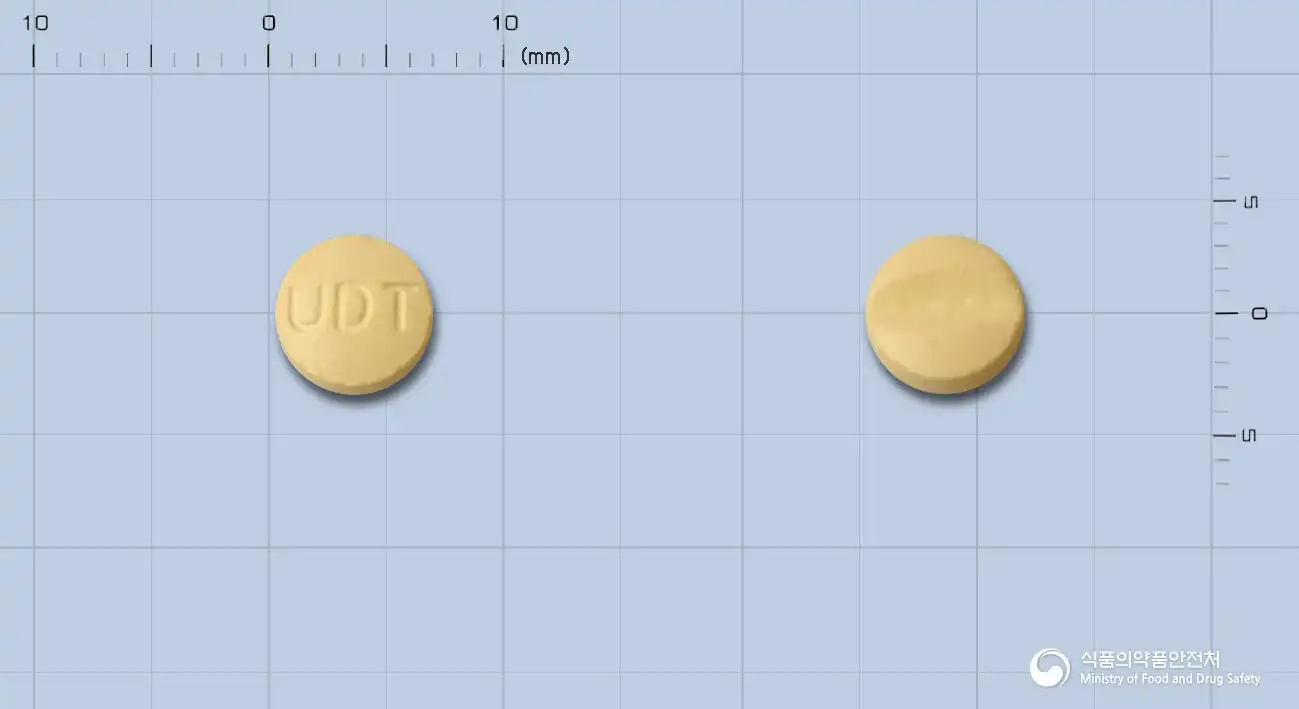
Lercanidipine Hydrochloride 10mg
Tablet · Prescription medication
Yuyu Pharmaceutical Co., Ltd.
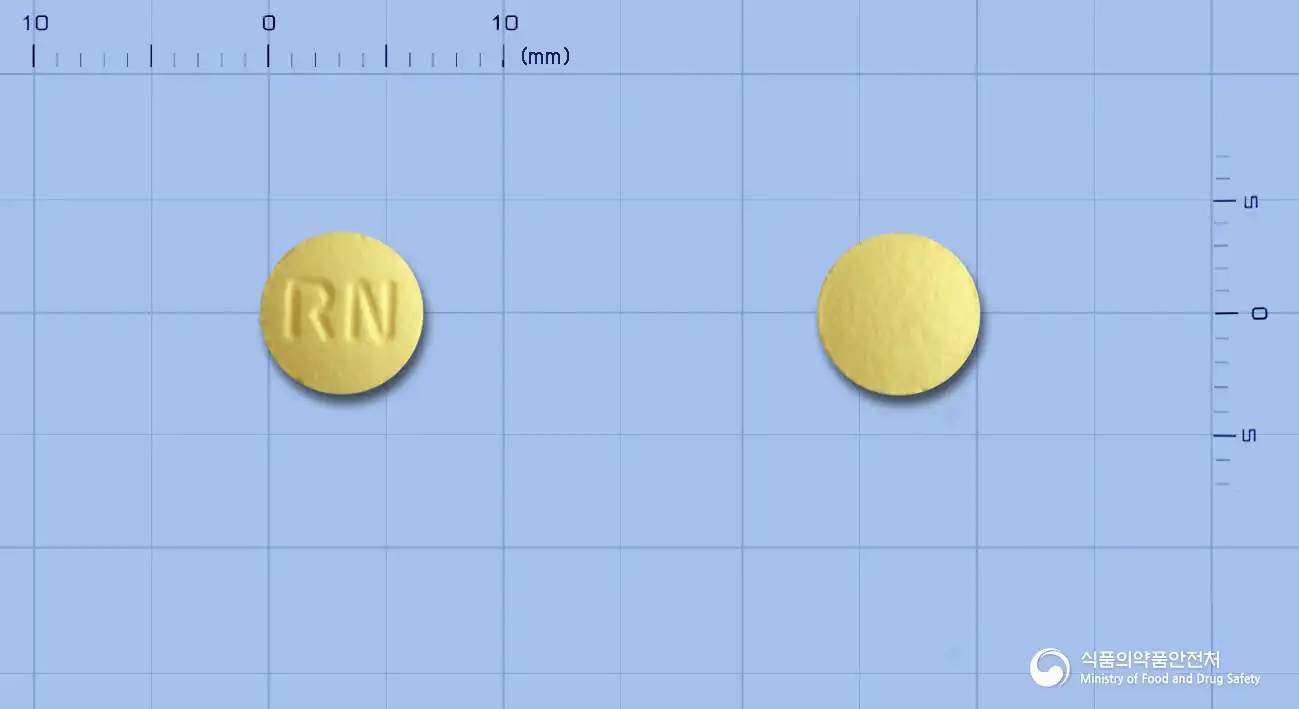
Lercanidipine Hydrochloride 10mg
Tablet · Prescription medication
Samsung Pharmaceutical Co., Ltd.
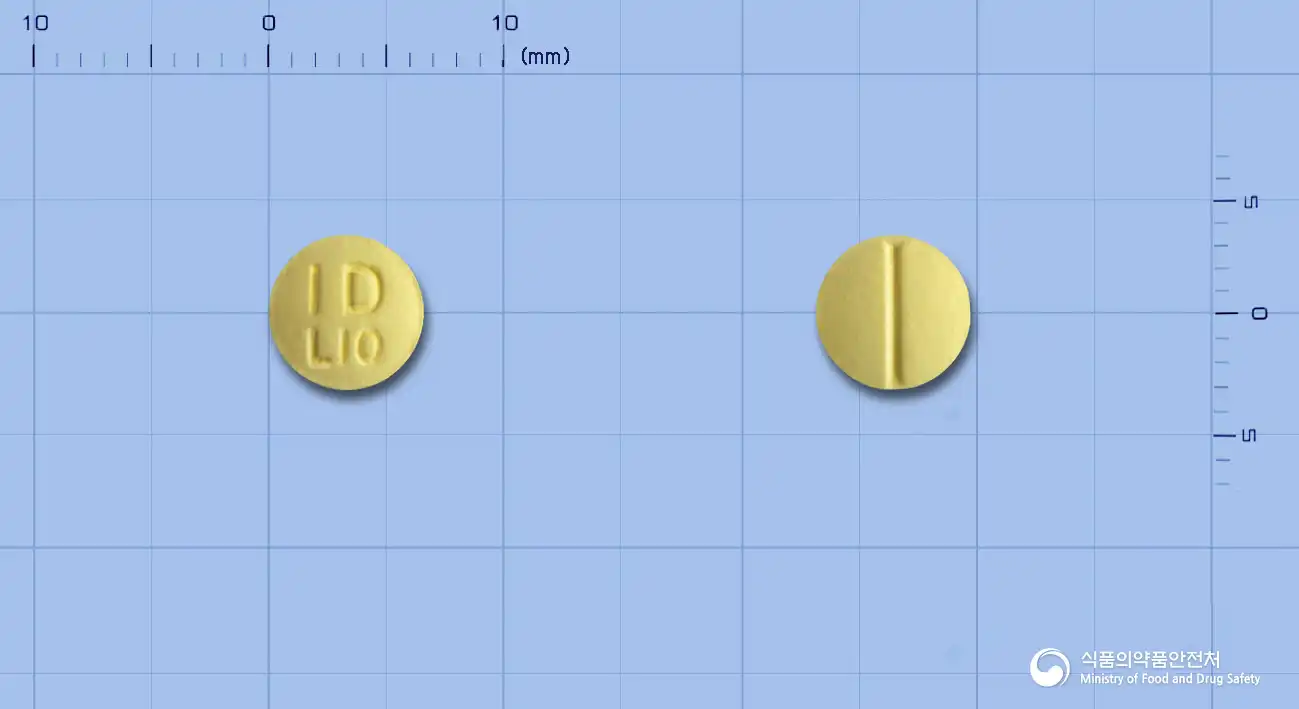
Lercanidipine Hydrochloride 10mg
Tablet · Prescription medication
Ildong Pharmaceutical Co., Ltd.
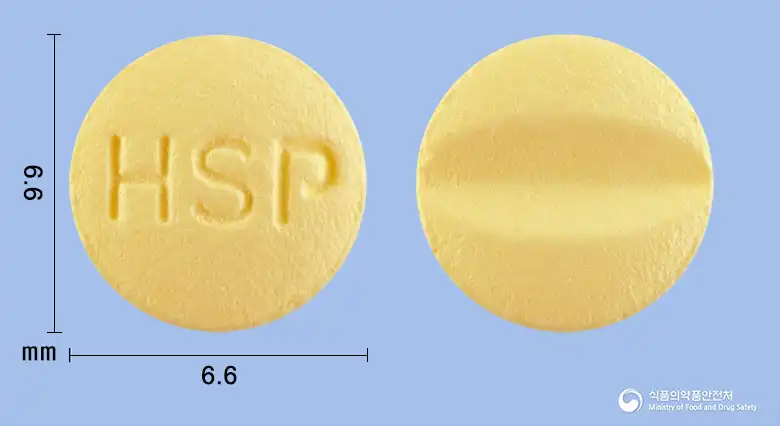
Lercanidipine Hydrochloride 10mg
Tablet · Prescription medication
Celltrion Pharmaceutical Co., Ltd.
Lercanidipine Hydrochloride 10mg
Tablet · Prescription medication
Yuhan Corporation
Even with the same ingredient, the dose and directions can differ by strength and dosage form. Talk to a doctor or pharmacist before switching from a medication you are already taking.
No questions yet.
For anything that needs medical judgment, consult a doctor or pharmacist.
This drug information is based on data provided by the Korea Ministry of Food and Drug Safety.
Consult a doctor or pharmacist for accurate dosage, administration, and usage instructions.